Luxury Gorilla Trekking Safaris in Africa
If you are considering luxury gorilla trekking safaris in Africa, you are looking at one of the most unforgettable wildlife experiences we have ever helped travellers plan. There is nothing quite like locking eyes with a wild mountain gorilla just metres away, deep inside a misty rainforest, knowing you are one of a small number of people who will ever witness this in person.
We work with travellers from the United States, United Kingdom, Europe, and Australia every year who come to us with the same question: how do we do this properly, comfortably, and without the guesswork? This guide walks you through exactly that, from choosing the right country and lodge to understanding permit costs and building an itinerary that fits your travel dates.
What Actually Makes a Gorilla Safari “Luxury”
A luxury gorilla trekking safari in Africa is about far more than booking a nice hotel near the forest. It is the entire experience working together seamlessly, so the only thing you need to think about on trekking day is the moment ahead of you.
That means a private vehicle and driver-guide who knows the trails and the rangers personally, a lodge with a suite that actually feels like a retreat after a long hike, and a team back home coordinating your permits, transfers, and timing so nothing is left to chance. It also means small, thoughtful touches. A hot water bottle waiting in your bed after a cold mountain evening. A packed breakfast if your trek starts before sunrise. A glass of wine on the veranda once you are back, still processing what you just saw.
We have found that travellers from the US, UK, and Australia in particular value this kind of quiet, well organised comfort on their luxury gorilla trekking safaris in Africa. You have flown a long way for this trip. Every part of it should feel considered.
Choosing Your Country for Luxury Gorilla Trekking Safaris in Africa
Mountain gorillas live in the wild in only three places on earth, and each offers a genuinely different kind of trip.
Uganda
Uganda is where we are based, and it is home to Bwindi Impenetrable Forest and Mgahinga Gorilla National Park, sheltering roughly half of the world’s remaining mountain gorillas. Bwindi has several trekking sectors, which gives us flexibility to match your fitness level and preferred lodge to the right starting point. Uganda also pairs naturally with chimpanzee tracking in Kibale Forest and classic Big Five game drives in Queen Elizabeth or Murchison Falls National Park, so many of our American and European clients combine gorillas with a full safari in one trip.
Rwanda
Rwanda’s Volcanoes National Park is known for its ease of access, sitting just under two hours from Kigali International Airport. If your time is limited, this matters. Rwanda has also invested heavily in high end lodges, and several properties near the park rank among the finest safari accommodation on the continent.
Democratic Republic of Congo
Virunga National Park in the DRC offers gorilla trekking at a noticeably lower permit cost. We only recommend this route to more experienced travellers, given the additional logistics and security considerations involved, and always in coordination with specialist local partners.
For most of our clients travelling from further afield, Uganda and Rwanda remain the two destinations we recommend, and many of our best itineraries combine both.
The Lodges We Recommend
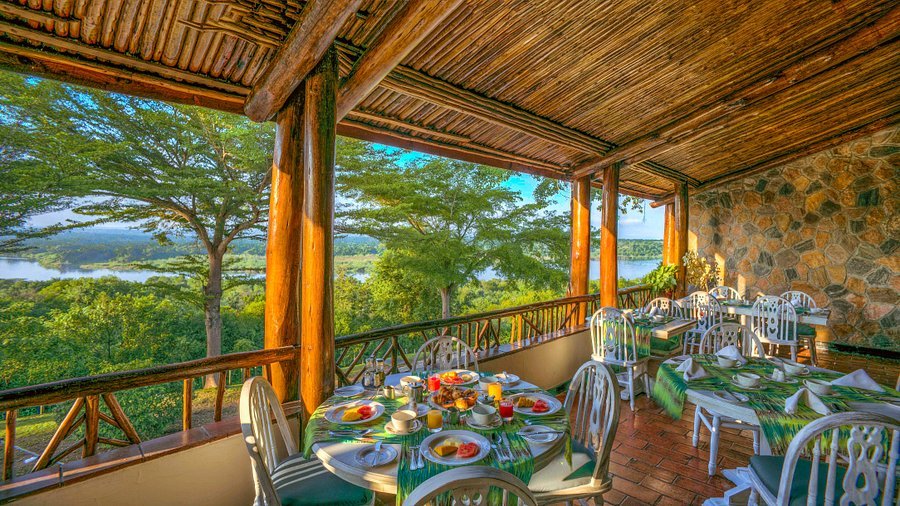
Your lodge choice shapes the whole trip, not just the trekking day. In Uganda, the properties we work with near Bwindi range from intimate boutique lodges tucked into the forest edge to larger luxury camps with sweeping valley views, heated pools, and architecture that borrows heavily from the surrounding landscape.
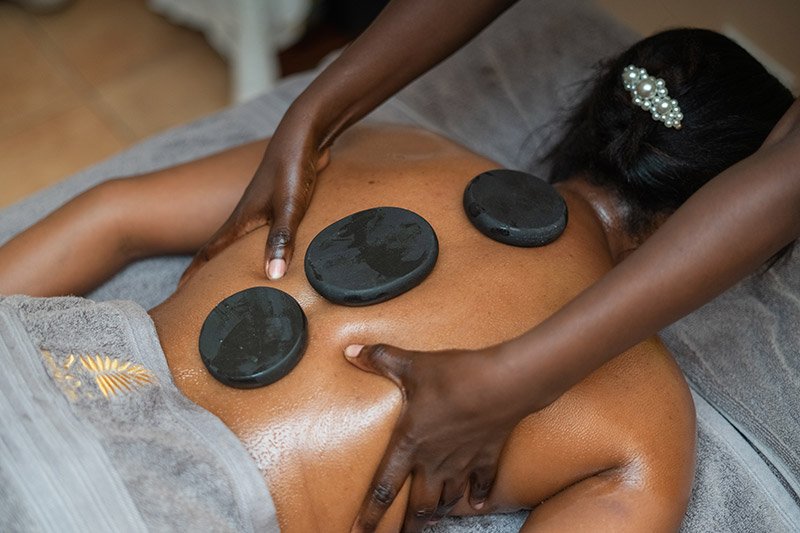
In Rwanda, lodges near Volcanoes National Park lean into dramatic volcano views, chef led dining, and spa treatments built around local ingredients. A number of these properties also support conservation and community projects nearby, and we are happy to arrange a visit if that interests you.
One detail we always factor in for guests is which trekking sector you are assigned to, since this determines your early morning departure time. We match your lodge to your permit location so you are never facing an unnecessarily long drive before sunrise.
Understanding Permit Costs
Permits are the part of this trip that catches most first time travellers off guard on luxury gorilla trekking safaris in Africa, so let us walk you through it clearly.
A Uganda gorilla trekking permit costs USD 800 per person. This buys you one hour with a habituated gorilla family, accompanied by armed rangers and an experienced guide. A Rwanda gorilla trekking permit costs USD 1,500 per person, reflecting the country’s shorter transfer times and premium positioning.
If you want something deeper, the Gorilla Habituation Experience in Uganda costs USD 1,500 per person and gives you up to four hours with a gorilla family that is still being habituated to human presence rather than the standard one hour. Only a handful of guests are permitted on this experience each day, so we recommend booking it well in advance if it appeals to you.
Permits are limited by design, to protect the gorillas from overexposure, so we always secure these for our clients several months ahead of travel, especially for peak season dates.
When to Go
Gorillas live in the rainforest year round, so trekking is possible every month. That said, timing still matters, particularly if you are travelling from the northern hemisphere or Australia and working around your own seasons.
Our dry seasons run roughly from June to September and again from December to February. Trails are firmer and more comfortable during these months, which is also why they are the most popular with international travellers. If these dates suit your schedule, we recommend booking permits and lodges as early as possible.
The wetter months, from March to May and again in October and November, bring fewer crowds and genuinely beautiful, lush forest scenery. A number of our lodge partners also offer more attractive rates during this period. If you would rather trade guaranteed dry trails for a quieter, more intimate trip, this is worth considering.
What Trekking Day Actually Looks Like
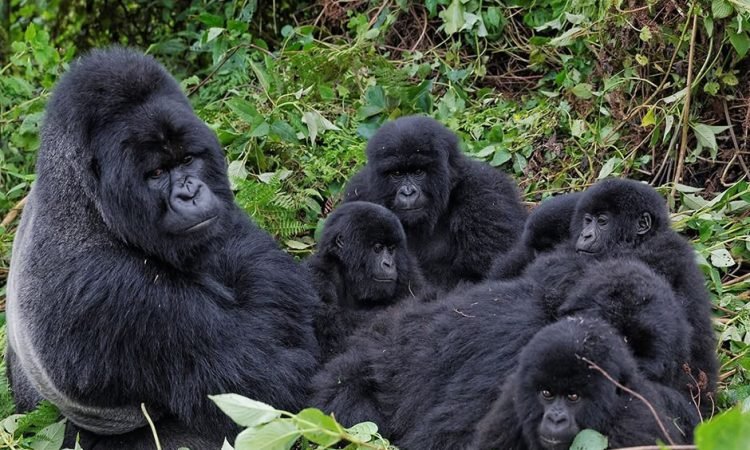
Trekking day starts early, with a briefing at the park headquarters around 7:00 or 7:30 in the morning. Rangers assign trekking groups based on fitness level and where each gorilla family was last seen, then you set off into the forest with your guide, a small group of fellow trekkers, and porters if you have arranged one.
How long the walk takes really depends on the gorillas. Some mornings it is thirty minutes. Others it is a genuine hike of several hours through dense, steep terrain. Once your group finds the gorillas, you get one full hour in their presence, watching them feed, interact, and move through the forest at their own pace, just a few metres away.
We always recommend hiring a porter, even if you consider yourself fit. It is a small cost that makes a real difference on the steeper sections, and the fee goes directly to someone from the local community. Afterwards, you head back to the lodge for a proper lunch and a very well earned rest.
A Few Itineraries to Give You a Starting Point
Every trip we build is tailored to you, but these itineraries, already crafted and ready to customise, give a sense of what is possible.
6 Day Luxury Safari Uganda: Gorillas, Wildlife & Culture
Ideal if your time is tight but you still want the full luxury experience. This itinerary blends gorilla trekking in Bwindi with wildlife viewing and cultural encounters, all built around premium lodges.
8 Days Uganda Safari, Big 5, Gorillas, Chimps and Tree-Climbing Lions
This itinerary combines gorilla trekking in Bwindi with chimpanzee tracking and Big Five game viewing, including the famous tree climbing lions of Ishasha, for travellers who want the complete Uganda wildlife experience in one trip.
6 Day Luxury Rwanda & Uganda Gorilla Tour
Our top pick for travellers wanting two countries and two different gorilla families in one trip, without needing a full ten days away. It combines Bwindi and Volcanoes National Park with premium lodges throughout.
We can adjust any of these around your dates, fitness level, and interests, whether that means adding chimpanzee tracking, extending a favourite lodge stay, or tacking on a few days at the coast in Zanzibar afterward. Browse our full range of itineraries or build a custom safari from scratch.
What to Pack
A few practical items make a real difference on the trail. Sturdy, already broken in hiking boots are essential, along with a waterproof layer, since rainforest showers can arrive without much warning even in dry season.
Long sleeves and trousers in neutral tones help protect against nettles and insects. A pair of gardening gloves is genuinely useful for gripping vegetation on steeper stretches, and a lightweight daypack keeps water, snacks, and your camera within reach.
Binoculars are worth packing too, not just for the gorillas but for the birdlife and other wildlife you will pass along the way. Most of our lodge partners offer same day laundry, so you can travel lighter than you might expect and rely on the lodge for everything outside your trekking days.
Pairing Gorilla Trekking with Other Experiences
Many of our clients extend their trip beyond gorillas. Chimpanzee tracking in Kibale Forest, often called the primate capital of Africa, fits naturally alongside a Uganda itinerary.
A classic savannah safari in Queen Elizabeth or Murchison Falls National Park adds the Big Five to the primate focused portion of your trip. If you want real contrast at the end, a few days on the beach in Zanzibar is a popular way to close out the journey.
In Rwanda, golden monkey tracking in Volcanoes National Park is a lighter, shorter alternative that still delivers a genuinely rewarding primate encounter, and works well as an add on the day after your gorilla trek.
Conservation and the Communities Behind It
Every luxury gorilla trekking safari in Africa contributes directly to conservation, and it is worth understanding where your permit fee actually goes. It funds ranger patrols, veterinary care for the gorilla families, and anti-poaching work across Bwindi, Volcanoes National Park, and Virunga.
Mountain gorillas were critically endangered a few decades ago, down to a few hundred individuals. Tourism revenue has been central to their recovery, and the population now sits above a thousand, one of the genuine conservation success stories of our time.
The lodges we partner with also invest in the communities around these parks, employing local staff, sourcing produce from nearby farms, and supporting schools and healthcare initiatives in surrounding villages. Hiring a porter, visiting a Batwa community experience near Bwindi, or buying crafts from a local cooperative are simple ways to make sure your trip supports the people who share this forest, not just the gorillas within it.
Why Plan This Trip With Us
Coordinating a luxury gorilla trekking safari in Africa from the US, UK, Europe, or Australia involves a lot of moving parts. Permits are limited and non-transferable once booked, flight connections need to line up with lodge transfers, and the right lodge really does depend on which trekking sector you end up in.
We have been designing tailor made safaris across East Africa since 2014, and Uganda’s trekking sectors and top lodges are territory we know firsthand. We build every itinerary around your dates, budget, and interests, secure your permits early, and handle the logistics from the moment you land to the moment you fly home.
Frequently Asked Questions
How much does a luxury gorilla trekking safari in Africa cost? It depends on your lodge category, trip length, and destination, but plan around the permit fee itself, USD 800 in Uganda or USD 1,500 in Rwanda, plus luxury accommodation, private transport, and park fees.
Is gorilla trekking physically demanding? It can range from an easy thirty minute walk to a genuinely challenging multi hour hike through dense, steep forest. We match your trekking group to your fitness level, and a porter is always available if you want extra support.
How many people trek with one gorilla family? Groups are capped at eight people per gorilla family per day, which keeps the encounter intimate and limits disruption to the gorillas.
What is the minimum age for gorilla trekking? Fifteen years old, in both Uganda and Rwanda. This protects the physical demands of the trek and reduces disease exposure risk to the gorilla families.
Should I choose Uganda or Rwanda? Uganda offers lower permit costs and pairs easily with chimpanzee tracking and Big Five safaris. Rwanda offers shorter transfer times from the airport and some of the continent’s most luxurious lodges. If you have the time, we often recommend combining both.
Ready to Start Planning?
Tell us your travel dates and interests, and we will build a gorilla trekking itinerary around them.