Solo Travel Uganda Safari planning covers safety, cost and logistics — here are 7 essential tips before you book your independent trip.
7 Essential Tips
Planning a solo travel Uganda safari raises a few genuine questions that group travelers rarely have to think about.
Cost, safety, logistics and simply how it feels to explore alone all factor into a successful solo travel Uganda safari.
This guide covers seven essential tips for anyone planning a solo travel Uganda safari, from budgeting to booking the right kind of trip.
Why Solo Travel Uganda Safari Trips Are More Common Than You’d Think
Solo travel Uganda safari bookings have grown steadily as more independent travelers discover East Africa beyond the group tour circuit.
Gorilla trekking, chimp tracking and game drives all work naturally for solo travelers, since permits and vehicles are typically shared with other visitors anyway.
Understanding this upfront removes much of the hesitation that keeps some travelers from booking a solo travel Uganda safari in the first place.
Tip 1: Understand the Real Cost of Traveling Alone
Cost is often the first concern for anyone researching a solo travel Uganda safari, and it’s worth addressing honestly.
Many lodges charge a single supplement, since accommodation pricing is typically built around double occupancy rather than one traveler per room.
Budgeting realistically for this supplement upfront prevents an unpleasant surprise partway through planning a solo travel Uganda safari.
Tip 2: Join Group Activities to Offset Costs
A practical way to manage a solo travel Uganda safari budget is joining shared game drives, boat cruises and trekking groups rather than booking private ones.
Gorilla and chimp permits are naturally shared among up to eight trekkers, so solo travelers automatically join a small group for these activities regardless.
This shared structure makes a solo travel Uganda safari considerably more affordable than independent travelers might initially expect.
Tip 3: Choose Accommodation With a Social Atmosphere
Not every lodge suits a solo travel Uganda safari equally well, and atmosphere matters more than many first-time solo travelers realize.
Properties with communal dining tables, shared lounges or a warm, family-run feel tend to suit solo travelers better than large, impersonal resorts.
Asking your operator specifically about solo-friendly lodges is a simple step that meaningfully improves any solo travel Uganda safari experience.
Tip 4: Prioritize Safety Without Overthinking It
Safety is a genuine consideration for any solo travel Uganda safari, though the reality is generally reassuring once you understand the basics.
Sticking with a licensed operator, avoiding unnecessary night travel, and using your lodge’s recommended transport covers most practical safety concerns.
Uganda’s tourism infrastructure is well-established, and a solo travel Uganda safari through a reputable company involves far less risk than many travelers initially assume.
Tip 5: Build In Time for Genuine Downtime
A common mistake on a solo travel Uganda safari is over-scheduling every single day, leaving no room to simply process the experience.
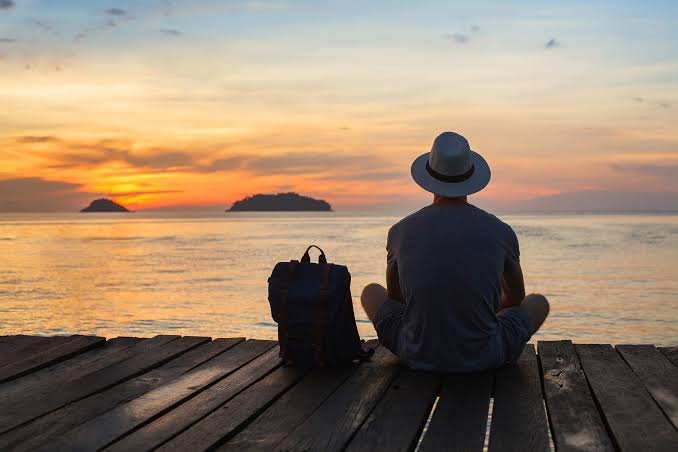
Solo travelers often benefit more than groups from unstructured time, whether that’s a quiet afternoon by Lake Bunyonyi or an extra morning at a favorite lodge.
Pacing your solo travel Uganda safari deliberately, rather than packing in every possible activity, tends to produce a more satisfying overall trip.
Tip 6: Use a Local Operator to Handle Logistics
Independent solo travelers sometimes assume self-arranging every detail saves money, but this rarely holds true for a solo travel Uganda safari specifically.
Permits, park fees, transport and lodge bookings are genuinely easier to coordinate through an experienced local operator familiar with current availability.
This approach also adds a layer of support throughout your solo travel Uganda safari, useful if plans need to shift unexpectedly mid-trip.
Tip 7: Connect With Other Travelers Along the Way
One underrated benefit of a solo travel Uganda safari is how naturally you end up meeting other travelers during shared activities.
Gorilla treks, boat cruises and communal lodge dining all create easy, low-pressure opportunities to connect with people from completely different backgrounds.
Many solo travelers describe these spontaneous connections as one of the most memorable parts of their entire solo travel Uganda safari.
Comparing Solo Travel to Joining a Group Tour
Some travelers weighing a solo travel Uganda safari also consider joining a pre-organized group tour instead of booking independently.
Group tours offer built-in social structure and often slightly lower per-person costs, since expenses split across more travelers.
A genuinely independent solo travel Uganda safari, by contrast, offers more flexibility over pacing, activities and daily schedule than a fixed group itinerary typically allows.
Cultural Etiquette Tips Worth Knowing
Uganda’s culture is generally warm and welcoming toward visitors, though a few etiquette basics help solo travelers navigate local interactions smoothly.
Greeting people before launching into questions or requests is genuinely appreciated, reflecting a broader cultural emphasis on courtesy and relationship-building.
Learning a handful of basic Luganda or Swahili greetings goes a long way, even for a short trip, and often sparks friendly conversation with locals.
Health Precautions and Travel Insurance
Standard travel health precautions apply regardless of group size, though solo travelers should be particularly diligent about carrying proper documentation.
Yellow fever vaccination proof is mandatory for entry into Uganda, and malaria prophylaxis is strongly recommended given the country’s tropical climate.
Comprehensive travel insurance matters even more without a travel companion nearby, since it provides a safety net for medical issues, trip delays or lost luggage.
Transport Options for Independent Travelers
Most solo travelers rely on operator-arranged transport, which removes the guesswork of navigating unfamiliar roads and border crossings independently.
Domestic flights between major parks are increasingly popular for solo travelers with limited time, cutting long road transfers down considerably.
Public transport exists but is generally not recommended for tourists unfamiliar with local routes, particularly outside major towns and cities.
Real Traveler Experiences
Travelers who’ve completed a solo travel Uganda safari consistently mention the ease of meeting others as a genuine highlight, not just a reassurance.
Many describe forming real friendships during shared gorilla treks or lodge dinners, sometimes staying in touch long after the trip ends.
Others simply appreciate the freedom to adjust plans on a whim, lingering an extra day somewhere unexpectedly beautiful without needing group consensus.
Choosing the Right Length of Trip
First-time solo travelers often wonder how many days suit a solo travel Uganda safari without feeling either rushed or excessive.
A week to ten days allows time for one major primate trekking activity plus at least one additional park or relaxing stop.
Longer trips of two weeks or more suit travelers wanting to combine Uganda with a Rwanda extension or additional national parks.
Money and Payment Tips
Carrying a mix of US dollars and local currency covers most situations, from park fees to tipping guides and porters.
Many lodges and tour operators accept card payments, though smaller vendors and local markets generally expect cash.
Informing your bank of international travel plans in advance avoids the frustration of a blocked card partway through your trip.
Why This Question Comes Up So Often
Solo travel Uganda safari planning generates more questions than almost any other trip type, simply because fewer people have direct experience to draw on.
Group and family safaris are more commonly discussed among friends and online, leaving solo travelers with fewer firsthand accounts to reference.
This guide exists to close that gap, offering the practical, specific advice a first-time solo travel Uganda safari planner genuinely needs.
Is Uganda Safe for Solo Travelers?
This question comes up constantly among people researching a solo travel Uganda safari for the first time.
Uganda is generally considered one of the more welcoming East African countries for independent travelers, including solo women.
Standard precautions, staying with your operator’s recommended transport, avoiding unnecessary night travel, and using common sense in cities, apply here as they would anywhere.
Solo Female Travel Considerations
Solo female travelers researching a solo travel Uganda safari often have additional, entirely reasonable questions about comfort and safety specifically.
Dressing modestly outside tourist areas, particularly in smaller towns, is generally appreciated and helps travelers blend in more comfortably.
Most female solo travelers who’ve completed a solo travel Uganda safari report feeling genuinely well looked after by guides and lodge staff throughout.
Best Activities for Solo Travelers
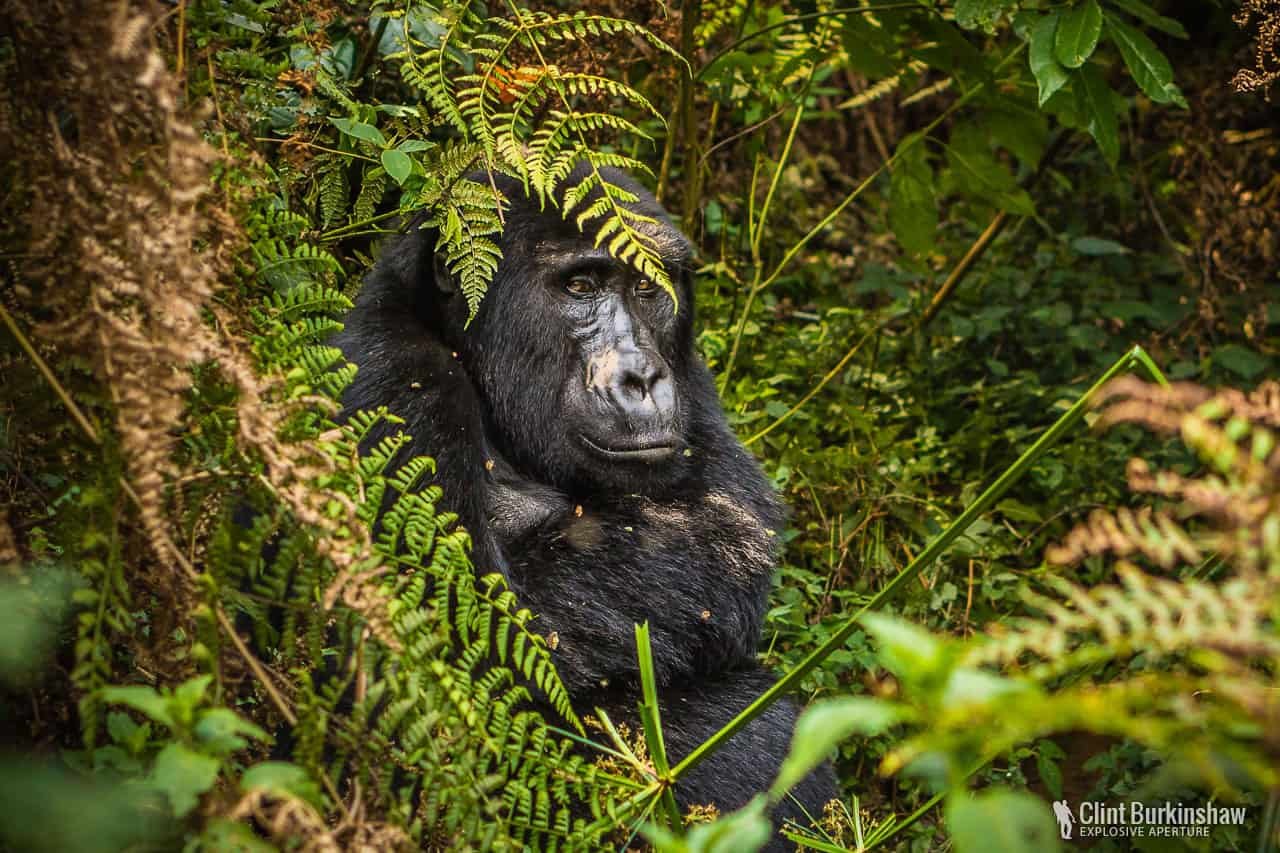
Gorilla trekking suits solo travelers particularly well, since permits are shared among a small group regardless of how you booked.
Chimp tracking in Kibale follows the same shared structure, making it another naturally solo-friendly activity within a wider itinerary.
Boat cruises on the Kazinga Channel or the Nile offer a relaxed, sociable setting where solo travelers often strike up conversation easily.
Budgeting for a Solo Travel Uganda Safari
Beyond the single supplement, most core costs, permits, park fees and transport, stay roughly consistent whether you travel solo or in a group.
Solo travelers can manage overall spend by choosing mid-range rather than luxury lodges, where the single supplement gap tends to be smaller.
Working with an operator who understands solo travel Uganda safari budgeting specifically helps avoid overpaying for accommodation built around couples or groups.
Sample Solo Itinerary Ideas
A focused week-long solo travel Uganda safari might combine gorilla trekking in Bwindi with a few relaxed days at Lake Bunyonyi afterward.
Travelers with more time can extend into Queen Elizabeth for game drives and a Kazinga Channel cruise before heading home.
Building in buffer days between major activities gives solo travelers room to rest without feeling rushed between destinations.
Packing Tips Specific to Solo Travelers
A lightweight, secure daypack matters more for solo travelers, since there’s no travel companion to help watch belongings during activities.
A portable charger and offline maps are genuinely useful, particularly in more remote parks with limited connectivity.
Beyond these small adjustments, packing for a solo travel Uganda safari looks largely identical to packing for any other Uganda trip.
Common Concerns First-Time Solo Travelers Have
Many first-time solo travelers worry about feeling isolated or awkward joining shared activities alone, a concern that rarely matches the reality.
Guides and fellow trekkers are typically friendly and welcoming, and shared meals at lodges naturally create conversation without any real effort required.
Most travelers who complete a solo travel Uganda safari report the opposite experience: more social interaction than they initially expected, not less.
Connectivity and Staying in Touch
Mobile networks cover most of Uganda’s major towns and park headquarters reasonably well, making it easy to check in with family back home.
A local SIM card, available cheaply at the airport, is worth picking up early in your solo travel Uganda safari for reliable data access.
Remote forest areas like deep Bwindi sections naturally have weaker signal, worth mentioning to family in advance to manage expectations.
Quick Recap: Making Solo Travel Work in Uganda
To summarize, a solo travel Uganda safari is genuinely manageable once you understand a few key realities upfront.
Shared activities keep costs reasonable, welcoming lodges keep the experience social, and a good local operator keeps logistics simple throughout.
Safety concerns, while worth taking seriously, are generally well-managed through standard precautions and a reputable operator’s guidance.
Every tip in this guide points toward the same conclusion: a solo travel Uganda safari rewards preparation without requiring excessive worry.
Why More Travelers Are Choosing to Go Alone
Solo travel more broadly has grown significantly in recent years, and Uganda has benefited from that shift as a destination.
Travelers increasingly value the flexibility and personal growth that come with a solo travel Uganda safari, rather than viewing solo trips as a fallback option.
This shift shows up clearly in how many lodges and operators have adapted their offerings specifically to accommodate independent travelers more comfortably.
One Last Thought Before You Book
If any lingering hesitation remains about booking a solo travel Uganda safari, know that it’s an extremely common first concern that rarely survives actual travel.
Every solo traveler who has completed a solo travel Uganda safari once tends to describe the anticipation as far more daunting than the reality.
Trust the process, choose a reputable operator, and let the natural social structure of shared activities do most of the work for you.
Frequently Asked Questions
Is a solo travel Uganda safari more expensive than a group trip?
Slightly, mainly due to single supplement charges on accommodation, though shared activities like gorilla trekking keep most core costs similar.
Is it safe for a woman to do a solo travel Uganda safari?
Yes, with standard precautions. Uganda is generally considered welcoming for solo female travelers when using a reputable local operator.
Will I be lonely on a solo travel Uganda safari?
Most solo travelers report the opposite, since shared activities and communal lodge dining create frequent, easy opportunities to meet others.
Do I need to book through an operator for a solo travel Uganda safari?
Not strictly required, but strongly recommended, since permits, logistics and current availability are considerably easier to manage through local expertise.
What is the best activity to start a solo travel Uganda safari with?
Gorilla trekking works well as a starting point, since its shared group structure naturally eases solo travelers into the wider trip.
Can I customize my own solo travel Uganda safari itinerary?
Yes, most operators build fully custom itineraries around solo travelers, rather than requiring a fixed, pre-set group schedule.
How far in advance should I plan a solo travel Uganda safari?
Three to six months ahead is ideal, particularly for gorilla permits, which sell out faster during peak season months.
Are there age limits for a solo travel Uganda safari?
Beyond the standard 15-year minimum for gorilla trekking, there’s no upper age limit, and many older solo travelers complete trips successfully each year.
Final Thoughts on Solo Travel Uganda Safari Planning
A solo travel Uganda safari rewards travelers willing to embrace a slightly different pace than a typical group tour offers.
Between shared activities, welcoming lodges and Uganda’s generally solo-friendly tourism infrastructure, independent travel here feels far more manageable than many first-timers expect.
With a bit of upfront planning around cost and logistics, a solo travel Uganda safari can become one of the most rewarding trips you take alone.
Every element covered in this guide, from single supplements to solo-friendly lodges, exists to make your first solo travel Uganda safari feel less like a leap and more like a well-planned adventure.
Travelers who’ve been hesitant to book a solo travel Uganda safari often find, once they’ve actually gone, that the independence was the best part of the entire trip.
Ready to Plan Your Solo Trip?
Tulambule Uganda Safaris can help you build a solo-friendly itinerary covering permits, lodges and transport from start to finish.