
Book Gorilla Trekking Permits in Bwindi the right way with this simple 5-step guide covering timing, documents, deposits and confirmation.
Book Gorilla Trekking Permits in Bwindi: 5 Easy Steps
Ready to see mountain gorillas face to face? Learning how to book gorilla trekking permits in Bwindi correctly is the first real step.
Get this part right, and everything else about your trip falls into place. Get it wrong, and you risk missing out entirely.
Permits are limited and in demand, so knowing how to book gorilla trekking permits in Bwindi properly matters more than most travelers realize.
This guide breaks down exactly how to book gorilla trekking permits in Bwindi, from timing to confirmation, in five clear steps.
Understanding the Bwindi Gorilla Permit System
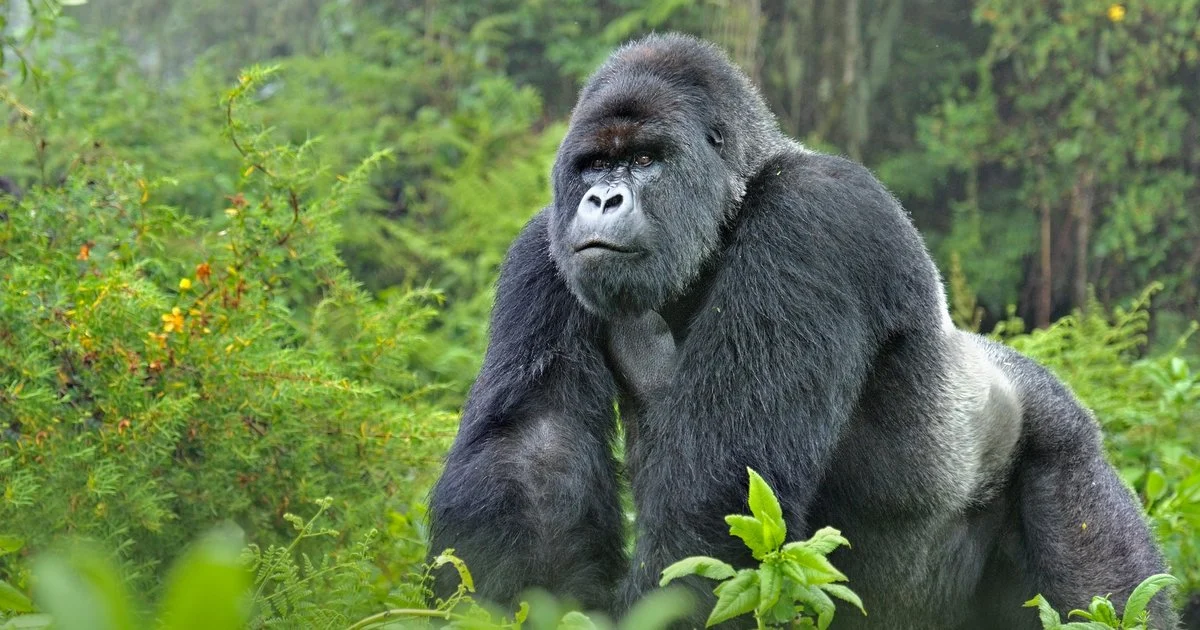
Before you book gorilla trekking permits in Bwindi, it helps to understand what a permit actually is.
It’s a dated, named authorization issued by the Uganda Wildlife Authority, tied to one specific gorilla family.
Each permit assigns you to one family, one sector, and one day — it cannot simply be swapped for another date once confirmed.
Only a limited number of permits are released daily, which is exactly why early planning matters so much.
This scarcity is the single biggest reason travelers are advised to plan months, not weeks, ahead of travel.
How Many Permits Are Available Each Day
Bwindi releases roughly eight permits per gorilla family daily, so you can book gorilla trekking permits in Bwindi across more than 20 different families.
With four sectors sharing this pool, travelers who book gorilla trekking permits in Bwindi during peak months should expect faster sell-outs.
Rushaga has the most families, so many travelers book gorilla trekking permits in Bwindi there first when flexibility matters most.
Gorilla Families by Sector
Knowing the sector families helps you decide which trek best matches your interests and travel style.
Buhoma’s Mubare and Rushegura families are popular choices for travelers seeking an easier trail near the trailhead.
Rushaga’s Nshongi and Busingye groups are common picks for larger parties, thanks to more flexible scheduling.
Ruhija’s Oruzogo and Bitukura families suit birders who want strong sightings alongside their gorilla trek.
Nkuringo’s namesake family rewards travelers who book gorilla trekking permits in Bwindi for scenery over convenience.
How Much Does It Cost to Book Gorilla Trekking Permits in Bwindi
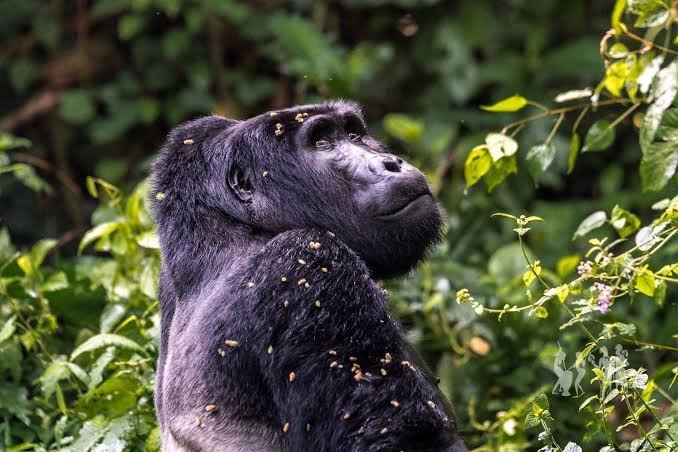
The standard fee to book gorilla trekking permits in Bwindi is $800 per person, set by the Uganda Wildlife Authority.
This fee covers park entry, guides, trackers and one hour with the gorillas once you book gorilla trekking permits in Bwindi successfully.
Transport, lodging and meals are separate, so factor these in when you book gorilla trekking permits in Bwindi as part of a wider trip.
Best Time of Year to Booking Gorilla Trekking Permits in Bwindi
Timing matters just as much as sector choice when you book gorilla trekking permits in Bwindi.
Dry seasons, June to September and December to February, are when most travelers book gorilla trekking permits in Bwindi, so plan far ahead.
Wetter months, March to May and October to November, are quieter, making it easier to book gorilla trekking permits in Bwindi on short notice.
Whichever season you choose, book gorilla trekking permits in Bwindi early to guarantee your preferred sector and date.
Step 1: Choose Your Bwindi Sector First
Before you book gorilla trekking permits in Bwindi, decide which of the four sectors fits your trip.
Buhoma suits first-timers who book gorilla trekking permits in Bwindi for gentler trails and strong infrastructure.
Rushaga is ideal if you book gorilla trekking permits in Bwindi for a group, thanks to its high family count.
Ruhija rewards fitter trekkers who book gorilla trekking permits in Bwindi for altitude and quieter trails.
Nkuringo suits travelers who book gorilla trekking permits in Bwindi for remote scenery over easy access.
Step 2: Confirm Your Trek Dates
Once your sector is set, the next move is to book gorilla trekking permits in Bwindi for exact dates.
Permits are date-specific, so book gorilla trekking permits in Bwindi with a buffer day either side in case of delays.
If combining parks, book gorilla trekking permits in Bwindi first, then plan the rest of your route backward from that date.
Step 3: Submit Passport and Traveler Details
To formally book gorilla trekking permits in Bwindi, you’ll need each trekker’s full name, nationality, passport number and date of birth.
These must match your passport exactly, since anyone who tries to book gorilla trekking permits in Bwindi with mismatched details risks delays.
A licensed operator can book gorilla trekking permits in Bwindi on your behalf, reducing the risk of a rejected application.
Step 4: Pay the Permit Deposit
Most travelers who book gorilla trekking permits in Bwindi pay a 30 to 50 percent deposit upfront.
The balance is due closer to travel, so book gorilla trekking permits in Bwindi only after confirming payment terms in writing.
Always book gorilla trekking permits in Bwindi through an accredited operator to avoid the fake permit scams that target independent travelers.
Step 5: Receive Written Confirmation
The final step to booking gorilla trekking permits in Bwindi is receiving a confirmed reference number tied to your name and date.
Keep proof any time you book gorilla trekking permits in Bwindi, since you’ll present this confirmation at the park briefing point.
If your confirmation looks incomplete after you book gorilla trekking permits in Bwindi, follow up before travel, not on arrival day.
What You Need Before You Book
A few documents make it easier to book gorilla trekking permits in Bwindi without delays.
- A valid passport with at least six months’ validity
- Proof of yellow fever vaccination, required to enter Uganda
- Travel insurance covering trekking and evacuation
- A realistic sense of your fitness level for sector matching
Having these ready before you book gorilla trekking permits in Bwindi speeds up the entire process considerably.
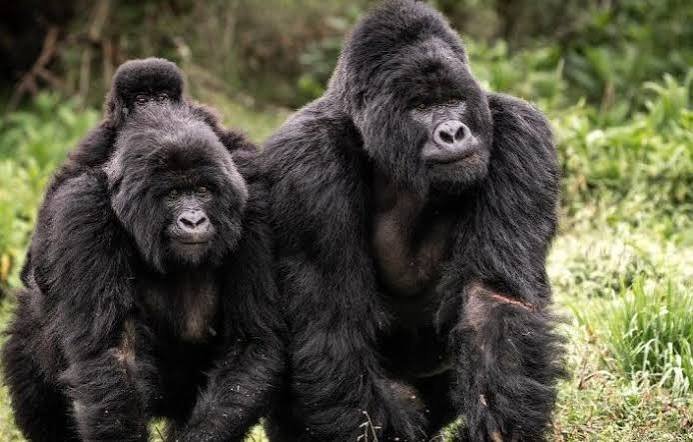
Common Mistakes When Booking
Even experienced travelers make errors when they book gorilla trekking permits in Bwindi.
Booking too late. Waiting a month before travel limits your ability to secure your preferred sector.
Paying unverified sellers. Confirm UWA accreditation before you book gorilla trekking permits in Bwindi through any agent.
Ignoring fitness realities. Be honest about fitness before choosing Ruhija’s demanding terrain.
Skipping insurance. Permits are non-refundable, so confirm your coverage before making any payment.
What Happens on Trekking Day
Trekking day itself follows a simple structure.
Trekkers gather at park headquarters for a briefing before rangers assign each group to a specific family based on where it was last seen.
Once teams are assigned, rangers lead the walk into the forest, sometimes along established trails and sometimes through denser, off-path terrain.
The pace is dictated by the group’s overall fitness, with regular pauses for rest, water and the occasional wildlife sighting along the way.
Once the gorilla family is located, visitors get exactly one hour with them before the group begins the walk back out of the forest.
Bring your confirmation and passport, since both are checked at this briefing.
A Sample Trekking Day Timeline
Most trekking days follow a fairly predictable rhythm from start to finish.
Guests typically leave their lodge around 6:30am, arriving at park headquarters in time for a 7:00 or 7:30am briefing.
The walk itself can last anywhere from one to seven hours round trip, depending entirely on where the assigned gorilla family happens to be that day.
Lunch is usually eaten back at the lodge in the early afternoon, though a packed lunch is often provided for longer treks.
Evenings are typically free for rest, recovery, or a relaxed dinner reflecting on the day’s encounter.
Physical Fitness and Trekking Difficulty
Fitness levels required vary noticeably between sectors and even between individual gorilla families within the same sector.
Buhoma and parts of Rushaga tend to offer gentler terrain, suitable for most reasonably active travelers without specialist hiking experience.
Ruhija’s higher altitude and steeper trails demand a higher baseline fitness level, particularly for trekkers unaccustomed to elevation.
Porters are available in every sector and are genuinely worth hiring. They carry bags, offer a steadying hand on steep sections, and support the local economy directly.
Travelers with joint issues, respiratory conditions, or general concerns about stamina should discuss this honestly with their operator well before finalizing a sector.
Weather and Trail Conditions in Bwindi
Bwindi’s equatorial climate means rain is possible in any month, though some periods are noticeably wetter than others.
Trails can become slippery and muddy even during the officially “dry” months, so waterproof boots with good ankle support are essential year-round.
Temperatures inside the forest are generally mild, often ranging between 15 and 20 degrees Celsius, though humidity makes it feel warmer during exertion.
Layered clothing works best, since early mornings can feel cool while midday exertion inside dense forest quickly builds up heat.
Gorilla Trekking Versus Gorilla Habituation
It’s worth understanding how a standard trek differs from the habituation experience, since both use permits but work quite differently.
A standard trek gives visitors one hour with a fully habituated family, following the process described throughout this guide.
The habituation experience, by contrast, allows a small group to spend up to four hours observing a family still being acclimatized to human presence.
Habituation permits are more expensive and less widely available, but offer a noticeably deeper, quieter encounter for travelers with more flexible schedules.
Health and Safety Considerations
A few health precautions are worth planning around well before your trip begins.
Yellow fever vaccination is mandatory for entry into Uganda, and proof is checked on arrival at the airport.
Malaria prophylaxis is strongly recommended, alongside standard travel precautions like insect repellent and appropriate clothing during dawn and dusk hours.
Because gorillas share close to 98 percent of human DNA, they are highly vulnerable to human respiratory illnesses, which is why sick trekkers are asked to stay behind.
A basic travel first aid kit, hand sanitizer and any personal medication are also worth packing, since pharmacies near the park are limited.
Booking Permits for Groups and Families
Groups need a little extra coordination to book gorilla trekking permits in Bwindi together under one family.
Operators can usually book gorilla trekking permits in Bwindi for up to eight trekkers per family, the daily group limit set by UWA.
Larger parties should aim to book gorilla trekking permits in Bwindi earlier than solo travelers, since matching everyone to one date takes more planning.
Anyone under 15 cannot book gorilla trekking permits in Bwindi at all, regardless of group size or family preference, so plan family trips accordingly.
Choosing the Right Tour Operator
Look for direct UWA accreditation before you book gorilla trekking permits in Bwindi through any company.
Ask how long an operator has helped travelers book gorilla trekking permits in Bwindi, and whether they know real family names from memory.
Read independent reviews, not just testimonials, before you book gorilla trekking permits in Bwindi with a new operator.
Combining Your Trek with Other Experiences
Most travelers who visit Bwindi also build in time for Queen Elizabeth National Park nearby, known for its game drives and boat cruise.
Lake Bunyonyi is a popular rest stop after a Rushaga or Nkuringo trek, offering calm water and a noticeably slower pace for recovery.
Travelers continuing to Rwanda often route through Kisoro near Rushaga, making a Uganda-Rwanda combo itinerary logistically simple to arrange.
Kibale Forest, a few hours north, adds chimpanzee tracking for travelers who want a fuller primate-focused itinerary alongside their gorilla trek.
Gorilla Trekking Etiquette and Rules
Once you book gorilla trekking permits in Bwindi, a strict set of rules protects both visitors and gorillas.
Visitors must stay seven meters back, and groups are capped at eight people per family per day.
Anyone unwell may be asked to sit out, since gorillas are highly susceptible to human illness.
What If Your Dates Are Sold Out
Sold-out dates don’t mean you can’t book gorilla trekking permits in Bwindi at all.
Shifting sector often helps you book gorilla trekking permits in Bwindi faster, since demand isn’t spread evenly.
A well-connected operator often hears about cancellations before you book gorilla trekking permits in Bwindi through public listings.
Frequently Asked Questions
How far in advance should I book my gorilla trekking permits in Bwindi?
Three to six months ahead is ideal, and up to a year for peak season dates in July, August or December.
Can I book directly through UWA instead of an operator?
Yes, though most travelers book gorilla trekking permits in Bwindi through a licensed operator for simpler documentation and rebooking.
What happens if I need to change my permit date?
Date changes depend on availability, so request them as early as possible after you book gorilla trekking permits in Bwindi.
Is the $800 permit fee refundable?
Generally no, except in documented medical emergencies approved by UWA.
Can children book gorilla trekking permits in Bwindi?
Trekkers must be at least 15 years old, a rule set by the Uganda Wildlife Authority.
What should I pack for trekking day?
Waterproof boots, gardening gloves, a rain jacket and long trousers tucked into socks are essential for Bwindi’s muddy trails.
Do permits ever get cancelled by UWA?
Rarely, but it can happen due to conservation concerns. Travelers who book gorilla trekking permits in Bwindi through a reputable operator are usually rebooked quickly if this occurs.
Can I book gorilla trekking permits in Bwindi as a same-day walk-in?
Walk-in permits are almost never available, since nearly every permit is reserved well in advance through operators or UWA directly.
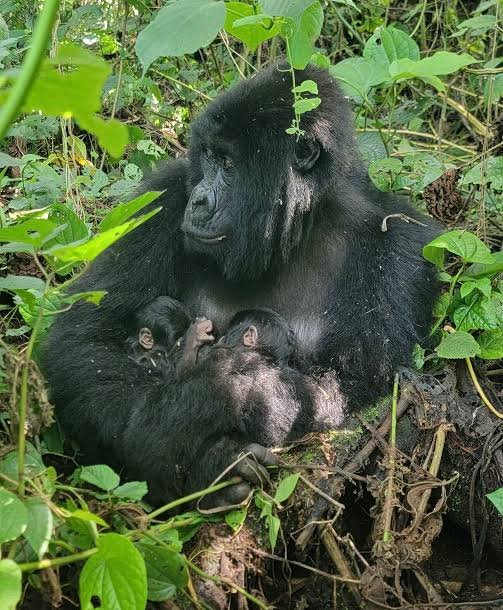
Recap: How to Book Gorilla Trekking Permits in Bwindi
To quickly recap, here’s the shortest path to book gorilla trekking permits in Bwindi without missing a step.
First, choose your sector based on fitness and preference, then confirm exact trek dates before anything else.
Next, submit accurate passport details, since this is the step most travelers rush when moving quickly through the process.
After that, pay your deposit through a verified operator, and keep every document once you book gorilla trekking permits in Bwindi successfully.
Finally, double-check your written confirmation. Getting this step right is what separates a smooth trip from a stressful one when you book gorilla trekking permits in Bwindi for the first time.
Final Tips Before You Book
A successful trek starts with careful planning, well before you ever set foot in the forest itself.
Confirm sector, date, family assignment and total cost in writing before you book gorilla trekking permits in Bwindi with any payment.
Build a realistic itinerary around the date you book gorilla trekking permits in Bwindi, allowing travel time rather than arriving same-day.
Choose an operator who treats the process as a partnership when you book gorilla trekking permits in Bwindi for the first time.
Ready to Book Gorilla Trekking Permits in Bwindi?
Booking correctly, early and through a verified channel removes nearly all the stress from this process.
Tulambule Uganda Safaris Skymate Tours and Travel holds confirmed permit allocations for Bwindi and can handle every step above on your behalf.