7 Essential Things You Need to Trek Uganda’s Gorillas
Gorilla Trekking Requirements cover everything from permits to fitness, gear and health rules you must meet before stepping into Bwindi’s forest.
Standing a few metres from a wild mountain gorilla is unforgettable. But before that moment happens, you need to understand the Gorilla Trekking Requirements that make it possible. Getting these requirements right is what separates a smooth, joyful trek from a stressful, last-minute scramble.
This guide breaks down the Gorilla Trekking Requirements every traveller must meet. We cover permits, age rules, fitness, health, gear, porters, and insurance. By the end, you will know exactly what to prepare and how to do it with confidence.
Whether this is your first African safari or your fifth, these rules remain the same for everyone. No amount of money or connections skips them. Understanding them early is the smartest thing any traveller can do.
Understanding Gorilla Trekking Requirements Before You Book
Mountain gorillas are critically endangered and highly sensitive to human contact. That is why strict Gorilla Trekking Requirements exist. They protect both visitors and the gorilla families they come to see.
Uganda’s parks are not casual walk-in destinations. Every trekker must satisfy a defined set of Gorilla Trekking Requirements before setting foot on the trail. Understanding these rules early saves you time, money, and disappointment later.
These rules are managed by the Uganda Wildlife Authority, the body responsible for conservation across all national parks. They review and adjust the requirements as conditions on the ground change. Staying informed about the latest version is part of responsible travel planning.
Why Gorilla Trekking Requirements Exist
Gorilla Trekking Requirements exist primarily to protect the gorillas themselves. Mountain gorillas share close to 98 percent of human DNA. This means they can catch human illnesses easily, which is why health rules sit at the centre of every Gorilla Trekking Requirements checklist.
These requirements also protect the trekking experience. Age limits, fitness expectations, and group sizes keep each encounter calm and controlled. Without these Gorilla Trekking Requirements, both the animals and the tourism model that supports conservation would be at risk.
There is also an economic dimension worth noting. Revenue tied to permit fees funds ranger salaries, anti-poaching patrols, and community projects. In this way, every traveller who follows the rules contributes directly to conservation success.
Gorilla Trekking Requirements #1 – Secure a Valid Trekking Permit
The single most important item on any list of Gorilla Trekking Requirements is your permit. Without a valid permit, you cannot legally enter the park or approach a gorilla family. This document is issued by the Uganda Wildlife Authority and tied to a specific date and sector.
Permits must now be paid in full at the time of booking, with no reservation grace period. Because demand outpaces supply, this step should be handled six to ten months before your travel dates. Waiting too long is the most common way travellers fail to meet their Gorilla Trekking Requirements.
Pricing varies depending on your residency status, ranging from roughly 95 US dollars for East African citizens to 800 US dollars for foreign non-residents. Low season discounts are also available during April, May, and November. Factoring permit costs into your budget early keeps this requirement from becoming a last-minute surprise.
Gorilla Trekking Requirements #2 – Meet the Minimum Age Rule
Every visitor must be at least 15 years old to trek. This age rule is non-negotiable and applies across all sectors and parks. It exists to protect both younger travellers and the gorillas from unpredictable behaviour.
Families travelling with younger children should plan alternative activities instead. This is one of the simplest Gorilla Trekking Requirements to confirm, but it is also one that catches unprepared travellers off guard. Always check ages before booking permits for a group.
Tour operators cannot make exceptions to this rule, regardless of a child’s maturity or size. If your family includes younger members, consider pairing your trek with activities such as game drives or cultural visits. That way, everyone stays engaged even if not everyone can join the trek itself.
Gorilla Trekking Requirements #3 – Build Basic Physical Fitness
Trekking through Bwindi’s dense forest can involve steep slopes, thick mud, and several hours of hiking. You do not need to be an elite athlete to meet the fitness-related Gorilla Trekking Requirements. However, a reasonable baseline of stamina makes the day far more enjoyable.
Light cardio training in the weeks before your trip helps considerably. Walking regularly, climbing stairs, and short hikes all build the endurance this step calls for. Be honest with your guide about your fitness level so they can match you to a manageable gorilla family.
Terrain difficulty varies significantly by sector and by where the gorillas happen to be that day. Some treks take barely an hour, while others stretch across most of the day. Preparing your body ahead of time is the most reliable way to enjoy this part of the Gorilla Trekking Requirements rather than dread it.
Gorilla Trekking Requirements #4 – Pass Basic Health Screening
Because gorillas are so vulnerable to human disease, health checks form a core part of the Gorilla Trekking Requirements. Anyone showing symptoms of a cold, flu, or other contagious illness may be asked not to trek that day. This rule protects the entire gorilla family from potential outbreaks.
Rangers conduct a brief visual and verbal check during the morning briefing. Travelling with basic medication and staying well-rested beforehand helps you comfortably clear this step. It is one of the more overlooked rules, yet it carries the most weight for conservation.
If you are turned away on health grounds, most operators will try to rearrange your permit for another date where possible. This is rarely guaranteed, though, which is another reason to treat the health-related Gorilla Trekking Requirements seriously. Resting well in the days leading up to your trek reduces this risk considerably.
Gorilla Trekking Requirements #5 – Pack the Right Gear
Proper gear is a practical but essential part of meeting your Gorilla Trekking Requirements. Sturdy, waterproof hiking boots with good grip are non-negotiable on slippery forest trails. Long trousers, long sleeves and gardening gloves protect you from thorny vegetation along the way.
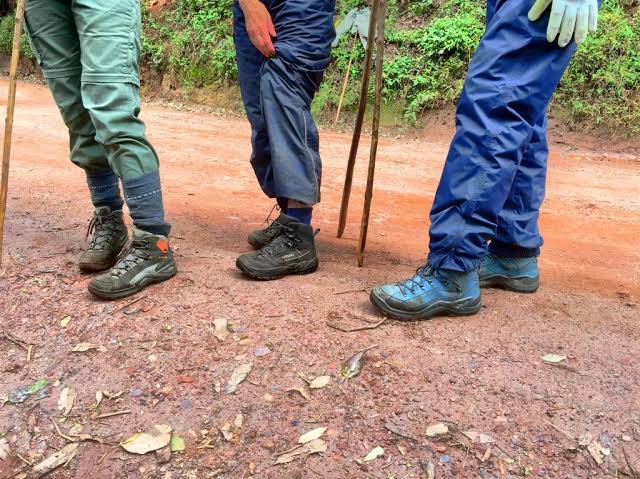
A rainproof jacket is essential regardless of season, since Bwindi’s weather shifts quickly. Insect repellent, sunscreen, and a waterproof bag for your camera round out the list. Porters can carry a walking stick for you, which also helps with the physical demands of the trek.
Packing light matters too, since many domestic flights to trekking regions enforce strict baggage limits. A day pack with water, snacks and a rain cover is usually enough for the trail itself. Getting your gear right in advance means one less thing to worry about on trekking morning.
Gorilla Trekking Requirements #6 – Hire a Porter for Support
Hiring a local porter is strongly recommended, even though it is not always listed among the mandatory Gorilla Trekking Requirements. Porters carry your daypack, offer a steadying hand on steep or muddy sections, and know the terrain intimately. Their support often makes the difference between an exhausting trek and an enjoyable one.
Beyond convenience, hiring a porter supports the local community directly. Many porters are former poachers who now earn a living through tourism instead. Meeting this softer side of the Gorilla Trekking Requirements benefits both you and the people living around the park.
Porter fees are modest, usually arranged on the morning of your trek at the park headquarters. Tipping is customary and appreciated, given the physical demands of the job. Choosing to hire a porter is a small decision that adds real value to your entire trekking experience.
Gorilla Trekking Requirements #7 – Arrange Travel Insurance
Permits are largely non-refundable, which makes travel insurance a practical necessity. Comprehensive insurance covering trip interruption and medical emergencies protects your investment. This final item on the Gorilla Trekking Requirements list is easy to overlook but expensive to skip.
Illness, injury, or unexpected travel disruptions can happen to anyone. Insurance ensures a missed trek does not mean a total financial loss. Treat this as seriously as the other Gorilla Trekking Requirements, since it safeguards everything else you have planned.
Look for a policy that specifically covers high-altitude trekking and emergency evacuation. Standard travel insurance sometimes excludes activities like gorilla trekking, so read the fine print carefully. Confirming this detail before departure closes out your full preparation checklist.
Gorilla Trekking Requirements by Sector
Permits are sector-specific, so your Gorilla Trekking Requirements checklist must include confirming exactly where you are trekking. Bwindi Impenetrable National Park has four sectors: Buhoma, Ruhija, Rushaga, and Nkuringo. Mgahinga Gorilla National Park offers a smaller, quieter alternative near the Virunga Mountains.
Each sector has its own park gate, terrain difficulty, and nearby lodges. Matching your accommodation to the correct gate is part of satisfying your Gorilla Trekking Requirements properly. Booking a lodge hours away from your assigned sector can mean a painfully early start or a missed briefing.
Buhoma tends to offer gentler terrain, while Rushaga and Nkuringo are known for steeper hikes. Ruhija sits at a higher altitude, which can affect fitness demands for some travellers. Discussing sector options with your operator before booking helps align the Gorilla Trekking Requirements with your personal comfort level.
Mistakes That Break Gorilla Trekking Requirements
Even experienced travellers occasionally fall short of their Gorilla Trekking Requirements. The most common error is booking permits too late, especially for peak season dates. Popular sectors can sell out four to six months ahead, leaving latecomers with limited choices.
Ignoring the sector match is another frequent issue. Some travellers underestimate the physical demands of the trek entirely. Others forget travel insurance, only to discover how costly that oversight becomes when plans change unexpectedly.
A less obvious mistake is failing to disclose health symptoms honestly before the trek. Some visitors hope minor symptoms will go unnoticed during the morning briefing. This puts the entire gorilla family at risk and undermines the very purpose behind the Gorilla Trekking Requirements.
Frequently Asked Questions About Gorilla Trekking Requirements
What are the basic Gorilla Trekking Requirements?
The basic Gorilla Trekking Requirements include a valid permit, a minimum age of 15, reasonable fitness, and good health on the day of trekking. Proper gear and, ideally, travel insurance round out the full checklist. Meeting all of these ensures a safe and smooth experience.
How early should I prepare my Gorilla Trekking Requirements?
Most of your Gorilla Trekking Requirements, particularly the permit, should be arranged six to ten months in advance. Fitness preparation can begin a few weeks before departure. Gear and insurance can typically be sorted closer to your travel date.
Can children meet the Gorilla Trekking Requirements?
No. The Gorilla Trekking Requirements set a strict minimum age of 15 years old for all trekkers, and this rule applies across every sector in both Bwindi and Mgahinga. Families with younger children should plan other activities during that portion of the trip.
Do I need a porter to meet the Gorilla Trekking Requirements?
Hiring a porter is not mandatory, but it is highly recommended as part of your broader Gorilla Trekking Requirements. Porters ease the physical demands of the trek and support the local economy. Many guides consider this one of the smartest optional additions to your preparation.
What happens if I fail to meet the Gorilla Trekking Requirements?
Failing to meet health or age-related Gorilla Trekking Requirements usually means being turned away on the day of the trek. Permits in this situation are rarely refunded, which is another reason insurance matters. Preparing carefully in advance is the best way to avoid this outcome entirely.
Meet Your Gorilla Trekking Requirements With Confidence
Understanding and preparing for the full set of Gorilla Trekking Requirements transforms a daunting process into a manageable one. From securing your permit early to packing the right gear, each step plays its part. Health, fitness, and insurance round out a checklist that protects both you and the gorillas.
Once every requirement is in place, all that is left is the trek itself. Few wildlife experiences compare to an hour spent with a habituated gorilla family in the wild. Meeting your Gorilla Trekking Requirements properly is simply the price of admission to that moment.
With the right preparation, the Gorilla Trekking Requirements stop feeling like obstacles and start feeling like a simple checklist. Travellers who plan ahead consistently report smoother, more relaxed experiences overall. That peace of mind is worth the extra effort it takes to get every requirement right.
Ready to Fulfill Your Gorilla Trekking Requirements?
Working through the full set of Gorilla Trekking Requirements alone can feel overwhelming, especially with permits, sectors, and logistics changing often. At Tulambule Uganda Safaris, our team handles every detail for you, from permit bookings to porter arrangements. We make sure you arrive fully prepared and ready for the trek of a lifetime.
Contact Tulambule Uganda Safaris today, and let us guide you through every Gorilla Trekking Requirement so you can focus on the adventure ahead.