Discover the Wild Heart of Northeastern Uganda
A safari in Kidepo Valley National Park takes you far from Uganda’s busy tourist routes and into a landscape where wilderness stretches across vast open plains. Located in the remote northeastern corner of Uganda, Kidepo is famous for its spectacular scenery, diverse wildlife and remarkable sense of isolation. The journey itself becomes part of the adventure as travelers move through northern Uganda and into the Karamoja region, where the landscape gradually changes into dry plains, rugged mountains and open savannah. For travelers looking for more than ordinary game viewing, Kidepo offers a fascinating combination of wildlife, scenery, culture and adventure.
Kidepo Valley National Park is not simply a destination where travelers come to search for famous African animals. It is a place where the landscape is just as important as the wildlife, with wide valleys, distant mountain ranges, seasonal rivers and golden grasslands creating an unforgettable setting. The park’s remote character means that visitors can often enjoy long stretches of wilderness without encountering large numbers of other safari vehicles. This creates a peaceful atmosphere that allows you to observe nature at a slower and more relaxed pace.
For many visitors, the appeal of a Kidepo Valley safari lies in the feeling of discovery. Reaching the park requires more time and planning than visiting some of Uganda’s other national parks, but that distance contributes to its unique character. Once you arrive, the long journey feels worthwhile as you encounter elephants crossing the plains, giraffes feeding among scattered trees, buffaloes gathering around water and predators moving through the grasslands.
Where Is Kidepo Valley National Park?
Kidepo Valley National Park is located in northeastern Uganda within the remote Karamoja region. It lies close to Uganda’s international borders with South Sudan and Kenya, giving the park a distinctive geographical position and a landscape that differs considerably from many other parts of the country. Covering approximately 1,442 square kilometres, the park contains vast savannah plains, rugged mountains, valleys, rocky outcrops and seasonal rivers that support a remarkable variety of wildlife.
The park is mainly defined by two important valleys: the Kidepo Valley and the Narus Valley. These landscapes have different characteristics and provide visitors with varied opportunities for wildlife viewing, photography and exploration. The Narus Valley is particularly important during dry periods because its water sources attract animals from surrounding areas, while the Kidepo Valley offers a more remote atmosphere with broad sandy riverbeds and open scenery.
The location of Kidepo is one of its greatest attractions because it has helped preserve the park’s wilderness character. Unlike more accessible destinations that can become busy during peak safari seasons, Kidepo generally provides a quieter experience. Travelers who make the journey can therefore enjoy the landscape, wildlife and silence without constantly feeling surrounded by other visitors.
What Makes Kidepo Valley National Park Special?
What makes Kidepo special is the combination of wilderness, wildlife and scenery found within a relatively remote part of Uganda. The park has vast open landscapes where golden grasslands stretch toward distant mountains, creating a classic African safari atmosphere. The absence of heavy development across much of the landscape makes the experience feel natural and immersive, particularly during early morning and late afternoon when the light transforms the scenery.
Kidepo also supports a remarkable collection of wildlife species, including animals that are less commonly encountered in other Ugandan parks. Visitors may encounter elephants, buffaloes, lions, leopards, cheetahs, giraffes, zebras, hyenas and several species of antelope. The diversity of habitats within the park means that every game drive can reveal something different, and even familiar animals can appear in completely new surroundings.
Beyond wildlife, Kidepo provides opportunities to learn about the cultural heritage of the Karamoja region. Communities living around the park have distinctive traditions, lifestyles and relationships with the environment. Combining wildlife viewing with cultural experiences allows visitors to understand that Kidepo is not only a protected area but also part of a wider landscape where people and nature have interacted for generations.
The Spectacular Landscape of Kidepo
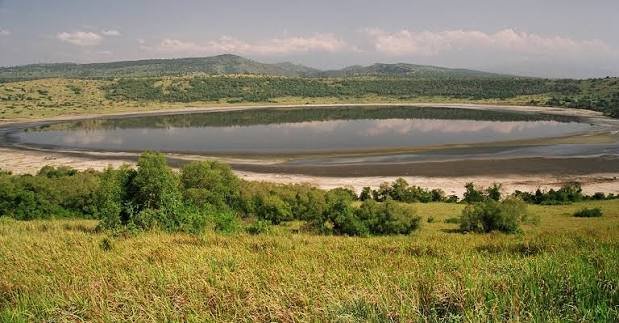
The scenery is one of the first things visitors notice when they arrive in Kidepo Valley National Park. Broad savannah plains dominate the valleys, while mountains and rocky formations rise dramatically in the distance. During the dry season, the grasslands often take on golden and brown shades, creating the kind of dramatic African landscape that has inspired generations of wildlife photographers and travelers.
The Narus Valley is one of the most important areas in the park because of its water availability. During dry periods, wildlife can concentrate around the valley as animals search for drinking water and grazing opportunities. This creates excellent conditions for observing large herds and predators while also providing opportunities to photograph animals against the beautiful mountain backdrop.
The Kidepo Valley has a different character and often feels even more remote. The seasonal Kidepo River creates broad sandy channels that can remain dry for long periods before filling during the rains. These riverbeds contribute to the area’s distinctive scenery and provide a wonderful setting for travelers who enjoy landscapes as much as wildlife.
Mount Morungole and the surrounding mountain ranges add another dramatic element to the landscape. Their presence creates striking views across the plains and provides a visual reminder of the rugged geography of northeastern Uganda. Watching the sunrise or sunset over these mountains can be one of the most memorable moments of a Kidepo safari.
Wildlife in Kidepo Valley National Park
Wildlife is at the heart of most visits to Kidepo, and the park supports more than 77 mammal species. Its combination of open grasslands, woodland, valleys and mountainous terrain creates habitats for a wide variety of herbivores, predators and smaller animals. The park is particularly attractive to travelers who want to experience wildlife in a spacious and relatively uncrowded environment.
One of the best ways to appreciate Kidepo’s wildlife is to avoid thinking of the safari as simply a search for a list of famous animals. The experience is also about observing animal behavior, understanding how different species interact and appreciating the landscape in which they live. A skilled guide can make this experience much more meaningful by explaining tracks, calls, feeding patterns and other signs of wildlife.
Wildlife sightings naturally vary according to season, weather, water availability and animal movements. Some days may produce spectacular encounters with large herds and predators, while other drives may be quieter but reveal interesting birds, smaller mammals and beautiful landscapes. This unpredictability is part of what makes genuine wilderness exploration so rewarding.
Elephants
Elephants are among the most impressive animals you may encounter during a safari in Kidepo Valley National Park. They can be seen moving across the grasslands, feeding on trees and shrubs, or approaching water sources during the hotter parts of the day. Their enormous size makes them easy to notice, but observing their behavior and social interactions makes the experience even more fascinating.
Seeing a herd of elephants moving across the open savannah with mountains in the background creates a spectacular wildlife scene. Families may walk together while younger elephants remain close to adults, and the herd can sometimes disappear into the vegetation almost as quickly as it appeared. These encounters provide excellent opportunities for photography while also demonstrating the importance of protecting Kidepo’s habitats.
Because elephants can travel considerable distances in search of food and water, sightings can vary from one day to another. Experienced guides understand the park and can identify areas where wildlife activity is likely to be higher. Nevertheless, patience remains important because wildlife moves according to natural conditions rather than a visitor’s schedule.
Buffaloes
Buffaloes are another major attraction in Kidepo and can sometimes be seen in large herds across the savannah. Their powerful bodies and dark appearance make them particularly striking against the golden grasslands, especially during the dry season. Large groups may gather in areas where grazing is good or where water is available.
The Narus Valley can be especially rewarding for buffalo viewing during dry periods because animals may concentrate around its water sources. Watching a large herd move slowly across the landscape gives visitors a strong sense of the scale of the ecosystem and the abundance of herbivores that support its predators.
Buffaloes are also an important part of the food chain and can attract lions and other predators. This means that a buffalo sighting can sometimes lead to additional wildlife encounters. Your guide may therefore spend time observing the herd and surrounding area rather than immediately moving on.
Lions
Lions are among the most sought-after predators during a Kidepo Valley safari. The park’s extensive grasslands and abundance of herbivores provide suitable conditions for these iconic cats. Lions may be found resting under trees during the heat of the day or becoming more active during the cooler morning and evening hours.
A lion sighting can be particularly impressive in Kidepo because of the surrounding landscape. Watching a lion lying beneath a tree with mountains and open plains behind it creates a scene that feels quintessentially African. If you are lucky, you may also observe a pride interacting, moving together or searching for prey.
Wildlife encounters should always be approached with patience and respect. Guides understand how close vehicles should remain and how to position them without disturbing the animals. This allows visitors to enjoy excellent sightings while minimizing the impact on wildlife.
Leopards
Leopards are among the more elusive predators in Kidepo and can require patience to find. Their ability to remain hidden in trees, rocky areas and vegetation means that they may be present even when visitors cannot immediately see them. Experienced guides often rely on tracks, recent sightings and knowledge of leopard behavior when searching for these secretive cats.
Finding a leopard can therefore feel like solving a wildlife puzzle. A guide may suddenly stop the vehicle after noticing tracks or movement that most visitors would have missed. The anticipation of discovering what is hidden nearby can make the search just as exciting as the eventual sighting.
When a leopard is found, visitors should take time to observe its behavior rather than focusing only on taking photographs. Whether it is resting in a tree, watching the surrounding plains or moving quietly through the vegetation, each encounter offers a fascinating glimpse into the life of one of Africa’s most adaptable predators.
Cheetahs
Cheetahs are another exciting species associated with the open landscapes of Kidepo Valley National Park. Their slender bodies and extraordinary speed make them among the most distinctive predators in the region. The park’s broad grasslands provide suitable terrain for hunting, although sightings depend on natural movements and cannot be guaranteed.
Searching for cheetahs adds another dimension to game drives because these predators behave differently from lions and leopards. They rely heavily on speed and often need open space to pursue prey. A sighting across the plains can therefore be particularly impressive when viewed from a safe distance.
For wildlife photographers and predator enthusiasts, finding a cheetah can become one of the highlights of a Kidepo safari. However, the true value of the experience lies in observing the animal naturally rather than expecting a guaranteed encounter.
Giraffes
Giraffes are among the most recognizable animals in Kidepo and can often be spotted standing above the vegetation. Their height allows them to browse leaves from trees and shrubs that are inaccessible to many other herbivores. Their slow, graceful movements create wonderful photographic opportunities against the open savannah.
Kidepo is particularly important for Rothschild’s giraffes, making sightings of these animals especially meaningful from a conservation perspective. Watching a giraffe move across the plains with a mountain range in the background is one of the simple but unforgettable moments that make a visit worthwhile.
Giraffes can sometimes be seen alone, in small groups or alongside other herbivores. Their presence adds to the diversity of the landscape and demonstrates how different species use the same environment in different ways.
Zebras
Zebras are another familiar sight across the park’s open grasslands. Their contrasting black-and-white patterns stand out against the golden vegetation, creating excellent opportunities for wildlife photography. Herds can often be seen grazing peacefully or moving across the plains.
Zebra behavior becomes particularly interesting when predators are nearby. Lions and other carnivores may monitor herds of grazing animals, while zebras remain alert to potential threats. A good guide can help visitors understand these interactions without interfering with them.
For photographers, zebra herds are especially attractive during early morning and late afternoon when the softer light emphasizes their patterns. The combination of animals, grasslands and mountains can produce some of the most memorable images from a Kidepo Valley National Park Uganda safari.
Antelopes
Kidepo is home to a variety of antelope species, making it an excellent destination for travelers who want to explore wildlife beyond the famous Big Five. Species such as eland, oribi, klipspringer and Jackson’s hartebeest occupy different habitats across the park.
Some antelopes are easier to spot in open grasslands, while others prefer rocky areas or thicker vegetation. This variety encourages visitors to pay close attention to the landscape rather than focusing only on large animals.
Learning to identify different antelope species can make game drives much more rewarding. Your guide can explain differences in body shape, horns, behavior and habitat, helping you appreciate the smaller details of Kidepo’s wildlife community.
Birds of Kidepo Valley National Park
Kidepo is also a rewarding destination for birdwatchers, with more than 476 recorded bird species in the park. The variety of habitats, including grasslands, woodland, valleys and mountainous areas, creates suitable conditions for a diverse bird population.
One of the most distinctive birds associated with Kidepo is the ostrich. The park is well known for its wild ostriches, which can sometimes be seen walking across open plains. Their large size and unusual appearance make them an exciting sight even for travelers who are not specialist birdwatchers.
Other notable species include secretary birds, Kori bustards, pygmy falcons, vultures, hornbills and various birds of prey. Some species associated with the northeastern region are particularly interesting to birders who want to add less commonly seen birds to their Uganda list.
Birdwatching can easily be combined with game drives. Carrying binoculars and allowing your guide to stop occasionally for bird identification can reveal a completely different side of the ecosystem. The sounds and movements of birds also add atmosphere to the wilderness experience.
Things to Do in Kidepo Valley National Park
Although wildlife viewing is the main attraction, there are several activities that can make a visit to Kidepo more varied. Combining different experiences allows travelers to appreciate the park from different perspectives rather than spending every day inside a safari vehicle.
Game drives provide the main wildlife experience, while walking allows visitors to notice smaller details such as tracks, plants and insects. Cultural experiences introduce travelers to communities in the surrounding region, while hiking provides opportunities to explore the mountains and enjoy panoramic views.
The activities available during your visit can depend on current park regulations, weather conditions and the arrangements made by your tour operator. It is therefore important to plan activities with qualified guides and follow all safety requirements.
Game Drives
Game drives are the main activity for visitors exploring Kidepo Valley National Park. They provide access to large areas of the park and allow travelers to search for wildlife across different habitats. Morning drives are particularly enjoyable because temperatures are cooler and many animals are active after the night.
Afternoon drives provide another opportunity to explore before sunset. During these hours, temperatures begin to fall and wildlife may become more active again. The changing light also creates excellent opportunities for photography, especially across the open grasslands and mountain landscapes.
The Narus Valley is one of the most productive areas for wildlife viewing, particularly during dry conditions. The Kidepo Valley offers a more remote experience and is especially appealing to travelers interested in scenery and ostrich sightings.
Walking Safaris
Walking through the wilderness provides an entirely different perspective from a vehicle-based safari. Without the protection and height of a safari vehicle, visitors become more aware of sounds, smells, plants, insects and animal tracks. Even small details can become fascinating discoveries.
Walking also allows travelers to appreciate the landscape at a slower pace. A guide can explain how different plants are used by wildlife, how animals move through the area and how to recognize signs left behind by different species.
Because Kidepo is a genuine wilderness area, walking activities should always follow the park’s regulations and be undertaken with the appropriate authorized guide or ranger. Safety should always remain the priority.
Hiking Mount Morungole
Mount Morungole is one of the most prominent geographical features around Kidepo. Rising dramatically above the surrounding landscape, the mountain provides an opportunity for travelers who want to combine wildlife with physical adventure.
Hiking in the area can provide impressive panoramic views across the surrounding landscape. It also creates an opportunity to understand the relationship between the mountain environment and communities living in the region.
The area around Mount Morungole is associated with the Ik people, making a mountain experience potentially much more than a physical activity. Travelers can learn about local history, traditions and ways of life while exploring the landscape.
Birdwatching
Birdwatching can be incorporated into ordinary game drives or planned as a specific activity. Early mornings are especially rewarding because birds tend to be more active during cooler hours, while the quieter environment makes their calls easier to hear.
A knowledgeable guide can help identify birds based on their appearance, calls, behavior and habitat. This can transform a simple drive into a fascinating lesson about Kidepo’s ecosystem.
Even travelers who are not serious birders can enjoy the activity. Carrying binoculars and taking time to stop for interesting species adds variety to a wildlife-focused itinerary.
Cultural Experiences
A visit to Kidepo can be enriched by learning about the cultural heritage of the Karamoja region. The Karamojong are traditionally pastoralist communities with strong connections to cattle, land and community life.
Cultural visits may provide opportunities to learn about traditional homes, music, dance, crafts, storytelling and everyday activities. These experiences allow travelers to see the region beyond its wildlife and understand the people who have lived alongside its changing environment.
The Ik people, who live in the mountainous areas around Mount Morungole, offer another important cultural perspective. Their history and relationship with the surrounding environment provide valuable insight into the cultural diversity of northeastern Uganda.
Cultural tourism should always be approached respectfully. Visitors should use legitimate community tourism initiatives, listen to local guides and ask permission before taking photographs of people or entering private spaces.
Sundowners and Bush Experiences
Some safari lodges and tour operators provide special experiences such as bush breakfasts and sundowners. These activities offer a chance to enjoy the landscape without focusing entirely on wildlife sightings.
A sundowner can be a particularly memorable way to finish the day. Sitting in a safe location while the sun disappears behind distant mountains and the savannah changes color creates an atmosphere that is difficult to reproduce elsewhere.
Bush breakfasts provide another opportunity to experience the wilderness during the early morning. Enjoying a meal surrounded by open landscapes and natural sounds can become one of the most relaxing moments of your trip.
Best Time for a Safari in Kidepo Valley National Park
The best time for a safari in Kidepo Valley National Park depends on your interests and the type of experience you want. The dry and wet seasons offer different advantages, so travelers should consider wildlife viewing, photography, birdwatching, road conditions and crowd levels before choosing when to visit.
The drier periods are generally popular for wildlife viewing because vegetation becomes thinner and animals may gather around reliable water sources. The Narus Valley can become particularly productive during these periods because water attracts large numbers of herbivores and predators.
The wetter periods transform the appearance of the park. Rain brings fresh vegetation, making the landscape greener and more vibrant. Bird activity can also increase, providing excellent opportunities for birdwatchers and photographers who enjoy lush scenery.
Travelers who prefer fewer visitors may appreciate the wetter months. Although wildlife can sometimes be more dispersed, the peaceful atmosphere, green landscapes and dramatic skies can make this an excellent time for a more relaxed experience.
Getting to Kidepo Valley National Park
Kidepo’s remote location is part of its charm, but reaching the park requires careful planning. Travelers generally choose between road and air travel, depending on their available time, budget and preferred style of adventure.
Traveling by road provides a chance to experience more of Uganda along the way. The journey can pass through northern Uganda before continuing into the Karamoja region, where the landscape becomes increasingly dry and rugged.
Flying is a more convenient option for travelers with limited time. Scheduled and charter flights can significantly reduce travel time and allow visitors to spend more days enjoying the park instead of sitting on the road.
By Road
Traveling by road to Kidepo is an adventure in itself. The journey from Kampala is long, so it is better to plan a multi-day itinerary rather than attempting to travel there and back in a rushed schedule.
The route allows travelers to see Uganda changing from one region to another. You can experience different landscapes, communities and towns before eventually reaching the remote savannah of Karamoja.
Road conditions can vary depending on the season, and some sections may become challenging after heavy rainfall. A reliable safari vehicle, experienced driver and proper planning are therefore essential for a comfortable journey.
By Air
Flying is the fastest way to reach the Kidepo region and is particularly useful for travelers with limited vacation time. Scheduled or charter flights can connect travelers from Entebbe or other safari destinations to airstrips serving the park.
Although flights generally cost more than road travel, they can save many hours and make it easier to include Kidepo in a longer Uganda itinerary. This is particularly attractive to luxury travelers, photographers and visitors combining several destinations.
Before booking a flight, travelers should confirm the available schedule, luggage requirements, transfer arrangements and airstrip details. Your tour operator can normally coordinate these arrangements as part of the safari package.
Accommodation in Kidepo Valley National Park
Choosing the right accommodation can make a significant difference to your experience. Kidepo has a selection of lodges, camps and other accommodation options that cater to different budgets and travel styles.
Luxury travelers may prefer properties that provide high levels of comfort and exclusive wilderness experiences. Travelers on a moderate budget can choose comfortable safari camps, while budget-conscious visitors may prefer more basic facilities.
Because accommodation options in this remote destination are more limited than in some other Ugandan parks, it is advisable to book in advance. Always confirm current rates, facilities, location and availability before finalizing your itinerary.
Apoka Safari Lodge
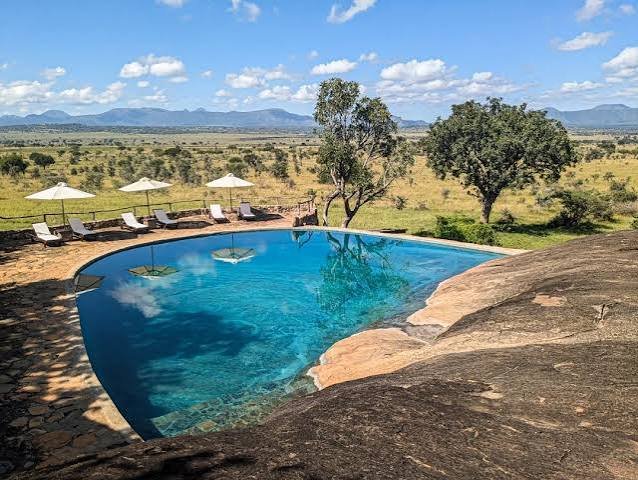
Apoka Safari Lodge is one of the best-known luxury accommodation options associated with Kidepo. Its wilderness setting allows guests to enjoy a strong connection with the surrounding landscape while staying in a comfortable and exclusive environment.
The lodge is particularly suitable for travelers seeking a premium safari experience. Its setting complements the atmosphere of Kidepo, allowing visitors to continue enjoying the wilderness even when they are relaxing at their accommodation.
For honeymooners, couples and travelers looking for a luxury safari, Apoka can provide a memorable base for exploring the park. Availability and rates should be confirmed directly when planning a trip.
Kidepo Savannah Lodge
Kidepo Savannah Lodge provides a more affordable safari accommodation experience while retaining the atmosphere of the surrounding wilderness. It can be suitable for travelers who want comfort without necessarily choosing the most luxurious option available.
Its location provides convenient access to the park and allows guests to enjoy views of the surrounding landscape. The safari setting also complements the overall experience of exploring Kidepo.
Travelers should confirm the current accommodation types, facilities, rates and access arrangements before booking, as these can change over time.
Nga’Moru Wilderness Camp
Nga’Moru Wilderness Camp offers another option for travelers looking for a quieter and more intimate safari atmosphere. Its setting allows guests to remain closely connected to the surrounding landscape while enjoying basic comforts.
The camp can be particularly appealing to visitors who prefer smaller properties rather than larger hotels. Its wilderness character fits naturally with the remote atmosphere that defines Kidepo.
As with any accommodation in the region, travelers should check current availability and facilities before making their reservations.
Adere Safari Lodge
Adere Safari Lodge provides another accommodation choice in the Kidepo area. It offers comfortable facilities for travelers who want to explore the park while staying in a lodge environment.
The property can be considered by travelers looking for a convenient base before and after their game drives. Its facilities and location should be assessed according to your specific safari itinerary.
Because accommodation options can change, it is always advisable to confirm current information directly with the property or through your tour operator.
Apoka Rest Camp
Apoka Rest Camp provides a more basic accommodation option for travelers who want to manage their safari budget carefully. It can appeal to visitors who prefer spending more of their budget on activities, transportation and wildlife experiences.
The simpler style of accommodation can also appeal to adventurous travelers who want to spend as much time as possible experiencing the park rather than focusing on luxury facilities.
Travelers should confirm current accommodation arrangements, availability and booking procedures before their journey.
What to Pack for Your Kidepo Safari
Packing properly can make your trip much more comfortable, particularly because Kidepo’s climate can be hot during the day while mornings and evenings may feel cooler. Lightweight, breathable clothing is useful for daytime activities, while a light sweater or jacket can be valuable during early morning game drives.
Comfortable shoes are important if you plan to participate in walking activities or hiking. A wide-brimmed hat, sunglasses and sunscreen can help protect you from the strong sun, while insect repellent can make outdoor activities more comfortable.
You should also carry binoculars because wildlife may sometimes be some distance away from the vehicle. A camera, spare batteries, power bank and sufficient memory cards are useful for travelers who want to photograph the wildlife and spectacular scenery.
Other useful items include a reusable water bottle, personal toiletries, necessary medication, rain protection and a small day bag. Packing light but thoughtfully is usually better than carrying unnecessary items, particularly if you are using a small safari vehicle or domestic flight.
How Many Days Do You Need in Kidepo?
A three-day visit can provide a useful introduction to Kidepo, but four or more days allow travelers to explore the park at a more relaxed pace. The longer you stay, the more opportunities you have for different wildlife encounters and activities.
Travelers driving from Kampala should consider adding additional days because of the long journey. Spending several hours driving to the park and immediately returning can make the experience unnecessarily tiring.
A longer stay also allows you to combine game drives with cultural visits, birdwatching, hiking or other wilderness experiences. You do not have to spend every day searching for animals from morning until evening.
For example, one day can focus on the Narus Valley, another can explore the Kidepo Valley, while another can be dedicated to cultural experiences or a mountain activity. This creates a more balanced itinerary and gives you time to appreciate the destination properly.
Combining Kidepo with Other Uganda Destinations
A Kidepo Valley National Park safari can form part of a much longer Uganda itinerary. Combining several destinations allows travelers to experience the country’s remarkable variety of landscapes, wildlife and ecosystems.
Murchison Falls National Park is a popular addition for travelers interested in savannah wildlife and dramatic scenery. The powerful Murchison Falls and Victoria Nile provide attractions that contrast beautifully with the open landscapes of Kidepo.
Queen Elizabeth National Park offers another distinctive experience, particularly around the Kazinga Channel, where visitors can enjoy boat trips and wildlife viewing. The park’s diverse habitats also support large numbers of mammals and birds.
Kibale National Park is ideal for travelers interested in chimpanzee trekking and primate experiences, while Bwindi Impenetrable National Park is famous for mountain gorilla trekking. Combining these destinations with Kidepo can create an extensive Uganda adventure covering savannah, forest, mountains, primates, wildlife and culture.
Responsible Tourism in Kidepo
Protecting Kidepo requires cooperation between wildlife authorities, communities, tourism businesses and visitors. Every traveler has a responsibility to minimize their impact and help preserve the park for future generations.
Visitors should follow all park regulations, maintain a safe distance from animals and avoid making unnecessary noise. Feeding wildlife, littering or attempting to attract animals for photographs can interfere with natural behavior and should never be encouraged.
Cultural visits also require respect and sensitivity. Travelers should listen to local guides, ask permission before photographing people and avoid treating cultural traditions as entertainment without understanding their meaning.
Supporting local guides, community tourism initiatives and locally owned businesses can help ensure that tourism contributes to communities living around the park. Responsible tourism therefore benefits both conservation and the people whose lives are connected to the destination.
Photography During a Kidepo Safari
Kidepo is an outstanding destination for photographers because it combines wildlife with dramatic landscapes. The open plains provide opportunities to photograph animals within their natural surroundings rather than capturing only close-up portraits.
An elephant walking across a golden plain, a giraffe standing beneath a tree or a herd of buffalo moving toward water can create powerful images. The mountains in the background provide additional depth and make many photographs distinctly different from those taken in other Ugandan parks.
Early morning and late afternoon are particularly attractive for photography because the softer light can enhance the colors and textures of the landscape. Sunrise and sunset can also produce dramatic silhouettes across the valleys and mountains.
However, wildlife welfare should always come before photography. Visitors should never pressure drivers to get dangerously close to animals or disturb wildlife simply to obtain a better photograph. Patience and respect usually produce the most meaningful images.
Why Choose Kidepo for Your Uganda Safari?
There are many reasons to choose Kidepo for your next Uganda safari. For some travelers, the main attraction is the wildlife, while others are drawn by the landscape, cultural experiences or opportunity to explore a destination away from the crowds.
The park provides a genuine sense of wilderness that can be difficult to find in more heavily visited destinations. Its remote location means that the journey itself becomes part of the adventure, while the relatively low number of visitors creates a more peaceful atmosphere once you arrive.
The wildlife diversity is another major advantage. Elephants, buffaloes, giraffes, zebras, lions, leopards, cheetahs and numerous antelope species provide plenty to discover during game drives. Birdwatchers can also enjoy an impressive range of species, including wild ostriches.
The cultural dimension makes the destination even more rewarding. Learning about the Karamojong, the Ik and other communities in the region provides a deeper understanding of northeastern Uganda and demonstrates that the area is much more than a wildlife destination.
Most importantly, Kidepo rewards travelers who are willing to slow down and appreciate the journey. It is a place where the landscape, wildlife, people and silence all become part of the adventure.
Frequently Asked Questions About Kidepo Valley National Park
Is Kidepo Valley National Park worth visiting?
Yes, Kidepo Valley National Park is worth visiting for travelers who appreciate spectacular scenery, diverse wildlife, cultural experiences and relatively uncrowded safari environments. The park offers a different atmosphere from many of Uganda’s more accessible destinations because of its remote location and vast open landscapes.
The journey requires more planning, particularly for travelers traveling by road, but the experience can be highly rewarding. Those who want a genuine wilderness adventure rather than a quick wildlife stop will find Kidepo particularly appealing.
What animals can I see in Kidepo Valley National Park?
Visitors may encounter elephants, buffaloes, lions, leopards, cheetahs, giraffes, zebras, hyenas and several species of antelope. The park also supports a variety of smaller mammals and an impressive selection of birds.
Wildlife sightings depend on the season, weather, availability of water and natural animal movements. This means that every game drive is different, and patience is an important part of the safari experience.
Is Kidepo good for birdwatching?
Yes, Kidepo is an excellent birdwatching destination, with more than 476 recorded species. The park’s varied habitats support birds associated with savannah, woodland, dry environments and mountainous areas.
Wild ostriches are among the most distinctive birds associated with Kidepo. Other species of interest include secretary birds, Kori bustards, pygmy falcons and several birds of prey.
What is the best time for a Kidepo safari?
The drier periods are generally popular for wildlife viewing because vegetation becomes thinner and animals may concentrate around reliable water sources. The Narus Valley can be especially productive during these conditions.
However, the wetter periods have their own advantages, including greener landscapes, fewer visitors and increased bird activity. The best season ultimately depends on whether your priority is wildlife viewing, photography, birdwatching or a quieter experience.
How long should I spend in Kidepo?
Three days can provide a good introduction to the park, but four or more days allow you to explore more comfortably. A longer stay gives you opportunities to visit different areas and participate in several activities.
If you are traveling by road from Kampala, you should consider adding more time because of the distance involved. A carefully planned itinerary will make the journey much more enjoyable.
Can Kidepo be combined with other national parks?
Yes, Kidepo can be combined with several other destinations in Uganda. Depending on your available time, you can include Murchison Falls, Queen Elizabeth, Kibale, Bwindi and other attractions.
Combining destinations allows you to experience different ecosystems, from the open savannah of Kidepo to the forests of Kibale and Bwindi. It can also provide opportunities for chimpanzee trekking, gorilla trekking, boat trips and additional wildlife viewing.
Is Kidepo suitable for families?
Kidepo can be suitable for families when the itinerary is planned around travel time, accommodation and the ages of the children. Families should consider the long road journey carefully and may prefer flying if they want to reduce travel time.
Parents should also discuss activity requirements with their tour operator before booking walking or hiking experiences. Choosing comfortable accommodation and allowing enough rest time can make the experience more enjoyable for everyone.
Final Thoughts
A safari in Kidepo Valley National Park is an opportunity to experience Uganda from a completely different perspective. It takes travelers away from the country’s more familiar tourist routes and into a landscape defined by open plains, rugged mountains, seasonal valleys, abundant wildlife and rich cultural heritage.
The journey itself becomes part of the story as the landscape changes from the greener areas of central and northern Uganda to the dry and dramatic scenery of Karamoja. By the time you reach Kidepo, the feeling of entering a remote wilderness is unmistakable.
Inside the park, every day brings new possibilities. You might find elephants moving across the plains, buffaloes gathering around water, giraffes feeding among trees or lions resting in the shade. On another drive, the highlight might be a rare bird, a beautiful mountain view or a cultural encounter outside the park.
Yet Kidepo is about more than wildlife sightings. It is about the silence of the wilderness, the enormous sense of space, the changing colors of the landscape and the opportunity to experience a part of Uganda that remains relatively untouched by mass tourism.
For travelers searching for adventure, wildlife, culture and spectacular scenery, Kidepo Valley National Park Uganda deserves serious consideration. The journey may require more time and preparation than some other safari destinations, but that remoteness is exactly what gives Kidepo its extraordinary character.
Kidepo is not simply somewhere you visit to tick animals off a list. It is a destination where the journey, landscape, wildlife and people come together to create an experience that stays with you long after you leave.
Plan Your Safari in Kidepo Valley National Park
Ready to discover the untamed wilderness of northeastern Uganda? Whether you are planning a Kidepo safari, a luxury wildlife holiday, a family adventure, a photography trip or a longer Uganda itinerary, careful planning will help you get the most from your experience.
Choosing the right season, accommodation, transportation and activities can make your journey more comfortable and enjoyable. A well-planned itinerary can also allow you to combine Kidepo with other spectacular destinations across Uganda.
Contact us today to plan your unforgettable safari in Kidepo Valley National Park and discover the wildlife, landscapes and cultural experiences of Uganda’s untamed wilderness.