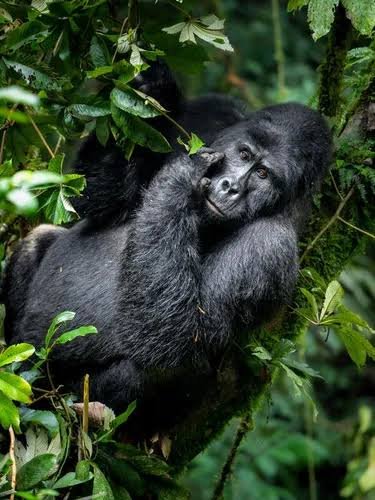
Once a year, the green slopes beneath the Virunga volcanoes in northwestern Rwanda fill with presidents, conservationists, celebrities, and thousands of ordinary travelers, all gathered for a single purpose: giving names to the newest members of one of the world’s most endangered great ape populations. Kwita Izina 2026 marks the twenty first edition of this remarkable ceremony, and for anyone planning a Rwanda trip this year, timing a visit around it turns an already extraordinary gorilla trekking holiday into something considerably richer.
Few countries anywhere in the world have turned a species recovery story into a genuine annual celebration quite the way Rwanda has, and attending in person offers a window into that story that a standard trekking permit alone cannot fully provide. This guide walks through everything you need to know about attending Kwita Izina 2026, from the exact date and location to how to combine the ceremony with gorilla trekking and the rest of what Rwanda has to offer.
What Is Kwita Izina 2026
Kwita Izina 2026 takes place on Friday the fourth of September at Kinigi in Musanze District, at the foothills of Volcanoes National Park, home to Rwanda’s population of mountain gorillas. The phrase itself comes from Kinyarwanda and simply means to give a name, drawing on a centuries old Rwandan tradition in which families gather to formally name a newborn child in front of relatives and friends.
Rwanda adapted that tradition in 2005 into an annual ceremony for baby mountain gorillas born in the preceding twelve months, turning what began as a modest conservation initiative into one of the continent’s most recognized cultural and environmental events.
This year’s ceremony carries genuine significance for the country’s conservation story. Kwita Izina 2026 will see twenty two baby gorillas named, bringing the total number of mountain gorillas named since the programme began to four hundred and sixty. Held under the theme Conservation is Life, Sustaining the Future, this year’s edition reflects Rwanda’s ongoing effort to demonstrate that protecting an endangered species and building a thriving tourism economy are not competing goals but complementary ones.
The History and Meaning Behind the Ceremony
Understanding why Kwita Izina 2026 matters requires a little background on how the tradition began. For three decades before the first official ceremony, park rangers and researchers quietly named baby gorillas themselves as part of routine efforts to monitor individual animals and their family groups. In 2005, Rwanda formalized that practice into a public ceremony, transforming a practical conservation tool into a celebration that draws global attention to the mountain gorilla’s fragile recovery.
The results speak for themselves. Mountain gorillas remain the only great ape species anywhere in the world with a population that continues to grow, a turnaround credited in large part to Rwanda’s investment in veterinary care, anti-poaching patrols, habitat protection, and community development programmes surrounding Volcanoes National Park. Kwita Izina 2026 exists as both a celebration of that progress and a reminder that the work is far from finished, since threats like habitat loss and disease remain very real for a species confined to a narrow strip of high altitude forest.
What to Expect at Kwita Izina 2026
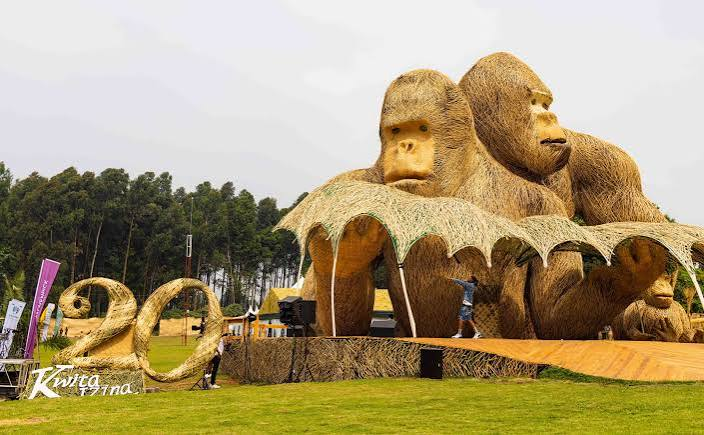
Kwita Izina 2026 unfolds as a genuinely elaborate public event, not a quiet scientific formality. Namers, a group typically drawn from conservationists, business leaders, athletes, entertainers, and public figures from Rwanda and abroad, take turns giving names to each of the twenty two gorilla infants, often chosen to reflect the animal’s personality, circumstances of birth, or broader conservation themes. The ceremony itself is performed atop a specially built bamboo structure symbolizing a silverback gorilla, with cultural dance, music, and storytelling woven throughout the proceedings.
Beyond the naming itself, Kwita Izina 2026 includes a full week of surrounding activities designed to deepen the experience for visitors. A conservation exhibition runs in Kinigi from late August through the ceremony itself, showcasing Rwanda’s decades long gorilla conservation journey through photography, research, and community stories. Screenings of A Gorilla Story take place in both Kigali and Musanze in the days before the main event, while international travel trade and media familiarisation trips bring tour operators and journalists into the region to experience the full programme firsthand. The following evening, a Kwita Izina Concert at BK Arena in Kigali extends the celebration into the capital, giving visitors who cannot make it to Kinigi itself a chance to be part of the wider festivities.
Attending the Ceremony: Practical Details
Kwita Izina 2026 is free and open to the public, which makes it one of the more accessible major events on Rwanda’s annual calendar, though space at the ceremony ground in Kinigi is genuinely limited given the scale of interest each year. Arriving early on the morning of the ceremony matters enormously for anyone hoping to secure a good vantage point, since the event regularly draws tens of thousands of attendees, including large numbers of local community members from villages surrounding Volcanoes National Park.
Because Kwita Izina 2026 draws such a concentrated wave of visitors to Musanze District over a short period, trekking permits and accommodation in the region tend to sell out faster than usual during ceremony week. Travelers hoping to combine the naming ceremony with gorilla trekking should book both permits and lodging well in advance, ideally several months ahead of the September date, since the appeal of pairing Kwita Izina 2026 with a trek in the same trip has grown considerably in recent years as word has spread among international travelers.
Where to Stay Near Kwita Izina 2026
Musanze town and the surrounding Kinigi area offer a range of accommodation options for travelers attending Kwita Izina 2026, from more affordable guesthouses in Musanze itself to some of the most celebrated luxury lodges in East Africa positioned closer to the park boundary. Singita Kwitonda, Bisate Lodge, and One&Only Gorilla’s Nest rank among the best known upscale properties near Volcanoes National Park, each offering direct views of the volcanoes and easy access to both the ceremony grounds and gorilla trekking trailheads.
Given how quickly availability tightens during ceremony week, booking accommodation well ahead of Kwita Izina 2026 is essential, particularly for travelers hoping to secure one of the premium lodges near the park rather than settling for whatever remains closer to the date. Working with an experienced local operator to coordinate accommodation, trekking permits, and ceremony logistics together removes much of the stress that can come with planning a trip around one of Rwanda’s busiest weeks of the year.
Combining Kwita Izina 2026 With Gorilla Trekking
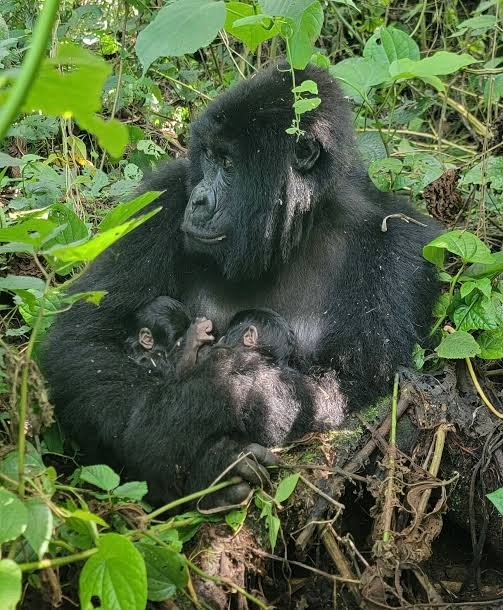
For most travelers, the real appeal of Kwita Izina 2026 lies in how naturally it pairs with gorilla trekking in Volcanoes National Park. Many visitors schedule one or two treks in the days immediately before or after the ceremony, giving them both the emotional weight of encountering wild mountain gorillas up close and the celebratory, community focused atmosphere of the naming ceremony itself within a single trip. Trekking through the same volcanic forest that is home to the very gorilla families being celebrated adds a layer of meaning that a standalone ceremony visit alone cannot fully capture.
Because gorilla trekking permits in Rwanda are priced at fifteen hundred US dollars and issued at a strict ninety six permits per day across the park’s habituated families, booking well ahead of Kwita Izina 2026 is critical, since demand for both treks and the ceremony converges on the same narrow window in early September.
Travelers who successfully combine both experiences frequently describe the pairing as the single richest way to encounter Rwanda’s gorilla conservation story, moving from the quiet, personal intensity of a forest encounter to the loud, joyful celebration of the naming ceremony within the same week.
Combining Kwita Izina 2026 With the Rest of Rwanda
Beyond gorilla trekking, Kwita Izina 2026 sits within easy reach of several other experiences that round out a fuller Rwanda itinerary. Kigali, roughly two and a half hours from Musanze by road, offers the Kigali Genocide Memorial, a vibrant arts and culinary scene, and increasingly polished infrastructure that has made Rwanda’s capital one of East Africa’s most pleasant cities to spend a few days in before or after ceremony week. Lake Kivu, further west, provides a relaxed counterpoint to the intensity of gorilla trekking and ceremony crowds, with lakeside lodges well suited to unwinding for a day or two.
For travelers with more time, combining Kwita Izina 2026 with chimpanzee tracking in Nyungwe Forest National Park or a savannah safari in Akagera National Park builds a genuinely comprehensive Rwanda circuit, pairing the country’s primate tourism with classic Big Five game viewing in a single trip.
Because Rwanda’s compact size makes overland travel between these destinations relatively quick compared with much of East Africa, building a ten to fourteen day itinerary around Kwita Izina 2026 that also covers Kigali, Nyungwe, and Akagera is entirely realistic without excessive time spent on the road.
Common Questions About Attending Kwita Izina 2026
Travelers considering their first trip around the ceremony tend to ask a similar set of questions. Do you need a ticket to attend? No, Kwita Izina 2026 is free and open to the public, though arriving early is strongly advised given the limited space at the ceremony ground and the scale of the crowds it typically draws.
Is the ceremony suitable for children? Generally yes, since the event combines music, dance, and a celebratory atmosphere that tends to hold younger visitors’ attention far better than a lengthy formal ceremony might suggest, though the crowds and heat are worth factoring into planning for very young children.
How far in advance should gorilla trekking permits be booked for ceremony week? Given how sharply demand spikes around Kwita Izina 2026, booking permits at least four to six months ahead is a sensible minimum, and earlier is safer for travelers with fixed travel dates.
Can the ceremony be combined with a Uganda gorilla trekking trip? Absolutely, and many travelers cross the border between Kigali and Bwindi Impenetrable Forest as part of a longer itinerary, treating Kwita Izina 2026 as one leg of a broader Uganda and Rwanda gorilla safari rather than a standalone Rwanda visit. What should first time attendees prioritize? Arriving in Kinigi well before the ceremony begins, staying hydrated in the mid-morning sun, and treating the surrounding week’s exhibition and film screenings as worthwhile additions rather than optional extras all help visitors get the most out of the full programme.
Who Names the Gorillas
Part of what makes this ceremony so widely covered internationally is the calibre of people invited to take part. Over the years, namers have included heads of state, Hollywood actors, football stars, musicians, and business leaders alongside conservationists and scientists who have spent careers working to protect the mountain gorilla population.
Past editions have featured figures ranging from Idris Elba and Kevin Hart to members of Arsenal Football Club, along with naturalists like Sir David Attenborough, each giving a single baby gorilla a name chosen to reflect its character, its birth circumstances, or a broader theme the namer wishes to highlight.
This mix of global visibility and grassroots community involvement is deliberate. While international guests bring media attention and philanthropic support, the ceremony equally honours local rangers, trackers, and researchers whose daily work makes the entire conservation programme possible.
Community members from villages surrounding Volcanoes National Park attend in large numbers, often walking considerable distances to take part, since a meaningful share of tourism revenue generated by gorilla trekking permits flows directly back into schools, health centres, and infrastructure projects in the surrounding districts. That community dimension is part of what elevates the event beyond a photo opportunity for celebrities into something genuinely rooted in the region it celebrates.
Rwanda’s Conservation Model and Why It Works
The naming ceremony sits at the centre of a wider conservation strategy that has become something of a case study for how tourism revenue can directly fund species recovery. Gorilla trekking permits in Rwanda are priced deliberately high, and a significant proportion of that revenue is channelled into anti-poaching patrols, veterinary care for sick or injured gorillas, habitat protection, and community development programmes that give local residents a direct economic stake in the species’ survival.
The arithmetic is straightforward but effective: protecting a population capable of generating sustained tourism revenue gives everyone involved, from park rangers to nearby farmers, a genuine incentive to see that population thrive rather than disappear.
This model has drawn attention well beyond conservation circles, studied by economists and policymakers grappling with how other countries might make wildlife protection pay for itself rather than relying purely on donor funding or extraction based industries. Rwanda’s tourism sector generated hundreds of millions of dollars in revenue in the year before this year’s ceremony, with national parks recording well over a hundred and fifty thousand visitors, figures that underline just how central gorilla tourism, and by extension events, have become to the country’s broader economic strategy.
For travelers attending the ceremony, understanding this backdrop adds real weight to what might otherwise look like a purely celebratory event, since every trekking permit purchased and every visitor who attends the naming ceremony contributes directly to a conservation model that has become a genuine global success story.
What Makes This Ceremony Unique Among African Conservation Events
Few events anywhere on the continent combine culture, celebrity, science, and grassroots community involvement quite the way this ceremony does. Unlike wildlife conservation galas held in major cities far from the animals being discussed, the event takes place at the literal foothills of the habitat it celebrates, with the volcanoes themselves visible from the ceremony grounds and gorilla families living just a short trek away in the forest above. That physical proximity between celebration and habitat gives the event a groundedness that purely fundraising focused conservation events elsewhere often lack.
The ceremony’s format also sets it apart. Rather than a formal awards dinner or gala, the event unfolds as a genuinely festive, outdoor gathering built on Rwandan cultural tradition, with dance, music, and storytelling woven throughout rather than treated as decorative filler.
That format makes the event accessible and engaging even for visitors with no prior background in conservation science, since the emotional core, celebrating new life and honouring those who protect it, translates easily across cultures and languages. For travelers who have found other wildlife conservation events overly academic or removed from the animals themselves, this ceremony offers a rare combination of genuine scientific significance and pure, infectious celebration.
Packing and Preparing for Your Trip
A little preparation goes a long way toward making the most of ceremony week. Lightweight, breathable clothing suits Rwanda’s warm daytime temperatures at Kinigi, while a light jacket covers the cooler mornings and evenings common at this altitude near the Virunga volcanoes.
Comfortable closed shoes matter both for standing through the ceremony itself and for any gorilla trekking added onto the trip, since trekking conditions in Volcanoes National Park can be muddy and uneven regardless of season. Sun protection, a reusable water bottle, and a good camera or telephoto lens round out the practical essentials, particularly for anyone hoping to capture both the ceremony’s cultural performances and any wildlife encounters during accompanying treks.
Travelers should also confirm passport validity, visa requirements, and any recommended vaccinations well ahead of departure, since Rwanda’s entry requirements can shift and are worth verifying close to travel dates. Travel insurance covering both general trip disruption and any adventure activities added to the itinerary, such as gorilla trekking or volcano hiking, is worth arranging in advance rather than scrambling for coverage once travel dates are locked in. Given how much international attention this ceremony draws each year, flights into Kigali International Airport tend to fill quickly around early September, so booking travel well ahead of the date, alongside permits and accommodation, gives travelers the best chance of securing everything they need for a smooth trip.
Why Kwita Izina 2026 Deserves a Place on Your Rwanda Itinerary
For travelers who already have gorilla trekking on their list, timing the trip around Kwita Izina 2026 adds a dimension that a standard visit to Volcanoes National Park simply cannot offer on its own. It combines the quiet, personal intensity of a forest encounter with wild mountain gorillas with the joyful, community driven celebration of a ceremony that has become one of Africa’s most meaningful conservation success stories.
Twenty two more names will be given this year, bringing the total to four hundred and sixty since the tradition began, and each one represents both an individual animal and a broader story about what sustained, community centred conservation can achieve. Reach out to Tulambule Uganda Safaris to start planning your trip to Kwita Izina 2026, combined with gorilla trekking in Volcanoes National Park and the rest of what Rwanda has to offer.