Luxury Uganda Safari Cost Uncovered.
Luxury Uganda safari cost typically falls between $5,000 and $15,000 per person, depending on trip length, lodge category and how many countries you combine. For travellers coming from the US, UK or Europe, that figure covers far more than a room and a game drive. It covers exclusive lodges, a private guide and vehicle for your party alone, guaranteed gorilla permits, and a level of personal attention that a mass-market itinerary simply cannot match.
So where does that number actually come from, and what should you expect for it? This guide breaks down exactly what shapes the price, what a true luxury package includes, and how the cost translates into GBP and EUR for travellers budgeting outside the US.
How Much Does a Luxury Uganda Safari Cost Per Person?
For a genuine luxury experience, most travellers should budget $5,000 and up per person for a 10 to 16 day trip. That’s the entry point for exclusive tented camps, a private vehicle and guide dedicated to your group alone, and premium extras like helicopter transfers or a private chef.
It helps to see that number against our other published pricing tiers, since luxury is really a step change rather than a small upgrade:
- Budget Safari: $1,200 to $2,200 per person, 5 to 8 days, mid-range lodges
- Classic Safari: $2,500 to $4,500 per person, 8 to 12 days, quality lodges and tented camps
- Luxury Safari: $5,000 and up per person, 10 to 16 days, exclusive camps, private vehicle and concierge-level planning
The jump from classic to luxury isn’t just nicer rooms. It’s a fundamentally different way of travelling, with fewer shared logistics and far more flexibility built around your own schedule, which is exactly what most of our US, UK and European clients are paying for.
What Actually Drives the Cost
Four factors account for most of the difference between a budget itinerary and a luxury one, and understanding them makes it much easier to see where your money goes.
Start with the permits. A Uganda gorilla trekking permit costs $800 per person, set by the Uganda Wildlife Authority. If your trip crosses into Rwanda’s Volcanoes National Park, that fee rises to $1,500 per person under rates set by the Rwanda Development Board. These are fixed regardless of budget level, so a budget traveller and a luxury traveller pay the same permit cost.
What luxury itineraries often add on top is the full-day Gorilla Habituation Experience, from $1,500 per person. It trades the standard one-hour gorilla encounter for an entire day walking with researchers among a gorilla family.
For a fuller look at how permits, sectors and trekking logistics work across both countries, our complete gorilla trekking guide covers it in depth.
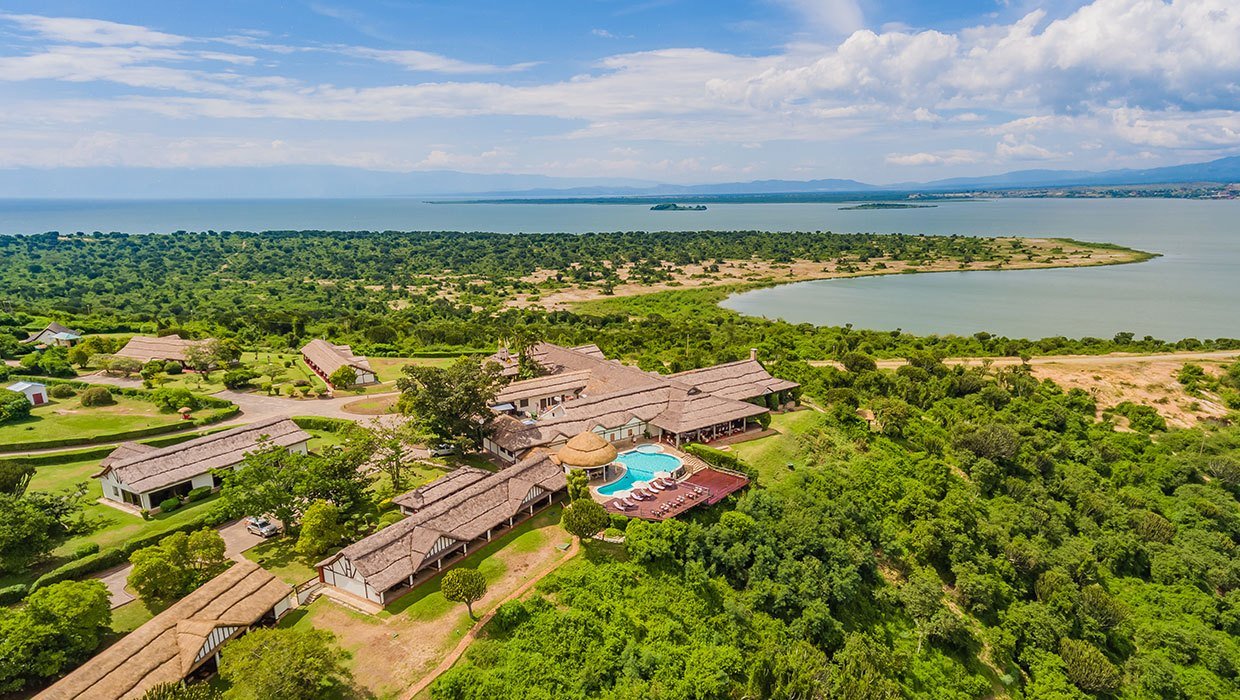
Accommodation is where the real difference shows up. Exclusive tented camps and boutique lodges in Bwindi, Queen Elizabeth and the Rwenzori foothills sit well above standard lodge pricing, often with just a handful of rooms, private plunge pools and butler or concierge service built in.
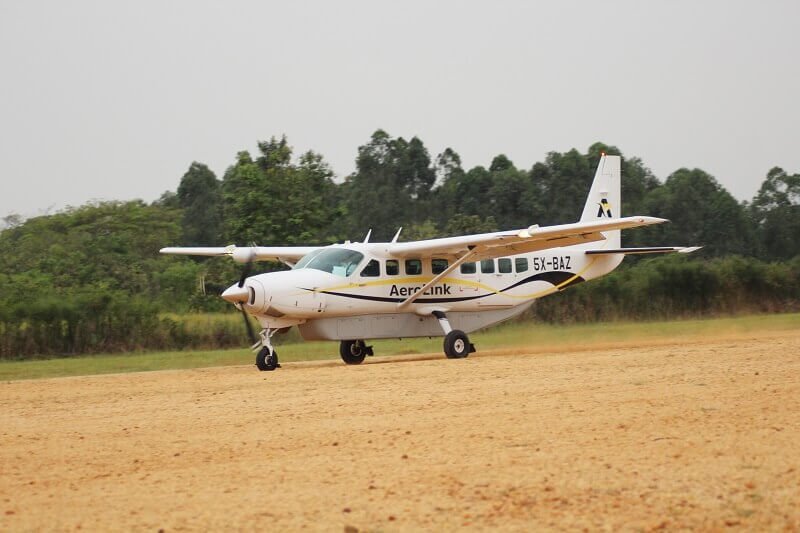
Then there’s guiding and transport. A luxury safari means your own driver-guide and 4×4 for the entire trip, rather than a shared vehicle split with other travellers you’ve never met. Many high-end itineraries also swap road transfers for scheduled or charter flights between parks, which saves hours but adds meaningfully to the price.
Finally, trip length and country combination matter more than most people expect. Weaving Uganda and Rwanda into one seamless 12 to 16 day journey, with every border crossing and permit handled for you, naturally costs more than a single-country trip, but it also delivers a far richer, more complete experience.
Luxury Uganda Safari Cost in GBP and Euros
Because most of our luxury clients book from the US, UK and Europe, it’s worth seeing that $5,000 to $15,000+ per person range in familiar currency. Rates below use current mid-market exchange figures and move daily, so treat them as a working guide rather than a fixed quote.
| USD | GBP (approx.) | EUR (approx.) |
|---|---|---|
| $5,000 | £3,700 | €4,300 |
| $8,000 | £5,900 | €6,900 |
| $10,000 | £7,400 | €8,600 |
| $15,000 | £11,100 | €12,900 |
We always confirm your final quote in USD, since that’s how gorilla permits, park fees and most Uganda and Rwanda suppliers are priced. That said, we’re always happy to add a GBP or EUR reference figure alongside any formal quotation, so there are no surprises when you check your bank statement.
Sample Luxury Itinerary Costs
Numbers are more useful with context, so here’s what three real itinerary shapes tend to cost.
A 10 day Uganda luxury safari, covering Bwindi gorilla trekking, Queen Elizabeth game drives and a Kazinga Channel cruise, typically runs $5,500 to $8,000 per person with exclusive lodges throughout.
Step up to a 14 day Uganda and Rwanda luxury combo, taking in Bwindi, Queen Elizabeth and Murchison Falls before crossing to Volcanoes National Park and Kigali, and you’re looking at $9,000 to $13,000 per person. The jump reflects two countries’ worth of permits, cross-border logistics and premium accommodation on both sides.
The full 16 day luxury experience, which adds the Gorilla Habituation Experience, a private chef option and helicopter transfers between parks, typically lands between $13,000 and $18,000+ per person.
Exact pricing always depends on season, party size and which specific lodges you choose, so treat these as planning references rather than fixed rates.
What’s Included in a Luxury Safari Package
Every Tulambule luxury package includes gorilla permits, exclusive lodge or tented camp accommodation, a private 4×4 vehicle with an expert driver-guide, all park entry fees, full board meals, boat cruises where applicable, and airport transfers.
At the luxury tier, you also get access to helicopter transfer options, private chef and butler service, and a 24/7 personal concierge for the full trip.
What isn’t included, at any tier, is international flights, travel insurance, tips or personal spending. We’re happy to help source competitive flight options on request, but these costs sit outside the package price.
Luxury vs Classic Safari: What’s the Real Difference
A classic safari already includes a private vehicle and quality accommodation, so the step up to luxury isn’t really about basic comfort. It’s about exclusivity and flexibility. You trade camps with dozens of rooms for ones with just a handful, swap a fixed group schedule for an itinerary built entirely around your own pace, and gain access to experiences like the full-day Gorilla Habituation Experience that simply aren’t available at lower tiers.
If you’re still deciding between Bwindi, Mgahinga or Rwanda’s Volcanoes National Park for your gorilla trek, this gorilla safari comparison guide breaks down how each one differs.
For a honeymoon, anniversary or milestone trip, that difference in privacy and personal attention is usually what justifies the extra investment.
Luxury Safari Cost by Region
Cost also varies depending on which parks and lodges anchor your itinerary, since Uganda’s most exclusive properties cluster in a handful of areas rather than spreading evenly across the country. You can browse the full spread of parks and regions on our destinations page.
Bwindi Impenetrable Forest is where luxury pricing peaks. It hosts both the gorilla permit cost and the highest concentration of boutique lodges anywhere in Uganda, many of them perched on ridgelines overlooking the forest with private verandas and personalised guiding built around gorilla trekking day. Our complete Bwindi guide covers the four trekking sectors and how to choose between them in more detail.
Queen Elizabeth National Park sits a step below that peak. Luxury lodges here spread along the Kazinga Channel or across the Mweya Peninsula, with game drives and boat cruises woven into the daily rhythm, and rates that reflect strong premium positioning without quite matching Bwindi’s ceiling. For a closer look at where to stay, see our Queen Elizabeth lodges guide.
Murchison Falls National Park, as Uganda’s largest park, offers some of the most spacious luxury properties in the country, often with private plunge pools and river-facing suites overlooking the Nile. It suits travellers who want a slower, more remote kind of luxury.
The Rwenzori foothills and Lake Bunyonyi offer something different again: luxury centred on scenery and rest rather than wildlife density. Many travellers use this region as a relaxing stop between gorilla trekking and other activities, and pricing here tends to run more moderate than Bwindi or Queen Elizabeth.
How Uganda Compares to Kenya and Tanzania on Price
Travellers researching East Africa often weigh Uganda against Kenya and Tanzania before deciding where to spend their luxury safari budget, and the comparison is worth making properly, since the experiences on offer are genuinely different.
Kenya and Tanzania are built around big open plains, large herds and the Great Migration, and luxury lodge pricing there is often comparable to or higher than Uganda’s, particularly during migration season in the Serengeti and Masai Mara.
Uganda’s luxury safari cost tends to run more competitive per day, while offering something those countries simply cannot: mountain gorilla trekking through dense montane rainforest.
If gorillas are part of the plan, Uganda and Rwanda aren’t just the better value option, they’re the only realistic option, since gorilla trekking doesn’t exist in Kenya or Tanzania at all. That makes Uganda’s luxury safari cost, permit included, a different value proposition entirely rather than a simple apples-to-apples comparison with the classic plains safari countries.
A Sample Day-by-Day Cost Breakdown
To make all of this concrete, here’s roughly how a 10 day luxury Uganda safari budget breaks down per person, based on our published luxury tier.
Days 1 and 2 cover Entebbe and the transfer to Bwindi, whether by private vehicle or scheduled flight, with exclusive lodge accommodation running $600 to $900 per day depending on lodge category.
Days 3 and 4 are gorilla trekking days in Bwindi, where the $800 permit combines with exclusive lodging and private guiding for a daily cost of $900 to $1,400.
Days 5 through 7 move to Queen Elizabeth National Park for game drives and the Kazinga Channel cruise, typically $550 to $800 per day.
The final stretch, days 8 through 10, covers either Murchison Falls or a Lake Bunyonyi relaxation stop plus the return transfer to Entebbe, usually $500 to $750 per day.
These figures assume double occupancy and include accommodation, meals, park fees, private guiding and ground transport, but exclude international flights, tips and personal spending. Your exact quote will shift depending on which lodges you select and whether you fly or drive between regions.
Hidden Costs Worth Budgeting For
Beyond the headline package price, a handful of additional costs are worth planning for so nothing catches you off guard on arrival.
Tips and gratuities sit outside your package cost, and a reasonable guideline is $15 to $20 per day for your driver-guide, plus $10 to $15 per gorilla trek for the porter who carries your bag. It’s worth arranging even if you feel physically capable, since porter fees are a direct and meaningful source of income for communities bordering the parks.
A Uganda tourist visa, or the East Africa Tourist Visa which also covers Rwanda and Kenya, isn’t included in any safari package and should be arranged online before you travel.
Yellow fever vaccination is mandatory for entry into both Uganda and Rwanda, with your Yellow Card certificate checked on arrival. This is a health cost rather than a safari cost, and it catches some first-time visitors off guard.
Travel insurance isn’t included at any tier either, but it’s strongly recommended for any East Africa trip, particularly one involving trekking at altitude. And a few genuine luxuries, like helicopter transfers, private chef service and the Gorilla Habituation Experience, are available but priced as add-ons above the base package.
Why Pricing Shifts With the Season
Uganda’s dry seasons, June to August and December to February, bring the clearest trails, the easiest trekking conditions and the highest demand, which pushes luxury lodge rates to their peak. Exclusive camps with only a handful of rooms sell out fastest during these months, and pricing reflects that scarcity directly.
The wetter shoulder seasons, March to May and September to November, tell a different story: noticeably lower rates at the same luxury properties, lush green scenery, and far fewer visitors sharing the trails.
Gorilla trekking stays possible year-round, since Uganda’s equatorial climate has no true off season for wildlife viewing. Travellers comfortable with the occasional shower can secure meaningfully better luxury pricing simply by shifting their dates.
How Booking and Payment Work
Once you confirm your luxury itinerary, a deposit secures your gorilla permits and lodge reservations, both of which are allocated on a first-confirmed basis rather than held indefinitely on your behalf. The balance is typically due closer to travel, with the exact schedule set out in your formal quotation.
Our team issues a detailed quotation covering every cost included in your package, followed by a confirmation voucher once your deposit lands, so you have full visibility into what you’re paying for at each stage.
For itineraries that combine Uganda and Rwanda, we coordinate permits and accommodation on both sides as one single booking process, rather than leaving you to arrange two separate trips.
Frequently Asked Questions
Is a luxury Uganda safari worth the extra cost compared to a classic package? For travellers who want fewer shared logistics, more exclusive properties and a fully personalised pace, yes. The gorilla trekking experience itself uses the same permit and the same forest either way, but everything around it, from accommodation to guiding to flexibility, is a different level of service entirely.
Does the cost include international flights from the US, UK or Europe? No. International flights are quoted separately, though we’re happy to help source competitive routing on request. Most flights connect through Doha, Amsterdam, Istanbul or Addis Ababa on the way to Entebbe International Airport.
How far in advance should we book a luxury Uganda safari? For peak season travel between June and August or December and February, we recommend booking 6 to 12 months ahead to secure both gorilla permits and the most exclusive camps, many of which have only a handful of rooms.
Can we add Rwanda to a luxury Uganda itinerary without much extra planning? Yes. We handle all cross-border logistics, permits and accommodation on both sides, so a combined Uganda and Rwanda luxury trip runs as one seamless itinerary rather than two separate bookings.
Continue Planning Your Trip
Ready to build your own luxury Uganda safari? Explore our sample itineraries, build your own custom safari, or get in touch with our team for a personalised quote.