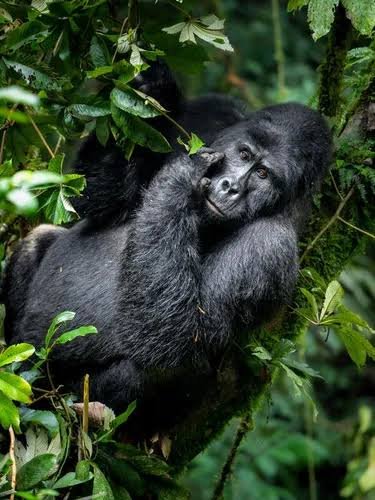
Gorilla Habituation Experience lets you spend four unforgettable hours with a wild gorilla family in Bwindi. Here’s everything you need to know before you book.
4 Unforgettable Hours With a Wild Family
What Is the Gorilla Habituation Experience?
This is a rare Uganda safari activity that lets travelers spend up to four hours with a gorilla family that is still being trained to tolerate human presence.
Unlike standard gorilla trekking, which offers a strict one-hour visit, this experience is slower, deeper and far more immersive. It is only available in the Rushaga sector of Bwindi Impenetrable National Park.
Visitors join researchers and trackers who work daily with the gorillas to build trust between the family and human observers. This means you witness real conservation work happening in front of you, not just a scripted viewing.
For travelers who want more than a quick photo opportunity, this activity is the closest thing to fieldwork available to the public.
Uganda is one of only a handful of countries where wild mountain gorillas can be observed at all, and Bwindi Impenetrable National Park shelters roughly half of the world’s remaining population. Within that park, habituation is a slow, careful process that can take two to three years before a family is ready for daily tourist visits.
Joining a session partway through that process is a genuinely unusual privilege.
How the Gorilla Habituation Experience Differs From Standard Trekking
Standard gorilla trekking permits allow exactly sixty minutes with a fully habituated family once located. This program extends that window to up to four hours, offering far more time to observe natural behavior. This longer format also means smaller groups, since only four visitors are permitted per session instead of the usual eight.
Group Size and Access Limits
Because habituation groups are still adjusting to human contact, Uganda Wildlife Authority caps each session at four trekkers. This smaller cap makes the experience feel more personal and far less crowded than a typical trek. Advance booking is essential, since only a limited number of permits are issued per day.
Research Access During the Gorilla Habituation Experience
Trackers and researchers narrate the process as they work, explaining how they identify individual gorillas and monitor family dynamics. This educational layer is unique to this activity and rarely available anywhere else in East Africa. Many visitors describe it as feeling like a genuine conservation expedition rather than a tourist outing.
A typical habituation team includes a lead tracker, an assistant, and often a veterinarian on standby for family health checks. Visitors are briefed on this structure before entering the forest, so the science behind the process feels approachable rather than technical.
Questions are welcomed throughout the four hours, which adds a classroom-like quality rarely found on a standard safari activity.
Where the Gorilla Habituation Experience Takes Place
The Gorilla Habituation Experience is exclusively offered in Rushaga, the southern sector of Bwindi Impenetrable National Park. Rushaga’s hilly terrain and dense forest provide ideal habitat for gorilla families still in the habituation process. The sector is roughly a ten to eleven hour drive from Kampala, or a shorter flight into nearby Kisoro airstrip.
Why Rushaga Was Chosen for Habituation
Rushaga hosts several gorilla families at various stages of habituation, making it the natural home for this activity. Its remoteness also means fewer visitors pass through daily, which suits the sensitive nature of the process. Families here are monitored closely, and progress is tracked over months or even years before they graduate to standard trekking status.
Terrain and Physical Demands
Trails in Rushaga can be steep, muddy, and physically demanding, especially since sessions run far longer than standard treks. A four-hour encounter often means several additional hours of hiking to locate the family beforehand. Travelers should be in reasonably good physical condition before attempting this activity.
Altitude in Rushaga ranges from around 1,800 to 2,600 meters, which can leave unacclimatized visitors short of breath on steeper climbs. Taking a day or two to adjust in the region beforehand often improves comfort during the trek. Guides set a manageable pace throughout, but the terrain itself does not offer many flat stretches.
What to Expect During Your Gorilla Habituation Experience
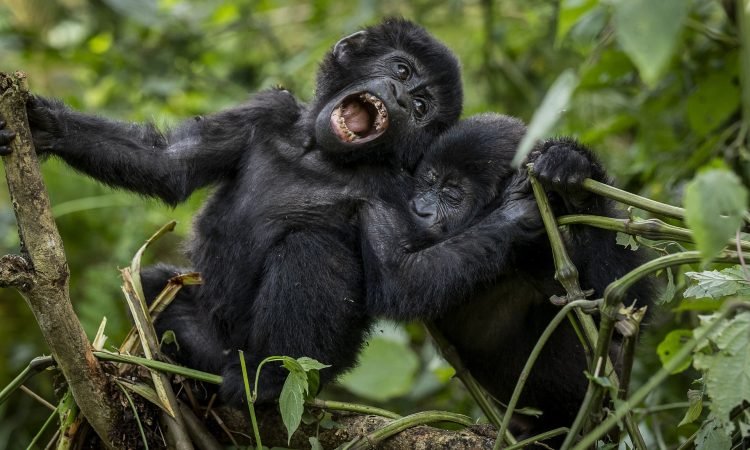
Your day begins early with a briefing at the park headquarters, followed by a hike that can last anywhere from one to four hours depending on the gorillas’ location. Once located, you spend up to four hours quietly observing the family’s daily routine. This includes feeding, resting, playing, and occasionally moving locations as a group.
What to Pack for Your Gorilla Habituation Experience
Because sessions run longer than standard treks, packing well matters even more than usual. A sturdy daypack should hold at least two liters of water, energy snacks, and a compact first-aid kit. Waterproof hiking boots with good ankle support are essential given the uneven, often muddy terrain.
Clothing and Gear Checklist
Long trousers and long sleeves in neutral colors help protect against nettles and biting insects along the trail. A lightweight rain jacket is necessary even in dry season, since forest weather changes quickly. Gardening gloves are also useful for gripping vegetation on steeper sections.
Documents and Money to Carry
Bring your passport, since rangers check permit holders against travel documents at the start of the trek. Cash in Ugandan shillings covers tips for guides, porters, and rangers, as card payment is rarely available at trailheads. A modest tip for the tracking team is customary and always appreciated given the extended hours they invest in each session.
A Typical Day in the Forest
Rangers and researchers lead the group at a measured pace, pausing frequently to explain gorilla behavior and family hierarchy. Because this experience involves a family that is not fully accustomed to humans, groups maintain a slightly greater distance than standard treks. Patience is essential, since gorillas move on their own schedule, not the visitor’s.
Photography and Observation Tips
Bring a camera with a fast shutter speed, since forest light can be dim under the dense canopy. Flash photography is strictly prohibited to avoid startling the gorillas during this delicate process. Binoculars are useful too, particularly when the family keeps a greater distance than usual.
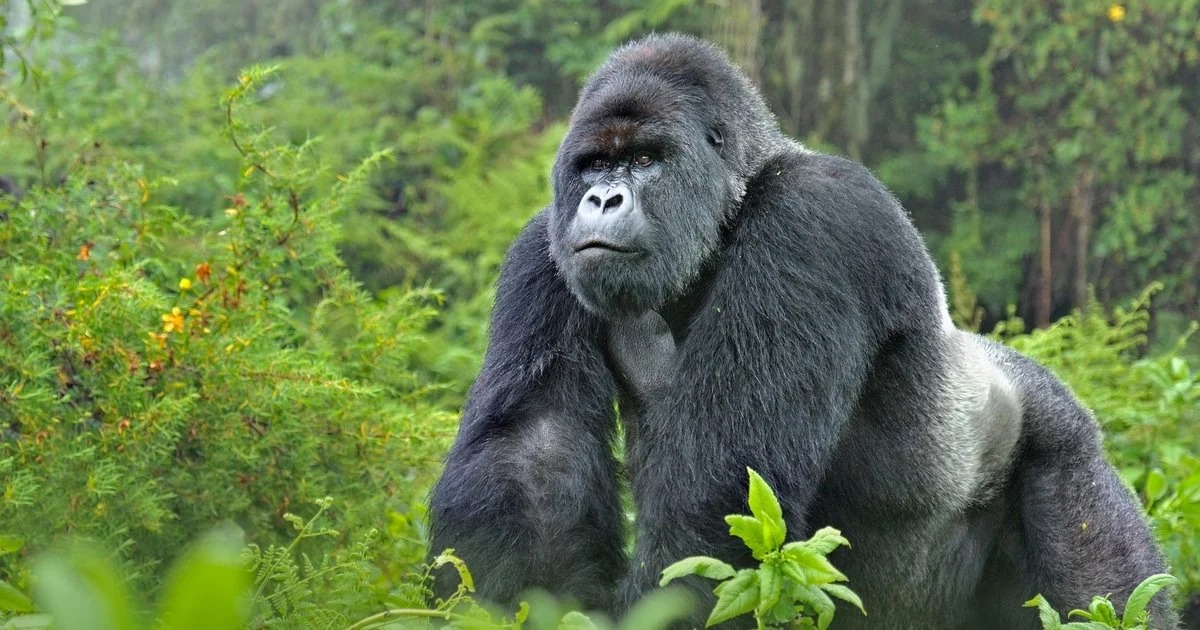
Cost and Permit Details for the Gorilla Habituation Experience
Permits for this activity cost more than standard gorilla trekking permits, reflecting the smaller group size and longer duration. Prices are set and revised periodically by the Uganda Wildlife Authority, so travelers should confirm current rates with their tour operator before booking. Permits typically need to be secured months in advance due to the limited daily allocation.
Booking Timeline and Availability
Because only four permits are issued per session, and sessions run only a few days per week, availability fills up quickly during peak season. Travelers planning a trip around the Gorilla Habituation Experience should book at least four to six months ahead. Flexible travel dates significantly improve your chances of securing a permit.
Working with a local tour operator can simplify this process considerably, since permits must be purchased through the Uganda Wildlife Authority or an accredited agent. Operators often track availability across multiple dates and can suggest backup options if your first choice is full. Payment is usually required in full at the time of booking to hold the permit.
What the Permit Includes
Your permit covers park entry, ranger and tracker guidance, and the full four-hour observation window once the family is located. It does not typically include transport, porter fees, or accommodation near Rushaga. Most travelers combine the activity with a broader southern Uganda itinerary to make the most of the trip.
Who Should Choose the Gorilla Habituation Experience
This activity suits travelers who already have some hiking experience and want a deeper wildlife encounter than a standard visit offers. Photographers, researchers, students, and dedicated wildlife enthusiasts tend to get the most value from the extended time.
Families with young children or travelers with limited mobility may find standard trekking a more comfortable alternative.
Comparing It to Standard Gorilla Trekking
Standard trekking is shorter, less physically demanding, and available across all four Bwindi sectors, making it more accessible overall. This experience trades convenience for depth, offering four times the observation window in exchange for a tougher hike and a higher permit cost.
Neither option is objectively better, since the right choice depends on your fitness, interests, and available time.
Some travelers choose to do both across a longer Uganda itinerary, pairing a standard trek in Buhoma or Ruhija with the habituation session in Rushaga. This combination offers a useful contrast between the two formats and often deepens appreciation for how much work goes into preparing a family for tourism.
It does, however, require extra travel days and a larger overall budget.
Fitness and Preparation Recommendations
Regular walking or light cardio training in the weeks before your trip makes a real difference on the trail. Sturdy waterproof boots, trekking poles, and a light daypack are strongly recommended for the extended hike. Hiring a porter is also worthwhile, since the added hours in the forest can be tiring even for fit travelers.
Best Time of Year for the Gorilla Habituation Experience
Uganda’s dry seasons, from June through September and December through February, offer the most comfortable trekking conditions. Trails are firmer and less slippery, which matters given the extended duration of this activity. Wet season visits are possible and sometimes less crowded, though rain gear becomes essential.
Booking during shoulder months just before or after peak season can sometimes offer a good balance of manageable trails and fewer other travelers in Rushaga. This timing also tends to align with slightly more flexible lodge availability nearby. Checking recent trail reports with your operator closer to your travel dates is always worthwhile.
Weather Considerations in Rushaga
Rushaga’s elevation means mornings can be cool even during the dry season, so layered clothing is recommended. Afternoon showers are common year-round, regardless of official season, since Bwindi is a genuine rainforest. Packing a reliable rain jacket is non-negotiable no matter when you visit.
Conservation Value of the Gorilla Habituation Experience
Revenue from this activity directly funds ongoing conservation work, including ranger patrols, veterinary monitoring, and community development projects around the park. Each family that completes habituation adds to the small number of gorilla groups safely available for future tourism and research.
Choosing the Gorilla Habituation Experience means contributing directly to the long-term survival of mountain gorillas.
Supporting Local Communities
A portion of park revenue supports schools, clinics, and infrastructure in villages bordering Bwindi. Community-run cultural walks and craft markets near Rushaga also benefit from the steady flow of visitors drawn to this activity. Travelers often find these community connections add meaningful context to their overall experience.
Frequently Asked Questions
How fit do I need to be for the Gorilla Habituation Experience?
Moderate to good fitness is recommended, since hikes can run longer and steeper than standard treks. Regular walking or cardio training beforehand is strongly advised.
Can children take part in this activity?
Uganda Wildlife Authority sets a minimum age of fifteen, the same as standard gorilla trekking. Younger children are not permitted due to the physical demands and safety considerations.
Do I need travel insurance for this trip?
Comprehensive travel insurance covering emergency evacuation is strongly recommended for any Bwindi trek. Rushaga’s remote terrain means medical help can take time to reach in an emergency.
What happens if the gorillas move far into the forest?
Trackers monitor family movement daily and adjust the starting point accordingly. Even so, some sessions require several hours of hiking before the family is located.
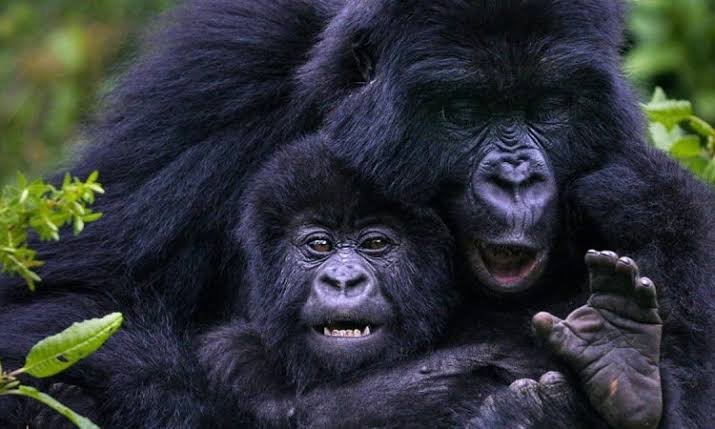
Final Thoughts on the Gorilla Habituation Experience
Few wildlife encounters anywhere in the world offer the depth and duration of this program. Four unforgettable hours with a wild gorilla family provides a level of insight that a standard one-hour trek simply cannot match. It demands more fitness, more planning, and a higher budget, but the reward is a genuinely rare wildlife experience.
For travelers who want to go beyond the typical safari itinerary, this activity stands out as one of Uganda’s most rewarding adventures. It combines real conservation exposure with an intimate view of gorilla family life. Few memories from an African safari last as long as those four hours in the forest.
Speaking with a tour operator who has arranged this activity before can help you avoid common planning mistakes, from misjudging fitness requirements to booking during an overly crowded week. A well-planned trip balances the physical challenge with enough rest days to enjoy it fully.
Southwestern Uganda also offers excellent lodges, community experiences and onward connections to Lake Bunyonyi or the Virunga volcanoes for travelers extending their stay.
Book Your Gorilla Habituation Experience Today
Ready to spend four unforgettable hours with a wild gorilla family in Rushaga?
Tulambule Uganda Safaris can help you secure your permit, plan your itinerary, and prepare for the physical demands of this rare encounter.
Contact Tulambule Uganda Safaris today to start planning your Gorilla Habituation Experience.