Bwindi Gorilla Safari trekkers get just one hour with a wild gorilla family and every minute delivers something unforgettable. Here are the seven moments to watch for.
7 Incredible Moments You’ll Witness in One Hour With a Wild Gorilla Family
Why a Bwindi Gorilla Safari Feels Like No Other Wildlife Encounter
A Bwindi Gorilla Safari gives you exactly sixty minutes with a wild mountain gorilla family and yet those sixty minutes often outweigh entire weeks of ordinary travel.
Bwindi Impenetrable National Park in southwestern Uganda shelters roughly half of the world’s remaining mountain gorillas. Few wildlife experiences on earth compress so much emotion into so little time.
This guide walks through the seven moments most trekkers describe as unforgettable once the hour begins. Understanding what to expect helps you stay present instead of fumbling with a camera at the wrong second. Whether this is your first time in the forest or your third, these moments rarely lose their impact.
Moment One: The First Sighting on Your Bwindi Gorilla Safari
Nothing quite prepares you for the instant you spot black fur moving through green foliage after hours of hiking. Guides often signal the group to slow down and lower their voices as the family comes into view. This first sighting is the moment most trekkers say their pulse noticeably quickens.
What Makes the First Sighting So Powerful
The buildup matters here, since most treks involve one to four hours of hiking through dense forest before any gorilla appears. That anticipation transforms a simple glimpse of fur into something closer to a reveal. Photographers are advised to keep cameras ready but lowered, since the family often appears suddenly and briefly before settling.
Moment Two: Eye Contact With the Silverback
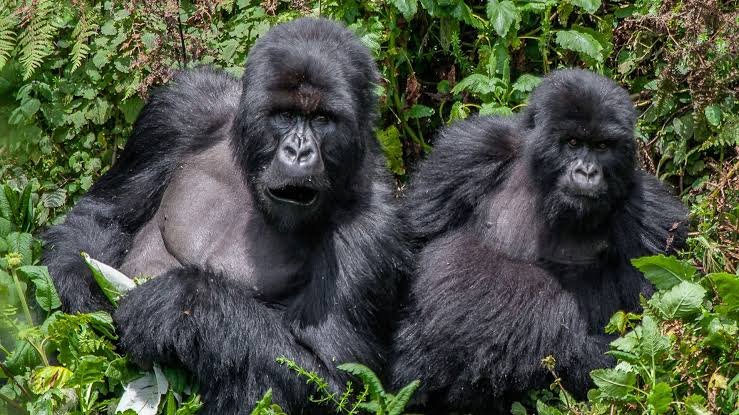
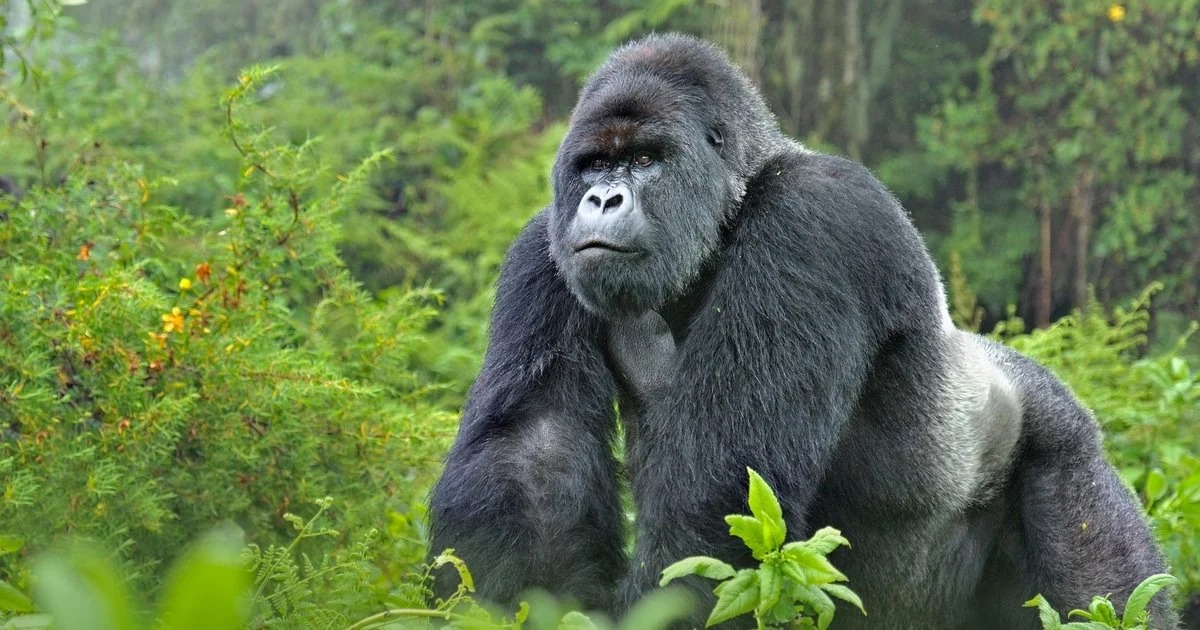
Locking eyes with a four-hundred-pound silverback is a defining moment of this experience. The dominant male typically positions himself where he can observe both his family and the visiting group. Guides remind trekkers to avoid direct, prolonged staring, since gorillas can read it as a challenge.
Reading the Silverback’s Body Language
A calm silverback will often glance toward visitors briefly, then return attention to feeding or resting nearby. His posture and pace set the tone for how close the group is allowed to move. Trackers stay closely tuned to these small signals throughout the encounter.

Moment Three: Mothers and Infants in the Gorilla Family
Watching a mother groom or nurse her infant is consistently rated the most photographed moment during a Bwindi Gorilla Safari. Infants often cling tightly to their mother’s chest during the first few months before venturing short distances on their own. This tender family dynamic reminds trekkers how closely gorilla social bonds mirror human ones.
Why This Moment Resonates With Visitors
Genetic studies show gorillas share roughly ninety-eight percent of their DNA with humans, which helps explain why these interactions feel so familiar. Watching maternal care up close often shifts a trekker’s perspective from simple sightseeing to genuine emotional connection. Many visitors describe this moment as the one they remember most vividly afterward.
Moment Four: Feeding in Action
Gorillas spend a significant portion of each day foraging, and watching this process up close is a highlight of any Bwindi Gorilla Safari. The family strips leaves, bamboo shoots and wild celery with surprising precision for such powerful hands. Visitors are often struck by how calm and deliberate the feeding process appears at close range.
What Gorillas Eat in Bwindi’s Forest
A typical adult gorilla consumes over eighteen kilograms of vegetation daily, drawn from more than one hundred plant species found in Bwindi. Occasional insects supplement this mostly plant-based diet, adding useful protein. Watching this feeding behavior firsthand adds real depth to what would otherwise be a distant, abstract fact.
Moment Five: Juveniles at Play
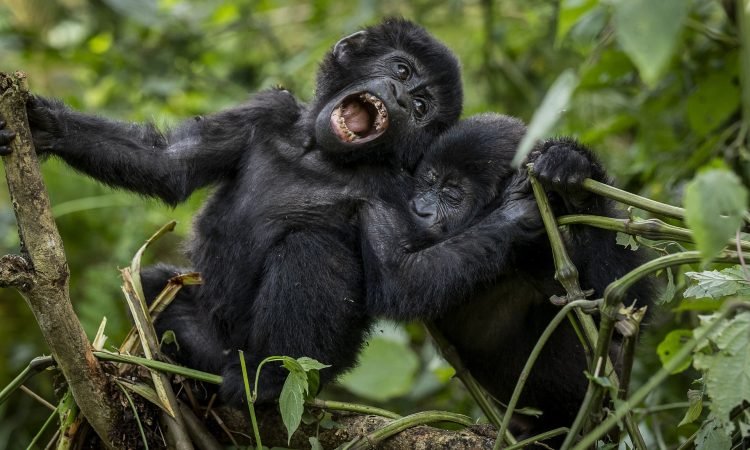
Younger gorillas wrestling, chasing each other, or swinging through low branches bring a lighter energy to the trek. These playful moments contrast sharply with the calm, deliberate pace of the adults nearby. Many trekkers find themselves laughing quietly at the juveniles’ clumsy tumbles and mock scuffles.
Learning Through Play
This roughhousing is not just entertainment for the gorillas themselves, since play behavior helps juveniles build strength and learn social boundaries. Older siblings often supervise younger ones during these sessions, mirroring family structures found throughout the animal kingdom. Guides sometimes pause longer near these interactions, knowing how much visitors enjoy them.
Moment Six: A Silverback’s Display of Strength
Occasionally, a silverback will stand, beat his chest, or briefly charge through vegetation to reinforce his position within the group. This display is one of the more startling moments a Bwindi Gorilla Safari can offer, though it rarely poses real danger to a calm, well-guided group. Rangers train visitors beforehand on how to respond if this happens.
Staying Calm During a Display
The recommended response is simple: crouch slightly, avoid eye contact, and stay still until the guide signals it is safe to continue. These displays typically last only a few seconds and are more about communication within the family than aggression toward visitors. Trekkers who remain calm often describe the moment as thrilling rather than frightening in hindsight.
Moment Seven: The Quiet Close
As the hour winds down, the family often settles into a calmer rhythm, and rangers signal that it is time to leave. This closing moment carries a surprising emotional weight, since many trekkers describe feeling a genuine, unexpected sadness at saying goodbye. It is a fitting final note to any Bwindi Gorilla Safari.
Why the Ending Stays With Visitors
The contrast between the intensity of the hour and the abruptness of its end is part of what makes this encounter so memorable. Many travelers say this final quiet moment, more than any dramatic display, is what they think about weeks later. It is a reminder of how brief and precious the encounter really is.
Understanding Gorilla Habituation Behind Every Bwindi Gorilla Safari
None of these seven moments would be possible without the years of patient work behind gorilla habituation. Families destined for tourism spend two to three years adjusting gradually to human presence before their first official trek. This process is what makes a calm, safe Bwindi Gorilla Safari possible in the first place.
Travelers curious about this process in more depth can also consider the extended Gorilla Habituation Experience, which offers up to four hours with a family still completing this adjustment. It provides a rarer, closer look at the same behaviors described above. Both options ultimately support the same conservation goals that protect Bwindi’s gorilla population.
Practical Tips for Your Bwindi Gorilla Safari
Physical preparation matters more than most first-time trekkers expect, since trails can be steep, muddy, and unpredictable. A few weeks of regular walking or light cardio before your trip makes a noticeable difference on the day. Sturdy waterproof boots and a light rain jacket are essential regardless of season.
What to Bring on the Trail
Pack more water than you think you need, along with energy snacks for the hike in and out. Gardening gloves help with gripping vegetation on steeper sections of the trail. A camera with a fast shutter speed captures movement well in the forest’s low light, though flash photography is never permitted near the gorillas.
Physical Fitness and Altitude
Bwindi’s trekking sectors sit between roughly 1,400 and 2,600 meters above sea level, and altitude can affect breathing more than travelers expect. Arriving a day or two early to acclimatize, especially in higher sectors like Ruhija or Rushaga, often improves comfort on the trail. Guides set a steady, manageable pace, but the elevation gain over uneven ground still demands genuine effort.
Etiquette During the Encounter
Maintaining a distance of at least seven meters from the gorillas protects both visitors and the animals from disease transmission. Speaking in hushed tones and moving slowly helps keep the family relaxed throughout the hour.
Coughing or sneezing should be directed away from the gorillas, since they share close genetic ties with humans and can catch human illnesses easily.
Booking Your Permit in Advance
Permits for a Bwindi Gorilla Safari are limited to eight visitors per gorilla family per day, so early booking is essential. Peak dry season months, from June through September and December through February, fill up fastest. Working with an experienced local operator makes securing the right date and sector far easier.
Choosing the Right Sector for Your Bwindi Gorilla Safari
Bwindi is divided into four trekking sectors: Buhoma, Ruhija, Rushaga, and Nkuringo. Each offers a slightly different terrain, difficulty level, and set of habituated families to encounter. Matching the right sector to your fitness level shapes how comfortably you experience these seven moments.
Buhoma tends to suit first-time trekkers with its gentler trails and strong lodge infrastructure. Rushaga and Nkuringo reward fitter travelers with tougher hikes and quieter trails. Ruhija sits between the two, adding excellent birding alongside a moderate trekking challenge.
Final Thoughts on the Bwindi Gorilla Safari
A single hour in Bwindi’s forest holds more raw emotion than most travelers expect from any wildlife encounter. From the first glimpse of fur to the quiet, bittersweet ending, this experience moves through a full range of feeling in a remarkably short window. Few experiences anywhere in the world compress so much wonder into so little time.
Preparing well, both physically and mentally, helps you stay present for each of these seven moments as they unfold. The forest sets its own pace, and the gorillas answer to no one’s schedule but their own. That unpredictability is exactly what makes the encounter feel so real.
The Conservation Story Behind Every Bwindi Gorilla Safari
Every permit sold funds far more than a single hour in the forest. A significant share of trekking revenue supports ranger patrols, anti-poaching efforts, and veterinary care for Bwindi’s gorilla population. Mountain gorillas were once critically endangered, and tourism revenue has become one of the strongest tools in reversing that decline.
How Tourism Protects the Forest
Local communities bordering the park also benefit directly through employment as guides, porters, and lodge staff. Schools, clinics, and small infrastructure projects near Bwindi are often funded in part by park revenue-sharing programs. Choosing this experience means your trip contributes directly to a genuine conservation success story, not just a personal travel memory.
Community Life Around the Park
Villages near Buhoma, Ruhija, Rushaga, and Nkuringo have grown alongside the park’s tourism economy over the past three decades. Many families that once relied on subsistence farming now run guesthouses, craft stalls, or cultural tour programs for visitors. Spending a little extra time in these communities before or after your trek adds valuable context to the experience.
Batwa cultural walks, offered near several trailheads, give visitors insight into the forest’s original inhabitants and their traditional way of life. Local coffee cooperatives and craft markets also welcome travelers looking to bring home something meaningful. These stops pair naturally with a gorilla trek, rounding out a day with both wildlife and culture.
Frequently Asked Questions About the Bwindi Gorilla Safari
How difficult is the hike?
Difficulty varies by sector and by how far the gorilla family has moved that morning, ranging from a gentle one-hour walk to a demanding five-hour trek. Most operators rate the average day as moderate, requiring reasonable fitness rather than athletic training.
What is the minimum age for trekkers?
Uganda Wildlife Authority sets the minimum age at fifteen years old for both standard trekking and the extended habituation option. This rule protects both younger visitors and the gorillas themselves from unpredictable stress during encounters.
Can I take photos during the trek?
Standard photography is welcomed and encouraged throughout the hour, though flash is strictly prohibited near the gorillas. Guides can often suggest the best positioning for photos without disturbing the family’s natural behavior.
Book Your Bwindi Gorilla Safari Today
Ready to witness these seven unforgettable moments for yourself? Tulambule Uganda Safaris can help you secure the right permit, choose the best sector for your fitness level, and plan a comfortable trip around your trek.
Contact Tulambule Uganda Safaris today to start planning your Bwindi Gorilla Safari.