First-Time Gorilla Trekking in Bwindi is unforgettable, but a few avoidable mistakes can turn the day stressful. Here are the five most common ones and how to sidestep them.
5 Mistakes to Avoid in Bwindi
Why First-Time Gorilla Trekking Deserves Extra Preparation
First-Time Gorilla Trekking in Bwindi Impenetrable National Park is often described as one of the most rewarding wildlife experiences in Africa. It is also physically demanding, tightly regulated, and easy to get wrong without proper planning.
A little preparation goes a long way toward making sure your one hour with the gorillas feels magical rather than rushed or uncomfortable.
This guide walks through five mistakes that catch first-time trekkers off guard most often. None of them are complicated to avoid once you know what to look out for. Understanding them ahead of time means you can focus on the forest, not on logistics gone wrong.
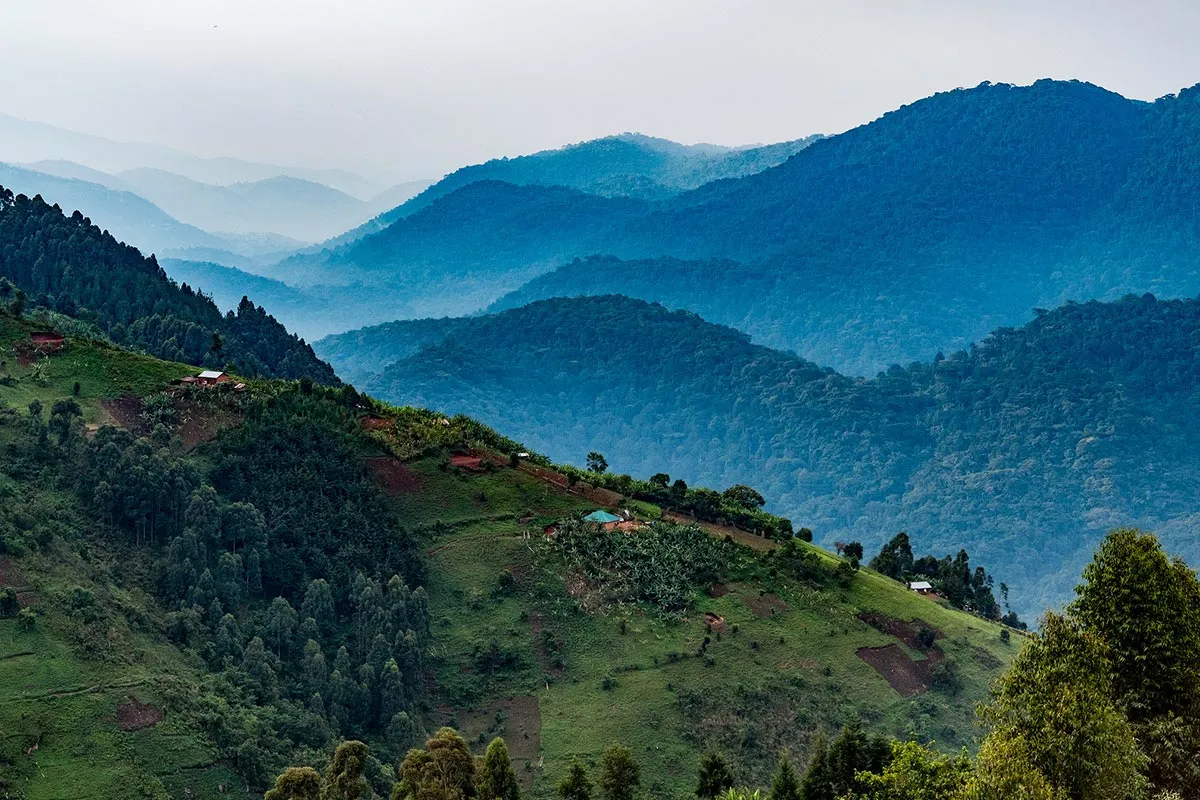
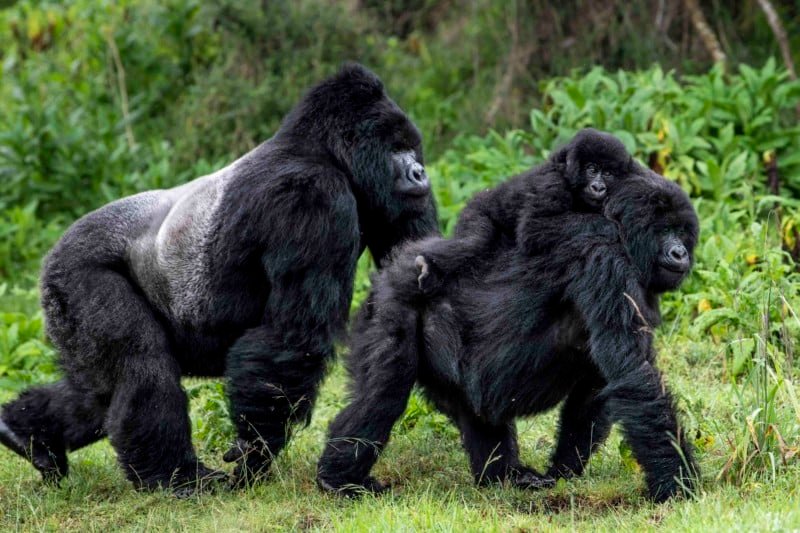
Bwindi Impenetrable National Park is home to roughly half of the world’s remaining mountain gorillas, spread across nineteen or more habituated families available for daily trekking. The park itself spans four distinct sectors, each with its own trailhead, difficulty level, and travel logistics.
Understanding this bigger picture helps explain why small planning missteps can have an out sized effect on the day.
Mistake One: Underestimating the Physical Demands of First-Time Gorilla Trekking
Many travelers assume gorilla trekking is a gentle nature walk, only to discover steep, muddy, and unpredictable terrain on the day itself. Treks can last anywhere from one to eight hours depending on where the gorilla family has moved that morning.
Arriving unprepared physically is one of the most common mistakes in First-Time Gorilla Trekking.
How to Prepare Your Body Beforehand
A few weeks of regular walking, stair climbing, or light cardio before your trip makes a real difference on the trail. Altitude also plays a role, since Bwindi’s sectors range from roughly 1,400 to 2,600 meters above sea level. Arriving a day or two early to acclimatize can noticeably improve comfort during the hike.
Choosing a Sector That Matches Your Fitness
Bwindi’s four sectors vary significantly in difficulty, with Buhoma generally offering gentler trails than Rushaga or Nkuringo. Being honest about your fitness level when booking your permit prevents a mismatch between your ability and the terrain. Tour operators can help match your sector choice to your realistic physical condition.
Building a Simple Training Plan
Starting a light training routine two to three weeks before your trip is often enough for most reasonably active travelers. Daily walks of thirty to forty-five minutes, combined with a few stair-climbing sessions, build the stamina needed for a longer hike.
Travelers with existing health concerns should consult a doctor before committing to a physically demanding itinerary.
Mistake Two: Booking Permits Too Late
Gorilla trekking permits are limited to eight visitors per family per day, and popular dates sell out months in advance. Waiting until the last minute is one of the most costly mistakes in First-Time Gorilla Trekking, often forcing travelers into less convenient dates or sectors.
Peak dry season months, from June through September and December through February, fill up fastest.
Why Early Booking Matters So Much
Permits are managed centrally by the Uganda Wildlife Authority, and availability can change quickly during busy periods. Booking four to six months ahead gives you the best chance of securing your preferred sector and travel dates. Flexible dates also help if your first-choice sector is already full.
Coordinating Permits With Accommodation
Your lodge booking should align with your confirmed sector and trekking date, not the other way around. Booking accommodation before confirming your permit can leave you staying far from your actual trailhead. Working with one operator for both bookings keeps everything properly coordinated.
What Happens if You Miss Your Trek Date
Permits are generally non-refundable, and rescheduling is rarely straightforward once a date is booked. Comprehensive travel insurance covering trip interruption can protect against illness, flight delays, or other unexpected disruptions.
Building a buffer day into your itinerary before the trek date also reduces the risk of missing it due to travel delays.
Mistake Three: Packing the Wrong Gear
Showing up in sneakers, cotton clothing, or without rain protection is a surprisingly common issue during First-Time Gorilla Trekking. Bwindi’s forest floor is often muddy and slippery, regardless of season, and weather can shift quickly under the dense canopy. The wrong gear turns a manageable hike into a miserable one.
Essential Items for the Trail
Waterproof hiking boots with good ankle support are non-negotiable given the uneven terrain. A lightweight rain jacket, long trousers, and gardening gloves for gripping vegetation round out the core essentials. Packing more water and snacks than you think you need is always a safe choice.
A Simple Pre-Trip Checklist
Confirming your permit, passport, insurance documents, and enough local currency a few days before departure prevents last-minute scrambling. Laying out gear the night before your trek, rather than the morning of, reduces the chance of forgetting something essential.
A short checklist review the evening before has saved many first-time trekkers from an avoidable headache.
Camera and Photography Mistakes
Bringing a camera without checking battery life or memory card space is a common regret once the gorillas actually appear. Flash photography is strictly prohibited near the gorillas, so understanding your camera’s low-light settings beforehand helps.
A few practice shots in dim conditions before your trip can save frustration on the day.
Footwear and Clothing Choices
Cotton clothing absorbs moisture and stays wet for hours in Bwindi’s humid forest, making synthetic or quick-dry fabrics a far better choice. Ankle-height, waterproof boots with solid tread reduce the risk of slipping on the trail’s steeper, muddier stretches.
Breaking in new boots well before your trip prevents blisters from turning a memorable day into a painful one.
Mistake Four: Ignoring Ranger and Guide Instructions
Rangers and guides spend years learning gorilla behavior, and their instructions exist to keep both visitors and gorillas safe. Talking loudly, moving suddenly, or ignoring distance guidelines are avoidable errors that can disrupt an otherwise smooth encounter.
This mistake in First-Time Gorilla Trekking often comes from excitement rather than carelessness, but the impact is the same.
Maintaining Proper Distance
Uganda Wildlife Authority guidelines require visitors to stay at least seven meters from the gorillas at all times. This distance protects the animals from disease transmission, since gorillas share close genetic ties with humans. Guides will adjust group positioning throughout the encounter, and following their lead quickly is essential.
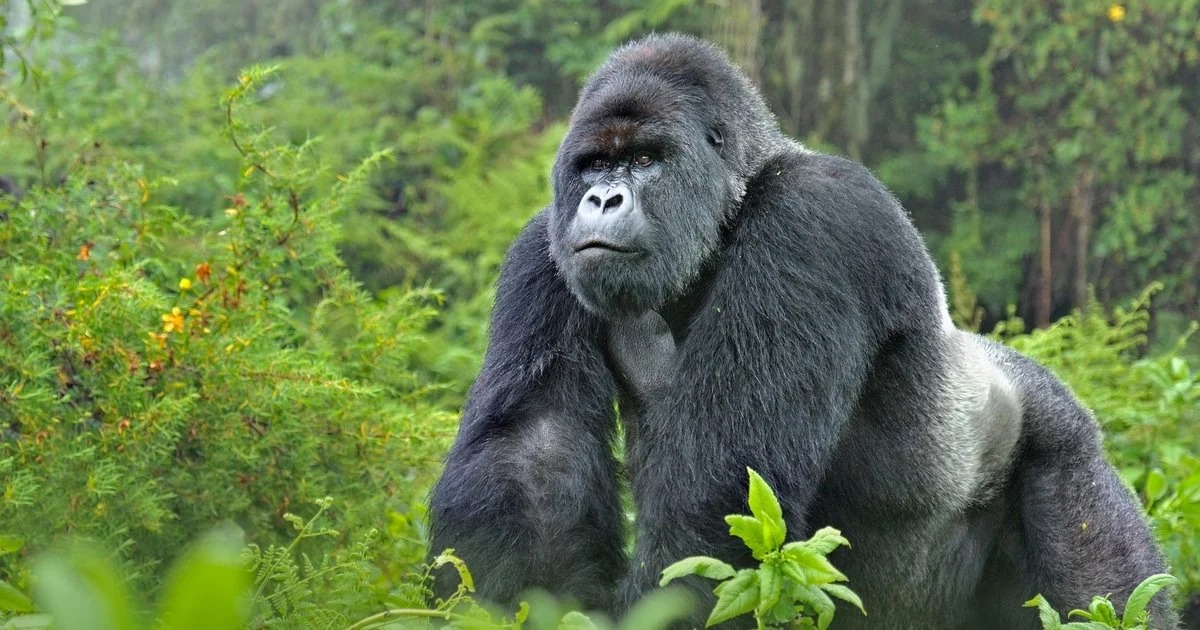
Responding to a Silverback Display
Occasionally, a silverback may stand or beat his chest to reinforce his position within the family. The correct response is to crouch slightly, avoid direct eye contact, and stay still until your guide signals it is safe to continue. Panicking or running is far more likely to escalate the situation than a calm, guided response.
Group Etiquette Beyond Distance Rules
Eating, drinking, or smoking near the gorillas is prohibited, since it can introduce contamination risks the animals cannot tolerate. Keeping conversation to a minimum and switching phones to silent mode helps preserve the calm atmosphere guides work to maintain.
Small courtesies like these make a noticeable difference in how relaxed the gorilla family remains throughout the visit.
Mistake Five: Overlooking the Cost of Extras
Focusing only on the permit price is a mistake many first-time trekkers make, only to be surprised by additional costs on the ground. Porter fees, tips for guides and rangers, transport, and accommodation all add up beyond the base permit. Budgeting realistically avoids awkward surprises partway through First-Time Gorilla Trekking.
Hiring a Porter Is Worth the Cost
Porters carry your daypack and offer a steadying hand on steep or slippery sections, and their fee is modest compared to the value they add. Many first-timers skip this step to save money, only to regret it partway up a difficult slope. Hiring a porter also supports the local community economy around the park.
Budgeting for Tips
Tipping guides, porters, and trackers is customary, though not always factored into initial trip budgets. Carrying enough cash in Ugandan shillings is important, since card payment is rarely available at the trailhead. A modest, planned tip shows appreciation for the team’s effort throughout a long trekking day.
Other Costs Worth Planning For
Visa fees, domestic flights or fuel for long road transfers, and travel insurance all add to the total trip cost beyond the permit itself. Meals and drinks at lodges, along with any optional activities like community walks or birding, are usually separate from your accommodation rate.
Building a realistic overall budget before booking prevents financial stress from overshadowing the experience itself.
How to Set Yourself Up for a Smooth First-Time Gorilla Trekking Experience
Avoiding these five mistakes largely comes down to planning ahead rather than leaving decisions until the last minute. Booking early, training physically, and packing properly cover most of what can go wrong on trek day. The rest comes down to staying calm, patient, and attentive once you are actually in the forest.
Working With an Experienced Operator
A knowledgeable local operator can help you avoid nearly all of these pitfalls before they become a problem. From matching your fitness to the right sector to coordinating permits and lodging, experienced planning removes much of the guesswork.
This support is especially valuable for travelers navigating First-Time Gorilla Trekking without prior experience in East Africa.
Setting Realistic Expectations
Understanding that gorilla families move unpredictably helps manage expectations about trek length and difficulty. Some days involve a short thirty-minute walk, while others stretch well beyond four hours before the family is located. Flexibility and patience are just as important as physical preparation.
Timing Your Trip Around the Seasons
Uganda’s dry seasons, from June through September and December through February, generally offer firmer, less slippery trails. Wet season trekking is still possible and sometimes less crowded, though it demands sturdier footwear and more caution underfoot.
Choosing your travel dates with the season in mind can meaningfully reduce the physical difficulty of the hike.
Frequently Asked Questions
What is the minimum age for gorilla trekking?
Uganda Wildlife Authority sets the minimum age at fifteen years old for standard gorilla trekking permits. This rule protects both younger visitors and the gorillas from unpredictable stress during encounters.
How long does a typical trek last?
Trek duration varies widely depending on the gorilla family’s location that morning, ranging from thirty minutes to five hours or more of hiking. The one-hour viewing window with the gorillas begins once the family is located.
Can I trek if I have a mild cold?
Trekkers showing signs of illness, even a mild cold, are usually asked to skip their trek that day to protect the gorillas from human disease transmission. Travel insurance covering trip changes is worth considering for exactly this reason.
What should I do if I can’t keep up with the group?
Guides regularly adjust pace for mixed-ability groups, and porters are available to offer extra support on steeper sections. Communicating fitness concerns honestly before the trek begins helps rangers plan the day appropriately.
Is it safe to trek gorillas while pregnant?
Uganda Wildlife Authority does not recommend gorilla trekking for pregnant travelers, given the physical demands and unpredictable terrain. Checking with a doctor and being transparent with your operator is the safest approach if this applies to you.
Final Thoughts on First-Time Gorilla Trekking
Most of what makes First-Time Gorilla Trekking difficult comes down to a handful of avoidable planning mistakes, not the trek itself. Booking early, training your body, packing smart, following your guide and budgeting realistically cover nearly every common pitfall.
Get these five right, and the hour you eventually spend with a wild gorilla family becomes exactly as unforgettable as it should be.
Plan Your First-Time Gorilla Trekking With Confidence
Ready to avoid these common mistakes and plan a smooth, well-prepared trek? Tulambule Uganda Safaris can help you book the right permit, match your fitness to the right sector, and prepare properly for every stage of the journey.
Contact Tulambule Uganda Safaris today to start planning your First-Time Gorilla Trekking adventure.