Chimpanzee Trekking Kibale Forest offers one of Africa’s best primate encounters. Discover 7 essential facts before you book your trek.
Few wildlife encounters compare to watching chimpanzees move through their natural forest home. Chimpanzee Trekking Kibale Forest ranks among Africa’s most rewarding primate experiences and Uganda’s Kibale National Park is widely considered the best place on the continent to do it.
Many travelers add this experience alongside gorilla trekking in the south. Others choose Chimpanzee Trekking Kibale Forest as a standalone adventure closer to Fort Portal. Either way, a little preparation goes a long way toward making the day unforgettable.
This guide walks through seven essential facts about Chimpanzee Trekking Kibale Forest. Each one answers a question first-time visitors commonly ask. By the end, you will know exactly what to expect and how to plan your trip.
If you are combining this with mountain gorillas, our guide to the Uganda Gorilla Permit Cost breaks down permit pricing by traveler category.
Fact 1: Kibale Forest Hosts Uganda’s Best Chimpanzee Trekking
Kibale National Park sits in western Uganda, not far from the town of Fort Portal. Chimpanzee Trekking Kibale Forest consistently earns top rankings among East Africa’s primate experiences. The park protects one of the highest primate densities anywhere on the continent.
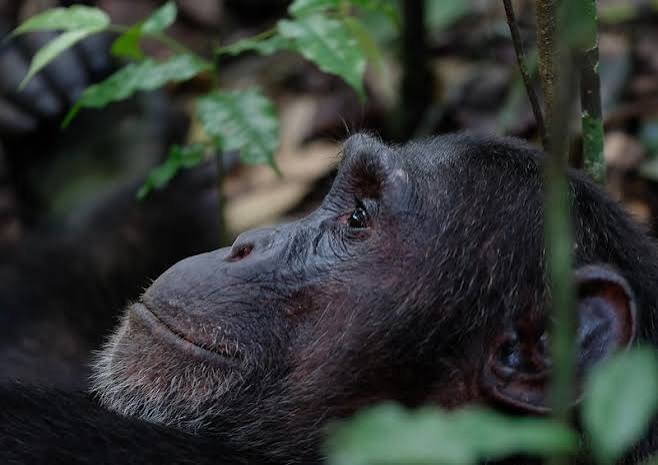
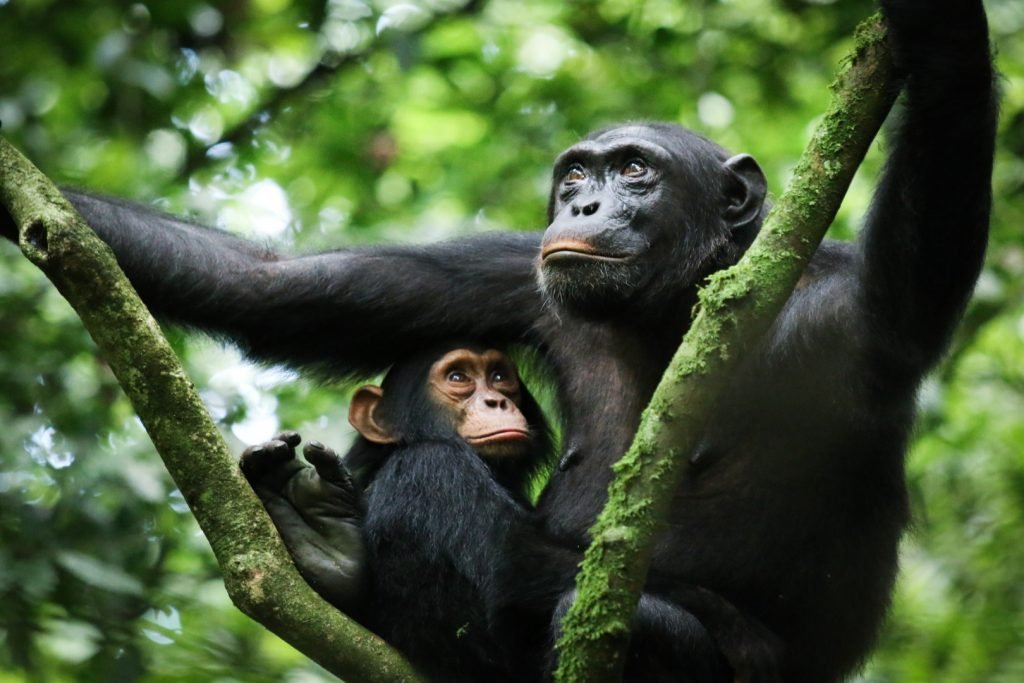
Roughly 1,500 chimpanzees live within Kibale’s forest boundaries, making it the largest known chimpanzee population in Uganda. Thirteen primate species share this forest in total, including red colobus monkeys and grey-cheeked manga beys. This density gives Chimpanzee Trekking Kibale Forest a sighting success rate that regularly exceeds ninety percent.
The habituated Kanyanchu chimpanzee community has been studied and observed for over twenty-five years. This long history means guides know the group’s territory and habits extremely well. Few other trekking destinations in Africa offer this level of tracking reliability.
How Kibale Compares to Other Primate Destinations
Several other parks across East Africa offer chimpanzee encounters, including Rwanda’s Nyungwe Forest and Tanzania’s Mahale Mountains. Kibale generally offers a shorter travel distance from Uganda’s capital and a higher overall sighting rate. This combination makes Chimpanzee Trekking Kibale Forest a convenient choice for travelers with limited time.
Accessibility also sets Kibale apart from more remote alternatives. Fort Portal, the nearest major town, connects easily to both Kampala and the western safari circuit. Travelers can reasonably combine Kibale with Queen Elizabeth National Park in a single loop itinerary.
Fact 2: Permits Are Required and Limited Daily
Chimpanzee Trekking Kibale Forest operates on a strict permit system, similar to gorilla trekking elsewhere in Uganda. Foreign non-resident permits typically cost around $250 per person, though rates can shift periodically. Confirming current pricing with a licensed operator before booking is always worthwhile.
Only a limited number of permits are issued for each trekking session, usually split between a morning and afternoon slot. This cap protects the chimpanzees from overexposure to human visitors. It also means Chimpanzee Trekking Kibale Forest permits can sell out during busy travel periods.
Booking several weeks or months in advance is recommended for peak season travel. Last-minute permits are sometimes available but should never be counted on. Early planning removes this uncertainty entirely from your itinerary.
What the Permit Fee Includes
Your permit for Chimpanzee Trekking Kibale Forest covers park entrance, ranger-guide services, and access to the habituated Kanyanchu community. It does not typically include transport, accommodation, or meals. Tips for guides and trackers are customary and generally appreciated.
Payment is usually processed through a licensed tour operator rather than directly at the gate. This arrangement simplifies logistics for most travelers, especially those combining multiple parks. Always request a receipt or confirmation number once your permit is secured.
Fact 3: The Best Time to Go Is During Uganda’s Dry Seasons
Uganda’s two dry seasons run roughly from December through February and June through September. Chimpanzee Trekking Kibale Forest is more comfortable during these months, since trails stay firmer and drier. Rain gear still matters, but conditions are generally more predictable.
Wetter months bring lush, vibrant forest scenery and fewer crowds on the trails. Chimpanzees also tend to stay closer to fruiting trees during these periods, which can shorten trekking time. Many photographers actually prefer the dramatic light and greenery of the rainy season.
Regardless of season, mornings in Kibale start cool and often misty. Chimpanzees are typically most active and vocal shortly after sunrise. Early trekking groups frequently enjoy the best encounters of the day.
Combining Kibale With Other Parks by Season
Travelers building a longer itinerary often time Chimpanzee Trekking Kibale Forest around visits to nearby Queen Elizabeth National Park. Dry season months keep road conditions favorable for the drive between the two parks. This pairing works well for a compact, one- to two-week Uganda safari.
Shoulder season travel, just before or after the heaviest rains, can offer a useful middle ground. Prices sometimes ease slightly during these transitional weeks. Flexibility with travel dates often rewards patient planners with better availability overall.
Fact 4: A Typical Trek Lasts Two to Four Hours
Chimpanzee Trekking Kibale Forest begins with an early morning briefing at the Kanyanchu Visitor Center. Rangers assign trekkers into small groups before heading into the forest together. Trekking itself usually lasts between two and four hours, depending on where the chimps are feeding.
Once your group locates a chimpanzee community, you are permitted one hour of close observation. Chimpanzees move quickly through the canopy, so guides work hard to keep groups within a respectful, safe distance. Patience and quiet movement significantly improve the quality of this hour.
Unlike mountain gorillas, chimpanzees spend considerable time high in the trees. Craning your neck upward is common, so a lightweight pair of binoculars adds real value. Comfortable footwear also matters, since trails can be uneven and occasionally slippery.
Fact 5: Habituation Experiences Offer a Deeper Alternative
Standard Chimpanzee Trekking Kibale Forest visits allow one hour with the chimps after they are located. A separate habituation experience extends that window dramatically, sometimes lasting up to ten hours. This option follows researchers as they work to habituate a still-wild community to human presence.
Habituation permits cost more and demand significantly greater physical stamina. Trekkers walk longer distances and spend far more time observing natural chimpanzee behavior up close. This experience suits travelers seeking research-level immersion rather than a shorter primate encounter.
Both options showcase Chimpanzee Trekking Kibale Forest at its best, just at different intensities. Choosing between them usually comes down to available time and fitness level. Either way, both deliver genuinely memorable wildlife encounters.
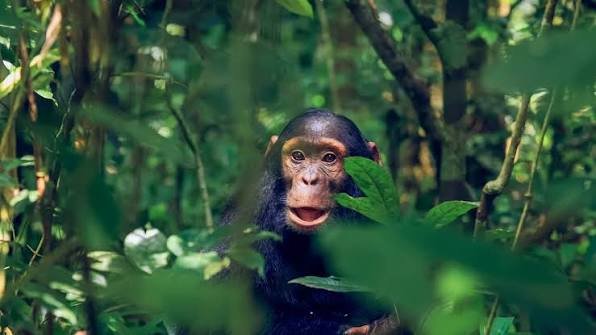
Fact 6: Kibale Offers Much More Than Chimpanzees Alone
While chimpanzees are the headline attraction, Kibale’s forest holds considerably more wildlife. Over 375 recorded bird species make this park a serious destination for birdwatchers. L’Hoest’s monkeys, olive baboons, and forest elephants also inhabit the surrounding woodland.
The nearby Bigodi Wetland Sanctuary offers a rewarding half-day add-on activity. Local guides lead walks through papyrus swamp habitat rich with monkeys and wetland birds. This community-run sanctuary also channels tourism revenue directly back into nearby villages.
Combining Chimpanzee Trekking Kibale Forest with a Bigodi walk rounds out a full day of primate and birding activity. Many travelers pair both activities into a single, efficient itinerary. Doing so maximizes the wildlife value of a Kibale visit without adding extra travel days.
Getting to Kibale and Where to Stay
Kibale National Park sits roughly a five to six hour drive from Kampala or Entebbe. Domestic flights to nearby Kasese or Fort Portal can shorten this considerably for time-limited travelers. Most tour operators handle transport as part of a broader multi-day itinerary.
Accommodation options near the park range from budget guesthouses to upscale forest lodges. Staying close to the Kanyanchu Visitor Center minimizes early morning travel time before your trek. Booking lodging alongside your Chimpanzee Trekking Kibale Forest permit through one operator often simplifies the entire process.
Fact 7: Preparation Makes the Experience More Enjoyable
Proper gear significantly improves comfort during Chimpanzee Trekking Kibale Forest. Sturdy, closed hiking shoes handle root-covered, occasionally muddy trails far better than sneakers. Long sleeves and pants protect against nettles and biting insects along the route.
A lightweight rain jacket is worth packing regardless of season, given the forest’s unpredictable weather. Our full Uganda Gorilla Trekking Packing List covers many of the same essentials that apply here as well. Water, snacks, and a small daypack round out a sensible kit for the trail.
Physical fitness requirements are generally moderate, making this activity accessible to most reasonably active travelers. Still, several hours of walking on uneven terrain should not be underestimated. Arriving well rested and properly hydrated makes a noticeable difference by midday.
A Sample Trekking Day
Most Chimpanzee Trekking Kibale Forest days begin with a light breakfast before dawn. Trekkers gather at the visitor center for a safety briefing around seven in the morning. Groups then set out into the forest shortly after, guided by experienced rangers and trackers.
By midday, most groups have completed their hour of observation and begun the return walk. Afternoons are often free for the Bigodi Wetland walk or simply resting at your lodge. This pacing leaves plenty of time to reflect on the morning’s encounter without feeling rushed.

Frequently Asked Questions About Chimpanzee Trekking Kibale Forest
How difficult is the trek?
Most sessions involve moderate walking over two to four hours on established forest trails. Fitness requirements are lower than many mountain gorilla treks in steeper terrain. Most reasonably active travelers handle it comfortably.
Can children participate?
Minimum age requirements typically apply, often around twelve years old. Requirements can vary, so confirming with your operator or the park directly is recommended. Younger children usually enjoy the Bigodi Wetland walk as an alternative activity.
Is a sighting guaranteed?
No wildlife encounter can be guaranteed with complete certainty. However, Chimpanzee Trekking Kibale Forest maintains an unusually high success rate thanks to well-habituated communities. Experienced trackers further improve the odds significantly.
What should I bring for photography?
A telephoto or zoom lens helps capture chimpanzees high in the canopy. Flash photography is generally discouraged to avoid disturbing the animals. Extra batteries are wise, since charging options are limited near the park.
Can I combine this with gorilla trekking?
Yes, many itineraries pair Chimpanzee Trekking Kibale Forest with a trip south to Bwindi or Mgahinga for gorillas. The two experiences complement each other well within a single Uganda safari. Travel time between the regions should be factored into your overall schedule.
Is trekking safe during pregnancy or illness?
Operators generally advise against trekking for pregnant travelers or anyone with a contagious illness. Chimpanzees are susceptible to human respiratory infections, much like mountain gorillas. Postponing your trek when unwell protects both your health and the chimpanzee community’s.
Final Thoughts on Chimpanzee Trekking Kibale Forest
Few experiences bring you as close to our closest living relatives as Chimpanzee Trekking Kibale Forest does. The park’s dense population, skilled guides, and rich surrounding ecosystem combine into a genuinely world-class primate encounter. Careful planning around permits, season, and gear makes the day even more rewarding.
Whether paired with gorilla trekking in the south or enjoyed as a standalone adventure, Kibale delivers consistently strong wildlife viewing. Its high sighting rates and manageable trekking difficulty make it accessible to a wide range of travelers. Few parks in Africa combine convenience and reward quite this well.
Chimpanzee Trekking Kibale Forest remains one of Uganda’s most underrated wildlife experiences. Travelers who take the time to understand these seven facts arrive better prepared and more likely to enjoy every moment. A well-planned visit here easily becomes a trip highlight.
Ready to Book Your Chimpanzee Trek?
Let Tulambule Uganda Safaris handle your permits, transport, and lodging for a seamless Kibale experience. Our team knows the trails, the seasons, and exactly what each trek demands.
Contact Tulambule Uganda Safaris today to start planning your chimpanzee trekking adventure in Uganda.