7 Top Destinations for Bird Lovers
Birding Safaris in Uganda reveal one of Africa’s richest bird habitats, home to over 1,080 species. Discover the seven top destinations every birder should visit.
Uganda holds one of the most remarkable bird lists on the planet. Over 1,080 species have been recorded within its borders, roughly half of everything found across Africa. For travelers planning birding safaris in Uganda, that number alone signals something special.
This guide highlights seven destinations that define the country’s best birding circuit today. Each offers a distinct habitat, from papyrus swamps to misty rainforest. By the end, you will know exactly where to point your binoculars first.
Why Uganda Is a Top Destination for Birding Safaris
Uganda sits at a rare ecological crossroads. Savannah grasslands from East Africa meet Central African rainforest here. Mountain ecosystems rise nearby too, all within a country smaller than the United Kingdom.
This mix of habitats explains why birding safaris in Uganda draw enthusiasts from around the world. Nearly 11 percent of the world’s bird species can be found somewhere within its borders. Few destinations pack so much diversity into such a compact area.
The Albertine Rift adds another layer of appeal. This mountainous region along Uganda’s western border hosts numerous endemic species found nowhere else on Earth. Birders chasing rare Albertine Rift specialties often build entire trips around this single region.
Uganda’s road network also makes multi-site birding practical. Many top destinations sit within a few hours of each other. This allows visitors to combine several distinct habitats into a single, efficient itinerary.
The Best Birding Safaris in Uganda: Top Destinations
Below are seven locations that consistently anchor the country’s finest birdwatching routes. Each rewards visitors with different species and scenery. Together, they capture the astonishing range of the country’s birdlife.
Mabamba Swamp: Shoebill Birding Safaris in Uganda
Mabamba Swamp sits on the northern shore of Lake Victoria, less than an hour from Kampala or Entebbe. This Ramsar-protected wetland is famous above all for one bird. The prehistoric-looking Shoebill Stork draws birders here from every corner of the globe.
Canoe trips glide quietly through dense papyrus channels in search of this elusive giant. Local guides know the swamp intimately and can often locate a resting Shoe bill within an hour. The experience feels intimate, unhurried, and deeply rewarding.
Beyond the Shoebill, Mabamba supports over 300 recorded species. Papyrus Gonolek, Blue Swallow, and African Jacana all frequent the wetland’s edges. Malachite Kingfishers flash along the water in vivid streaks of blue and orange.

Bwindi Impenetrable Forest: Albertine Rift Birding Safaris in Uganda
Bwindi is best known worldwide for mountain gorillas, but its birdlife deserves equal attention. This UNESCO World Heritage forest shelters over 350 recorded bird species. Twenty-three of these are Albertine Rift endemics found almost nowhere else.
The Regal Sunbird and African Green Broadbill rank among the forest’s most sought-after residents. Dense, ancient vegetation makes viewing challenging but immensely rewarding. Patient birders are typically rewarded with sightings unavailable anywhere else on the continent.
Trails through Bwindi wind past towering hardwoods and tangled undergrowth. Morning walks tend to offer the richest activity, as the forest wakes with calls and movement. Combining gorilla trekking with a birding walk here makes for an unforgettable double experience.
Queen Elizabeth National Park: Wetland Birding Safaris in Uganda
Queen Elizabeth National Park holds the title of Uganda’s most bird-rich park, with over 600 recorded species. Its habitats span open savannah, papyrus wetlands, forest patches, and the Kazinga Channel. Few single parks anywhere in Africa offer such variety.
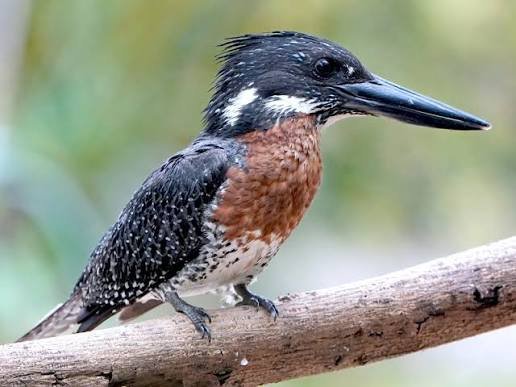
Boat cruises along the Kazinga Channel reveal dense concentrations of waterbirds alongside hippos and buffalo. African Skimmers slice low across the water’s surface here. Pelicans, herons, and kingfishers crowd the reedy banks in impressive numbers.
The Maramagambo Forest section adds a different dimension entirely. Forest specialists mix with savannah species along its shaded trails. Few destinations let visitors shift between such different ecosystems in a single day.
Kibale National Park: Rainforest Birding Safaris in Uganda
Kibale is Uganda’s primate capital, home to thirteen species including chimpanzees. It also ranks among the country’s finest rainforest birding destinations, with over 375 recorded species. Roughly 60 percent of these are true forest specialists.
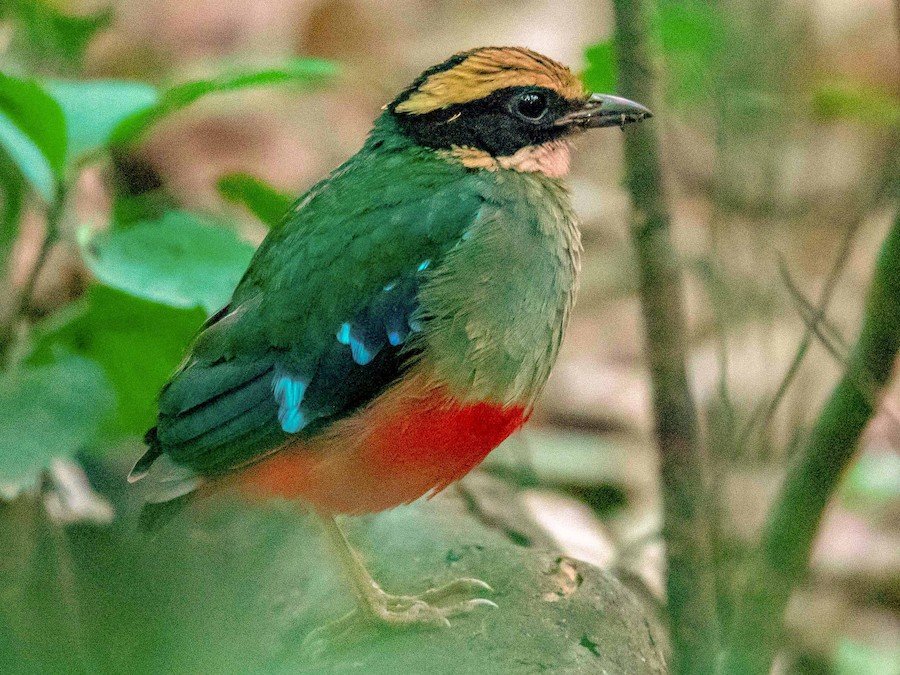
The Green-breasted Pitta stands out as Kibale’s most celebrated bird. This elusive, jewel-toned species draws dedicated birders willing to search patiently through the undergrowth. Sightings are never guaranteed, which only adds to the thrill.
The Bigodi Wetland Sanctuary trail, just outside the park, offers gentler and highly rewarding birding. Community-run and well-maintained, it pairs beautifully with a morning spent deeper in the forest. Kingfishers, turacos, and sunbirds appear regularly along its boardwalks.
Lake Mburo National Park: Savannah Birding Safaris in Uganda
Lake Mburo brings a distinctly different landscape to the birding circuit. Open acacia savannah replaces dense forest here, supporting over 350 recorded species. Its proximity to Kampala makes it an easy addition to shorter itineraries.
Nubian Woodpecker, Crested Francolin, and Broad-billed Roller are commonly seen along the park’s tracks. Because walking safaris are permitted here, birders can approach species on foot rather than from a vehicle. Few Ugandan parks offer this kind of intimate, ground-level access.
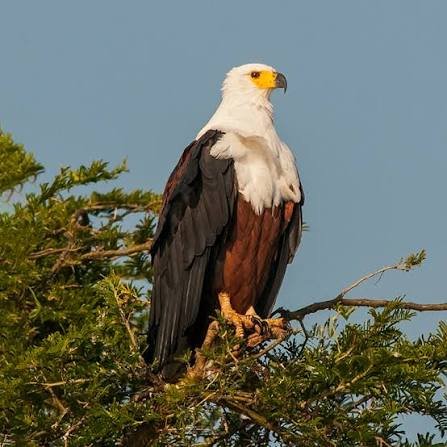
The lake itself adds waterbirds to the mix, including African Fish Eagles and various herons. Boat cruises along the shoreline combine easily with a game drive. This variety makes Lake Mburo a compact but surprisingly complete birding stop.
Murchison Falls National Park: River Birding Safaris in Uganda
Murchison Falls centers around the dramatic point where the Nile River forces itself through a narrow gorge. Below the falls, the river widens into prime habitat for waterbirds and raptors alike. Boat cruises along this stretch rank among Uganda’s most scenic birding experiences.
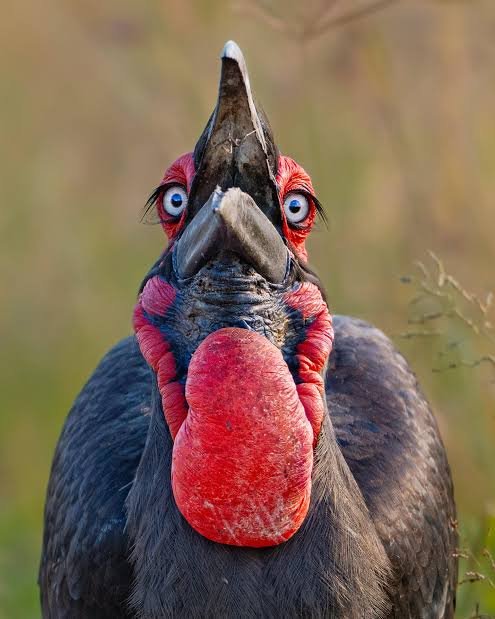
The rare Shoe bill Stork can also be found here, offering visitors a second chance beyond Mabamba Swamp. Goliath Herons stand motionless along the banks, dwarfing nearby egrets and ibises. Abyssinian Ground Hornbills stalk the surrounding grasslands in small, deliberate groups.
Riverine forest patches near the falls add yet another habitat type to explore. Raptors circle frequently above the gorge itself, drawn by thermals rising off the rock. Few places in Uganda combine dramatic scenery with birding quite this effectively.
Semuliki National Park: Congo Basin Birding Safaris in Uganda
Semuliki sits in Uganda’s extreme west, where the landscape shifts toward the Congo Basin. This transition brings species found nowhere else in East Africa. Birders seeking true rarities often consider Semuliki their top priority.
The Long-tailed Hawk and Congo Serpent Eagle both reach the eastern edge of their range within this forest. The elusive Nkulengu Rail calls from the undergrowth at dawn and dusk. Black-wattled Hornbills add a dramatic silhouette to the forest canopy.
Because the park sees fewer visitors than Uganda’s larger reserves, its trails often feel wonderfully quiet. This solitude suits the patient, focused pace that serious birding demands. Specialist guides here know exactly where to listen for the forest’s rarest voices.

What to Expect from Birding Safaris in Uganda
Regardless of destination, certain elements remain consistent across the country’s birding circuit. Early mornings almost always produce the richest activity, as birds forage before the heat sets in. Guides typically plan departures well before sunrise to make the most of this window.
Specialist local guides make an enormous difference to any birding trip. Many have spent years learning individual calls, favored perches and seasonal movements. Their knowledge routinely turns a difficult search into a confident, efficient sighting.
Equipment matters too, though requirements stay fairly simple. A good pair of binoculars and a field guide cover most needs. Serious photographers often add a telephoto lens to capture distant or fast-moving subjects.
Transport between sites is generally straightforward, given Uganda’s relatively compact size. Many itineraries combine two or three parks within a single week. This efficiency is part of what makes the country so appealing to birders with limited time.
Best Time for Birding Safaris in Uganda
Uganda’s birdlife remains active year-round, unlike destinations with sharply defined migration windows. The dry seasons, from December to February and June to August, offer the easiest access to remote trails. Roads firm up and forest paths become considerably less muddy.
The wetter months bring their own rewards, particularly for resident and migratory species alike. Palearctic migrants arrive between November and April, adding extra variety to established checklists. Wetland sites like Mabamba Swamp often peak in activity during these months.
Because Uganda straddles the equator, seasonal shifts remain relatively mild throughout the year. This makes birdwatching here a genuinely year-round pursuit. Travelers rarely need to plan around a narrow seasonal window the way they might elsewhere.
How to Choose the Right Destinations for You
Start by considering how much time you have available. A short trip might focus on Mabamba Swamp and Lake Mburo, both within easy reach of Kampala. A longer itinerary can stretch toward Bwindi, Kibale, or the more remote Semuliki forest.
Your target species should also guide your route. Shoebill hunters gravitate toward Mabamba Swamp or Murchison Falls. Those chasing Albertine Rift endemics will find Bwindi difficult to skip.
Combining birding with other interests often makes sense too. Chimpanzee tracking pairs naturally with Kibale’s forest trails. Gorilla trekking permits fit easily alongside a morning of birding in Bwindi.
Finally, think about pace and comfort. Serious birders often prefer slower, more deliberate itineraries with extra time at each stop. Casual travelers might prefer a broader overview that samples several habitats without lingering too long anywhere.
A Sample One-Week Birding Itinerary
Day one typically begins with a canoe trip through Mabamba Swamp in search of the Shoebill. Afternoon travel continues toward Lake Mburo, arriving in time for an evening walk. Savannah species like the Broad-billed Roller often appear within the first hour.
Days two and three shift toward Bwindi, allowing time for both forest birding and a possible gorilla trek. Early morning walks along forest trails offer the best chance at Albertine Rift endemics. Afternoons can be spent resting or exploring nearby community trails.
The remaining days often move toward Kibale and its Bigodi Wetland Sanctuary. A final stop at Queen Elizabeth National Park adds wetland and savannah species before departure. This route captures rain forest, savannah and wetland habitats within a single well-paced week.
Combining Birding with Other Uganda Experiences
Many travelers pair their birding safaris in Uganda with other iconic activities the country is known for. Gorilla trekking in Bwindi and chimpanzee tracking in Kibale both sit within easy reach of excellent forest birding trails. A single permit day can often be extended with an early morning or late afternoon birding walk.
Cultural encounters add another dimension to many itineraries. Community-run guided walks near Bigodi and Mabamba employ local experts who depend directly on birding tourism. Supporting these programs helps fund conservation efforts while delivering some of the country’s most knowledgeable guiding.
Photography enthusiasts often extend their stay at wetland and riverine sites for this reason. Soft early light along the Kazinga Channel or the Nile below Murchison Falls produces some of the best images of the entire trip. Patient photographers frequently return with portfolios rivaling any dedicated wildlife safari.
For travelers short on time, a few well-chosen stops still deliver an outstanding sample of the country’s birdlife. Mabamba Swamp alone can be visited as a half-day trip from Kampala or Entebbe. Even a brief visit offers a genuine taste of what makes the region’s birding so celebrated.
Gear and Guiding Tips for Serious Birders
A quality pair of binoculars makes the single biggest difference on any birding trip. Something in the 8×42 range balances magnification with a wide, stable field of view. Compact travel binoculars often struggle in Uganda’s dense forest light.
Local guides are worth every shilling spent on their services. Many have spent decades learning individual calls, seasonal movements and favored perches within a single forest block. Their trained ears frequently catch a rare call long before any visitor notices movement.
Recording apps and offline field guides make useful backup tools. They rarely replace a skilled local guide, but they help visitors log sightings and cross-reference calls afterward. Many birders keep a simple notebook running alongside their app of choice.
Patience remains the most valuable skill of all. Forest species in particular can take considerable time to reveal themselves. Slowing down, listening carefully and trusting the guide’s instincts consistently produces the best results.
A Note on Conservation
Birding tourism plays a meaningful role in protecting Uganda’s wetlands and forests. Entry fees and guide wages tied to sites like Mabamba Swamp give local communities a direct incentive to protect the habitat. Wetlands once threatened by drainage or overfishing now generate steady income precisely because visitors come to see the birds living there.
Community-led conservation extends well beyond a single swamp. Ranger patrols, habitat restoration projects, and environmental education programs frequently rely on tourism revenue to operate.
Choosing guides and lodges that reinvest in these efforts helps ensure the country’s remarkable bird populations remain healthy for future visitors.
Frequently Asked Questions
Do I need prior birding experience to join a Uganda birding safari?
No, guides tailor the pace to every experience level. Beginners often leave with a longer list than they expected.
Is the Shoebill guaranteed on a Mabamba Swamp trip?
Sightings are very likely but never guaranteed, since it remains a wild bird. Most guides report success rates above 80 percent with an early departure.
Can birding be combined with gorilla or chimpanzee trekking?
Yes, many itineraries pair these activities naturally. Bwindi and Kibale both offer excellent birding alongside their primate permits.
What should I pack for a Uganda birding trip?
Neutral clothing, a reliable pair of binoculars, and rain protection cover most needs. A lightweight field guide is also worth carrying for quick reference.
Final Thoughts
Uganda’s astonishing bird diversity rewards both casual travelers and dedicated listers alike. Few countries offer this range of habitats within such manageable distances. Every region adds its own signature species to an already remarkable list.
Whether chasing the Shoebill through papyrus swamp or listening for the Green-breasted Pitta in dense forest, the country delivers constantly. Each of the seven destinations above brings something genuinely different to the table. Planning a route around even two or three of them guarantees a rewarding trip.
Take time to match your itinerary to your interests before booking. Consider your available time, target species, and preferred pace. A little planning turns a good birding trip into an extraordinary one.
Book Your Birding Safaris in Uganda with Tulambule Uganda Safaris
Ready to see the Shoebill, the Green-breasted Pitta, and everything in between?
Tulambule Uganda Safaris can design a birding itinerary around your target species, timeline, and budget. Reach out today and let Tulambule Uganda Safaris turn this guide into your next unforgettable adventure.