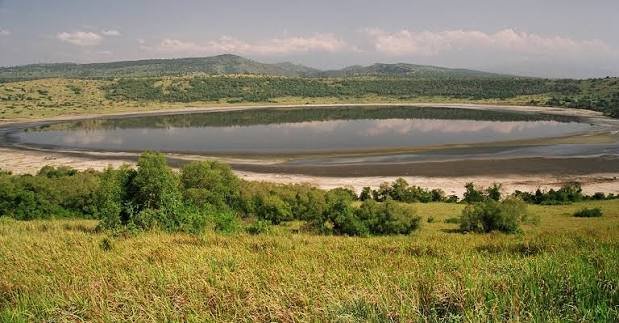

Birding in Uganda: A Remarkable Wildlife Experience
Birding in Uganda is one of the most rewarding ways to explore the country’s incredible natural beauty. With tropical forests, wetlands, lakes, rivers, mountains and open savannas, Uganda provides a wide range of habitats for an impressive variety of bird species. From the famous shoebill to colorful kingfishers, turacos, bee-eaters, hornbills and majestic birds of prey, every birding trip can bring a new discovery.
What makes birding in Uganda special is the diversity of experiences available within one country. Travelers can search for the shoebill in Mabamba Swamp, explore forest birds in Kibale and Bwindi, watch waterbirds around Lake Victoria and enjoy savanna birding in Lake Mburo, Queen Elizabeth, Murchison Falls and Kidepo Valley national parks.
Birdwatching is also a peaceful way to experience Uganda. Rather than simply moving from one attraction to another, birding encourages travelers to slow down, listen to bird calls and observe the smaller details of nature. A quiet morning in a forest, wetland or savanna can produce some of the most memorable moments of a Uganda safari.
Why Choose Uganda for Birding?
Uganda is an excellent destination for birdwatchers because of its remarkable habitat diversity. The country has tropical rainforests, montane forests, papyrus wetlands, lakeshores, rivers, grasslands, woodlands and savannas. Each environment supports different bird species, giving visitors opportunities to see a wide variety of birds during one trip.
Another advantage of birding in Uganda is that many important birding destinations can be combined with other tourism experiences. Travelers can enjoy birdwatching alongside gorilla trekking, chimpanzee tracking, game drives, boat cruises, nature walks and cultural experiences.
Uganda is also suitable for both experienced birdwatchers and beginners. You do not need to arrive with extensive knowledge of African birds. With a pair of binoculars, a good bird guide book and an experienced local guide, beginners can quickly learn to recognize different species.
For experienced birders, Uganda offers the excitement of searching for specialist forest birds, wetland species, Albertine Rift birds and other species that make the country an important birdwatching destination in Africa.
The Shoebill: Uganda’s Most Sought-After Bird
No discussion about birding in Uganda would be complete without the shoebill. This extraordinary wetland bird is famous for its enormous bill, tall body and prehistoric appearance. It is one of the birds that attracts visitors from around the world specifically for birdwatching.
The shoebill prefers wetlands where it can search for fish and other prey. Mabamba Swamp near Entebbe is one of the best-known places to search for this remarkable species. Visitors can explore the wetland by boat with a knowledgeable local guide who understands the habitat and where shoebills may be encountered.
A shoebill sighting is never guaranteed because these are wild birds, but the search itself is part of the adventure. Even when a shoebill does not appear, the wetlands can provide opportunities to see kingfishers, herons, egrets, cormorants and other water-associated birds.
For many visitors, seeing a shoebill in its natural habitat becomes the highlight of their Uganda birding safari.
Best Birding Destinations in Uganda
Uganda has many excellent birding destinations, and each provides a different experience. The best choice depends on the species you want to see, the amount of time available and whether you want to combine birdwatching with other wildlife activities.
Mabamba Swamp
Mabamba Swamp is one of the most popular destinations for birding in Uganda, especially for travelers hoping to see the shoebill. Located near Lake Victoria and relatively close to Entebbe, the wetland can be explored by boat.
The extensive papyrus and wetland vegetation provide habitat for numerous bird species. Visitors can search for the shoebill while also watching kingfishers, herons, egrets and other wetland birds.
Because of its location, Mabamba Swamp is particularly convenient for travelers arriving through Entebbe. It can be included as a half-day excursion or as part of a longer Uganda birding itinerary.
Lake Mburo National Park
Lake Mburo National Park is another excellent destination for birding in Uganda. Its combination of open grasslands, acacia woodland, wetlands and lakeshore provides different habitats for bird species.
One of the advantages of birding in Lake Mburo is the opportunity to combine birds with other wildlife. Visitors can enjoy game drives, boat trips, nature walks and other activities while watching species such as kingfishers, hornbills, bee-eaters, fish eagles and different savanna birds.
The park is also relatively accessible from Kampala, making it a practical option for travelers who have limited time but still want to experience Uganda’s birdlife.
Queen Elizabeth National Park
Queen Elizabeth National Park is well known for its wildlife, but it is also a rewarding destination for birdwatching. The park contains savanna, woodland, wetlands, lakes and riverine habitats.
The Kazinga Channel is particularly interesting for bird lovers. A boat cruise allows visitors to observe birds along the shoreline while also viewing hippos, crocodiles and other wildlife.
Game drives provide additional birding opportunities in the park’s savanna and woodland areas. This combination makes Queen Elizabeth a good choice for travelers who want both traditional wildlife viewing and birdwatching.
Kibale National Park
Kibale National Park is one of Uganda’s leading destinations for chimpanzee tracking, but it is also highly rewarding for birdwatchers. Its tropical forest supports many forest species that cannot easily be found in open savanna.
Forest birding requires patience because birds may remain high in the canopy or hidden among leaves. An experienced guide can identify calls and help visitors locate species that would otherwise be difficult to find. Combining chimpanzee tracking with birding in Uganda in Kibale creates an excellent primate and birdwatching experience.
Bwindi Impenetrable National Park
Bwindi is one of Uganda’s most important forest birding destinations. The ancient forest provides habitat for numerous bird species, including birds associated with the Albertine Rift. The dense vegetation can make birdwatching challenging, but this is also part of the excitement. Birds may appear suddenly through the forest canopy, giving patient observers memorable sightings.
Travelers visiting Bwindi for gorilla trekking can add birdwatching to their itinerary. This makes it possible to enjoy two of Uganda’s most famous wildlife experiences in one destination.
Mgahinga Gorilla National Park
Mgahinga Gorilla National Park offers another opportunity to explore mountain and forest bird habitats. Located within the Virunga landscape, the park has montane vegetation and beautiful volcanic scenery. Birding here can be combined with gorilla trekking, golden monkey tracking and hiking. The changing elevations create opportunities to observe different species while enjoying spectacular mountain views.
Murchison Falls National Park
Murchison Falls National Park provides a mixture of savanna, woodland, riverine and wetland habitats. The River Nile adds an important aquatic environment that attracts various bird species. Visitors can combine birdwatching with game drives and boat cruises. The park’s diverse habitats mean that birders can search for species associated with both open landscapes and water.
Kidepo Valley National Park
Kidepo Valley National Park provides a unique birding experience in northeastern Uganda. The park is characterized by open valleys, mountains, dry landscapes and semi-arid habitats. Its remote location is part of its appeal. Travelers who enjoy less crowded destinations can combine birding in Uganda with game drives and cultural experiences among the communities surrounding the park.
Semuliki National Park
Semuliki National Park is particularly important for serious birdwatchers interested in forest species. Its lowland tropical forest provides habitat for birds associated with Central African ecosystems. The park’s location within the Albertine region contributes to its distinctive biodiversity. Birding excursions can be especially rewarding for visitors searching for forest specialists that are difficult to encounter elsewhere.
Birds You Can See in Uganda
The variety of birds encountered during birding in Uganda depends on the destination, habitat and season. However, visitors can expect opportunities to see many fascinating species.
African Fish Eagle
The African fish eagle is one of the most recognizable birds of prey in Uganda. It is commonly associated with lakes, rivers and wetlands. Its distinctive call can often be heard before the bird is located. Once you know its appearance and call, it becomes one of the easier raptors for beginners to identify.
Great Blue Turaco
The Great Blue Turaco is a striking forest bird with an impressive appearance. It is associated with forest and woodland habitats and can be a memorable sighting for birdwatchers. Because turacos often remain in trees, binoculars are important when searching for them.
Grey Crowned Crane
The grey crowned crane is one of Uganda’s most recognizable birds. Its golden crown, elegant body and long legs make it a favorite among photographers. It can be associated with grasslands and wetland environments, although sightings depend on habitat and location.
Kingfishers
Uganda has several species of kingfishers, making them an exciting group for birdwatchers. Their colorful plumage and fascinating hunting behavior make them popular with photographers. They can be found around lakes, rivers, wetlands and forest streams. A pair of binoculars can help you observe them without disturbing their natural behavior.
Hornbills
Hornbills are another group to look for during birding in Uganda. Their large bills and distinctive shapes make them relatively easy to recognize. Different species occur in different habitats, so travelers may encounter hornbills in forests, woodlands and savanna landscapes.
Bee-Eaters
Bee-eaters are among Uganda’s most colorful birds. Their bright plumage and energetic movements make them particularly attractive to photographers. They often catch insects while flying and return to a perch after feeding. Watching this behavior can be one of the most enjoyable experiences during a birding excursion.
Birding in Uganda’s Forests
Forest birding offers a completely different experience from watching birds in open savanna. Birds can remain hidden among leaves, branches and dense vegetation, meaning that listening is just as important as looking. A professional guide can identify birds through their calls and help visitors locate them. Sometimes a bird may be heard several times before it is finally seen.
Patience is therefore important. Instead of constantly moving, birdwatchers can stop in productive areas, listen carefully and scan the canopy with binoculars. Forest birding can be especially rewarding because many forest species are highly specialized and may not be found in open habitats.
Birding in Uganda’s Wetlands
Wetlands are among the most important habitats for birding in Uganda. They provide food, water, shelter and breeding areas for numerous bird species. Mabamba Swamp is one of the best-known examples, but Uganda has many other wetlands that support fascinating birdlife.
Boat excursions are particularly useful in wetland environments because they allow visitors to approach areas that may be difficult to reach on foot. The calm pace of a boat trip also provides excellent opportunities for photography and observation.
Birding in Uganda’s National Parks
Uganda’s national parks provide opportunities to combine birdwatching with other wildlife experiences. A visitor can watch birds in the morning and spend the rest of the day searching for mammals, primates or other attractions. For example, Queen Elizabeth and Murchison Falls offer opportunities to combine birding with game drives and boat cruises. Kibale and Bwindi allow travelers to combine forest birding with primate experiences.
Lake Mburo provides another excellent combination of birding, wildlife viewing, walking and water-based activities. This flexibility makes Uganda suitable for both specialist birdwatchers and travelers who simply want to add birding to a wider safari.
Best Time for Birding in Uganda
Birding in Uganda can be enjoyed throughout the year. However, different seasons can provide different advantages depending on your interests. Periods when migratory birds are present can increase the variety of species available to birdwatchers. Travelers who want to see both resident and migratory species can plan their safari around these periods.
The wetter months can also be productive because food becomes more available and vegetation supports increased bird activity. Breeding behavior may also make these periods particularly interesting. The drier months can provide easier wildlife viewing and comfortable conditions for many safari activities. However, birdwatching remains possible throughout the year, so your travel dates can also be based on other safari interests.
Best Time of Day for Birdwatching
Early morning is generally one of the best times for birding in Uganda. Birds are often active after sunrise, temperatures are cooler and the environment is quieter. Morning birding is particularly useful in forests and wetlands because bird calls can be easier to hear before other environmental sounds become dominant.
Late afternoon can also be productive as temperatures begin to fall. The softer light during this period can provide excellent opportunities for bird photography. If birdwatching is your main interest, consider planning both morning and afternoon sessions. This gives you more opportunities to encounter species with different activity patterns.
Essential Equipment for Birding in Uganda
The right equipment can make your experience much more enjoyable. You do not need extremely expensive equipment to start birdwatching, but several items are particularly useful.
Binoculars
Binoculars are one of the most important pieces of equipment for birding. They allow you to observe birds that are high in trees, far across wetlands or difficult to approach. A good pair of binoculars can reveal important identification features such as colors, markings, bill shape and body size.
Bird Guide Book
A bird guide book is another essential companion for a birding safari. It allows you to compare unfamiliar birds with photographs or illustrations and learn about their habitats and behavior. For beginners, a bird guide book can turn the trip into an enjoyable learning experience. You can record the species you see and gradually become more confident with bird identification.
Camera
A camera with a suitable zoom or telephoto lens is useful for bird photographers. However, photography should never come at the expense of responsible wildlife viewing.
Birding Checklist and Notebook
A small notebook or bird checklist can help you record species, locations and interesting observations. For serious birdwatchers, maintaining a detailed checklist can become one of the most enjoyable parts of a Uganda birding safari.
Comfortable Clothing
Comfortable clothing, a hat, sunscreen, insect protection and suitable walking shoes are also recommended. Neutral-colored clothing can help you blend into the environment and reduce unnecessary disturbance.
The Importance of a Professional Bird Guide
A professional bird guide can significantly improve your birding in Uganda experience. Many species can be difficult to identify when they are hidden in vegetation or seen only briefly. Experienced guides understand bird calls, habitats and behavior. They can often locate a bird before visitors even see it.
A guide can also explain why particular species live in certain habitats and how they interact with the ecosystem. This makes the experience more educational and meaningful. If birdwatching is your main reason for traveling, inform your tour operator before your trip. A dedicated birding itinerary can provide more time for slow exploration and species identification.
Bird Photography in Uganda
Uganda offers excellent opportunities for bird photography because of its diverse landscapes and birdlife. Forests, wetlands, lakeshores and savannas provide different backgrounds and photographic conditions. Patience is essential. Instead of chasing birds, photographers can wait quietly near productive areas and observe their behavior.
A telephoto lens is useful because it allows you to maintain a respectful distance. Early morning and late afternoon can provide softer natural light for photographs. Always prioritize wildlife welfare. Avoid disturbing nests, breeding birds or habitats simply to obtain a photograph.
Combining Birding with Other Uganda Experiences
One of the greatest advantages of birding in Uganda is that it can easily be combined with other tourism experiences. In Bwindi, travelers can combine birdwatching with gorilla trekking. In Kibale, birding can be combined with chimpanzee tracking. In Queen Elizabeth and Murchison Falls, visitors can combine birdwatching with game drives and boat cruises.
Lake Mburo allows travelers to combine birding with nature walks, game drives and boat trips. This makes it possible to design a safari that suits different interests. Families, couples, photographers and specialist birdwatchers can all enjoy Uganda’s birdlife while experiencing other attractions.
Responsible Birding in Uganda
Responsible tourism is important for protecting Uganda’s birds and their habitats. Birdwatchers should observe birds without causing unnecessary stress or disturbance. Avoid chasing birds, making excessive noise or approaching nests too closely. Never remove eggs, feathers or other natural materials from protected areas.
Following the instructions of your guide helps protect wildlife and sensitive habitats. Responsible birdwatching ensures that Uganda’s birdlife remains available for future generations to enjoy.
Plan Your Uganda Birding Safari
Planning your trip carefully can make your birding in Uganda experience more rewarding. Start by identifying the species and habitats that interest you most. If you want a broad birding experience, consider combining wetlands, forests, savanna and lakeshore environments. Visiting several destinations can provide a much greater variety of bird species.
Choose accommodation based on location, accessibility and the availability of experienced guides. For serious birdwatchers, early departures and knowledgeable guides can be more valuable than simply choosing the most luxurious accommodation. Most importantly, carry your binoculars and bird guide book every day. Birds can appear unexpectedly, even around your accommodation or along the road between destinations.
Contact Us for a Uganda Birding Safari
Ready to experience birding in Uganda for yourself? We can help you plan a birding safari designed around your interests, travel dates and budget. Whether you want to search for the shoebill at Mabamba Swamp, explore forest birds in Bwindi and Kibale, or combine birdwatching with Uganda’s famous wildlife experiences, your trip can be tailored to your needs.
Contact us today to discuss your Uganda birding safari. We can help organize transportation, accommodation, park activities and experienced bird guides so that you can focus on enjoying Uganda’s incredible birdlife. Whether you are an experienced birdwatcher looking for specific species or a first-time birder wanting to discover Africa’s colorful birds, we are ready to help you create a memorable experience.
Plan your birding adventure with us and discover why Uganda is one of Africa’s most rewarding birdwatching destinations.