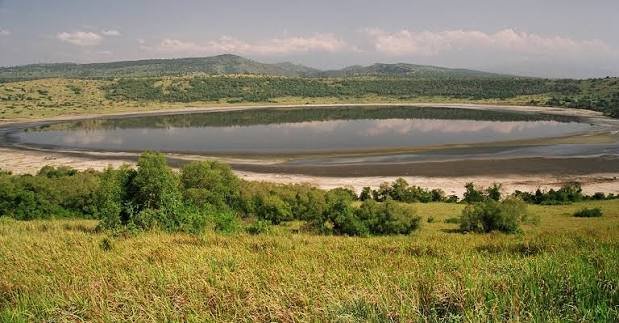

Semliki National Park Birding is Uganda’s top rain forest bird watching adventure, home to 441+ species, rare horn bills and Congo-Guinea specials found nowhere else in East Africa.
The Essential Guide to 400+ Rare Species
Semliki National Park Birding is without exaggeration, one of the most rewarding wildlife experiences in East Africa. Tucked into the Semliki Valley in western Uganda, along the border with the Democratic Republic of Congo, this ancient lowland rain forest is the only true extension of the vast Ituri Forest found anywhere in the region.
For anyone serious about bird watching, Semliki National Park is not just another stop on a Uganda itinerary it is the destination that separates a good birding trip from an extraordinary one.
With more than 441 recorded species, Semliki National Park offers birders a checklist that represents roughly 40% of Uganda’s entire bird list and around 66% of the country’s forest-dependent species.
This guide walks you through everything you need to know before you plan your own Semliki National Park adventure: the habitats, the star species, the best trails, the ideal timing, and practical tips that will help you make the most of every hour in the forest.
Why Semliki National Park Birding Stands Out in East Africa
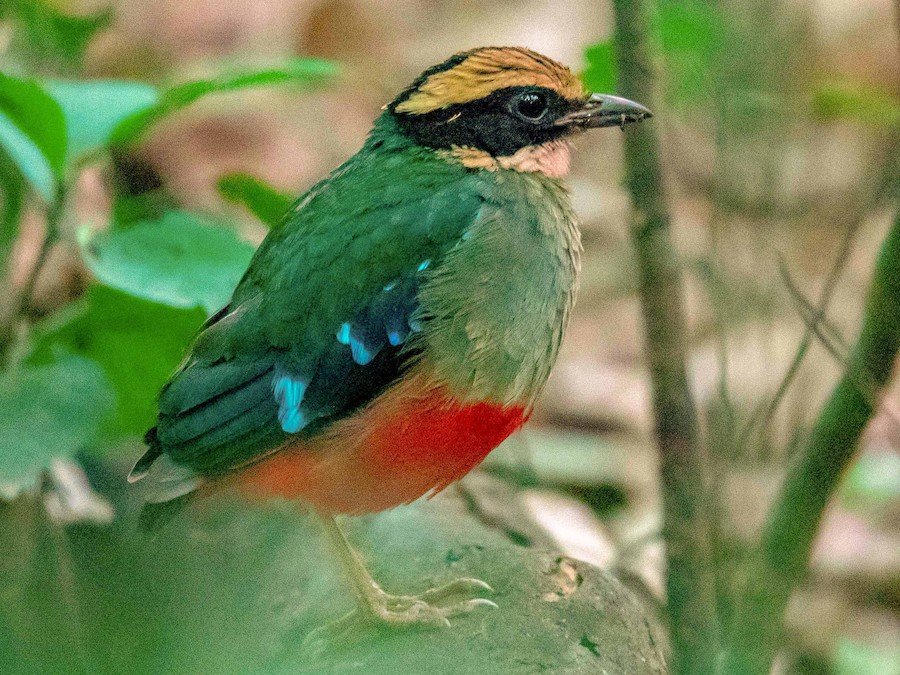
Most Ugandan forests share overlapping species lists, but Semliki National Park is different because its bird community is drawn from the Congo Basin rather than the East African highlands. The park’s checklist includes dozens of Guinea-Congo biome specials that simply do not occur anywhere else in East Africa, which is exactly why experienced birders travel from across the world specifically for birding in Semliki National Park.
Because Semliki sits at the edge of two major bio-geographic zones the Central African lowland rain forest and the Albertine Rift, Semliki National Park rewards visitors with an unusual mix of species. In a single morning, it is possible to tick Central African forest specialists alongside Albertine Rift endemics that occur almost nowhere else on Earth. This overlap is the single biggest reason birding in Semliki National Park has such a devoted following among serious listers and photographers alike.
Semliki National Park Birding: Location and Habitat
Semliki National Park covers roughly 220 square kilometers in the Bundibugyo and Ntoroko districts of western Uganda, bordered by the Rwenzori Mountains to the south and the Semliki River and Lake Albert to the north.
This relatively small footprint is what makes Semliki National Park so remarkable proportionally, few parks in Africa pack in as much avian diversity per square kilometer.
The park’s habitat is dominated by lowland tropical rain forest, but Semliki National Park Birding also benefits from riverine forest along the Semliki River, patches of savanna grassland in the east, swampy clearings, and the famous Sempaya hot springs area. This habitat mosaic means that Semliki National Park is never one-dimensional; different micro-habitats hold entirely different bird communities, so a full day of exploring several zones dramatically increases your species count.
Sempaya Hot Springs and Semliki National Park Birding
The Sempaya hot springs, known locally as Bintente (the “male” spring) and Nyasimbi (the “female” spring), sit within a clearing surrounded by dense forest. Birders doing Semliki National Park Birding often start here, since the open canopy and forest edge attract sun birds, flycatchers, and horn bills that are easier to spot in better light than deep inside the closed-canopy forest.
Best Time for Semliki National Park Birding
Timing matters enormously for Semliki National Park Birding. The dry seasons, from December to February and June to August, offer the most comfortable trail conditions and the easiest access along forest paths that can otherwise become muddy and slippery. However, many resident forest specials can be found year-round, so birding is a viable activity in almost any month.
Early morning remains the golden window for Semliki National Park Birding. Activity peaks between 6:30 a.m. and 10:00 a.m., when forest birds are most vocal and easiest to locate by call before the heat of the day settles over the canopy. A second, quieter activity window opens again in the late afternoon, making Semliki National Park Birding a two-session-a-day activity for those chasing a long checklist.
Top Species to See In Semliki National Park
The heart of any Semliki National Park trip is, of course, the birds themselves. Below are the groups and individual species that make this park a bucket-list destination.
Congo-Guinea Biome Specials in Semliki National Park Birding
This is the category that defines Semliki National Park Birding for most visiting birders. The park’s checklist includes dozens of Guinea-Congo biome species recorded nowhere else in East Africa, alongside others that can only be found in two or three other Ugandan locations.
Highlights that make Semliki National Park Birding so prized among specialists include the Nkulengu Rail, Yellow-throated Cuckoo, Capuchin Babbler, Swamp Palm Bulbul, Yellow-throated Nicator, White-throated Blue Swallow, and the striking African Piculet. Serious Semliki National Park trips are often built entirely around locating this handful of Central African specialties.
Hornbills — Icons of Semliki National Park Birding
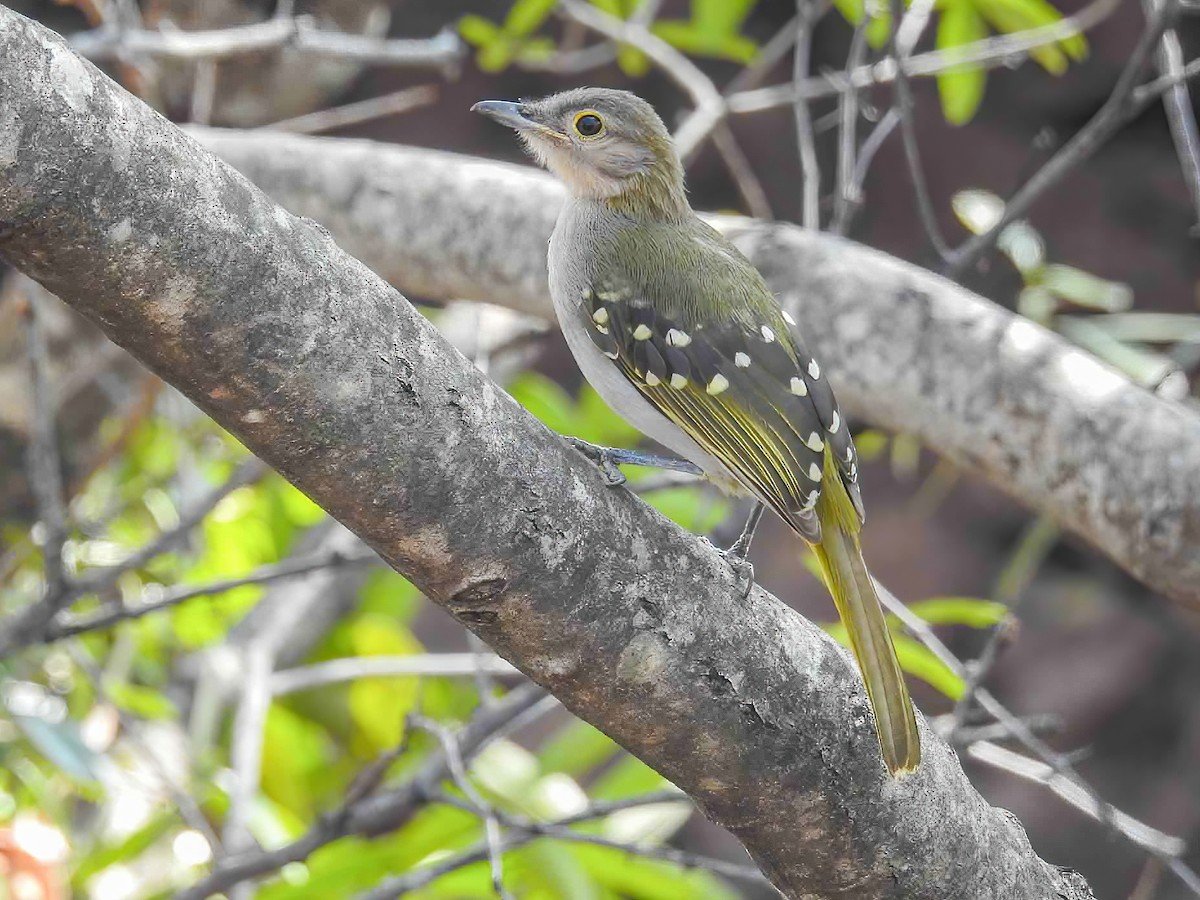
No discussion of Semliki National Park is complete without mentioning its extraordinary horn bill diversity. The park hosts around nine horn bill species, several of which are rarely, if ever, recorded elsewhere in Uganda.
During Semliki National Park Birding outings, keep an eye out for the Piping Hornbill, Red-billed Dwarf Hornbill, Black Dwarf Hornbill, White-crested Hornbill, Black-and-white-casqued Hornbill, Black-casqued Wattled Hornbill, and the impressive, turkey-like Ground Hornbill occasionally reported near forest clearings. Hornbills are often the loudest and most visible birds during Semliki National Park Birding sessions, their wing beats and calls carrying far through the canopy.
Albertine Rift Endemics and Semliki National Park Birding
While Semliki is best known for its Central African specialties, Semliki National Park Birding also delivers a handful of prized Albertine Rift endemics, thanks to the nearby Rwenzori foothills.
Watch for the Rwenzori Turaco, Rwenzori Batis, Regal Sunbird, Red-faced Woodland Warbler and Handsome Francolin.
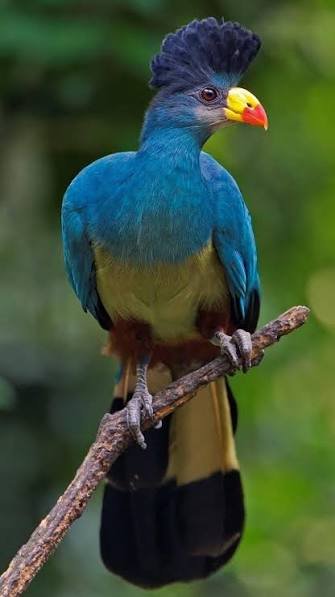
Combining these highland-edge specials with lowland forest species in a single trip is one of the clearest reasons Semliki National Park Birding appeals to travelers who want maximum diversity from one location.
Other Notable Birds of Semliki National Park Birding Trails
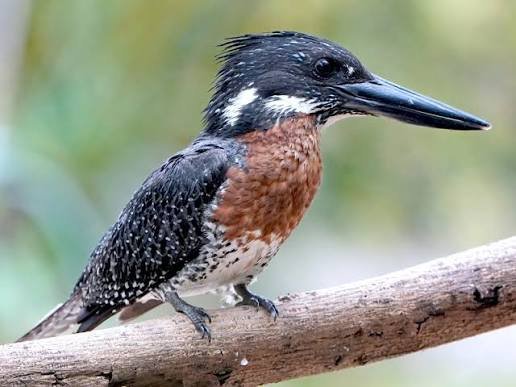
Beyond the headline species, Semliki National Park regularly turns up the Red-rumped Tinkerbird, Black-billed Barbet, Red-necked Falcon, Congo Serpent Eagle, Blue-breasted Kingfisher, Palm-nut Vulture, Lemon-bellied Crombec, and Leaf-love.
Waterbirds are also part of the picture; boat trips toward Lake Albert occasionally reveal the Shoebill, cementing Semliki National Park as a birding destination that rewards patience with genuinely rare sightings.
Best Birding Trails for Semliki National Park Birding
Choosing the right trail is essential for a productive Semliki National Park trip, since each route passes through different habitat and holds a different mix of species.
Kirumia Trail: The Signature Semliki National Park Route
The Kirumia Trail is the longest and most celebrated route for Semliki National Park, stretching roughly 13 kilometers through dense, closed-canopy forest to the Semliki River.
Because it penetrates deep into pristine forest, this trail is where most of the rare Congo-Guinea biome specials are recorded, making it the top choice for anyone doing Semliki National Park Birding with a serious target list. Expect a full-day outing, sturdy boots and a knowledgeable local guide who can identify species by call.
Red Monkey Trail for Semliki National Park Birding
The Red Monkey Trail offers a shorter, more accessible option for Semliki National Park, running along the edge of the forest toward the Semliki River near the Congo border. It combines primate sightings including the endemic De Brazza’s monkey with strong horn bill and forest-edge birding, making it ideal for travelers with limited time who still want a rewarding Semliki National Park Birding experience.
Sempaya Trail and Nature Walks
The short loop trail around the Sempaya hot springs is a gentler introduction to Semliki National Park Birding, well suited to birders who prefer easier terrain or are combining birding with the geothermal spring visit. While species diversity here is lower than on the deep-forest trails, the open clearings make photography easier during Semliki National Park Bird outings.
What to Pack for Semliki National Park Birding
Preparation makes a real difference to the quality of your Semliki National Park Birding experience. Essentials include:
- A quality pair of binoculars (8×42 is a good all-around choice for forest conditions)
- A detailed East African field guide, ideally one covering Congo-Guinea biome species
- Neutral-colored, lightweight, breathable clothing
- Sturdy, waterproof walking boots for muddy forest trails
- Insect repellent and a hat for sun protection at forest edges
- A rain jacket, since equatorial rainforest showers can appear with little warning
- A camera with a telephoto lens if photography is a priority during Semliki National Park Birding
Hiring an experienced local guide is arguably the single most valuable investment for birding in Semliki National Park, since many forest specials are identified by call long before they are seen.
How to Get to Semliki National Park for Birding
Most travelers reach Semliki National Park Birding sites via Fort Portal, roughly a five-to-six-hour drive from Kampala, followed by a further one-to-two-hour drive to the park’s Ntandi entrance gate. Domestic flights connect Entebbe to nearby Kasese, cutting overland travel time for those with limited days for birding in Semliki National Park. Because the park is often combined with Kibale Forest National Park and the Rwenzori Mountains, many itineraries treat birding in Semliki National Park as part of a broader western Uganda birding and primate circuit.
Where to Stay: Accommodation Near Semliki National Park
Lodging near Semliki National Park Birding trail heads ranges from budget guesthouses in Bundibugyo town to comfortable mid-range lodges near Ntandi and Sempaya.
Staying as close to the park gate as possible is recommended, since it allows guests to be on the trail at first light the most productive hours for birding in Semliki National Park.
Some travelers base themselves near Fort Portal or Kibale and drive in for day trips, though overnighting near the park generally produces stronger results for serious Semliki National Park Birding itineraries.
Tips for a Successful Semliki Birding Experience
- Start early. The first two hours after sunrise are the most productive window for Semliki National Park Birding.
- Move slowly and stay quiet. Forest birding rewards patience far more than speed.
- Learn a handful of key calls in advance, since many Semliki National Park Birding highlights are heard before they are seen.
- Budget at least two to three full days for Semliki National Park Birding to properly cover multiple trails and habitats.
- Bring a printed or offline checklist so you can track species as you go.
- Respect the guide’s pace and instructions; local guides know exactly where recent sightings during Semliki Birding have occurred.
Combining Semliki National Park Birding with Other Uganda Safaris
Because of its location in western Uganda, Semliki National Park Birding pairs naturally with several other top destinations. Kibale Forest National Park, famous for chimpanzee tracking, lies within reach and adds forest primates to a broader itinerary.
Queen Elizabeth National Park, with its savanna birding and boat cruises, offers a strong contrast to the closed-canopy focus of Semliki National Park Birding. The Rwenzori Mountains add montane species to round out a trip that already spans lowland, riverine and highland-edge habitats.
Many operators now build multi-park itineraries specifically around Semliki National Park as the centerpiece, given the sheer number of species found nowhere else on a standard Uganda circuit.
Photography Tips for Semliki Birding
Capturing great images during Semliki Birding takes a bit of extra planning, since deep forest light is far dimmer than open savanna. A fast lens with a wide aperture helps enormously, and raising your ISO is usually necessary to freeze movement in the under story.
Forest-edge clearings, like the area around Sempaya, are the easiest spots for clean, well-lit shots during Semliki Birding, while the closed-canopy stretches of the Kirumia Trail demand more patience and often reward photographers who wait quietly near fruiting trees rather than chasing movement.
A monopod can be a lighter, more practical alternative to a full tripod for long days of Semliki National Park Birding on foot.
Conservation and Responsible Semliki National Park Birding
Semliki’s forests sit at the edge of a much larger transboundary ecosystem shared with the Democratic Republic of Congo, which makes responsible tourism an important part of any Semliki National Park Birding trip.
Sticking to marked trails, hiring local guides and supporting community-run lodges around Bundibugyo all help ensure that Semliki National Park Birding continues to benefit the communities who share the forest’s edge.
Park fees collected from Semliki National Park Birding visitors directly fund ranger patrols and habitat protection, which is one more reason a well-organized trip matters every booking supports the long-term survival of the species that make Semliki National Park Birding so special.
Travelers are also encouraged to avoid playback overuse when calling in skulking forest specials, since repeated recordings can stress birds during sensitive breeding periods.
Frequently Asked Questions About Semliki National Park Birding
How many bird species can I expect to see during Semliki National Park Birding?
The park’s total checklist exceeds 441 species, though a typical multi-day Semliki National Park Birding trip with a good guide might realistically yield 80 to 150 species, depending on season and effort.
Is Semliki National Park Birding suitable for beginners?
Yes, though forest birding is generally more challenging than savanna birding. Beginners doing Semliki National Park Birding benefit enormously from hiring an experienced guide who can point out and identify calls.
What is the best trail for rare species during Semliki National Park Birding?
The Kirumia Trail is widely considered the top route for Semliki National Park Birding, since it reaches the deepest, most undisturbed forest where Congo-Guinea specials are most reliably found.
How many days should I plan for Semliki National Park Birding?
Most birders recommend at least two to three full days of Semliki National Park Birding to properly explore the Kirumia Trail, Red Monkey Trail, and Sempaya area without rushing.
Do I need a permit for Semliki National Park Birding?
Yes, a park entrance fee applies, along with a separate guiding fee. These can typically be arranged through the Uganda Wildlife Authority or a local tour operator ahead of your Semliki National Park Birding trip.
Final Thoughts on Semliki National Park Birding
Semliki National Park Birding remains one of Africa’s most underrated bird watching experiences. Its rare blend of Congo Basin specials, spectacular horn bill diversity and Albertine Rift endemics all packed into one compact, accessible park makes Semliki National Park Birding a must for anyone serious about growing their life list.
Few places in East Africa reward a few dedicated days in the field quite like Semliki National Park Birding does.
If you’re ready to turn this guide into a real itinerary, Tulambule Uganda Safaris can help you plan a fully guided Semliki National Park Birding trip, complete with expert local guides, comfortable accommodation and seamless connections to Kibale, the Rwenzoris, and beyond.
Reach out to Tulambule Uganda Safaris today to start planning your Semliki National Park Birding adventure.