Discover the Best Time to Track Gorillas in Uganda
Gorilla trekking in Uganda is one of the most unforgettable wildlife experiences in Africa. Walking through the ancient forests of southwestern Uganda and coming face-to-face with a family of mountain gorillas is an experience that combines adventure, nature and conservation. However, choosing the best time to track gorillas can make a significant difference to your overall safari experience.
The best time to track gorillas in Uganda is generally during the drier months of June to September and December to February. During these periods, rainfall is usually lower, and forest trails may be easier to navigate. However, Uganda’s tropical climate means that rain can occur at any time, particularly in the mountainous forests where mountain gorillas live.
This means there is no single month that is perfect for every traveller. Some visitors prefer the dry season because of the relatively favourable hiking conditions, while others enjoy gorilla trekking in Uganda during the wetter months because the forests become exceptionally green and beautiful. Understanding the different seasons will help you choose the right period for your Uganda gorilla trekking adventure.
When Is the Best Time to Track Gorillas?
For most travellers, the best time to track gorillas is during Uganda’s two relatively dry periods: June to September and December to February. These months are popular because they generally offer more favourable conditions for walking through the forest. Although rain is still possible, prolonged rainfall is usually less common than during the wetter seasons.
June, July, August and September are particularly popular for gorilla trekking in Uganda. December, January and February are also excellent choices for travellers who want to experience mountain gorilla trekking under relatively drier conditions. Because these periods are popular, visitors should arrange their gorilla trekking permits and accommodation well in advance.
The best time for gorilla trekking also depends on your personal preferences. If you want easier hiking conditions, the dry season may be your preferred option. If you are comfortable with rain and want lush scenery, the wet season can be equally rewarding. Every season offers a different experience in the forest.
Best Time for Gorilla Trekking by Season
Understanding the gorilla trekking season in Uganda makes it easier to plan your safari. Uganda does not experience four distinct seasons like some countries, but travellers generally experience wetter and drier periods. Weather can also vary between regions, particularly in mountainous areas such as Bwindi and Mgahinga.
The main drier periods are June to September and December to February. These months are often considered the best time to track gorillas because trails may be less muddy and slippery. The relatively favourable conditions can also make it easier to combine Uganda gorilla trekking with other safari activities.
The wetter periods are generally March to May and October to November. Although rainfall can make trekking more challenging, these months transform the forest into a lush green environment. For adventurous travellers who do not mind getting wet, the rainy season can provide a beautiful and less crowded gorilla safari in Uganda.
Gorilla Trekking During the Dry Season
The dry season is widely regarded as the best time to track gorillas because hiking conditions are generally more favourable. Lower rainfall can make forest trails easier to walk on, although some paths can still be muddy because Bwindi and Mgahinga are rainforest environments.
For first-time visitors, relatively dry conditions can make mountain gorilla trekking more comfortable. The terrain is naturally steep and uneven, so avoiding prolonged heavy rainfall can reduce some of the challenges associated with the trek. However, the difficulty of the trek still depends on where the gorilla family is located.
Another advantage of the dry season is that it is an excellent period for combining gorilla trekking in Uganda with other wildlife experiences. Visitors can include chimpanzee trekking, game drives, boat safaris and cultural experiences in their itinerary, creating a more complete Uganda safari.
June to September Gorilla Trekking
June to September is one of the most popular periods for Uganda gorilla trekking. The weather is generally favourable for outdoor activities, and travellers often choose this period because the forest trails may be easier to navigate than during the wetter months.
July and August can be particularly busy because many international travellers are on holiday. If you want to visit Uganda during this period, it is important to book your gorilla trekking permit early. Early planning also gives you more options when choosing accommodation near Bwindi or Mgahinga.
Although June to September is often considered the best time to track gorillas, travellers should not expect completely dry conditions. Rainforest weather can change quickly, so a waterproof jacket should remain part of your gorilla trekking packing list.
December to February Gorilla Trekking
December to February is another popular period for gorilla trekking in Uganda. The months generally experience relatively favourable conditions, making them suitable for visitors who cannot travel during the June to September period.
December can become busy because of Christmas and New Year holidays. Travellers planning a gorilla safari in Uganda around this time should book their permits, accommodation and transportation early to avoid unnecessary difficulties.
January and February can also be excellent months for mountain gorilla trekking. The forest remains beautiful, and visitors can enjoy the opportunity to observe gorillas in their natural habitat while combining the trek with other destinations across southwestern Uganda.
Gorilla Trekking During the Rainy Season
The rainy season does not mean that gorilla trekking in Uganda should be avoided. Gorilla trekking takes place throughout the year, and many travellers have unforgettable experiences during the wetter months.
Rainfall can make forest trails muddy and slippery, making the trek physically more demanding. However, the wet season also brings lush vegetation, fresh greenery and beautiful atmospheric conditions. Mist-covered forests can create an especially memorable setting for Bwindi gorilla trekking.
For travellers who do not mind rain, the wet season can also provide a quieter experience. There may be fewer visitors compared with the busiest travel periods. Therefore, while the dry season is often considered the best time to track gorillas, the rainy season has its own advantages.
Gorilla Trekking from March to May
March to May is generally one of the wetter periods for gorilla trekking in Uganda. Travellers visiting during these months should expect rainfall and prepare for potentially muddy trails. Good hiking boots with strong grip are especially important during this period.
The forest scenery during the wet season can be spectacular. Rain supports thick vegetation, and the mountains can become covered in mist. For nature lovers and photographers, these conditions can create a unique atmosphere that is very different from trekking during drier months.
If your travel dates fall between March and May, there is no reason to cancel your Uganda gorilla trekking adventure simply because of the weather. With proper preparation, you can still enjoy a remarkable encounter with mountain gorillas.
Gorilla Trekking in October and November
October and November are also associated with increased rainfall in many parts of Uganda. Trails around Bwindi and Mgahinga can become muddy, and steep sections may require extra caution. Travellers should therefore prepare appropriately for wet-weather gorilla trekking.
One of the main benefits of visiting during these months is the vibrant appearance of the forest. The vegetation is often lush and green, providing beautiful scenery throughout the trek. Visitors who enjoy nature photography may particularly appreciate the atmosphere created by mist and rainfall.
If you are comfortable with changing weather conditions, October and November can still be rewarding. The best time to track gorillas depends on your priorities, and a wet-season trek can provide a very different but equally memorable experience.
Does Weather Affect Gorilla Trekking?
Weather can influence the physical difficulty of a gorilla trek. Heavy rain may make paths slippery, while wet vegetation can make walking through dense forest more challenging. However, rain does not automatically stop gorilla trekking in Uganda.
Mountain gorillas live naturally in rainforest environments and are accustomed to changing weather. The main concern for visitors is therefore comfort and trail conditions rather than whether the gorillas can be seen.
Even during the dry season, travellers should carry rain protection. A clear morning can sometimes change into a wet afternoon. Preparing for both sunshine and rainfall is one of the most important gorilla trekking tips for anyone visiting Uganda.
Is Gorilla Trekking Difficult?
Mountain gorilla trekking can be physically demanding because Bwindi and Mgahinga are located in mountainous areas. The trek may involve steep slopes, uneven ground, dense vegetation and muddy paths.
The length of the trek varies depending on the location and movement of the gorilla family. Some groups may be relatively close to the starting point, while others may require several hours of hiking. Therefore, choosing the best time to track gorillas does not necessarily mean that the trek itself will be easy.
Travellers should prepare physically before their safari. Regular walking, hiking and stair climbing can help improve endurance. Comfortable footwear and appropriate clothing can also make a significant difference during the trekking experience.
What to Wear for Gorilla Trekking
The right clothing is important regardless of the best time for gorilla trekking. Because the activity takes place in dense rainforest, travellers should wear comfortable and protective clothing. Long trousers and long-sleeved shirts can protect the skin from vegetation, insects and branches.
Strong hiking boots with good grip are essential for Uganda gorilla trekking. The ground can be uneven even during the dry season, while rainfall can make some trails slippery. Waterproof hiking boots are especially useful during the wetter months.
A waterproof jacket should also be included in your gorilla trekking packing list. Gardening gloves, extra socks, a hat and lightweight layers can provide additional comfort and protection throughout the trek.
What to Pack for Gorilla Trekking
Packing correctly can greatly improve your gorilla trekking in Uganda experience. A small backpack is useful for carrying essential items without adding unnecessary weight. Drinking water is particularly important because hiking through mountainous terrain requires physical effort.
Travellers should also carry snacks, insect repellent, sunscreen, a waterproof bag for electronic equipment and a camera. Extra clothing is useful in case your clothes become wet during the trek.
If you plan to photograph the gorillas, choose lightweight equipment that you can carry comfortably. A camera with a suitable zoom lens can help you capture memorable images while maintaining the required distance from the animals.
Best Time for Gorilla Photography
There is no particular month that guarantees the best time to track gorillas for photography. The quality of photographs depends on weather, lighting, vegetation, gorilla behaviour and your location in the forest.
The dry season can make photography more convenient because walking with camera equipment may be easier. However, wet-season gorilla trekking can produce dramatic images featuring mist, green vegetation and atmospheric forest conditions.
Whatever season you choose, responsible photography is essential. Follow your guide’s instructions and maintain the required distance from the gorillas. The welfare of the animals should always come before getting a perfect photograph.
Best Time to Track Gorillas on a Budget
Travellers looking for an affordable gorilla safari in Uganda should consider the entire cost of their trip. Your budget may include the gorilla permit, accommodation, transportation, meals, guide services and other activities.
Some travellers choose periods outside the busiest travel seasons because accommodation and other tourism services may have greater availability. However, the cost of a gorilla trekking permit remains an important part of the overall budget.
If you are travelling on a budget, speak to a reputable Uganda tour operator about different accommodation options. You can choose accommodation that matches your budget while still enjoying an unforgettable Uganda gorilla trekking experience.
Why Book Your Gorilla Trekking Permit Early?
Booking your gorilla trekking permit early is one of the most important steps when planning your safari. Gorilla permits are limited, and demand can be particularly high during the periods commonly regarded as the best time to track gorillas.
Early booking allows you to secure your preferred trekking date. It can also make it easier to arrange accommodation and transportation close to your chosen trekking sector.
A professional tour operator can help organise your permit, accommodation, transportation and itinerary. This allows you to focus on preparing for your trek instead of dealing with every travel arrangement separately.
Best Time to Track Gorillas in Bwindi
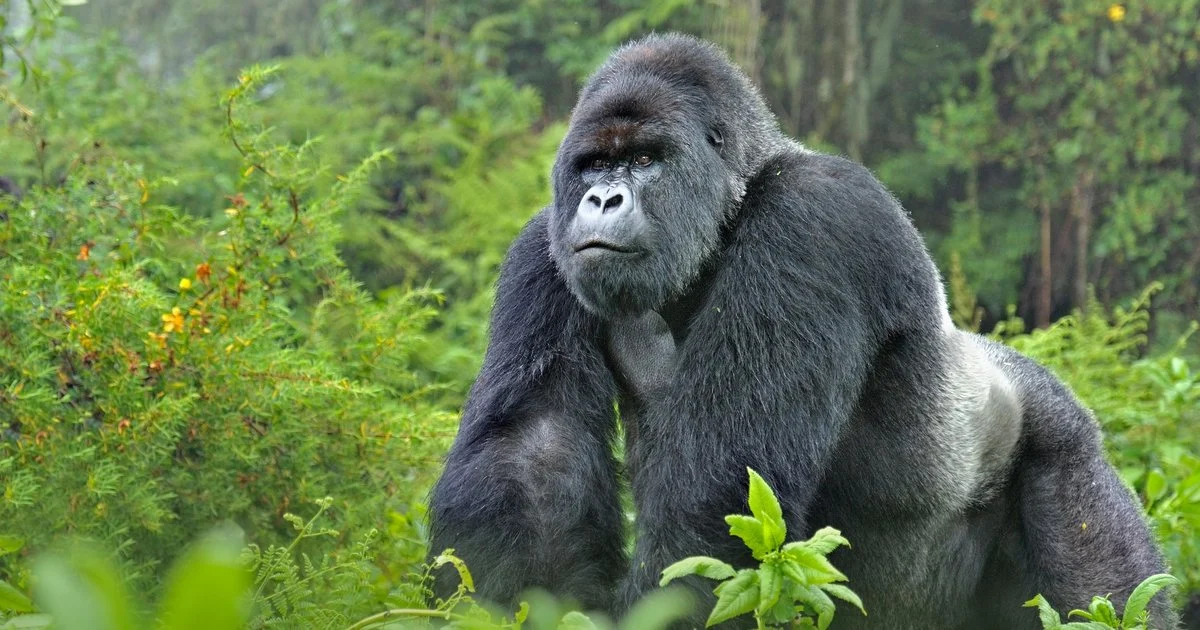
Bwindi Impenetrable National Park is one of Uganda’s most famous destinations for gorilla trekking. The park is home to mountain gorillas and is known for its dense rainforest, steep terrain and exceptional biodiversity.
The best time to track gorillas in Bwindi is generally during the drier months of June to September and December to February. During these periods, hiking conditions may be more favourable, although rain remains possible.
Bwindi’s different trekking sectors offer different experiences. Your tour operator can help you choose a suitable sector based on permit availability, accommodation and your overall safari itinerary.
Best Time to Track Gorillas in Mgahinga
Mgahinga Gorilla National Park is another excellent destination for Uganda gorilla trekking. Located in southwestern Uganda, the park forms part of the larger Virunga conservation landscape and is surrounded by impressive volcanic mountains.
The best time to track gorillas in Mgahinga is generally during the drier periods. However, because the park is mountainous, weather can change quickly. Visitors should therefore be prepared for rain regardless of the month.
Mgahinga can be particularly appealing to travellers who want to combine mountain gorilla trekking with dramatic volcanic scenery and other outdoor experiences.
Combining Gorilla Trekking With a Uganda Safari
One of the best ways to enjoy gorilla trekking in Uganda is by combining it with other wildlife and cultural experiences. Uganda offers an incredible variety of landscapes, making it possible to create a diverse itinerary.
After Bwindi gorilla trekking, travellers can visit Queen Elizabeth National Park for game drives and boat trips along the Kazinga Channel. Kibale National Park is another popular addition for chimpanzee trekking and other primate experiences.
Travellers with more time can extend their Uganda safari to destinations such as Murchison Falls National Park or Kidepo Valley National Park. Combining several destinations allows you to experience forests, savannahs, wetlands, wildlife and local cultures.
Gorilla Trekking and Conservation
Gorilla trekking is more than a wildlife adventure. It plays an important role in supporting conservation and local communities. Tourism revenue contributes to conservation activities and provides economic opportunities for people living around protected areas.
Visitors also contribute to conservation by following responsible trekking guidelines. Maintaining the required distance, avoiding unnecessary noise and never feeding the animals are important ways to minimise disturbance.
When you choose a responsible gorilla safari in Uganda, your visit can contribute to the continued protection of mountain gorillas and their forest habitat. This makes the experience meaningful not only for the traveller but also for conservation.
Gorilla Trekking Rules Every Visitor Should Know
Before beginning your Uganda gorilla trekking experience, your guide will provide important information about responsible behaviour. These guidelines are designed to protect both visitors and the gorillas.
Visitors should follow their guide’s instructions throughout the trek. They should not attempt to touch the gorillas, feed them or make unnecessary movements and noise. Maintaining an appropriate distance is also essential.
Following these rules ensures that gorilla trekking in Uganda remains a sustainable tourism activity. Responsible behaviour helps reduce stress on the animals and supports long-term conservation efforts.
How to Choose the Best Time for Gorilla Trekking
Choosing the best time to track gorillas should start with your travel priorities. Consider whether you prefer relatively dry weather, lush scenery, quieter travel periods, easier hiking conditions or a particular safari itinerary.
If your priority is relatively comfortable hiking, June to September and December to February are strong choices. If you do not mind rain and prefer green scenery or potentially quieter travel periods, the wetter months can also be suitable.
Your overall Uganda safari itinerary should also influence your decision. Consider the other national parks and activities you want to visit before selecting your trekking dates. A good itinerary should allow enough time for gorilla trekking, wildlife viewing and travel between destinations.
Frequently Asked Questions About the Best Time to Track Gorillas
What is the best time to track gorillas in Uganda?
The best time to track gorillas is generally during the drier periods from June to September and December to February. These months often provide more favourable conditions for hiking, although rainfall can occur at any time.
What is the best month for gorilla trekking?
June, July, August and September are popular months for gorilla trekking in Uganda. December, January and February are also good options for travellers looking for relatively dry conditions.
Can I go gorilla trekking during the rainy season?
Yes. Gorilla trekking in Uganda is available throughout the year. The rainy season can produce muddy trails, but the forests become lush and beautiful, creating a unique trekking experience.
Is the dry season better for gorilla trekking?
The dry season is generally preferred because trails may be easier to navigate. However, the best time for gorilla trekking depends on your personal preferences, budget and tolerance for rain.
How difficult is mountain gorilla trekking?
The difficulty varies depending on the location of the gorilla family and the terrain. Some treks are relatively short, while others can involve several hours of hiking through steep forest terrain.
How early should I book a gorilla trekking permit?
It is advisable to book your gorilla trekking permit as early as possible, especially if you plan to travel during the popular dry seasons or holiday periods.
What should I bring for gorilla trekking?
Important items include sturdy hiking boots, long trousers, long-sleeved clothing, a waterproof jacket, drinking water, snacks, insect repellent, a small backpack and a camera.
Plan Your Uganda Gorilla Trekking Adventure
Choosing the best time to track gorillas is an important part of planning a successful Uganda safari. The dry seasons from June to September and December to February are generally preferred because they offer relatively favourable hiking conditions. However, gorilla trekking in Uganda is available throughout the year.
The wetter months can also provide an unforgettable experience, particularly for travellers who enjoy lush forests, misty landscapes and fewer crowds. Whatever season you choose, proper preparation is essential. Good hiking boots, waterproof clothing, physical preparation and early booking can make your adventure much more comfortable.
Most importantly, gorilla trekking in Uganda gives you an opportunity to observe endangered mountain gorillas in their natural environment while contributing to conservation and local communities. With careful planning and the right gorilla trekking season, your journey to Bwindi or Mgahinga can become one of the most memorable wildlife adventures of your life.
Ready to experience Uganda’s mountain gorillas? Contact us today to plan your gorilla safari in Uganda. We can arrange your gorilla trekking permit, accommodation, transportation, professional guides and a complete Uganda safari itinerary tailored to your travel plans.