9 Essential Facts to Budget Smart
Uganda Safari Cost varies widely by travel style, from budget trips near $200 a day to luxury safaris well over $1,000. Here’s the full 2026 breakdown.
Planning a trip to Uganda almost always starts with one question. How much does it actually cost? Uganda Safari Cost varies enormously depending on travel style, park choices and whether gorilla trekking makes the itinerary.
This guide breaks down every major line item behind Uganda Safari Cost in 2026 in clear detail. We cover permits, accommodation, transport, and realistic totals for full itineraries. By the end, you will have a clear, honest picture of what your trip will actually require.
What Drives Uganda Safari Cost in 2026
Several factors combine to determine total Uganda Safari Cost for any given trip. Accommodation tier plays the largest role, since lodge prices range from modest guesthouses to premium fly-in camps. Transport, park entry fees, and any primate trekking permits stack on top of that base cost.
Group size also affects per-person Uganda Safari Cost considerably. Vehicle hire and driver-guide fees are typically fixed regardless of group size, so costs per traveler drop sharply as groups grow larger. A solo traveler pays significantly more per day than someone splitting the same vehicle among four or five people.
This dynamic makes traveling companions one of the most effective ways to control overall trip spending. Two travelers sharing a vehicle and guide can often cut per-person transport costs nearly in half compared to a solo trip. Families or small friend groups planning together should factor this shared-cost advantage into their overall Uganda Safari Cost expectations from the outset.
Season matters too, though less dramatically than in some other safari destinations. Discounted low-season permits, available in April, May, and November, can meaningfully reduce Uganda Safari Cost for flexible travelers. The tradeoff is wetter roads and permits that typically cannot be rescheduled.
Uganda Safari Cost by Travel Style
Most travelers fall into one of three broad categories when budgeting Uganda Safari Cost. Each tier reflects a different balance of comfort, exclusivity, and price. Understanding where you fit helps narrow down realistic trip planning from the outset.
Budget Uganda Safari Cost
Budget travelers typically spend between $150 and $300 per person per day. This tier covers shared safari vehicles, simple guesthouse or basic lodge accommodation, and straightforward meals. Park entry fees are usually included, though primate permits remain a separate, additional expense.
This budget tier suits travelers prioritizing wildlife access over comfort. Group joining, where travelers share a scheduled departure with others, helps keep per-person Uganda Safari Cost as low as possible. Self-catering options at certain parks, including Lake Mburo, can trim meal costs further.
Mid-Range Uganda Safari Cost
Mid-range trips generally run between $300 and $600 per person per day. This tier includes comfortable en-suite tented camps or lodges, a private or semi-private vehicle, and a more attentive driver-guide. Most travelers describe this tier as the sweet spot between comfort and value.
Mid-range Uganda Safari Cost typically includes full-board meals and reliable 4×4 transport suited to rougher park roads. Many travelers in this tier still add a single gorilla trekking permit, which becomes the largest individual line item on their trip. This combination remains the most popular choice among first-time visitors.
Luxury Uganda Safari Cost
Luxury travelers should budget between $600 and $1,500 or more per person per day. This tier includes premium lodges, private guiding, and sometimes fly-in transfers between parks rather than long road transfers. Gourmet dining and personalized service are standard at this level.
Luxury Uganda Safari Cost often bundles multiple primate permits, including both gorilla and chimpanzee trekking, into a single seamless itinerary. Small group sizes and flexible scheduling are common selling points at this tier. Travelers here typically prioritize comfort and exclusivity as much as wildlife access itself.
Uganda Safari Cost: Permits and Park Fees Explained
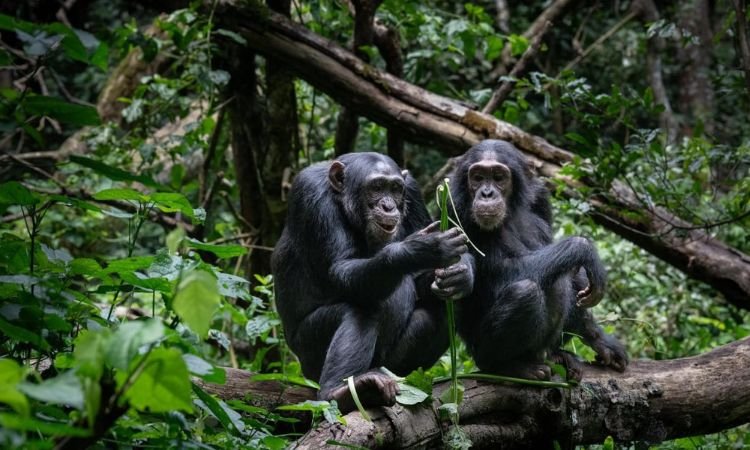
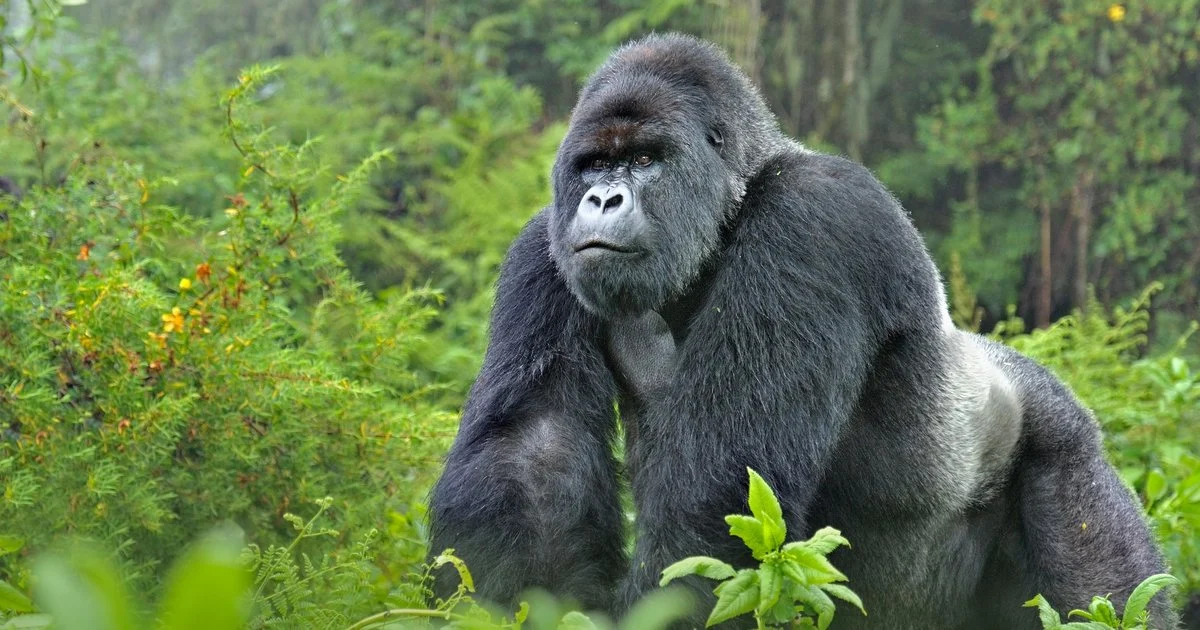
Primate trekking permits represent the single largest fixed expense for most itineraries. A standard gorilla trekking permit costs $800 per person for foreign non-residents, set by the Uganda Wildlife Authority. Chimpanzee trekking permits in Kibale National Park cost considerably less, typically around $200 to $250 per person.
Park entry fees add a smaller but still meaningful amount to overall Uganda Safari Cost. Murchison Falls National Park, for example, charges roughly $40 to $45 per person per day for foreign non-residents. Multi-park itineraries accumulate these daily fees across each park visited during the trip.
Low-season discounts can meaningfully reduce this portion of Uganda Safari Cost. Gorilla permits drop to around $600 during April, May, and November under current promotional pricing. These discounted permits are typically non-reschedulable, so only genuinely flexible travelers should count on this saving.
Uganda Safari Cost: Accommodation Price Breakdown
Accommodation typically represents the second-largest share of total Uganda Safari Cost after permits. Budget lodges near major parks start around $80 to $120 per night for double occupancy. These properties offer clean, simple rooms without the extras found at higher tiers.
Mid-range tented camps with en-suite facilities generally run $180 to $280 per night. This tier balances genuine comfort with reasonable Uganda Safari Cost, making it the most commonly booked category among international visitors. Hot water, reliable electricity, and full-board meals are standard at this level.
Luxury lodges push nightly rates to $350 or more, sometimes reaching $600 or higher for premium properties. These lodges typically include extras like spa treatments, guided nature walks, and panoramic dining decks. This tier drives Uganda Safari Cost considerably higher but delivers a correspondingly elevated experience.
Uganda Safari Cost: Transport and Guiding Fees
Ground transport represents another significant piece of total Uganda Safari Cost. Private safari van hire, including an experienced driver-guide, averages around $150 per day. This rate applies whether traveling solo or in a group of up to six, making shared transport considerably more economical per person.
Fuel and long driving distances between parks add further cost, particularly on multi-park itineraries covering several regions. Uganda’s parks are spread across a fairly large area, so transfer days between destinations are common. Some higher-end itineraries substitute costly but time-saving domestic flights for these longer road transfers between destinations.
Professional guides and trackers are typically included within standard package pricing. Their expertise significantly improves wildlife sighting success and adds meaningful context throughout the trip. This guiding fee is generally folded into daily Uganda Safari Cost rather than charged as a separate line item.
Uganda Safari Cost for a Full Itinerary
Most travelers plan trips lasting between five and ten days, combining several parks into one itinerary. A budget primate and wildlife trip covering seven days, without gorilla trekking, typically totals $1,200 to $2,000 per person overall. This range covers vehicle rental, budget lodging, park fees, and meals throughout the entire week.
A mid-range itinerary including one gorilla trekking permit generally lands between $2,800 and $4,500 per person for a seven- to eight-day trip. This combination remains the most popular structure among first-time visitors to Uganda. It balances a meaningful wildlife encounter with manageable overall Uganda Safari Cost.
Luxury itineraries spanning ten days, including both gorilla and chimpanzee permits, typically range from $6,000 to $10,000 or more per person. Premium lodges, private guiding, and occasional flights between parks all contribute to this higher total. These trips prioritize comfort and exclusivity throughout the entire journey.
How to Reduce Your Uganda Safari Cost
Traveling in a larger group meaningfully lowers per-person Uganda Safari Cost, since vehicle and driver-guide fees remain largely fixed regardless of group size. Joining a scheduled group departure, rather than booking a fully private trip, offers similar savings for solo or small-group travelers. This single decision often produces the largest percentage savings of any budgeting strategy.
Traveling during low season months brings discounted gorilla and chimpanzee permits, directly reducing the largest single expense on most itineraries. Wetter roads and non-reschedulable permits are the tradeoff for these savings. Flexible travelers with adaptable schedules benefit the most from this strategy.
Mixing accommodation tiers across the trip is another effective way to manage total Uganda Safari Cost. Many travelers splurge on a comfortable or luxury lodge specifically for their gorilla trekking base, then choose mid-range or budget options everywhere else. This approach concentrates spending where it matters most without inflating the entire trip’s budget.
Best Time to Travel for Lower Uganda Safari Cost
April, May, and November consistently offer the lowest overall Uganda Safari Cost due to discounted primate trekking permits. These months fall within Uganda’s wetter seasons, meaning muddier trails and occasional heavy rain. Many lodges also offer their own seasonal discounts during these quieter months.
Peak season, spanning June through September and December through February, brings firmer trails and generally better game viewing conditions. Uganda Safari Cost during these months reflects standard, non-discounted permit pricing throughout. Lodges also tend to fill up faster, so early booking becomes especially important during this window.
Rainfall during wetter months rarely cancels activities outright, though it can slow travel between parks on unpaved roads. Most lodges remain fully operational year-round, adjusting only minor logistics rather than closing entirely. This resilience is part of why some travelers deliberately choose the quieter, lower-cost shoulder months despite the wetter conditions.
Travelers without strict schedule flexibility should plan around peak season despite the higher cost. Non-reschedulable low-season permits carry real risk for anyone whose plans might shift unexpectedly. Balancing potential savings against this flexibility risk is an important part of realistic Uganda Safari Cost planning.
Hidden and Additional Costs to Budget For
Several smaller expenses often catch first-time travelers off guard when tallying total Uganda Safari Cost. A tourist visa typically costs around $50 for most nationalities, arranged either online in advance or on arrival. Travel insurance, while optional, is strongly recommended given the physical nature of activities like gorilla trekking.
Tips for guides, drivers, and porters add a further, though modest, expense across the trip. Many travelers budget $10 to $20 per day for guide and driver tips combined, with additional smaller amounts for porters on trekking days. This informal but expected cost rarely appears in headline Uganda Safari Cost estimates, yet it matters for accurate budgeting.
Drinks, souvenirs, and optional add-on activities round out the remaining discretionary spending. Bottled water, sodas, and alcoholic drinks at lodges are frequently billed separately from full-board meal packages. Setting aside an extra $20 to $40 per day covers most of these smaller incidental costs comfortably, keeping the final Uganda Safari Cost close to initial expectations.
A Sample Seven-Day Budget Breakdown
Consider a mid-range, seven-day itinerary combining Bwindi gorilla trekking with a stop at Queen Elizabeth National Park. The gorilla permit alone accounts for $800 of the total Uganda Safari Cost. Accommodation across the week, at mid-range rates of roughly $220 per night, adds approximately $1,540 to the trip.
Ground transport, including a private driver-guide and vehicle for the full week, typically costs around $1,050 at standard daily rates. Park entry fees across both destinations add a further $200 to $300 depending on exact itinerary length. Meals, drinks, and incidental costs might add another $300 to $400 across the full trip.
Adding these figures together, a realistic mid-range Uganda Safari Cost for this specific seven-day itinerary lands close to $4,000 per person. Solo travelers should expect costs toward the higher end of any given range, since vehicle and guiding fees are not shared with anyone else. Groups of three or four typically see per-person Uganda Safari Cost drop noticeably compared to traveling entirely solo.
Currency, Payment and Booking Tips
Most permits and larger payments toward Uganda Safari Cost are settled in US dollars, even though the Ugandan shilling is the local currency. Carrying clean, newer dollar bills is worth planning for, since older or damaged notes are sometimes refused by banks and forex bureaus in Kampala and elsewhere.
Smaller day-to-day expenses, including tips and market purchases, are easiest to handle in local shillings throughout the trip.
Most tour operators require permit payments in full well before travel, particularly since Uganda Wildlife Authority removed its temporary reservation system earlier in 2026.
This means a meaningful share of total Uganda Safari Cost is typically paid months in advance rather than settled on arrival at the park gate. Confirming payment deadlines early with your operator helps avoid losing a reserved permit date.
Credit cards are accepted at many lodges and larger hotels, though a foreign transaction fee often applies. Rural areas and smaller camps may rely on cash only, so carrying sufficient dollars for the full trip remains a sensible backup.
Budgeting a small cash buffer beyond the expected Uganda Safari Cost helps cover unexpected fees, last-minute purchases, or small emergencies along the way.
Frequently Asked Questions About Uganda Safari Cost
What is the single biggest factor in Uganda Safari Cost?
Gorilla trekking permits are typically the largest individual expense, priced at $800 per person. Adding a chimpanzee permit and premium accommodation further increases the total significantly.
Can I do a Uganda safari without gorilla trekking?
Yes, wildlife-focused itineraries covering parks like Murchison Falls and Queen Elizabeth can be planned without any primate permits. This considerably lowers overall Uganda Safari Cost for travelers prioritizing general game viewing.
Does Uganda Safari Cost include international flights?
No, most quoted daily rates and package prices exclude international airfare. Visa fees and any pre- or post-trip stays in Kampala are also typically separate from standard safari pricing.
How far in advance should I book to manage Uganda Safari Cost?
Three to six months ahead is generally sufficient for most travel dates and permit availability. Peak season and December bookings often require six to twelve months of advance planning.
Should I book directly with lodges or through a tour operator?
Booking through an established local operator often reduces overall Uganda Safari Cost by bundling permits, transport, and accommodation at negotiated rates. Operators also handle logistics like permit applications and vehicle coordination, saving considerable planning time.
Final Thoughts on Uganda Safari Cost
Understanding where your money goes makes it far easier to plan a Uganda trip that fits your actual available budget from the very start. Permits, accommodation and transport together determine the vast majority of total Uganda Safari Cost for any itinerary.
Knowing these figures in advance helps avoid unpleasant surprises once planning begins in earnest.
Whether traveling on a tight budget or booking a fully luxury experience, Uganda remains genuinely competitive compared to neighboring safari destinations. Thoughtful planning around season, group size, and accommodation tier can meaningfully shift your final Uganda Safari Cost.
A well-planned trip delivers exceptional value regardless of which tier ultimately fits your budget and travel preferences.
Plan Your Uganda Safari Cost-Effectively with Tulambule Uganda Safaris
Ready to build a realistic, well-planned itinerary around your budget?
Tulambule Uganda Safaris can break down every cost, secure your permits, and design a trip that matches exactly what you want to spend.
Reach out today and let Tulambule Uganda Safaris turn this guide into your next unforgettable adventure.