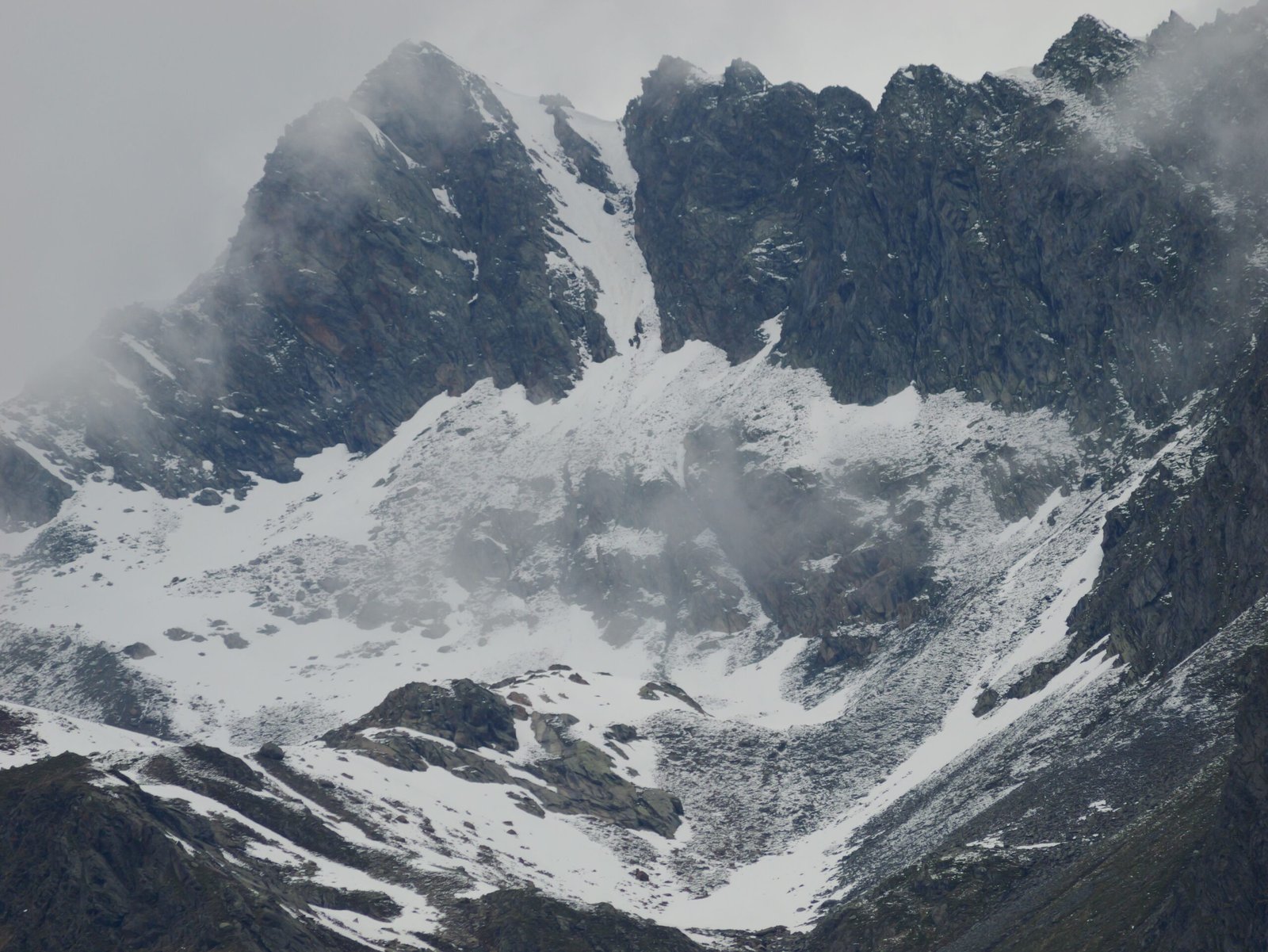
Every year on 27 September, World Tourism Day brings the global travel community together to recognise the importance of tourism and its contribution to people, communities, economies, cultures, and the environment. For Uganda, this celebration is especially meaningful because tourism is closely connected to the country’s wildlife, landscapes, cultural heritage, conservation efforts, and hospitality. From the misty forests of Bwindi to the dramatic waters of Murchison Falls, Uganda offers travellers an incredible variety of experiences.
World Tourism Day in Uganda provides an opportunity to celebrate the country’s tourism achievements while looking towards the future. It is a time to appreciate tour guides, conservationists, accommodation providers, local communities, transport operators, artisans, and everyone whose work contributes to the tourism industry. It is also a chance to encourage responsible travel and explore how technology and innovation can help Uganda become an even stronger tourism destination.
What Is World Tourism Day in Uganda?
World Tourism Day is celebrated every year on 27 September and highlights the social, cultural, economic, and environmental importance of tourism. The day was established by the United Nations World Tourism Organization (UNWTO) and was first celebrated in 1980. The date was chosen because it marks the anniversary of the adoption of the UNWTO Statutes in Mexico City on 27 September 1970.
For Uganda, the significance of this international celebration goes beyond simply recognising tourism as an economic activity. World Tourism Day in Uganda provides an opportunity to show how tourism can connect people, support livelihoods, encourage conservation, and promote cultural understanding. It also gives the country an opportunity to showcase its attractions to both domestic and international travellers.
Why World Tourism Day Matters in Uganda
Tourism plays an important role in Uganda’s economy and supports many different businesses and livelihoods. The industry provides opportunities for safari guides, drivers, hotel workers, tour operators, conservation staff, restaurant workers, craft makers, photographers, farmers, cultural performers, and community tourism groups.
When visitors travel through Uganda, their spending can benefit many businesses beyond the attraction they visit. Accommodation, transportation, meals, guiding services, entrance fees, cultural experiences, souvenirs, and other tourism services can all contribute to local economic activity. World Tourism Day in Uganda therefore provides a valuable opportunity to recognise the many people whose livelihoods are connected to tourism.
Tourism also has an important relationship with conservation. Uganda’s wildlife and natural landscapes attract visitors, while tourism can contribute to conservation activities and communities around protected areas. This connection means that responsible tourism can help protect the country’s natural heritage while creating economic opportunities for people living near tourism destinations.
World Tourism Day in Uganda and the Pearl of Africa
Uganda is widely known as the Pearl of Africa, a description that reflects its extraordinary combination of wildlife, forests, mountains, lakes, rivers, waterfalls, and cultural attractions. The country offers a diverse tourism experience that can appeal to wildlife enthusiasts, adventure travellers, bird watchers, photographers, families, cultural travellers, and people seeking peaceful nature escapes.
From the famous mountain gorillas of Bwindi to the chimpanzees of Kibale, Uganda offers some of Africa’s most memorable primate experiences. The country also has major safari destinations such as Murchison Falls, Queen Elizabeth, Kidepo Valley, and Lake Mburo. World Tourism Day in Uganda is an ideal occasion to showcase this diversity and remind travellers that Uganda offers far more than a single tourism experience.
The country’s geographical diversity makes it possible to combine several experiences within one trip. A visitor can enjoy a wildlife safari, track chimpanzees, trek mountain gorillas, hike through mountains, take a boat cruise, explore cultural sites, and relax beside a beautiful lake. This variety gives Uganda a strong foundation for continued tourism development.
Celebrating Uganda’s Wildlife
Wildlife is one of the strongest pillars of Uganda’s tourism industry. The country is home to elephants, lions, leopards, buffaloes, giraffes, zebras, hippos, crocodiles, chimpanzees, antelopes, and hundreds of bird species. Different national parks provide different wildlife experiences, allowing visitors to explore diverse habitats and landscapes.
World Tourism Day in Uganda gives the country an opportunity to celebrate this wildlife heritage while emphasising the importance of conservation. Wildlife does not simply belong to tourism businesses or visitors; it is a national resource that requires responsible protection and management.
Murchison Falls National Park is known for the powerful Murchison Falls and its rich wildlife, while Queen Elizabeth National Park offers opportunities to see elephants, lions, buffaloes, hippos, and many antelope species. Kidepo Valley provides a more remote and rugged safari experience, while Lake Mburo offers wildlife viewing alongside walking, cycling, and water-based experiences.
World Tourism Day in Uganda and Gorilla Tourism
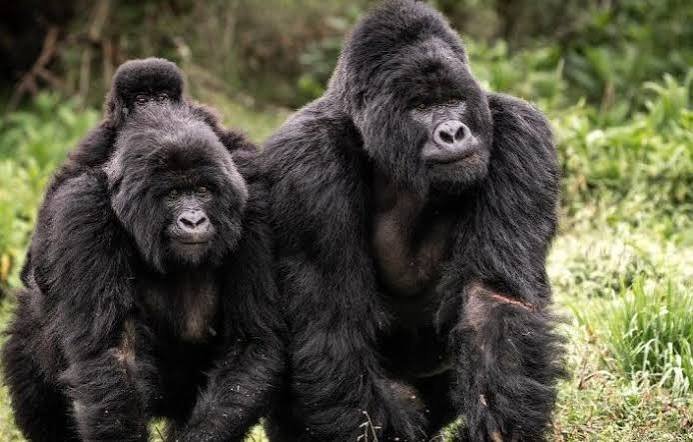
Uganda’s mountain gorillas are among its most valuable tourism attractions. Bwindi Impenetrable National Park and Mgahinga Gorilla National Park provide visitors with the opportunity to experience these remarkable primates in their natural forest environment.
Gorilla trekking is not simply a wildlife activity. It is an experience that brings together adventure, conservation, research, guiding, hospitality, and community participation. Visitors hike through challenging forest terrain before spending time observing a gorilla family, creating a powerful connection between people and nature.
During World Tourism Day in Uganda, gorilla tourism provides a strong example of how tourism and conservation can work together. The experience encourages visitors to appreciate endangered wildlife while tourism-related activities create opportunities for people living around gorilla habitats.
The success of gorilla tourism also depends on protecting the forests where the animals live. This makes responsible visitor behaviour essential. Travellers are expected to follow established guidelines, respect wildlife, listen to their guides, and help minimise negative impacts on the environment.
Cultural Heritage and World Tourism Day in Uganda
Uganda’s cultural heritage is another major reason to celebrate World Tourism Day in Uganda. The country is home to diverse communities, each with its own traditions, languages, foods, dances, music, crafts, stories, and historical heritage.
Cultural tourism allows visitors to experience Uganda from a perspective that goes beyond wildlife and landscapes. Historical sites, cultural centres, traditional performances, community experiences, local markets, and heritage attractions can introduce travellers to the country’s rich identity.
The Kasubi Tombs and the traditional kingdoms of Uganda are examples of cultural heritage that can form part of a visitor’s itinerary. Cultural experiences can also provide direct economic opportunities for communities through crafts, performances, guiding, accommodation, food, and other locally provided services.
World Tourism Day in Uganda and Sustainable Tourism
Sustainable tourism has become increasingly important as destinations around the world seek ways to grow their tourism industries without damaging the resources on which tourism depends. For Uganda, sustainability is particularly important because many of its tourism attractions are directly connected to natural ecosystems.
Forests provide habitats for gorillas, chimpanzees, birds, and other wildlife. Rivers and lakes support aquatic ecosystems and provide opportunities for boating, fishing, and recreation. National parks protect wildlife and landscapes that attract visitors from different parts of the world.
World Tourism Day in Uganda should therefore encourage travellers and tourism businesses to think carefully about their environmental responsibilities. Reducing waste, avoiding unnecessary plastic use, respecting wildlife, protecting natural habitats, and supporting conservation initiatives are all important steps towards sustainable tourism.
The Importance of Domestic Tourism
Tourism should not be viewed only as an international activity. Ugandans themselves have an important role to play in the growth of the country’s tourism sector.
World Tourism Day in Uganda provides an opportunity to encourage residents to explore their own country. A Ugandan traveller does not need to leave the country to enjoy a memorable holiday. Uganda has enough attractions to provide different experiences for families, couples, friends, students, and adventure seekers.
Visitors can explore Jinja and the River Nile, hike around Sipi Falls, relax beside Lake Bunyonyi, visit Lake Mburo National Park, discover Fort Portal, explore Kampala, experience cultural sites, or plan longer safaris through western and northern Uganda.
Domestic tourism can also help support local businesses throughout the year. Money spent on accommodation, transport, food, activities, guiding, crafts, and attractions contributes to the local economy and helps tourism businesses remain active.
World Tourism Day in Uganda and Adventure Tourism
Uganda is increasingly attractive to travellers seeking adventure. The country’s mountains, rivers, forests, caves, waterfalls, and wildlife provide opportunities for active and outdoor experiences.
Jinja is strongly associated with adventure activities along the River Nile, while the Rwenzori Mountains attract hikers and trekkers looking for challenging high-altitude experiences. Sipi Falls offers hiking, scenic views, and outdoor activities, while several national parks provide nature walks and other adventure experiences.
World Tourism Day in Uganda can help highlight these activities and demonstrate that the country’s tourism industry is not limited to traditional game drives. Adventure tourism can encourage longer stays and attract travellers who want active experiences combined with nature and culture.
Bird Watching and World Tourism Day in Uganda
Uganda is also a major destination for bird watchers because of its diverse habitats and impressive birdlife. Forests, wetlands, lakes, rivers, savannahs, and mountains provide habitats for numerous bird species.
Birding tourism can create opportunities for local guides and communities while encouraging the protection of habitats. Visitors interested in birds often travel to different regions and may spend several days exploring multiple ecosystems.
Celebrating World Tourism Day in Uganda is therefore also an opportunity to promote birding as an important tourism product. Bird watching can complement wildlife safaris and provide an alternative experience for visitors who are particularly interested in nature and photography.
2024: Tourism and Peace
World Tourism Day themes provide countries with an opportunity to reflect on important issues affecting the tourism sector. One recent theme, “Tourism and Peace,” highlighted the ability of tourism to promote dialogue, understanding, cooperation, and connections between people.
Tourism naturally brings people from different countries and cultures into contact with one another. Visitors to Uganda interact with guides, local communities, conservationists, accommodation providers, and other people whose lives are connected to tourism.
World Tourism Day in Uganda can therefore be seen as a celebration of human connection. A traveller who visits Uganda may return home with a better understanding of its people, culture, history, and landscapes, creating positive relationships that extend beyond the holiday itself.
2025: Tourism and Sustainable Transformation
The theme “Tourism and Sustainable Transformation” placed emphasis on building a tourism industry that supports people while protecting the environment. This message is especially relevant to Uganda because the country’s tourism depends heavily on wildlife, forests, water resources, and cultural heritage.
Sustainable tourism requires cooperation among governments, tourism businesses, communities, conservation organisations, and travellers. Each group has a role to play in reducing negative impacts and increasing the benefits generated by tourism.
For World Tourism Day in Uganda, sustainable transformation can mean encouraging responsible accommodation, supporting community tourism, protecting wildlife habitats, reducing waste, improving tourism infrastructure, and ensuring that local people benefit from tourism development.
World Tourism Day in Uganda and the 2026 Digital Agenda
The tourism industry is rapidly becoming more digital. Travellers increasingly use smartphones, websites, social media, online booking platforms, maps, digital reviews, and artificial intelligence when researching destinations.
For Uganda, this digital transformation creates an important opportunity to promote the country to new audiences. A traveller who has never heard of Uganda can now discover its national parks, gorillas, mountains, lakes, cultural attractions, and adventure activities through digital content.
World Tourism Day in Uganda can therefore be used to encourage tourism businesses to strengthen their digital presence. Professional websites, engaging videos, high-quality photography, informative blogs, social media campaigns, and online booking systems can all help Uganda compete in the international tourism market.
How Artificial Intelligence Can Transform Uganda’s Tourism
Artificial intelligence has the potential to change how travellers discover and experience destinations. AI can help analyse traveller preferences, generate personalised recommendations, assist with itinerary planning, and improve communication between businesses and visitors.
For example, a traveller interested in primates could receive suggestions for gorilla trekking and chimpanzee tracking. Someone interested in adventure could discover rafting in Jinja, hiking in the Rwenzori Mountains, or exploring Sipi Falls.
World Tourism Day in Uganda can provide a platform for discussing how these technologies can be used responsibly. AI should help make Uganda more visible and accessible while ensuring that local tourism businesses and communities benefit from digital transformation.
Smart Tourism Marketing for Uganda
Digital marketing is particularly important for small and medium-sized tourism businesses. Tour operators, lodges, restaurants, cultural centres, guides, and community projects can use online platforms to communicate directly with potential customers.
Artificial intelligence can assist businesses with content creation, customer communication, market analysis, and personalised marketing. This can help smaller businesses compete for attention in a crowded international tourism market.
For World Tourism Day in Uganda, stronger digital marketing can also help promote lesser-known destinations. Uganda does not need to depend only on its most famous attractions. By promoting places such as Semliki, Sipi Falls, Lake Bunyonyi, Kidepo Valley, the Rwenzori Mountains, and cultural destinations, tourism benefits can potentially be spread more widely across the country.
Digital Travel Planning and World Tourism Day in Uganda
Planning a Uganda safari can involve many decisions, including choosing destinations, accommodation, activities, transport, and the number of days required. Digital tools can make this process easier for travellers.
An AI-supported travel platform could help visitors organise itineraries based on their interests, budget, available time, and preferred activities. A traveller with two weeks, for example, could receive suggestions for combining wildlife, primates, culture, and nature.
World Tourism Day in Uganda is an ideal opportunity to explore how these technologies can improve the visitor journey. However, digital tools should complement professional tourism advice rather than completely replace the knowledge and experience of local guides and operators.
Technology and Wildlife Conservation
Technology can also contribute to conservation. Digital monitoring, camera traps, geographic information systems, data analysis, and other technologies can provide conservation teams with useful information about wildlife and ecosystems.
Artificial intelligence may help analyse large amounts of conservation data and identify patterns that would otherwise take much longer to detect. Such tools can support wildlife monitoring and improve decision-making.
However, World Tourism Day in Uganda should also remind stakeholders that technology is only one part of conservation. Human expertise, local knowledge, community involvement, effective management, and responsible tourism remain essential for protecting Uganda’s natural heritage.
Keeping People at the Centre
Technology may transform tourism, but Uganda’s greatest tourism asset remains its people. Visitors remember the guides who shared their knowledge, the lodge staff who welcomed them, the communities they visited, and the people who helped make their journeys special.
World Tourism Day in Uganda should therefore promote a digital future that remains human-centred. Technology should make tourism easier and more accessible without removing the personal connections that make travel meaningful.
Rural communities, local guides, young people, small tourism businesses, and cultural groups should have opportunities to benefit from digital innovation. Training in digital skills, online marketing, data management, and responsible technology use can help make the tourism industry more inclusive.
Challenges Facing Tourism in Uganda
Although Uganda has enormous tourism potential, the sector continues to face challenges. Infrastructure remains important, particularly roads, visitor facilities, connectivity, and services in some remote destinations.
Tourism marketing is another area requiring continued attention. Uganda competes with other established destinations in East Africa, meaning that consistent promotion is necessary to communicate the country’s unique attractions.
Climate and environmental pressures are also important concerns. Changes in weather patterns, habitat degradation, pollution, and other environmental pressures can affect tourism resources. World Tourism Day in Uganda should therefore encourage long-term planning that protects the resources upon which tourism depends.
Opportunities for Uganda’s Tourism Future
Despite the challenges, Uganda has significant opportunities to expand and diversify its tourism industry. The country can continue developing wildlife tourism while placing greater emphasis on birding, cultural tourism, adventure tourism, community tourism, hiking, photography, cycling, fishing, wellness, and city tours.
Tourism diversification can encourage visitors to stay longer and explore more regions. A traveller who initially comes for gorilla trekking may also be interested in Queen Elizabeth National Park, Kibale National Park, Lake Bunyonyi, the Rwenzori Mountains, or cultural experiences.
World Tourism Day in Uganda provides an excellent opportunity to promote this broader tourism vision. Uganda can position itself as a destination where travellers can combine wildlife, adventure, nature, culture, and genuine community experiences in one country.
Supporting Local Communities
Local communities are essential to the long-term success of tourism. Many tourism attractions are located close to communities whose livelihoods are connected to surrounding forests, wildlife areas, lakes, mountains, and cultural resources.
When communities receive meaningful benefits from tourism, they have greater opportunities to participate in conservation and tourism development. Employment, crafts, guiding, cultural performances, accommodation, agriculture, and community tourism initiatives can all contribute to local livelihoods.
World Tourism Day in Uganda should therefore celebrate communities as partners in tourism rather than simply people living near tourist attractions. Their knowledge, culture, hospitality, and participation can make tourism experiences more authentic and meaningful.
Responsible Travel in Uganda
Responsible travel is an important part of creating a sustainable tourism future. Visitors should respect wildlife regulations, follow the instructions of guides, avoid littering, minimise plastic waste, respect local customs, and treat communities with dignity.
Travellers can also support local businesses by purchasing locally produced crafts, using local guides, eating local foods, and choosing community-based experiences where appropriate.
During World Tourism Day in Uganda, responsible travel should be encouraged as a shared responsibility. Tourism should provide visitors with unforgettable memories while ensuring that destinations remain healthy, protected, and valuable for future generations.
How to Celebrate World Tourism Day in Uganda
There are many ways to celebrate World Tourism Day in Uganda, whether you are a Ugandan resident, a tourism professional, or an international visitor.
You can visit a national park, explore a cultural site, take a boat cruise, go hiking, participate in bird watching, visit a community tourism project, enjoy a city tour, or simply discover a destination you have never visited before.
Tourism businesses can celebrate by promoting responsible travel, supporting local communities, highlighting conservation initiatives, and sharing Uganda’s tourism stories with wider audiences.
Schools and communities can also use World Tourism Day to educate young people about tourism and conservation. Young people are especially important to the future of the sector because they can combine tourism knowledge with digital skills and new technologies.
World Tourism Day in Uganda and Domestic Travel
Domestic travel can become one of the strongest foundations of Uganda’s tourism industry. Encouraging Ugandans to travel locally creates demand for tourism services while helping residents discover the country’s remarkable attractions.
A family might spend a weekend around Lake Mburo, friends might explore Jinja, adventure lovers might visit Sipi Falls, while travellers seeking peaceful scenery might choose Lake Bunyonyi.
World Tourism Day in Uganda should remind Ugandans that tourism does not always require an international passport. There are extraordinary places within the country waiting to be explored, photographed, appreciated, and protected.
The Future of World Tourism Day in Uganda
The future of tourism in Uganda will depend on balancing growth with conservation, technology with human connection, and international tourism with domestic travel.
Uganda already possesses the natural and cultural resources required to become an even stronger tourism destination. The next step is to ensure that these resources are managed responsibly while tourism businesses and communities receive opportunities to benefit.
World Tourism Day in Uganda can become an important annual moment for discussing this future. It can encourage tourism stakeholders to evaluate what is working, identify challenges, embrace useful innovation, and develop experiences that benefit both visitors and residents.
World Tourism Day in Uganda: A Celebration of People, Places and Possibilities
Ultimately, World Tourism Day in Uganda is about much more than promoting holidays. It is about recognising the relationship between tourism, conservation, culture, communities, technology, and economic development.
Uganda has mountain gorillas, chimpanzees, elephants, lions, giraffes, birds, mountains, rivers, lakes, waterfalls, forests, cultural sites, and welcoming communities. Together, these resources create a tourism experience that is diverse, authentic, and capable of appealing to travellers with different interests.
As technology continues to transform tourism, Uganda has an opportunity to use digital tools to tell its story to a much wider audience. Artificial intelligence can help travellers discover destinations, while digital marketing can give smaller tourism businesses greater visibility.
However, the country’s greatest strength will continue to be its people and its remarkable natural and cultural heritage. World Tourism Day in Uganda should therefore celebrate innovation without losing sight of authenticity, hospitality, conservation, and community participation.
A Call to Explore the Pearl of Africa
This World Tourism Day in Uganda, let us celebrate the destinations that make the Pearl of Africa special while thinking about how tourism can create an even better future.
Whether you dream of trekking mountain gorillas in Bwindi, searching for chimpanzees in Kibale, watching wildlife in Queen Elizabeth National Park, experiencing the powerful Murchison Falls, exploring the remote landscapes of Kidepo Valley, hiking the Rwenzori Mountains, relaxing beside Lake Bunyonyi, discovering the River Nile in Jinja, or exploring Uganda’s cultural heritage, there is always another story waiting to be discovered.
Every journey has the potential to support local businesses, create employment, encourage conservation, promote cultural understanding, and strengthen Uganda’s position as a remarkable African tourism destination. World Tourism Day in Uganda reminds us that every traveller can become part of this story through responsible choices and meaningful experiences.
Tourism is not simply about moving from one destination to another. It is about connecting people, discovering cultures, supporting communities, protecting nature, creating opportunities, and creating memories that last a lifetime.
So, on 27 September, let Uganda join the rest of the world in celebrating tourism. Let us promote responsible travel, encourage domestic tourism, support conservation, embrace useful technology, strengthen local communities, and continue sharing the story of the Pearl of Africa with the world.
Contact Us for Your Uganda Travel Experience
Ready to celebrate World Tourism Day in Uganda by discovering the beauty of the Pearl of Africa? Whether you are planning a gorilla trekking adventure, wildlife safari, chimpanzee tracking experience, cultural tour, mountain hike, birding trip, boat cruise, or relaxing holiday, our team is ready to help you create a memorable Uganda travel experience.
We can help you plan a personalised itinerary based on your interests, travel dates, budget, and preferred destinations. From choosing the right national parks and accommodation to arranging transportation, activities, and experienced local guides, we can help make your journey across Uganda easier and more enjoyable.
Contact Us Today
Don’t just read about World Tourism Day in Uganda experience the Pearl of Africa for yourself. Contact us today and start planning your unforgettable Uganda adventure. Come and discover the Pearl of Africa — where every journey tells a story, every destination offers an adventure, and every visit contributes to the future of Uganda’s tourism.