
Rwanda Gorilla Trekking guide covering permits, cost, best season, packing and trail difficulty in Volcanoes National Park before booking your dream safari now.
6 Essential Facts to Know
Gorilla Trekking in Rwanda ranks among the most sought-after wildlife experiences on the entire African continent.
Set within Volcanoes National Park, Rwanda Gorilla Trekking puts visitors face to face with endangered mountain gorillas in their natural habitat.
This guide covers everything worth knowing before booking Rwanda Gorilla Trekking, from permit cost to trail difficulty and the best time to visit.
What Is Rwanda Gorilla Trekking
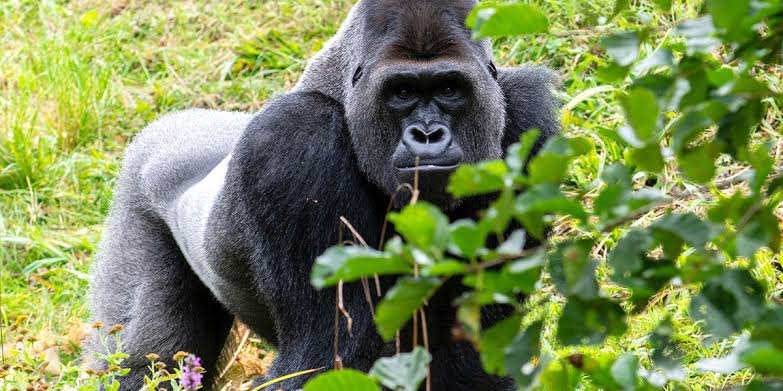
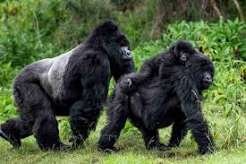
Rwanda Gorilla Trekking is a guided forest experience centered on Volcanoes National Park, home to roughly a third of the world’s remaining mountain gorillas.
Visitors are matched to one of several habituated gorilla families and spend one hour observing them in the wild.
Rangers and trackers lead every Rwanda Gorilla Trekking group, locating the assigned family before guiding visitors in for the encounter itself.
Where Gorilla Trekking in Rwanda Takes Place
All Rwanda Gorilla Trekking happens within Volcanoes National Park, in the country’s northwest, bordering Uganda and the Democratic Republic of Congo.
The park protects five of the eight Virunga volcanoes and Rwanda Gorilla Trekking trails wind through dense bamboo and rainforest along their lower slopes.
Ten habituated gorilla families currently host Rwanda Gorilla Trekking visitors, each assigned a set number of daily permits.
A Brief History of Gorilla Conservation in Rwanda
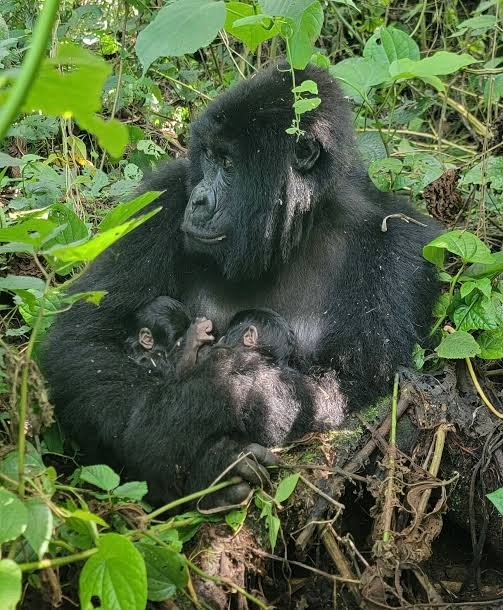
Rwanda’s mountain gorilla population was once on the brink of extinction, with numbers dropping sharply through the 1970s and 1980s due to poaching and habitat loss.
American researcher Dian Fossey spent nearly two decades studying and protecting gorillas in these same volcanic forests, work that laid the foundation for today’s conservation programs.
Her research station, Karisoke, still operates in the park today, and many guides trace their training lineage back to methods she pioneered.
Thanks to decades of sustained protection, mountain gorilla numbers have slowly climbed, making them one of the few great ape populations increasing rather than declining.
Volcanoes National Park at a Glance
The park spans roughly 160 square kilometers of the Virunga Massif, a chain of volcanoes shared between Rwanda, Uganda and the Democratic Republic of Congo.
Dense bamboo forest gives way to Afromontane vegetation higher up the slopes, creating a rich mix of habitats within a fairly compact protected area.
Beyond gorillas, the park hosts golden monkeys, forest buffalo, and over 200 recorded bird species, making it a rewarding destination well beyond its primate residents.
Its proximity to Kigali, roughly a two to three hour drive, makes it one of the more accessible gorilla destinations in the region.
What to Pack for Volcanoes National Park
A capable daypack, at least two liters of water, and energy-dense snacks are worth carrying on any forest walk here.
Binoculars add real value for birdwatching between gorilla sightings, and a dry bag protects electronics during sudden rain showers.
Cash in small denominations is useful for tipping guides, porters and trackers, since this is customary and appreciated throughout the park.
Health and Safety Notes
Yellow fever vaccination is required for entry into Rwanda, and travelers should carry proof of vaccination when crossing the border.
Malaria precautions are recommended, including prophylaxis and insect repellent, particularly during dawn and dusk hours near forest edges.
Travel insurance covering trekking, evacuation and high-altitude activity is strongly advised given the remote terrain involved.
Golden Monkey Tracking as an Add-On
Golden monkey tracking is a popular half-day add-on within the same park, requiring a separate, much cheaper permit.
These endangered primates move quickly through bamboo forest, making for a livelier, faster-paced encounter than a typical primate walk.
Many visitors combine both activities across two consecutive mornings, adding real variety to a short Volcanoes National Park itinerary.
Getting There From Kigali
Most visitors fly into Kigali International Airport before driving north to the park, a well-paved route taking roughly two and a half hours.
Some travelers charter a helicopter transfer for a faster, more scenic alternative, particularly on shorter trip itineraries.
Self-driving is possible, though most visitors prefer arranging a driver-guide familiar with the route and park procedures.
Where to Stay Near the Park
Accommodation options range from simple community-run guesthouses to some of the most exclusive lodges on the African continent.
Higher-end properties often include private butlers, volcano-view suites and rates that reflect the premium positioning of the entire region.
Mid-range options near Kinigi offer comfortable rooms and easy access to the morning briefing point without the luxury price tag.
Traveler Experiences and Reflections
Visitors consistently describe the encounter as emotionally overwhelming, often citing the gorillas’ calm, almost human-like gaze as unexpectedly moving.
Many say the hour passes far too quickly, a common reaction given how intensely focused the experience becomes once the family is located.
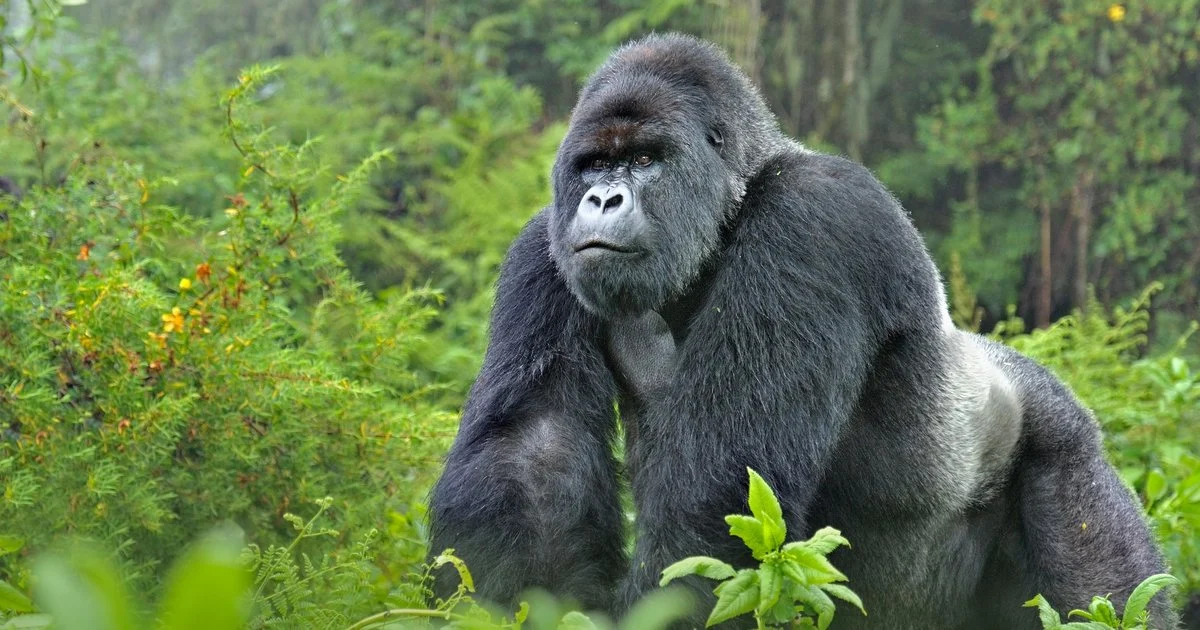
First-time primate trekkers frequently note that no amount of documentary footage fully prepares them for the scale and presence of a silverback up close.
Fact 1: Permit Cost
The single most talked-about detail in Rwanda Gorilla Trekking planning is cost.
A standard Gorilla Trekking permit in Rwanda costs $1,500 per person, among the highest gorilla permit prices in the world.
This fee covers park entry, ranger guides, trackers and one hour with the gorilla family, though transport and lodging are separate.
Despite the price, demand for Rwanda Gorilla Trekking remains extremely high, and permits often sell out months in advance.
Fact 2: Best Time to Visit
Timing matters considerably for anyone planning Rwanda Gorilla Trekking.
The dry seasons, June to September and December to February, are the most popular months for Rwanda Gorilla Trekking, with easier trail conditions.
The wetter months, March to May and October to November, see fewer visitors, making Rwanda Gorilla Trekking permits somewhat easier to secure last-minute.
Whichever season you choose, booking Rwanda Gorilla Trekking early remains the safest way to guarantee your preferred date.
Fact 3: Physical Difficulty
Gorilla Trekking in Rwanda trails vary considerably in difficulty depending on which family you’re assigned.
Some families stay relatively low on the slopes, making that day’s Rwanda Gorilla Trekking walk shorter and gentler.
Other families range higher into steeper, thinner-air terrain, turning Rwanda Gorilla Trekking into a genuinely demanding hike.
Porters are available and highly recommended for anyone approaching Rwanda Gorilla Trekking with less hiking experience.
Fact 4: What to Pack
Packing correctly makes a real difference to how much you enjoy Gorilla Trekking in Rwanda.
Waterproof hiking boots with strong ankle support are essential, since Rwanda Gorilla Trekking trails are frequently muddy and uneven.
Gardening gloves protect hands from stinging nettles and thorny vegetation common along Rwanda Gorilla Trekking routes.
A lightweight rain jacket, long trousers and a daypack with water complete the essentials for any Rwanda Gorilla Trekking outing.
Fact 5: Trekking Day Itself
Gorilla Trekking in Rwanda days begin early, typically with a 7am briefing at park headquarters in Kinigi.
Rangers assign each Rwanda Gorilla Trekking group to a specific family based on its last known location, then lead the walk into the forest.
Depending on the family’s position, a Rwanda Gorilla Trekking hike can last anywhere from thirty minutes to several hours each way.
Once located, visitors get exactly one hour with the gorillas before the Rwanda Gorilla Trekking group begins its walk back out.
Fact 6: Rules and Etiquette
Strict rules govern every Rwanda Gorilla Trekking encounter, designed to protect both visitors and the gorillas themselves.
Visitors must stay at least seven meters from the gorillas throughout the Rwanda Gorilla Trekking experience.
Anyone showing signs of illness may be asked to sit out, since gorillas are highly susceptible to human respiratory infections.
Flash photography and loud noise are prohibited during Rwanda Gorilla Trekking, and each visit is capped at exactly one hour.
Rwanda vs Uganda: A Quick Comparison
Travelers often weigh Rwanda against Uganda when planning a gorilla safari, since both offer permits to see the same subspecies of mountain gorilla.
Rwanda’s permits cost more, but drive times from the capital are shorter, and infrastructure around Volcanoes National Park is generally more polished.
Uganda offers lower permit fees and a wider spread of sectors and gorilla families, appealing to travelers prioritizing value and flexibility.
Neither country is objectively better; the right choice depends on budget, time available, and whether a broader multi-park itinerary is part of the plan.
Photography Tips for the Trek
Low light under dense canopy makes photography genuinely challenging, so a camera capable of handling higher ISO settings is a real advantage.
A single versatile zoom lens tends to work better than swapping lenses mid-trek, since dust and moisture are constant concerns in the forest.
Patience matters more than gear. Many of the best shots come from waiting quietly rather than actively chasing movement through undergrowth.
Sample Three-Day Itinerary
Day one typically involves arrival in Kigali, a short city tour and the drive north to Kinigi in the afternoon.
Day two is trek day itself, beginning with an early briefing, followed by the forest walk and the return to the lodge by afternoon.
Day three often includes golden monkey tracking in the morning before departing back toward Kigali for an onward flight or extension.
Combining a Longer East Africa Trip
Many travelers extend beyond Rwanda into Uganda or Tanzania, building a longer primate and wildlife itinerary across the region.
Nyungwe Forest, in Rwanda’s southwest, adds chimpanzee tracking and a canopy walkway for travelers with extra days available.
Akagera National Park, in the country’s east, rounds out a Rwanda itinerary with classic savanna game viewing alongside the forest experiences up north.
How to Book Rwanda Gorilla Trekking
Permits for Gorilla Trekking in Rwanda are issued by Rwanda Development Board and can be booked directly or through a licensed tour operator.
Most travelers prefer booking Rwanda Gorilla Trekking through an operator, since it simplifies documentation, payment and any last-minute changes.
A deposit is typically required to secure Rwanda Gorilla Trekking permits, with the balance due closer to the travel date.
Where to Stay Near Volcanoes National Park
Accommodation near Rwanda Gorilla Trekking trailheads ranges from simple guesthouses to some of Africa’s most exclusive luxury lodges.
Staying close to Kinigi is recommended for anyone doing Rwanda Gorilla Trekking, since it allows an early start before the morning briefing.
Higher-end lodges near Rwanda Gorilla Trekking routes often include private guides, gourmet dining and stunning volcano views from every room.
Combining Rwanda Gorilla Trekking with Other Experiences
Many visitors pair Rwanda Gorilla Trekking with golden monkey tracking, also based in Volcanoes National Park.
Kigali, Rwanda’s capital, is often visited before or after Rwanda Gorilla Trekking, offering excellent museums and a thriving food scene.
Some travelers also combine Rwanda Gorilla Trekking with a Uganda extension, crossing the border near Kisoro for a broader primate safari.
Common Questions From First-Time Visitors
New visitors to Rwanda Gorilla Trekking often ask similar practical questions before their trip.
Many wonder whether the trek is safe for older travelers. With porters, flexible pacing and shorter routes available on request, most reasonably mobile seniors complete Rwanda Gorilla Trekking comfortably.
Others ask about connectivity during the trek. Mobile signal is patchy at best inside the forest, so most Rwanda Gorilla Trekking days are effectively a full digital break.
A frequent concern is weather uncertainty. Guides monitor conditions closely, and Rwanda Gorilla Trekking rarely gets cancelled outright, though start times can shift around heavy rain.
Currency and Practical Logistics
Rwandan francs are the local currency, though US dollars are widely accepted near lodges and park headquarters for permit-related payments.
Tipping is customary for guides, trackers and porters, and most operators can advise on appropriate amounts ahead of a Rwanda Gorilla Trekking day.
A visa is required for most nationalities, though many travelers qualify for visa-on-arrival or the East Africa Tourist Visa covering Rwanda, Uganda and Kenya together.
Frequently Asked Questions
How much does Rwanda Gorilla Trekking cost?
A standard Rwanda Gorilla Trekking permit costs $1,500 per person, one of the highest gorilla trekking fees in Africa.
How fit do I need to be for Rwanda Gorilla Trekking?
Reasonable fitness helps, but porters and a flexible pace mean most reasonably active travelers can complete Rwanda Gorilla Trekking successfully.
How far in advance should I book Rwanda Gorilla Trekking?
Three to six months ahead is typical, and up to a year ahead for peak season Rwanda Gorilla Trekking dates.
Can children join Rwanda Gorilla Trekking?
Trekkers must be at least 15 years old, a rule enforced strictly across all Rwanda Gorilla Trekking permits.
What is the difference between Rwanda and Uganda gorilla trekking?
Rwanda Gorilla Trekking permits cost more but offer shorter drive times from the capital, while Uganda’s permits are cheaper with more sector choice.
Is a visa needed to visit Volcanoes National Park?
Most nationalities need a visa, though visa-on-arrival and the East Africa Tourist Visa make entry straightforward for the vast majority of travelers.
Final Thoughts on Rwanda Gorilla Trekking
Few wildlife experiences compare to spending an hour beside a wild mountain gorilla family in the shadow of the Virunga volcanoes.
Rwanda Gorilla Trekking remains a premium, well-organized experience, and the higher permit cost reflects genuinely excellent infrastructure and conservation results.
Whether it’s your first primate safari or a repeat visit, Rwanda Gorilla Trekking rewards travelers who plan ahead and book early.
Beyond the encounter itself, the surrounding region offers volcano hikes, cultural village visits and some of the continent’s most scenic lodges, making it easy to build a full week around a single permit day.
Travelers who take the time to plan properly, from vaccination requirements to lodge selection, tend to describe the entire trip as one of the most memorable of their lives.
Ready to Book Your Rwanda Gorilla Trekking Adventure?
Tulambule Uganda Safaris Skymate Tours and Travel can help arrange Rwanda Gorilla Trekking permits alongside a broader East Africa itinerary.