Rules for Gorilla Trekking in Uganda cover distance, age, health and behavior near gorillas — here are 8 critical facts every visitor must know.
8 Critical Facts
Understanding the rules for gorilla trekking in Uganda is essential before you ever set foot in the forest.
These rules for gorilla trekking in Uganda exist to protect both visitors and the gorillas themselves and rangers enforce them strictly throughout every trek.
This guide covers the eight most important rules for gorilla trekking in Uganda, so you know exactly what to expect on trekking day.
Why the Rules for Gorilla Trekking in Uganda Exist
Mountain gorillas are critically endangered, and close contact with humans carries real risk of disease transmission in both directions.
The rules for gorilla trekking in Uganda were developed by the Uganda Wildlife Authority specifically to minimize this risk while still allowing visitors a genuine encounter.
Following them isn’t optional. Rangers can and do end a trek early if visitors ignore the rules for gorilla trekking in Uganda set out for their safety and the gorillas’ well being.
Fact 1: Minimum Age Is 15
One of the strictest rules for gorilla trekking in Uganda is the minimum age requirement.
Trekkers must be at least 15 years old, with no exceptions made regardless of a child’s maturity or fitness level.
This age limit exists because younger children are considered more likely to make noise or sudden movements that could startle the gorillas.
Fact 2: Stay Seven Meters Away
Distance is at the core of nearly every discussion around the rules for gorilla trekking in Uganda.
Visitors must remain at least seven meters, roughly 21 feet, from the gorillas at all times during the encounter.
Rangers will ask the group to step back if a gorilla approaches closer than this, since maintaining distance protects both parties from illness.
Fact 3: No Visitors Who Are Sick
Health screening is a serious part of the rules for gorilla trekking in Uganda, since gorillas share close to 98 percent of human DNA.
Anyone showing symptoms of a cold, flu or other communicable illness may be asked to sit out the trek entirely.
This rule protects the gorillas above all, since a human respiratory infection can spread rapidly through a family with no natural immunity to it.
Fact 4: Groups Are Capped at Eight
Group size is carefully controlled under the rules for gorilla trekking in Uganda to limit stress on each habituated family.
No more than eight visitors are permitted per gorilla family per day, a limit enforced through the permit allocation system itself.
This cap keeps the encounter calmer and more intimate than it would be with larger, less controlled groups.
Fact 5: No Flash Photography
Photography restrictions are among the more commonly misunderstood rules for gorilla trekking in Uganda.
Flash photography is strictly prohibited, since sudden bright light can startle or distress the gorillas without warning.
Standard photography without flash is welcomed, so adjusting your camera settings in advance is well worth doing before the trek begins.
Fact 6: One Hour Maximum With the Family
Time limits are a defining feature of the rules for gorilla trekking in Uganda that many first-time visitors don’t expect.
Once located, visitors are permitted exactly one hour with the gorilla family, timed from the moment rangers confirm approach.
This limit applies regardless of how far the trek took to reach the family, so the hour itself always feels brief.
Fact 7: No Eating or Smoking Near the Gorillas
Behavioral rules for gorilla trekking in Uganda extend beyond photography and distance to basic conduct near the animals.
Eating, drinking and smoking are not permitted once the group is near the gorilla family, to avoid contaminating the habitat.
Snacks and water are fine earlier in the trek, but should be finished before the final approach to the family itself.
Fact 8: Follow Ranger Instructions at All Times
The final and arguably most important of the rules for gorilla trekking in Uganda is simply deferring to your ranger.
Rangers read gorilla behavior in real time and may adjust distance, positioning or timing based on cues visitors won’t necessarily notice.
Sudden movements, loud talking or attempts to touch a gorilla are firmly discouraged and can result in an early end to the encounter.
What Happens if You Break the Rules
Minor infractions typically result in a verbal reminder from the ranger leading the group.
Repeated or serious violations of the rules for gorilla trekking in Uganda can lead to a visitor being asked to leave the immediate area.
In rare cases, deliberate rule-breaking has resulted in visitors being banned from future permits entirely, underscoring how seriously UWA treats gorilla welfare.
Preparing Mentally and Physically Before Your Trek
Beyond the formal rules for gorilla trekking in Uganda, a little preparation goes a long way toward a smoother day.
Reviewing the rules for gorilla trekking in Uganda with your guide the night before helps set expectations and reduces the chance of accidental missteps on the trail.
Physical readiness matters too. Terrain varies by sector, and knowing the rules for gorilla trekking in Uganda won’t help much if fatigue affects your judgment mid-trek.
How Rangers Enforce the Rules for Gorilla Trekking in Uganda in Practice
Rangers accompany every group and actively monitor gorilla behavior throughout the encounter, adjusting positioning as needed.
They communicate quietly using hand signals or soft verbal cues, minimizing disruption while still keeping the group compliant with the rules for gorilla trekking in Uganda.
If a gorilla shows signs of stress, rangers may pause the encounter altogether until the animal settles, regardless of remaining time.
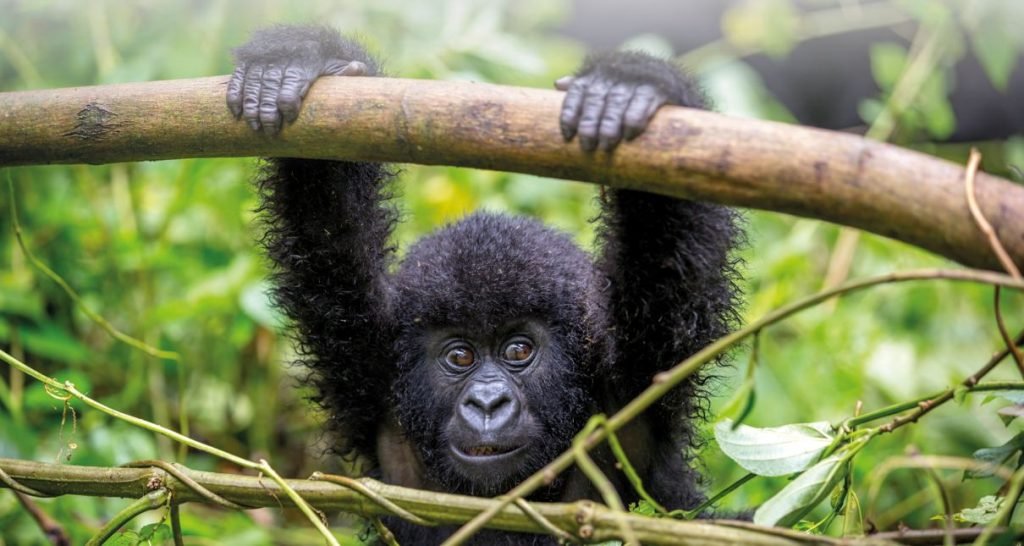
Rules Specific to Gorilla Habituation Experiences
Habituation permits, which allow up to four hours with a family, follow the same core rules for gorilla trekking in Uganda with a few additions.
Because visitors spend longer near the family, patience and stillness matter even more than during a standard one-hour trek.
Researchers accompanying habituation groups often reinforce the rules for gorilla trekking in Uganda more actively, given the extended exposure time involved.
Packing With the Rules in Mind
A few packing choices directly support compliance with the rules for gorilla trekking in Uganda.
Muted, neutral clothing colors are recommended, since bright colors can occasionally draw unwanted attention from wildlife along the trail.
Cameras without built-in flash, or with flash easily disabled, make it simpler to follow photography restrictions without fumbling with settings in the moment.
Common Misunderstandings About the Rules
A frequent misconception is that the seven-meter rule is flexible if gorillas approach visitors first.
In reality, if a gorilla closes the distance, visitors are expected to calmly back away rather than treat it as an exception to the rules for gorilla trekking in Uganda.
Another myth is that the rules for gorilla trekking in Uganda only apply to standard treks. They apply equally, and in some respects more strictly, to habituation experiences as well.
Why the Rules for Gorilla Trekking in Uganda Matter for Conservation
Every one of the rules for gorilla trekking in Uganda ties back to a single goal: protecting a genuinely fragile, recovering population.
Mountain gorillas were once critically endangered, and disciplined tourism practices have played a real role in their slow but steady recovery.
Respecting the rules for gorilla trekking in Uganda isn’t just about compliance. It’s a direct, practical way visitors contribute to the species’ continued survival.
Rules Around Group Noise and Behavior
Beyond the eight core rules for gorilla trekking in Uganda, general group conduct matters throughout the entire day, not just during the encounter itself.
Loud conversation, sudden laughter or excited shouting can carry surprisingly far in dense forest, potentially disturbing gorillas well before a group even reaches them.
Rangers often ask groups to lower their voices on approach, treating quiet movement as an extension of the core rules for gorilla trekking in Uganda rather than a separate request.
Children accompanying older siblings on a trek, where permitted by age, are expected to follow the same behavioral expectations as adults in the group.
What Rangers Actually Look For
Rangers assess gorilla body language continuously, watching for signs of stress such as vocalizations, chest-beating or sudden shifts in group positioning.
If these signs appear, rangers may quietly increase the group’s distance well beyond the standard rules for gorilla trekking in Uganda as a precaution.
Experienced rangers can often predict a family’s mood before visitors arrive, based on recent tracker reports from earlier that morning.
This real-time judgment is precisely why deferring to your ranger sits at the very top of the rules for gorilla trekking in Uganda.
Equipment Rules Worth Knowing
Camera gear is generally welcome, though a few practical restrictions apply under the broader rules for gorilla trekking in Uganda.
Tripods and monopods are typically discouraged on narrow forest trails, since they can slow group movement and pose a minor safety hazard underfoot.
Drones are strictly prohibited across all sectors, both for gorilla welfare reasons and because of broader park airspace restrictions.
Phones and cameras should be set to silent mode, since notification sounds can be just as disruptive as raised voices near the family.
A Brief History Behind These Protections
Many of today’s rules for gorilla trekking in Uganda trace back to early observational research in the 1970s and 1980s, when tourism guidelines were still being developed.
Early trekking programs sometimes allowed closer contact than is permitted today, before research revealed how easily human illnesses could transfer to gorilla populations.
Uganda Wildlife Authority progressively tightened these standards over subsequent decades, aligning them with similar protections developed in neighboring Rwanda and the Democratic Republic of Congo.
Today’s rules for gorilla trekking in Uganda represent the accumulated lessons of nearly half a century of conservation experience.
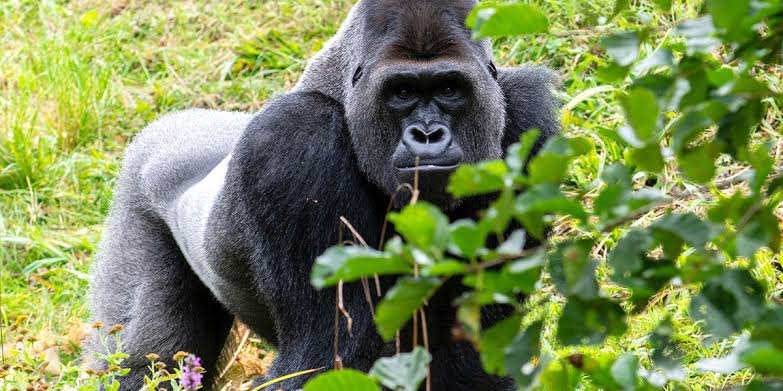
How Uganda’s Rules Compare to Rwanda’s
Travelers researching both countries often ask how the rules for gorilla trekking in Uganda compare with Rwanda’s approach across the border.
The core protections, distance, group size, health screening and time limits, are essentially identical between the two countries, reflecting shared regional conservation standards.
Minor procedural differences exist, such as slightly different briefing formats, but the underlying rules for gorilla trekking in Uganda and Rwanda serve the same conservation purpose.
Etiquette Beyond the Official Rules
A few unwritten courtesies complement the formal rules for gorilla trekking in Uganda without being strictly enforced by rangers.
Tipping guides, trackers and porters is customary and appreciated, even though it isn’t part of any official rulebook.
Asking permission before photographing local community members near the park entrance is a simple courtesy many visitors overlook amid trek preparations.
Respecting these informal norms alongside the formal rules for gorilla trekking in Uganda tends to make for a smoother, more positive experience overall.
A Quick Pre-Trek Checklist
Reviewing the rules for gorilla trekking in Uganda the night before your trek helps everything go smoothly the following morning.
Confirm your permit, passport and any required health documentation are packed and easily accessible before departure.
Mentally rehearse the core rules for gorilla trekking in Uganda, distance, silence, no flash, no eating, so they feel natural rather than restrictive once you’re in the forest.
Pack light, dress in muted colors, and set your camera’s flash setting the evening before to avoid last-minute fumbling.
Frequently Asked Questions
What is the minimum age for gorilla trekking in Uganda?
Trekkers must be at least 15 years old, with no exceptions made under the official rules for gorilla trekking in Uganda.
How close can I get to the gorillas?
Visitors must stay at least seven meters away at all times, a distance enforced consistently across every sector.
Can I use my phone camera during the trek?
Yes, as long as flash is disabled, since standard photography without flash is fully permitted under the rules for gorilla trekking in Uganda.
What happens if a gorilla approaches me?
Stay calm, avoid sudden movement, and follow your ranger’s instructions to calmly increase distance again.
Are the rules different for gorilla habituation experiences?
The core rules for gorilla trekking in Uganda remain the same, though extended time near the family means extra patience is expected.
Recap of the 8 Critical Rules
To summarize the core rules for gorilla trekking in Uganda covered throughout this guide, here’s a quick recap in order.
First, the minimum age of 15 applies without exception under the rules for gorilla trekking in Uganda.
Second, maintain seven meters of distance at all times, a rule enforced consistently across every sector.
Third, anyone unwell should stay behind, since health screening is central to the rules for gorilla trekking in Uganda.
Fourth, groups are capped at eight visitors per family, keeping each encounter calm and manageable.
Fifth, flash photography is prohibited, though standard photography remains fully welcomed throughout the visit.
Sixth, time with the family is capped at exactly one hour, regardless of trek duration beforehand.
Seventh, eating and smoking are not permitted near the gorillas, a rule tied directly to habitat protection.
Eighth, and perhaps most important, always follow your ranger’s real-time instructions above any other guidance you’ve read in advance.
Why First-Timers Should Read the Rules for Gorilla Trekking in Uganda Twice
Many visitors skim the rules for gorilla trekking in Uganda once during booking and forget the specifics by the time trek day arrives.
Reading through them again the night before, ideally alongside your guide’s own briefing, reinforces exactly what to expect and reduces first-day nerves.
Groups who arrive already familiar with the rules for gorilla trekking in Uganda tend to move more calmly and confidently once the trek actually begins.
This familiarity also helps visitors recognize ranger cues faster, since less mental energy goes toward remembering the rules themselves in the moment.
Why Every Visitor Must Know the Rules for Gorilla Trekking in Uganda
If you remember nothing else, remember this: the rules for gorilla trekking in Uganda exist because gorillas cannot consent to human contact, so humans carry the full responsibility.
Every visitor accepts the rules for gorilla trekking in Uganda the moment they purchase a permit, whether they’ve read the fine print or not.
Ignorance of the rules for gorilla trekking in Uganda is never treated as an excuse by rangers enforcing them on the ground.
Take the time to genuinely understand the rules for gorilla trekking in Uganda before travel, not just skim them the morning of your trek.
Ask your operator directly if anything about the rules for gorilla trekking in Uganda feels unclear before you arrive at park headquarters.
Ultimately, the rules for gorilla trekking in Uganda are simple enough that most visitors follow them naturally once they understand the reasoning behind each one.
Final Thoughts on the Rules for Gorilla Trekking in Uganda
These rules for gorilla trekking in Uganda exist for good reason, protecting a species that came remarkably close to disappearing entirely within living memory.
Visitors who understand and respect the rules for gorilla trekking in Uganda consistently describe calmer, more rewarding encounters as a result.
Preparation, patience and a willingness to follow your ranger’s lead make all the difference between a good trek and an unforgettable one.
Ready to Experience Gorilla Trekking the Right Way?
Tulambule Uganda Safaris Skymate Tours and Travel can guide you through every rule and requirement before your trek. Contact us and book now!