Why Visit Uganda comes down to gorillas, primates, birds, and landscapes packed into one compact country. Discover 7 reasons for your next safari.
7 Ultimate Reasons as to why visit Uganda for Your Next Safari
Winston Churchill called it the Pearl of Africa over a century ago, and the description still holds up remarkably well today. Why Visit Uganda comes down to a simple fact: few countries pack this much wildlife, landscape, and adventure into such a compact, accessible space.
It’s a destination that consistently exceeds expectations for travelers who take the time to look beyond Africa’s more famous safari brands.
This guide covers seven reasons Uganda deserves serious consideration for your next trip. We’ll cover gorillas, primates, birds, landscapes, and the practical advantages that set this country apart from its regional neighbors. By the end, the case for Why Visit Uganda should feel genuinely compelling.
Kenya and Tanzania dominate most people’s mental image of an African safari, largely thanks to decades of marketing built around the Great Migration and the classic savannah experience. Uganda offers something different: a combination of primates, birds, mountains, and water that those better-known destinations simply can’t replicate in the same package.
This guide makes that case with specifics rather than vague travel-brochure enthusiasm.
The Case for Why Visit Uganda Right Now
Uganda sits along the equator in East Africa, an area smaller than the United Kingdom yet home to an extraordinary range of ecosystems. Savannah plains, ancient rainforest, snow-capped mountains, crater lakes, and the source of the Nile all exist within a single country’s borders.
This compactness means shorter transfer times between wildly different landscapes than almost anywhere else on the continent.
Understanding this geographic diversity is the starting point for answering Why Visit Uganda with real specifics rather than vague enthusiasm. The reasons below move from wildlife headliners to practical advantages, building a complete picture of what makes this country genuinely distinctive.
Reason 1: Half the World’s Remaining Mountain Gorillas
Uganda protects roughly half of the world’s remaining mountain gorillas, split between Bwindi Impenetrable National Park and Mgahinga Gorilla National Park.
Mountain gorillas exist in only three countries globally and Uganda holds more habituated families than either Rwanda or the Democratic Republic of Congo. For many travelers, this single fact alone answers Why Visit Uganda decisively.
A Conservation Success Story Worth Witnessing
Uganda is also the only country offering the gorilla habituation experience, extending observation time from one hour to up to four hours with a family still adjusting to human presence.
This distinction reflects decades of dedicated conservation work that moved the species from Critically Endangered toward a more stable outlook. Trekkers don’t just witness wildlife here; they witness a genuine conservation success story unfolding in real time.
The moment of encountering a gorilla family face to face is frequently described as life-changing by first-time visitors. Watching a silverback watch over his family, or infants playing while mothers groom nearby, creates a connection few other wildlife experiences can match.
This encounter alone justifies the trip for a significant share of Uganda’s international visitors.
Beyond the emotional impact, gorilla tourism directly funds the ranger salaries, anti-poaching patrols, and community programs that make this conservation success possible in the first place.
Every permit purchased contributes to a funding model that has helped stabilize a species once on the brink of extinction. Travelers taking part in this experience become part of that ongoing conservation story, not just observers of it.

Reason 2: Extraordinary Primate Diversity Beyond Gorillas
Uganda shelters thirteen primate species, more than almost any other country in Africa, earning Kibale National Park its nickname as the Primate Capital of the World.
Chimpanzees, golden monkeys, red colobus, black-and-white colobus and the rare white-bearded L’Hoest’s monkey all call Uganda home. This diversity means a single trip can deliver far more than just gorillas.
Chimp Trekking and Beyond
Kibale alone hosts over 1,500 chimpanzees, with both standard trekking and an extended habituation experience available for serious primate enthusiasts. Golden monkey tracking, unique to the Virunga region, adds an entirely different, more energetic primate encounter to any itinerary.
Few countries anywhere allow travelers to track three distinct great ape and monkey experiences within a single trip.
This primate variety extends well beyond the headline species, with smaller parks and forest reserves throughout the country offering additional encounters. Vervet monkeys, baboons, and red-tailed monkeys appear regularly even outside dedicated primate-focused excursions.
For anyone with a genuine interest in primatology, Uganda offers depth that few other destinations can match.
Reason 3: World-Class Birding With Over 1,000 Species
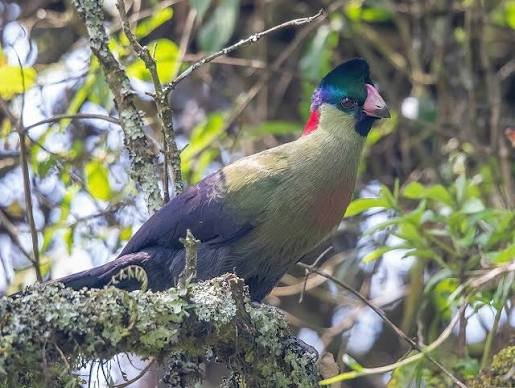
Uganda hosts more than 1,000 recorded bird species, more than the entire North American continent, making it one of the premier birding destinations on Earth. Queen Elizabeth National Park alone records over 600 species, while the Albertine Rift region hosts endemics found almost nowhere else.
This concentration of birdlife adds serious value for travelers with any interest in birding, casual or dedicated.
Rare Species and Iconic Sightings
The Shoebill Stork, one of Africa’s most sought-after birds, draws dedicated birders to wetlands like Mabamba Bay near Lake Victoria. Bwindi alone hosts over 350 bird species, including 23 Albertine Rift endemics, meaning gorilla trekkers can add serious birding to the same trip without extra travel.
This dual appeal, primates alongside exceptional birdlife, is relatively rare among Africa’s major safari destinations.
Migratory birds arriving from Europe and North Africa between November and April add further seasonal variety to an already impressive resident list.
Specialist habitats, from rain forest canopy to papyrus swamp, each support distinct communities of species rarely found together elsewhere. Serious birders increasingly rank Uganda alongside Africa’s most celebrated birding destinations.
Reason 4: Landscapes That Shift Dramatically Within Hours
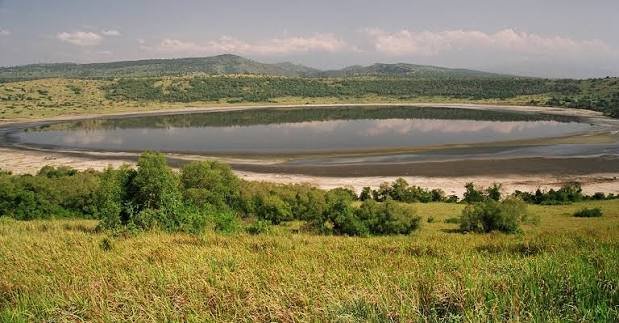
Few countries offer this much scenic variety within such short travel distances between destinations. The Rwenzori Mountains, a UNESCO World Heritage Site, offer glaciers and dramatic peaks in the west, while Mount Elgon’s colossal caldera anchors the east. Queen Elizabeth National Park adds crater lakes, tree-climbing lions, and vast wetlands to the mix.
From Savannah to Source of the Nile
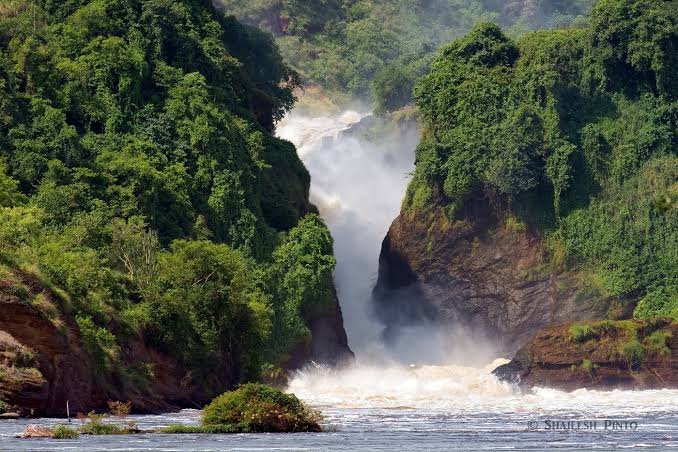
Jinja, on the shores of Lake Victoria, marks the source of the Nile River and offers white-water rafting, kayaking, and bungee jumping for adventure travelers.
Watching sunrise over Lake Victoria and sunset over the Nile within the same country adds a poetic dimension to an already varied itinerary. This range of landscapes means Uganda rarely feels repetitive, even across a two-week trip.
Uganda’s equatorial position gifts it a mild, consistent climate that supports this remarkable ecological range without extreme seasonal disruption. Savannah, rainforest, wetland and alpine zones all remain accessible throughout most of the year.
Few destinations anywhere allow this much landscape diversity without extensive, time-consuming travel between regions.
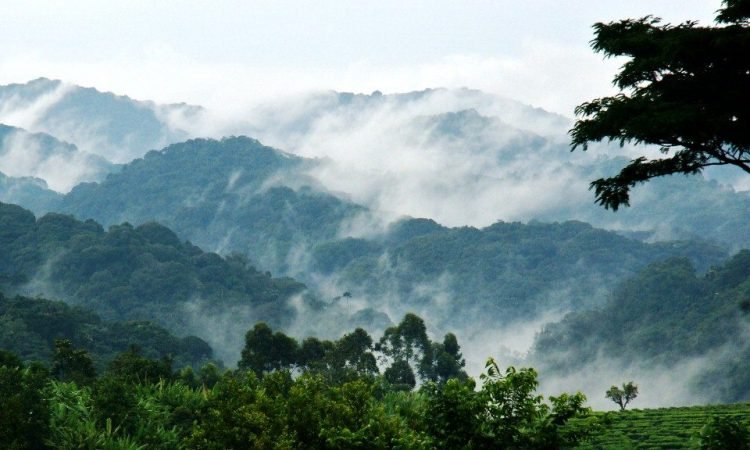
A single two-week itinerary can realistically move from tracking gorillas in misty mountain rain forest, to white-water rafting on the Nile, to spotting tree-climbing lions on the savannah, without excessive travel days lost purely to transit.
This kind of variety typically requires visiting multiple separate countries elsewhere in Africa. Uganda compresses that range into distances measured in hours rather than days.
Reason 5: Genuinely Uncrowded
Uganda receives considerably fewer visitors than East Africa’s more established safari destinations, despite offering comparable or superior wildlife experiences in several categories.
This lower volume translates directly into quieter trails, smaller group sizes and a more personal, less commercialized feel throughout most parks.
A More Intimate Safari Experience
Smaller crowds also mean more attentive guiding, since rangers and drivers aren’t managing the same volume of daily visitors found in more heavily trafficked parks.
This translates into a genuinely more personal, less rushed safari experience across gorilla trekking, game drives, and primate tracking alike. For travelers who value quality of interaction over sheer visitor numbers, this matters considerably.
Uganda’s relative obscurity, ironically, is becoming one of its strongest selling points as more experienced Africa travelers seek destinations beyond the well-worn tourist circuit.
Word is spreading, but the country hasn’t yet reached the visitor saturation found elsewhere. Visiting now still offers a genuinely uncrowded experience that may not last indefinitely.
Reason 6: Warm, Welcoming People and Rich Culture
Uganda’s reputation for hospitality consistently ranks among the highest of any African safari destination, with visitors frequently citing the warmth of local guides, staff, and communities as a trip highlight.
Cultural encounters, from Batwa forest walks near Bwindi to community visits around Kibale, add genuine depth beyond wildlife viewing alone. This human element is easy to overlook when planning purely around animals and landscapes.
Culture Woven Into the Safari Experience
Many lodges and tour operators actively integrate community visits, traditional dance performances, and craft demonstrations into standard itineraries rather than treating culture as a separate add-on.
This integration means cultural experiences rarely feel forced or performative, since they’re built into the natural flow of a trip. Travelers consistently rate these encounters among their most memorable, alongside the wildlife itself.
Uganda’s history, from its role in regional conservation efforts to its complex colonial and post-independence story, adds context that enriches the entire travel experience.
Guides throughout the country are typically well-versed in this history, offering insight well beyond simple wildlife spotting. This combination of warmth and depth is a significant part of what keeps travelers returning.
Reason 7: Genuine Value for a Premium Experience
Uganda’s gorilla permits cost $800. This value proposition matters considerably for travelers planning longer, multi-activity itineraries across several parks. Why Visit Uganda often comes down, in practical terms, to getting more experience per dollar spent.
Combining Multiple Experiences Affordably
Because permits and accommodation both run more affordably in Uganda which makes it genuinely feasible to combine gorilla trekking, chimp tracking, birding and classic game drives within a single, reasonably priced trip.
This flexibility means Uganda suits a wide range of budgets without meaningfully compromising the quality of the core wildlife experiences. For travelers weighing cost against experience, this balance is difficult to beat.
Domestic flights between parks while an added expense often prove more time-efficient than the long road transfers and remain reasonably priced.
This combination of affordable permits, varied accommodation tiers, and efficient internal transport gives travelers genuine control over how much they spend without sacrificing the core wildlife encounters. Few destinations offer this much flexibility across such a wide budget range.
Final Thoughts on Why Visit Uganda
Why Visit Uganda ultimately comes down to density: an extraordinary concentration of wildlife, landscape, and culture packed into a country smaller than most people expect.
Half the world’s mountain gorillas, thirteen primate species, over a thousand bird species, and landscapes ranging from glaciers to savannah all coexist within a single, accessible itinerary. Few destinations anywhere offer this much variety without requiring significantly more time or budget.
Whether gorillas, birds, landscapes, or genuine cultural connection draws you in first, Uganda tends to deliver considerably more than most travelers initially expect.
The Pearl of Africa nickname, decades old, still captures something real about this country’s appeal. For travelers ready to look beyond East Africa’s more predictable circuit, Uganda consistently rewards the decision.
Ready to plan your Uganda adventure?
Tulambule Uganda Safaris can build a complete itinerary spanning gorillas, primates, birding and classic game viewing tailored to your interests and budget.