Discover the Return of Rhinos in Kidepo
The return of Rhinos in Kidepo is one of the most remarkable wildlife stories in Uganda today. After more than four decades without these magnificent animals, Southern White Rhinos have once again arrived in Kidepo Valley National Park. Their return represents more than an exciting development for wildlife enthusiasts because it marks an important step in restoring a species that was once part of the wider Kidepo ecosystem.
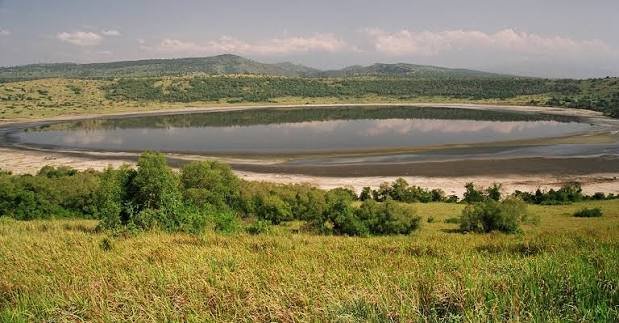
Kidepo Valley National Park is already one of Uganda’s most spectacular safari destinations, famous for its vast savannah plains, rugged mountains, remote wilderness and exceptional wildlife. The arrival of rhinos adds another fascinating chapter to this landscape and strengthens its importance as a wildlife conservation destination. For travellers planning a Uganda safari, the story of Rhinos in Kidepo offers another reason to explore the wild and relatively untouched northeastern part of the country.
Uganda Wildlife Authority began the historic reintroduction of Southern White Rhinos into Kidepo Valley National Park in March 2026. The first two rhinos were moved from Ziwa Rhino Sanctuary as part of an initial programme targeting eight animals. The newly introduced rhinos were placed in a secure sanctuary where they could be monitored closely by trained rangers and veterinary teams as they adapted to their new surroundings.
Rhinos in Kidepo After More Than 40 Years
The return of Rhinos in Kidepo is particularly significant because the species had been absent from the park for more than 40 years. Rhinos once roamed across the Kidepo landscape, but intense poaching and insecurity during the late 1970s and early 1980s caused their disappearance. According to Uganda Wildlife Authority, the last rhino in Kidepo was killed in Narus Valley in 1983.
For more than four decades, Kidepo therefore remained without one of the large mammals that had historically formed part of its wildlife heritage. The 2026 reintroduction reverses that loss and creates an opportunity to rebuild a rhino population in a protected landscape. The return of Rhinos in Kidepo is consequently both a conservation milestone and a powerful reminder of how wildlife populations can recover when long-term protection and restoration programmes are properly supported.
The first animals to arrive were two sub-adult male Southern White Rhinos born at Ziwa Rhino and Wildlife Ranch. According to the Uganda Conservation Foundation, the young males were tired and somewhat disoriented when they arrived, which was expected after their journey and introduction to a new environment. They soon began feeding and moving within the secure sanctuary while conservation teams continued monitoring their adjustment.
Where Did the Rhinos in Kidepo Come From?
A major question for anyone interested in Rhinos in Kidepo is where these animals came from. The rhinos were translocated from Ziwa Rhino Sanctuary in central Uganda, an important centre for the country’s rhino recovery programme. Ziwa was established in 2005 after Uganda’s wild rhino population had been wiped out, providing a secure environment where rhinos could breed under protection and eventually contribute to restoration efforts elsewhere.
The foundation of Uganda’s modern rhino breeding programme involved animals sourced internationally. Four Southern White Rhinos were brought from Solio Ranch in Kenya in 2005, while two additional Southern White Rhinos were donated by Disney’s Animal Kingdom in Florida in 2006. These six animals became the founder population at Ziwa, where years of protection and breeding allowed the national population to grow substantially.
The success at Ziwa eventually created an opportunity to move rhinos beyond the sanctuary and into suitable protected areas. Four Southern White Rhinos were moved from Ziwa to Ajai Wildlife Reserve in January 2026, marking Uganda’s first translocation of rhinos from one protected area to another within the country. The subsequent movement of Rhinos in Kidepo represents another stage in Uganda’s broader strategy of restoring rhinos to suitable protected landscapes.
What Type of Rhinos Are in Kidepo?
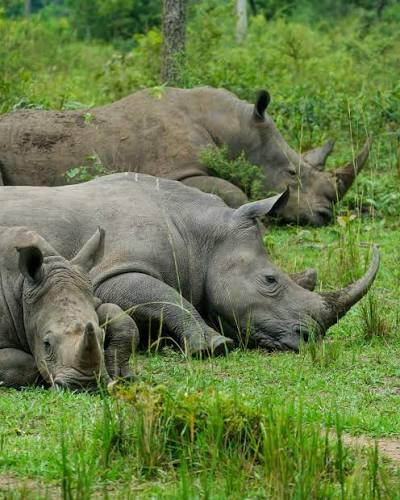
The Rhinos in Kidepo are Southern White Rhinos, scientifically known as Ceratotherium simum simum. They are one of the two living subspecies of White Rhino and are particularly well adapted to open grassland habitats. Their large bodies, broad mouths and grazing behaviour make them highly recognisable among Africa’s great herbivores.
It is important to understand that Southern White Rhinos are not the same subspecies as the Northern White Rhino that historically occurred in parts of northern Uganda. Uganda once had both Northern White Rhinos and Eastern Black Rhinos, with different populations occupying different parts of the country. The Northern White Rhino is now functionally extinct, while Uganda’s current restoration programme uses Southern White Rhinos under the principle of conservation equivalence.
Therefore, when talking about Rhinos in Kidepo, it is more accurate to describe them as Southern White Rhinos being reintroduced to a landscape where rhinos historically occurred. This distinction is important because the animals currently returning to Kidepo are not simply the same native subspecies that disappeared in the 1980s, but they represent an important step towards restoring the ecological presence of rhinos within Uganda.
Why Did Rhinos Disappear From Kidepo?
The disappearance of Rhinos in Kidepo was closely connected to poaching, insecurity and the breakdown of effective wildlife protection during a difficult period in Uganda’s history. Rhinos were heavily targeted because their horns were highly valuable on illegal markets. As security deteriorated, wildlife became increasingly vulnerable, and many animals were killed across the country.
Kidepo was particularly affected by these pressures, and the last known rhino in the park was killed in Narus Valley in 1983. This event marked the end of rhino presence in the park for more than four decades. The loss was not only a reduction in the number of animals but also a major change to the composition of the Kidepo ecosystem.
The story also demonstrates why wildlife conservation requires consistent protection over many years. Even a species that once occurred naturally across a landscape can disappear when poaching, habitat pressures and insecurity become overwhelming. The return of Rhinos in Kidepo therefore represents an opportunity to learn from the past while building stronger systems for the future.
Why Were Rhinos Returned to Kidepo?
The decision to reintroduce Rhinos in Kidepo was based on more than the park’s tourism appeal. Uganda Wildlife Authority conducted a feasibility assessment that considered habitat suitability, ecological requirements and security conditions. Kidepo Valley National Park was identified as one of the suitable locations for restoring rhinos to protected areas in Uganda.
Kidepo is recognised for its extensive savannah ecosystems, diverse wildlife and relatively remote location. The park contains large areas of open habitat that can support major herbivores, while its conservation infrastructure provides a foundation for managing a carefully monitored rhino population.
Before the arrival of the Rhinos in Kidepo, significant preparations were undertaken within the park. These included establishing a secure rhino sanctuary with perimeter fencing, access roads, firebreaks, ranger facilities, water infrastructure and monitoring systems. Such preparations are essential because the safety of the animals remains the highest priority during the early stages of reintroduction.
The Kidepo Rhino Sanctuary
The rhino sanctuary is an important part of the story of Rhinos in Kidepo because it provides a protected environment where the animals can gradually adjust to their new home. Rather than immediately releasing the rhinos into the wider park, conservation managers can monitor their health, behaviour, movements and feeding patterns within a secure area.
Trained Uganda Wildlife Authority rangers and veterinary teams are responsible for closely observing the animals. Monitoring allows conservationists to identify health problems early, understand how the rhinos are responding to the Kidepo environment and make appropriate management decisions as the programme progresses.
The Uganda Conservation Foundation has also reported that UWA and Morungole Community Conservancy scouts are involved in monitoring and protecting the newly introduced rhinos. This demonstrates that the success of Rhinos in Kidepo depends not only on wildlife authorities but also on partnerships and community participation around the conservation landscape.
What Do Rhinos in Kidepo Eat?
The diet of Rhinos in Kidepo is mainly made up of grasses because Southern White Rhinos are specialised grazers. Their broad, square-shaped mouths allow them to crop grass efficiently, making them particularly suited to open savannah habitats. They spend considerable amounts of time feeding, especially when suitable vegetation is available.
Kidepo’s extensive grasslands provide a suitable environment for grazing animals, including buffaloes, zebras, antelopes and other herbivores. The availability of vegetation is therefore an important factor in supporting the newly introduced rhino population and ensuring that the animals have sufficient food throughout different seasons.
The feeding habits of Rhinos in Kidepo may also influence the surrounding vegetation because large herbivores play an important role in shaping grassland ecosystems. As the population develops, conservationists will be able to observe how the rhinos use the available habitat and how their presence interacts with other grazing species.
Behaviour of Rhinos in Kidepo
The behaviour of Rhinos in Kidepo is one of the most interesting subjects for wildlife lovers. Southern White Rhinos spend much of their time grazing, resting, drinking and moving between different areas of their habitat. Although they are enormous animals, they can move surprisingly quickly when necessary.
White Rhinos generally have poor eyesight compared with their excellent sense of smell and hearing. This means that a rhino may detect movement, sound or scent before clearly seeing what is around it. Visitors should therefore avoid sudden movements, loud noises or actions that could make the animals feel threatened.
Although rhinos are often described as peaceful animals, they remain powerful wild creatures and can defend themselves when they feel threatened. The behaviour of Rhinos in Kidepo should always be respected, and tourists should follow the instructions of professional guides and wildlife authorities whenever they are near the animals.
Rhino Social Behaviour
Southern White Rhinos can display fascinating social behaviour, particularly around females, calves and younger animals. Females may stay with their calves for extended periods, while young rhinos can sometimes associate with other individuals. Adult males, on the other hand, may become territorial and use scent markings to communicate their presence.
The newly introduced Rhinos in Kidepo will provide conservationists with an opportunity to study how individuals establish relationships within a new environment. Their behaviour, movement patterns and interactions can provide valuable information about how the population is adapting to Kidepo.
As additional rhinos are introduced, their social structure may become more complex. Conservation teams will therefore continue monitoring individual animals and observing how they interact with one another, with the vegetation and with other wildlife species within the sanctuary and surrounding landscape.
How Rhinos Communicate
Rhinos may appear quiet and solitary, but they have several ways of communicating. They can use sounds, body language, scent marking and physical interactions to communicate information to other rhinos. Their sense of smell is particularly important in understanding what is happening around them.
Dung and urine can also be used as scent markers, allowing rhinos to leave information within their environment. These chemical signals can communicate presence and territory, especially among adult males. Such behaviour becomes particularly important when several individuals share the same landscape.
Observing communication among Rhinos in Kidepo can therefore reveal much more than simply watching them graze. Their movements, postures, sounds and scent-marking behaviours all contribute to the social organisation of the population and can help researchers understand how the animals are establishing themselves in Kidepo.
Why Do Rhinos Take Mud Baths?
One of the most fascinating behaviours associated with Rhinos in Kidepo is wallowing in mud. Seeing a huge rhino covered in mud may look amusing, but mud wallowing serves important purposes. It can help the animal cool its body during hot conditions while also providing some protection against insects and irritation.
Kidepo is known for its warm and dry savannah conditions, making effective ways of regulating body temperature important for large mammals. Rhinos may seek muddy areas when conditions become uncomfortable before returning to feeding or resting areas.
Mud wallowing can also create memorable wildlife photography opportunities, but visitors should never attempt to approach a rhino simply to obtain a better photograph. The best photographs of Rhinos in Kidepo should always be taken while maintaining an appropriate distance and following responsible wildlife-viewing guidelines.
The Horns of Rhinos in Kidepo
The horns of Rhinos in Kidepo are among their most distinctive physical features. Southern White Rhinos have two horns, with the front horn being significantly larger than the rear horn. Unlike antlers, rhino horns do not consist of bone and are primarily made from keratin.
Unfortunately, these impressive horns have also been the reason rhinos have been targeted by poachers for decades. Illegal demand for rhino horn has contributed significantly to the decline of rhino populations across Africa, making protection one of the most important priorities for the Kidepo reintroduction programme.
Protecting Rhinos in Kidepo therefore involves more than keeping the animals inside a fenced sanctuary. It requires effective ranger operations, monitoring, community involvement, public awareness and strong action against wildlife crime. Their survival depends on ensuring that the mistakes that caused their disappearance are not repeated.
How Are Rhinos in Kidepo Protected?
The protection of Rhinos in Kidepo began before the first animals arrived. Uganda Wildlife Authority and conservation partners invested in infrastructure and preparation to create a secure environment for the reintroduction. The sanctuary includes fencing, water infrastructure, ranger facilities, roads, firebreaks and monitoring systems designed to support long-term protection.
The animals are also monitored by trained rangers and veterinary professionals who can observe their health and behaviour. This close monitoring is particularly important during the early stages because the rhinos are adjusting to unfamiliar surroundings, new vegetation, new scents and interactions with other wildlife.
Conservation partnerships are another important part of protecting Rhinos in Kidepo. The reintroduction is supported by organisations including Wild Landscapes East Africa, Northern Range Lands Trust and Uganda Conservation Foundation, showing how cooperation between government and conservation organisations can strengthen wildlife restoration programmes.
Rhinos in Kidepo and the Ecosystem
The return of Rhinos in Kidepo has significance beyond simply increasing the number of wildlife species found in the park. Large herbivores can influence vegetation through grazing, movement and nutrient cycling, contributing to the ecological processes that shape savannah landscapes.
Kidepo is already home to an impressive variety of large mammals, including elephants, buffaloes, giraffes, zebras and several species of antelope. Adding Southern White Rhinos to this community strengthens the park’s collection of large herbivores and contributes to the broader goal of restoring ecological completeness.
Uganda Wildlife Authority has described the reintroduction as an important step towards strengthening biodiversity, ecosystem integrity and resilience in Kidepo Valley National Park. The return of Rhinos in Kidepo therefore forms part of a wider effort to maintain healthy and diverse protected ecosystems.
Rhinos in Kidepo and Other Wildlife
A safari focused on Rhinos in Kidepo should not mean ignoring the other wildlife that makes the park exceptional. Kidepo Valley National Park is one of Uganda’s most remarkable wildlife destinations, with expansive savannah landscapes that support elephants, buffaloes, giraffes, zebras, lions, leopards and numerous antelope species.
The park’s remote setting makes a Kidepo safari particularly special because visitors can experience a strong sense of wilderness. The dramatic scenery of the Narus Valley, rugged mountains and wide open plains provides a spectacular backdrop for wildlife viewing and photography.
The addition of Rhinos in Kidepo makes this already impressive safari destination even more interesting. Travellers can combine the rhino story with game drives, birdwatching, cultural experiences and scenic exploration to create a complete northern Uganda safari experience.
How Many Rhinos Are in Kidepo?
The initial reintroduction programme announced by Uganda Wildlife Authority targeted eight Southern White Rhinos for Kidepo Valley National Park. The programme began with the transfer of the first two animals from Ziwa Rhino Sanctuary, marking the first stage of the return of rhinos to the park.
Uganda’s 2026 State of Wildlife Resources report records 61 Southern White Rhinos nationally, including 53 at Ziwa Rhino Sanctuary, four at Ajai Wildlife Reserve, two at Kidepo Valley National Park and two at Uganda Wildlife Conservation Education Centre. These figures demonstrate how rapidly Uganda’s national rhino recovery programme has expanded in recent years.
Because the Kidepo reintroduction is a developing programme, the number of Rhinos in Kidepo can change as additional translocations take place. Travellers interested specifically in rhino viewing should therefore obtain the latest information from wildlife authorities or their safari operator before travelling.
Uganda’s Growing Rhino Population
Uganda’s rhino recovery programme has achieved remarkable progress since the establishment of the breeding programme at Ziwa. According to the latest UWA State of Wildlife Resources report, Uganda’s Southern White Rhino population increased from 43 to 61 under sustained breeding and protection management.
This increase demonstrates the importance of long-term conservation programmes. Rather than relying only on protecting a small number of animals, Uganda has developed a breeding and restoration strategy that can gradually create opportunities to return rhinos to suitable protected areas.
The growth of Uganda’s rhino population has directly contributed to the return of Rhinos in Kidepo and the restoration of rhinos at Ajai Wildlife Reserve. Together, these efforts represent an important transition from maintaining rhinos in a secure breeding environment towards restoring them across appropriate protected landscapes.
The Important Role of Ziwa Rhino Sanctuary
Ziwa Rhino Sanctuary has played a central role in making the return of Rhinos in Kidepo possible. Established in 2005 through collaboration between Uganda Wildlife Authority and Rhino Fund Uganda, Ziwa provided a safe environment where the founder rhinos could breed under protection.
The original founder population included animals sourced from Kenya and the United States. Through years of dedicated management, breeding and protection, the population increased significantly. This success created the possibility of transferring selected animals to other protected areas as part of Uganda’s national rhino restoration strategy.
The connection between Ziwa and Kidepo demonstrates why conservation programmes require patience. The rhinos now entering Kidepo are part of a story that began many years ago, showing how investment in one protected population can eventually support wildlife restoration in landscapes hundreds of kilometres away.
Rhinos in Kidepo and Tourism
The return of Rhinos in Kidepo could have a significant impact on Uganda’s tourism industry. Kidepo is already known for its spectacular scenery and wildlife, but the presence of a developing rhino restoration programme gives travellers another compelling conservation story to discover.
Wildlife enthusiasts, photographers and conservation-minded travellers are increasingly interested in experiences that connect tourism with conservation. The Kidepo rhino story offers exactly that opportunity by allowing visitors to understand how Uganda is restoring a species that disappeared from the park more than four decades ago.
Increased tourism can also support businesses and communities around Kidepo. Safari guides, drivers, accommodation providers, cultural tourism operators and local artisans can all benefit when visitors spend more time exploring the region. Responsible tourism can therefore contribute to both wildlife protection and local economic development.
Communities and Rhinos in Kidepo
The long-term survival of Rhinos in Kidepo will depend partly on the relationship between conservation authorities and communities surrounding the park. Local people are important partners in wildlife protection because they live close to the conservation landscape and can contribute valuable knowledge about the area.
Community involvement can also help create stronger incentives for protecting wildlife. When communities benefit from tourism and conservation-related opportunities, wildlife can become an important economic and cultural asset rather than being viewed only as a source of conflict or restriction.
The participation of Morungole Community Conservancy scouts in monitoring the newly introduced rhinos demonstrates the importance of local involvement. The future of Rhinos in Kidepo will be stronger when conservation authorities, communities, tourism businesses and conservation organisations work together towards the same goal.
Responsible Tourism Around Rhinos in Kidepo
Anyone hoping to see Rhinos in Kidepo should understand that responsible tourism must come before photography or entertainment. Rhinos are wild animals, and their welfare should always remain the priority. Visitors should listen carefully to their guides and follow all instructions provided by wildlife authorities.
Tourists should avoid making loud noises, moving suddenly towards animals or attempting to attract their attention. Feeding wildlife or trying to touch a rhino is inappropriate and can create dangerous situations for both visitors and animals.
Responsible viewing also means understanding that wildlife sightings cannot always be guaranteed. The best safari experiences come from observing animals naturally rather than trying to manipulate their behaviour. By following these principles, visitors can enjoy the story of Rhinos in Kidepo while helping protect their future.
Can Tourists See Rhinos in Kidepo?
The arrival of Rhinos in Kidepo is exciting for tourists, but the reintroduction programme is still developing. The first animals were initially kept within a secure sanctuary so that their health, movements and adaptation could be carefully monitored by conservation teams.
For this reason, visitors should not assume that seeing a rhino is guaranteed on every Kidepo safari. Wildlife movements are unpredictable, and access or viewing arrangements may change depending on conservation priorities and the stage of the reintroduction programme.
Travellers interested in seeing Rhinos in Kidepo should therefore plan their safari with realistic expectations. Even if a rhino sighting is not possible, Kidepo offers extraordinary opportunities to see other wildlife, experience dramatic landscapes and learn about one of Uganda’s most important conservation stories.
Other Things to Do in Kidepo Valley National Park
Although Rhinos in Kidepo are becoming an exciting part of the park’s wildlife story, there are many other activities to enjoy. Game drives are the main safari experience, offering opportunities to explore the savannah in search of elephants, buffaloes, giraffes, zebras, lions, leopards and different antelope species.
Birdwatching is another rewarding activity because Kidepo’s diverse habitats support a wide variety of bird species. The park’s remote location and distinctive landscape make it particularly appealing to bird enthusiasts and photographers looking for species and scenery that are less commonly encountered elsewhere in Uganda.
Cultural experiences can also be included in a Kidepo safari. Visitors can learn about communities in the wider Karamoja region, their traditions, lifestyles and relationship with the surrounding environment. Combining wildlife, culture and the story of Rhinos in Kidepo creates a much richer travel experience.
Best Time to Visit Kidepo
Kidepo Valley National Park can be visited at different times of the year, with each season offering its own advantages. During drier periods, wildlife can become easier to locate because vegetation is less dense and animals may gather around available water sources.
The wetter months transform the landscape, bringing fresh vegetation and greener scenery. This period can be particularly attractive to photographers because the savannah takes on a vibrant appearance, while bird activity can also become rewarding.
If your main interest is Rhinos in Kidepo, however, the most important consideration is not simply the season. The rhino reintroduction programme is still developing, so visitors should check current viewing arrangements and access conditions when planning their trip.
Why Visit Kidepo Now?
Visiting Kidepo at this stage offers something special because travellers can follow an important wildlife restoration story as it develops. The return of Rhinos in Kidepo means the park is entering a new chapter, with conservationists working to establish a population that was absent for more than 40 years.
Kidepo already provides an extraordinary safari experience because of its remote location, dramatic landscapes and diverse wildlife. The return of rhinos adds another layer of meaning to the journey, connecting visitors with Uganda’s wider efforts to restore species and strengthen protected ecosystems.
For travellers who enjoy conservation, photography and authentic wilderness experiences, Rhinos in Kidepo provide a fascinating reason to include Kidepo Valley National Park on a Uganda safari itinerary. It is a destination where the story of wildlife is not only about what exists today but also about what Uganda is working to bring back.
The Future of Rhinos in Kidepo
The future of Rhinos in Kidepo will depend on continued protection, careful management and successful breeding. The initial programme targeted eight animals, but establishing a sustainable population will require much more than simply moving rhinos into the park.
Conservationists will need to continue monitoring the animals, protecting their habitat, maintaining security and studying their health and behaviour. As the population develops, additional management decisions may be required to ensure that the rhinos have adequate food, water and space.
If the programme succeeds, future generations could grow up knowing rhinos as part of the Kidepo landscape rather than as animals that disappeared decades ago. The return of Rhinos in Kidepo therefore offers Uganda an opportunity to transform a painful chapter of wildlife loss into a long-term story of recovery.
Rhinos in Kidepo: A Story of Hope
The story of Rhinos in Kidepo is ultimately a story of hope, resilience and determination. These magnificent animals disappeared from Kidepo after years of poaching and insecurity, with the last known rhino killed in Narus Valley in 1983. More than four decades later, Southern White Rhinos have begun their journey back to the landscape.
Their return was made possible by years of work at Ziwa Rhino Sanctuary, where Uganda rebuilt its rhino population through breeding and protection. The national population has now reached 61 Southern White Rhinos according to the latest UWA report, creating opportunities to restore the species in additional protected areas.
The return of Rhinos in Kidepo is therefore much bigger than a single wildlife event. It represents Uganda’s determination to restore its natural heritage, strengthen biodiversity and create a future where wildlife can once again thrive in protected landscapes.
Frequently Asked Questions About Rhinos in Kidepo
Are there Rhinos in Kidepo Valley National Park?
Yes. Southern White Rhinos were reintroduced into Kidepo Valley National Park in March 2026 after the species had been absent from the landscape for more than 40 years. The initial programme targeted eight rhinos, beginning with the transfer of the first two animals from Ziwa Rhino Sanctuary.
Where did the Rhinos in Kidepo come from?
The Rhinos in Kidepo were transferred from Ziwa Rhino Sanctuary in Uganda. Ziwa has been the centre of Uganda’s modern rhino breeding programme and has successfully raised a growing population of Southern White Rhinos under protection.
What type of Rhinos are in Kidepo?
The Rhinos in Kidepo are Southern White Rhinos, scientifically known as Ceratotherium simum simum. They are large grazing herbivores recognised by their broad mouths and two horns.
When did Rhinos return to Kidepo?
The official reintroduction began in March 2026. Uganda Wildlife Authority announced the movement of the first two Southern White Rhinos from Ziwa Rhino Sanctuary to Kidepo Valley National Park on 17 March 2026.
Why did rhinos disappear from Kidepo?
Rhinos disappeared from Kidepo because of intense poaching and insecurity during the late 1970s and early 1980s. The last known rhino in Kidepo was killed in Narus Valley in 1983.
What do Rhinos in Kidepo eat?
Southern White Rhinos are mainly grazers and feed primarily on grasses. Kidepo’s extensive savannah habitats provide suitable grazing areas for these large herbivores.
Are Rhinos in Kidepo dangerous?
Rhinos are generally not aggressive when left undisturbed, but they are powerful wild animals and can become defensive when threatened. Visitors should maintain a safe distance and follow the instructions of their safari guide and wildlife authorities.
Can tourists see Rhinos in Kidepo?
The reintroduction programme is still developing, so rhino sightings should not be guaranteed. The initial animals were placed in a secure sanctuary for protection, monitoring and adaptation.
How many Rhinos are in Uganda?
UWA’s 2026 State of Wildlife Resources report records 61 Southern White Rhinos in Uganda, with animals distributed among Ziwa Rhino Sanctuary, Ajai Wildlife Reserve, Kidepo Valley National Park and UWEC.
Plan Your Kidepo Safari With Tulambule Uganda Safaris
The return of Rhinos in Kidepo has created a new and exciting chapter in Uganda’s wildlife story. However, Kidepo is much more than its returning rhinos. It is a destination of vast savannah plains, dramatic mountains, remarkable wildlife, fascinating cultures and an authentic wilderness atmosphere that is difficult to find elsewhere.
With Tulambule Uganda Safaris, you can plan a memorable Kidepo Valley safari tailored to your interests, budget and available time. Whether you are interested in wildlife photography, game drives, cultural experiences, birdwatching or exploring Uganda’s remote northern landscapes, we can help you create an unforgettable safari experience.
The story of Rhinos in Kidepo is still being written, and visiting this extraordinary landscape allows you to experience a remarkable moment in Uganda’s conservation journey. Explore Kidepo, discover its wildlife and witness the beginning of a new chapter for Uganda’s gentle giants.
Contact Tulambule Uganda Safaris today and start planning your Kidepo Valley safari. Discover Uganda’s wild north and become part of the journey bringing rhinos back to Kidepo.