Kidepo Valley National Park Guide covers wildlife, culture, hot springs and access — here are 7 hidden gems in Uganda’s wildest, most remote park.
7 Hidden Gems
Few destinations reward the journey quite like a proper Kidepo Valley National Park guide reveals.
Tucked into Uganda’s remote northeastern corner, this park sees a fraction of the visitors that flock to Bwindi or Queen Elizabeth.
This Kidepo Valley National Park guide covers everything worth knowing, from wildlife and culture to access and accommodation.
Why This Kidepo Valley National Park Guide Matters
Most travelers plan their Uganda trip around gorillas and the Big Five, often overlooking Kidepo entirely.
A thorough Kidepo Valley National Park guide changes that, since this park genuinely rivals East Africa’s most famous reserves for raw wilderness appeal.
Understanding what makes Kidepo different is the first step in any serious Kidepo Valley National Park guide.
Gem 1: The Narus Valley
The Narus Valley anchors nearly every Kidepo Valley National Park guide, and for good reason.
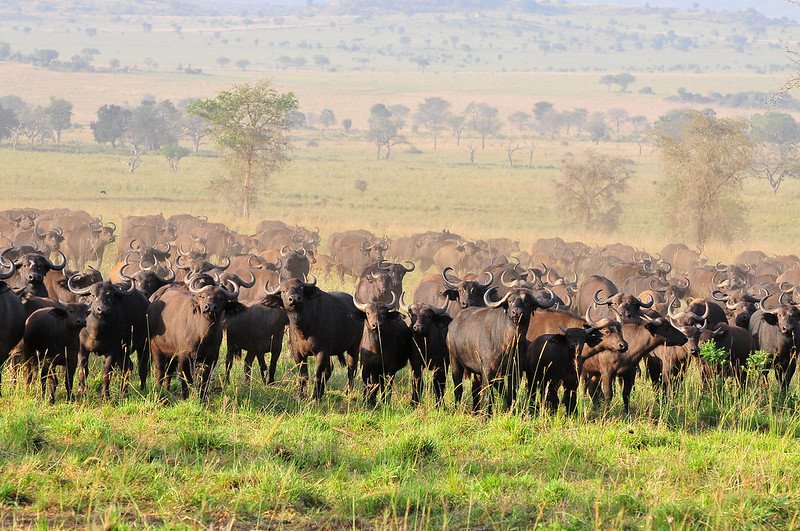
This lush, permanently green valley draws enormous concentrations of buffalo, elephant and antelope, even during the driest months.
Any serious Kidepo Valley National Park guide starts its wildlife section here.
Game drives through Narus consistently rank as the highlight of any Kidepo Valley National Park guide written by experienced safari operators.
Gem 2: Kanangorok Hot Springs
Few visitors realize a proper Kidepo Valley National Park guide should include this remote geothermal spot near the South Sudan border.
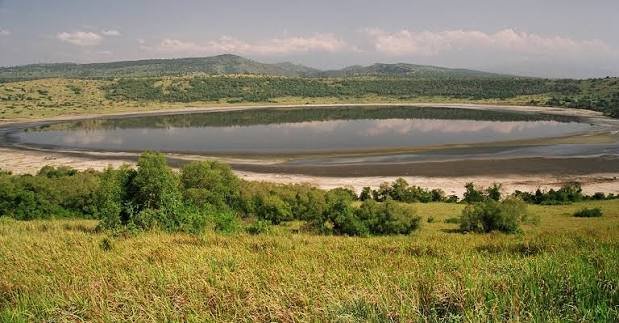
Kanangorok’s natural hot springs sit in a genuinely wild setting, reachable only by a longer game drive through the park’s northern reaches.
This Kidepo Valley National Park guide treats it as a worthwhile detour, not a core stop.
Including Kanangorok in your itinerary adds real adventure to any Kidepo Valley National Park guide focused purely on game viewing.
Gem 3: Karamojong Cultural Encounters
No Kidepo Valley National Park guide is complete without mentioning the Karamojong people surrounding the park.
Visiting a local manyatta homestead offers genuine insight into pastoralist traditions still practiced much as they have been for generations.
This Kidepo Valley National Park guide treats that visit as essential, not optional.
This cultural dimension sets Kidepo apart from parks where wildlife alone defines the experience, a point every Kidepo Valley National Park guide should stress.

Gem 4: Wildlife Found Nowhere Else in Uganda
A defining feature of any accurate Kidepo Valley National Park guide is the unique species list found here and nowhere else in the country.
Cheetah, striped hyena, bat-eared fox and greater kudu all occur in Kidepo but not in Uganda’s other savanna parks.
This distinction alone justifies Kidepo’s inclusion in any serious wildlife-focused Kidepo Valley National Park guide.
Gem 5: The Morungole and Nyangea Mountains
Dramatic mountain backdrops define Kidepo’s scenery, a detail every visual-minded Kidepo Valley National Park guide should highlight.
Mount Morungole rises sharply from the valley floor, home to the reclusive Ik people in its higher reaches.
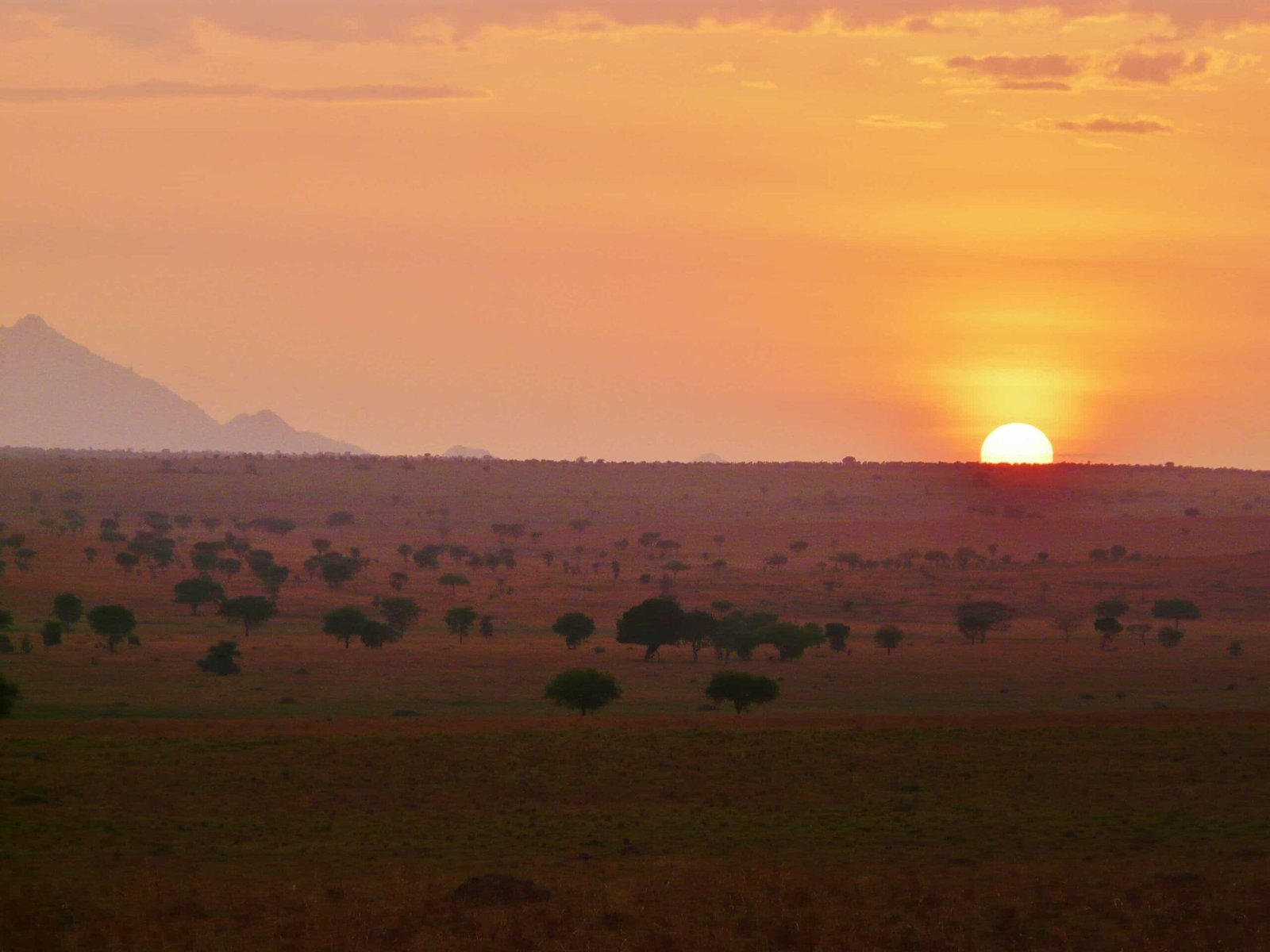
The Nyangea range to the north adds further drama to sunset game drives across the open plains.
Gem 6: Genuine Remoteness and Low Visitor Numbers
Perhaps the most valuable insight in any Kidepo Valley National Park guide is simply how few other visitors you’ll encounter.
Kidepo’s remote location, roughly ten hours by road from Kampala, keeps visitor numbers naturally low year-round.
Travelers who value solitude and uncrowded game drives consistently rate this as Kidepo’s single greatest asset.
Gem 7: Apoka and Where to Stay
Accommodation is limited but well-matched to the park’s character, an essential section in any Kidepo Valley National Park guide.
Apoka Safari Lodge offers the park’s most established upscale option, perched with sweeping views across the Narus Valley.
Budget travelers can use Apoka Rest Camp, a simpler UWA-run option within easy reach of the main game circuit.

Where This Kidepo Valley National Park Guide Fits Into Your Planning
Most travelers researching Kidepo start with general Uganda safari content before finding a dedicated Kidepo Valley National Park guide like this one.
That’s understandable, since Kidepo requires more planning than parks closer to Entebbe or Kampala.
A focused Kidepo Valley National Park guide saves real time by consolidating logistics, wildlife expectations and cultural context in one place.
Park History and Establishment
Kidepo Valley National Park was gazetted in 1962, making it one of Uganda’s older protected areas.
Its remote location largely shielded it from the poaching pressures that affected more accessible parks during Uganda’s turbulent decades.
This history is worth including in any Kidepo Valley National Park guide, since it partly explains the park’s still-thriving wildlife populations today.
Landscape and Terrain
Kidepo’s semi-arid terrain sets it apart visually from nearly every other park covered in a typical Uganda safari guide.
Open savanna stretches between the Narus and Kidepo valleys, framed by dramatic mountain ranges on multiple sides.
This is a detail nearly every visual Kidepo Valley National Park guide highlights first.
This striking, almost otherworldly landscape is a recurring theme in nearly every photography-focused Kidepo Valley National Park guide online.
Predator Sightings and Big Cat Viewing
Lion sightings in Kidepo are considered among the most reliable in Uganda, rivaling even Queen Elizabeth’s famous prides.
This Kidepo Valley National Park guide ranks lion viewing among its top wildlife draws.
Leopard sightings occur regularly too, particularly around rocky outcrops near the Narus Valley’s denser vegetation.
Few other parks in this Kidepo Valley National Park guide’s comparison set can match that consistency.
Any wildlife-focused Kidepo Valley National Park guide should set realistic expectations: predator sightings are strong, though never guaranteed on any single game drive.

Elephant and Buffalo Herds
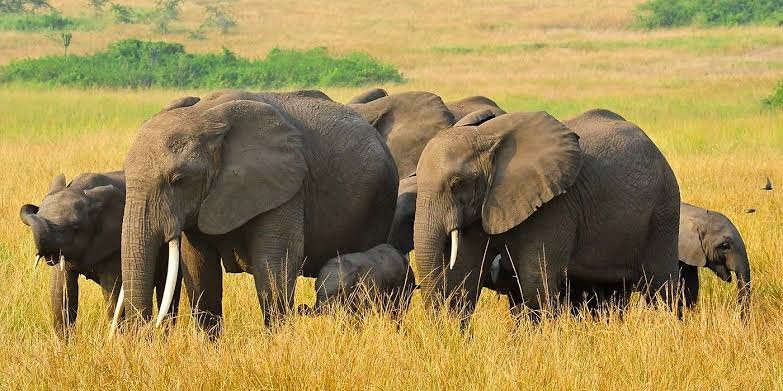
Large elephant herds move through Kidepo seasonally, often numbering in the hundreds during peak dry season months.
This Kidepo Valley National Park guide notes these herds as a genuine highlight for repeat visitors.
Buffalo herds follow similar patterns, concentrating heavily around Narus Valley’s water sources when surrounding areas dry out.
This Kidepo Valley National Park guide recommends timing your visit around exactly this pattern.
These predictable seasonal movements make timing genuinely important, a point worth emphasizing in any detailed Kidepo Valley National Park guide.
Community Tourism and Economic Impact
Tourism revenue from Kidepo directly supports surrounding Karamojong communities through employment, craft sales and cultural visit fees.
This economic relationship has grown steadily as visitor numbers have slowly increased over the past decade.
This Kidepo Valley National Park guide considers that growth a genuinely positive sign.
A responsible Kidepo Valley National Park guide should highlight this community connection, not just the wildlife and scenery.
Photography Opportunities
Golden-hour light across Kidepo’s open plains creates some of the most striking safari photography conditions found anywhere in Uganda.
Wide-angle landscape shots work particularly well here, given the dramatic mountain backdrops framing nearly every view.
This Kidepo Valley National Park guide suggests packing a wide lens specifically for this reason.
Serious photographers researching a Kidepo Valley National Park guide should budget extra time simply for capturing the scenery itself.
Ranger-Led Activities
Beyond standard game drives, rangers lead guided nature walks through sections of the park inaccessible by vehicle.
These walks offer a slower, more immersive perspective on Kidepo’s ecosystem, from smaller wildlife to plant life often missed from a vehicle.
This Kidepo Valley National Park guide considers a nature walk a genuinely worthwhile addition.
Including a nature walk is a detail many first-time visitors overlook when following a typical Kidepo Valley National Park guide online.
How to Get to Kidepo Valley National Park
Road access takes roughly nine to ten hours from Kampala, making flying the far more practical option for most visitors.
Scheduled flights connect Entebbe to Kidepo’s airstrip in around ninety minutes, cutting travel time dramatically.
Any practical Kidepo Valley National Park guide should recommend flying in, especially for shorter itineraries of four days or less.
Quick Recap of the 7 Hidden Gems
To summarize this Kidepo Valley National Park guide, here’s a quick recap of what makes the park worth the journey.
The Narus Valley delivers Kidepo’s most reliable game viewing, while Kanangorok Hot Springs adds genuine remote adventure to any itinerary.
Karamojong cultural encounters set Kidepo apart from purely wildlife-focused parks, and species like cheetah and striped hyena exist nowhere else in Uganda.
The Morungole and Nyangea mountains frame some of the country’s most dramatic safari scenery, while low visitor numbers keep the experience genuinely wild.
Finally, Apoka’s accommodation options round out a well-planned trip, whether you’re booking the lodge or the more affordable rest camp.
Every point in this Kidepo Valley National Park guide points toward the same conclusion: this is a park built for travelers seeking something different.
Why Repeat Visitors Especially Love Kidepo
Travelers who’ve already completed Uganda’s classic gorilla and Big Five circuit often describe Kidepo as their most memorable addition yet.
This pattern shows up consistently enough that many operators now recommend saving Kidepo for a second or third Uganda trip specifically.
A well-timed Kidepo Valley National Park guide read before that second visit helps set realistic, well-informed expectations from the very start.
Planning Your Trip Around Kidepo’s Remoteness
Because of its distance from Kampala, Kidepo rewards travelers who build extra flexibility into their overall itinerary.
Weather delays on remote airstrips, while uncommon, are worth planning around with a buffer day either side of your Kidepo dates.
Any realistic Kidepo Valley National Park guide should mention this logistical reality rather than presenting travel there as entirely predictable.
Final Word on Timing Your Visit
Choosing dry season dates dramatically simplifies both road access and wildlife viewing across the entire park, a point this Kidepo Valley National Park guide returns to often.
Travelers with more flexible schedules can still enjoy Kidepo during wetter months, trading some access difficulty for dramatically greener scenery.
Either way, a good Kidepo Valley National Park guide should help you weigh that trade-off honestly before booking your dates.
Best Time to Visit
The dry seasons, December to March and June to August, offer the easiest game viewing and driest access roads.
Wildlife concentrates more predictably around the Narus Valley’s permanent water sources during these drier months.
The wetter months bring dramatic green scenery and excellent birding, though some remote tracks become harder to reach.
What Makes Kidepo Different From Other Uganda Parks
Most Uganda itineraries center on Bwindi, Queen Elizabeth and Murchison Falls, leaving Kidepo as a genuinely off-the-beaten-path addition.
Its semi-arid, Karamoja-region landscape looks distinctly different from the lush forests and wetlands found elsewhere in the country.
This contrast is exactly why an increasing number of repeat visitors specifically seek out a Kidepo Valley National Park guide before their second or third Uganda trip.
Combining Kidepo With a Wider Uganda Itinerary
Because of the distance involved, most travelers combine Kidepo with a longer northern circuit rather than visiting it alone.
Murchison Falls pairs naturally with Kidepo on a fly-in itinerary, connecting two of Uganda’s most dramatic landscapes in one trip.
Some travelers extend further north still, adding cultural stops in Karamoja region before returning south toward Kampala, exactly as this Kidepo Valley National Park guide recommends for longer trips.
Wildlife Viewing Tips
Early morning and late afternoon game drives consistently offer the best sightings, particularly around the Narus Valley’s water points.
Patience pays off here more than in busier parks, since Kidepo’s wildlife isn’t habituated to constant vehicle traffic.
A good pair of binoculars and a longer camera lens make a real difference given the park’s wide-open terrain.
Birdlife in Kidepo
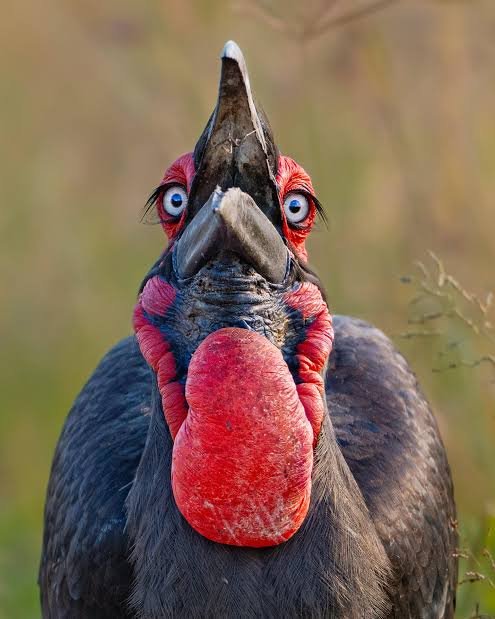
Beyond mammals, Kidepo hosts over 475 recorded bird species, including several found nowhere else in Uganda.
Ostrich, kori bustard and various dry-country specialists make this park a genuine draw for serious birders touring the region, another point this Kidepo Valley National Park guide emphasizes.
Any thorough Kidepo Valley National Park guide written for birders should note the park’s distinct Sudano-Guinean species mix.
Packing Recommendations
Neutral-colored clothing, sun protection and sturdy closed shoes suit Kidepo’s hot, dry savanna environment well.
Dust is a constant here, so a scarf or buff and a case for camera equipment are genuinely useful additions.
Warmer layers are worth packing too, since early morning game drives can start noticeably cool despite daytime heat.
Common Questions From First-Time Visitors
Many travelers ask whether Kidepo is safe to visit, given its remote, near-border location.
The park itself is considered safe and well-patrolled, with tourism infrastructure steadily improving over the past decade.
Others ask about combining Kidepo with South Sudan travel, though this isn’t recommended given ongoing security concerns across that specific border.
Why Kidepo Deserves a Spot on Your Itinerary
Every experienced guide who writes a Kidepo Valley National Park guide eventually arrives at the same conclusion: this park rewards effort.
The distance and cost of reaching Kidepo filter out casual visitors, leaving a genuinely wild, uncrowded experience for those who make the trip.
For travelers who’ve already done Uganda’s classic circuit, Kidepo offers something the busier parks simply can’t replicate anymore.
Frequently Asked Questions
How do I get to Kidepo Valley National Park?
Flying from Entebbe takes around ninety minutes, while driving from Kampala takes roughly nine to ten hours.
What wildlife can I see in Kidepo that’s not found elsewhere in Uganda?
Cheetah, striped hyena, bat-eared fox and greater kudu are all found in Kidepo but not in Uganda’s other savanna parks.
Is Kidepo worth visiting on a first Uganda trip?
Most first-timers focus on Bwindi and Queen Elizabeth, so Kidepo suits repeat visitors or longer itineraries best.
What is the best time of year to visit Kidepo?
The dry seasons, December to March and June to August, offer the easiest access and most predictable game viewing.
How many days should I spend in Kidepo?
Three to four days allows enough time for both Narus Valley game drives and a cultural visit to a Karamojong homestead.
Final Thoughts on This Kidepo Valley National Park Guide
Kidepo remains one of Africa’s genuinely underrated wilderness destinations, offering scenery and wildlife that rival far more famous parks.
This Kidepo Valley National Park guide should give you everything needed to plan a trip that feels authentically off the beaten path.
For travelers willing to make the journey, Kidepo delivers an experience increasingly rare across East Africa’s more visited safari circuits.
Why Every Traveler Should Read a Kidepo Valley National Park Guide First
Skipping preparation here carries more consequence than it would for closer, more established parks.
A detailed Kidepo Valley National Park guide helps set realistic expectations around travel time, cost and what to actually expect on the ground.
Without reading a proper Kidepo Valley National Park guide beforehand, first-time visitors sometimes arrive underprepared for the distance and remoteness involved.
Reading a Kidepo Valley National Park guide in advance also helps travelers decide how many days to allocate, since rushing this park undersells the experience.
Ultimately, the effort of consulting a Kidepo Valley National Park guide before booking pays for itself many times over once you’re actually on the ground.
One More Thing Before You Book
If there’s one final takeaway from this Kidepo Valley National Park guide, it’s simply this: don’t let the distance talk you out of it.
Every operator who has actually guided travelers through Kidepo tells the same story, this Kidepo Valley National Park guide included: the journey is worth it.
Read this Kidepo Valley National Park guide once, save it, and revisit it again once you’re ready to build out your specific itinerary.
Whether you’re planning your first Uganda trip or your fifth, this Kidepo Valley National Park guide should leave you with a clear, realistic picture of what awaits.
A Final Checklist From This Kidepo Valley National Park Guide
Before booking, confirm your flight or road transport, accommodation at Apoka, and whether a cultural visit is included in your itinerary.
This Kidepo Valley National Park guide recommends locking in flights early, since seat availability on the Entebbe-Kidepo route is limited.
Confirm with your operator that a Kidepo Valley National Park guide briefing, covering wildlife expectations and packing needs, is part of your pre-trip preparation.
A final read-through of this Kidepo Valley National Park guide the week before departure helps everything click into place before you travel.
With that, this Kidepo Valley National Park guide has covered the essentials, from wildlife and culture to logistics and timing, needed to plan with real confidence.
Ready to Explore Kidepo for Yourself?
Tulambule Uganda Safaris Skymate Tours and Travel can help you build a Kidepo itinerary, from flights to game drives and cultural visits.