Best Time to Visit Uganda depends on rainfall, wildlife and crowds — here are 7 essential facts covering every season before you book.
7 Essential Facts
Figuring out the best time to visit Uganda comes down to more than just avoiding rain, though that’s certainly part of it.
Uganda sits on the equator, which means its climate behaves differently from the classic single dry-and-wet-season pattern found further south in Africa.
This guide breaks down the best time to visit Uganda across climate, wildlife birding and crowd levels, so you can plan around what matters most to you.
Why the Best Time to Visit Uganda Isn’t a Simple Answer
Unlike destinations with one clear peak season, the best time to visit Uganda genuinely depends on what you’re prioritizing.
A traveler chasing dry hiking trails wants different months than one chasing peak birding activity or the lowest possible prices.
Understanding this upfront helps explain why guides on the best time to visit Uganda often give seemingly contradictory advice.
Fact 1: Uganda Has Two Dry Seasons, Not One
Because Uganda straddles the equator, it experiences two distinct dry seasons rather than a single extended one.
The longer dry season runs roughly June through September, while a shorter one runs December through February — the two anchor points for the best time to visit Uganda.
This double dry season is central to understanding the best time to visit Uganda, since it creates two separate windows of easier travel conditions.
Fact 2: The Wet Seasons Aren’t a Reason to Avoid Uganda
Many travelers assume the wet seasons, March to May and October to November, should be avoided entirely.
In reality, rain in Uganda tends to fall in short, intense bursts rather than settling in for entire days, leaving plenty of clear hours.
Considering the wet season as part of the best time to visit Uganda opens up real advantages: lower prices, fewer crowds and lush, vivid scenery.
Fact 3: Temperature Stays Remarkably Consistent Year-Round
Because of its equatorial location and varied altitude, Uganda’s temperatures don’t swing wildly between seasons the way many destinations do.
Lowland areas stay warm throughout the year, while highland regions like Bwindi and the Rwenzoris remain noticeably cooler regardless of month or where you fall in the best time to visit Uganda debate.
This consistency means the best time to visit Uganda has more to do with rainfall and wildlife patterns than with temperature discomfort.
Fact 4: Wildlife Viewing Peaks During Dry Months
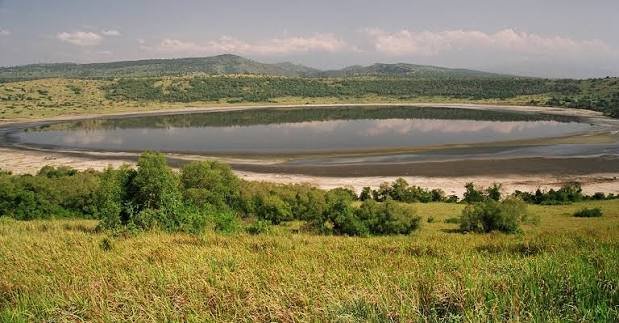
Game viewing in savanna parks like Queen Elizabeth and Murchison Falls improves noticeably during the dry months.
Animals concentrate more predictably around permanent water sources when surrounding vegetation dries out and temporary pools disappear, a key factor in the best time to visit Uganda for game drives.
For travelers prioritizing classic game drives, the best time to visit Uganda leans toward June through September or December through February.
Fact 5: Birding Season Shifts the Calculation
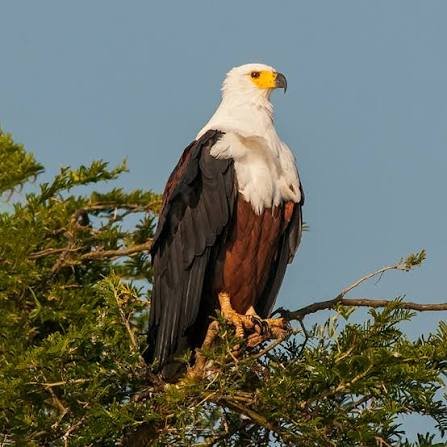
Birders often have a different answer to the best time to visit Uganda than classic wildlife viewers do.
Migratory Palearctic species arrive between November and April, overlapping with Uganda’s resident birdlife and significantly boosting species counts during this stretch of the best time to visit Uganda calendar.
This means committed birders sometimes prefer the wetter months, directly contradicting the standard dry-season advice given to general travelers.
Fact 6: Trail Conditions Matter Most for Forest Activities
Gorilla trekking, chimp tracking and forest hikes are where seasonal timing has the most practical, physical impact.
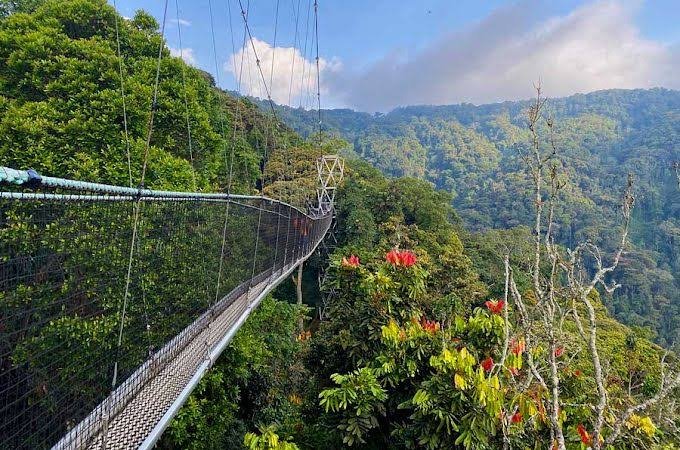
Trails through Bwindi, Kibale and the Rwenzoris become significantly muddier and more demanding during the wetter months, a real factor in weighing the best time to visit Uganda for forest activities.
Anyone weighing the best time to visit Uganda around forest-based primate trekking should lean toward the drier windows for easier, less strenuous conditions.
Fact 7: Prices and Crowds Shift Significantly by Season
Peak dry season months, particularly July through September and the Christmas period, bring both higher demand and higher lodge rates, making this the priciest stretch of the best time to visit Uganda calendar.
Traveling during the shoulder or wetter months often means meaningfully lower prices and noticeably fewer other visitors at popular sites.
Budget-conscious travelers weighing the best time to visit Uganda should seriously consider these quieter months, since the trade-offs are often smaller than expected.
Breaking Down Uganda’s Seasons Month by Month
December through February offers a short, reliable dry spell, popular for both wildlife viewing and forest trekking, and often cited as the best time to visit Uganda for shorter trips.
March through May brings the long rains, with April typically the wettest month across most of the country, making it the toughest stretch to recommend as the best time to visit Uganda for trail comfort.
June through September delivers the longest dry stretch, making it the single most popular window and, for many travelers, the default best time to visit Uganda.
October and November bring the short rains, offering a genuine shoulder-season sweet spot for value-conscious travelers weighing the best time to visit Uganda against their budget.

How Regional Differences Affect Timing
Uganda’s varied geography means seasonal patterns aren’t identical everywhere, complicating any single answer to the best time to visit Uganda.
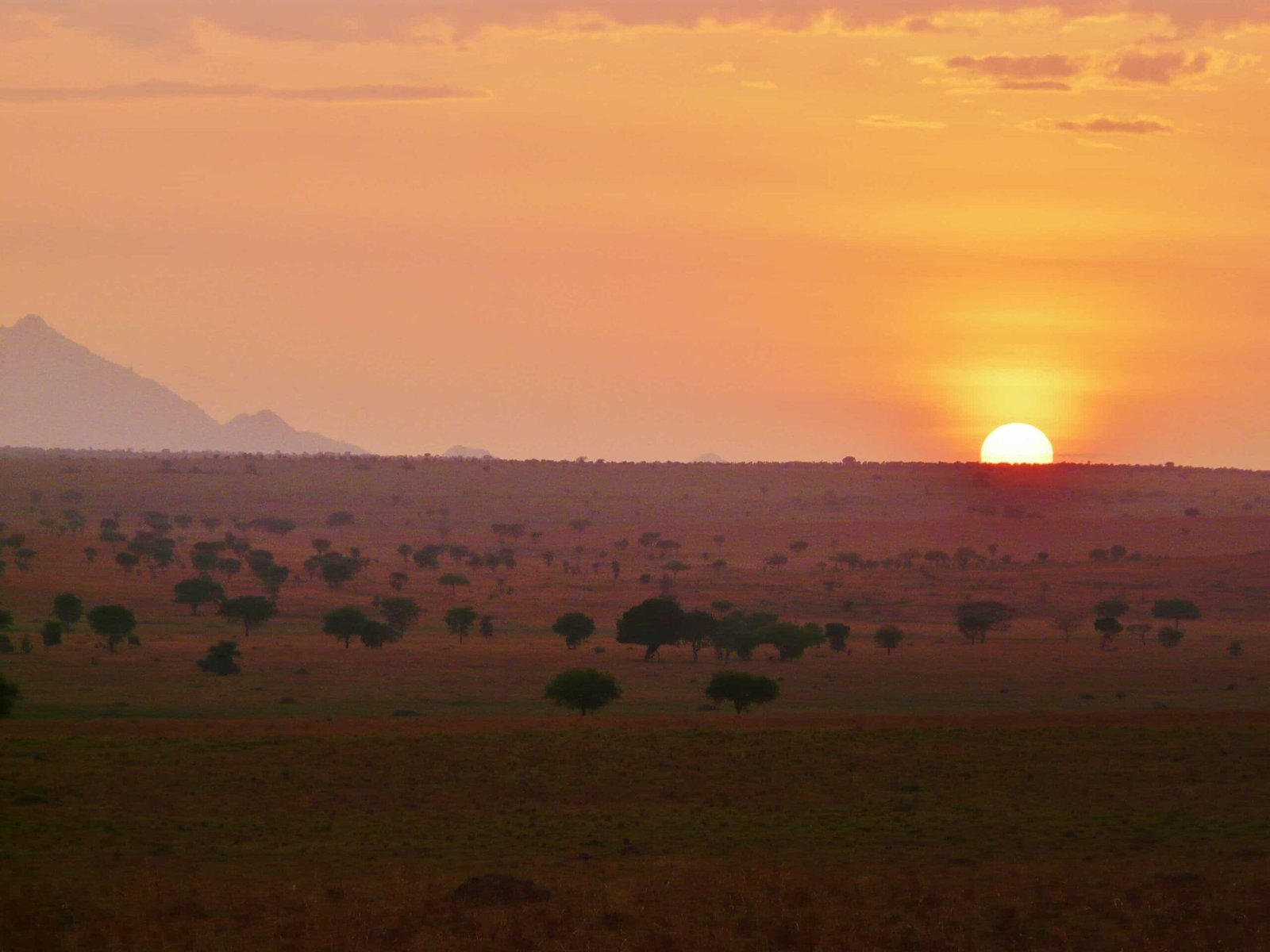
Southwestern regions around Bwindi and Lake Bunyonyi see somewhat different rainfall patterns than northern areas like Kidepo Valley.
Travelers building multi-region itineraries should research conditions specific to each planned stop rather than relying on one blanket seasonal rule.
Matching Timing to Your Specific Activities
Gorilla and chimp trekking favor the two dry seasons, when trails are firmer and less physically demanding, making these months the practical best time to visit Uganda for primate-focused trips.
Game drives in Queen Elizabeth and Murchison Falls also favor dry months, when animals cluster predictably near remaining water sources, reinforcing the same dry-season answer to the best time to visit Uganda.
Birding trips benefit from the wetter months, particularly November through April, when migratory species boost overall diversity substantially, flipping the best time to visit Uganda equation for this specific audience.
Best Time to Visit Uganda for First-Time Travelers
First-time visitors juggling multiple priorities, wildlife, primates and manageable trail conditions, generally do best during the June to September window, widely regarded as the safest default answer to the best time to visit Uganda.
This period offers the most predictable combination of dry trails, strong game viewing and reliable travel logistics across most regions, which is why so many operators point first-timers toward this stretch when asked about the best time to visit Uganda.
The trade-off is higher prices and larger crowds at popular sites, a fair exchange for many first-timers prioritizing a smooth, predictable trip.
Best Time to Visit Uganda for Budget Travelers
Travelers prioritizing value should seriously consider the shoulder months of March, October and November specifically, often the most overlooked answer to the best time to visit Uganda among cost-conscious planners.
Lodge rates often drop meaningfully during these periods, while rain remains manageable outside of the true wet-season peaks, reinforcing why this window deserves more attention in the best time to visit Uganda conversation.
This approach to the best time to visit Uganda trades some trail difficulty for genuinely significant savings across accommodation and permits.
Best Time to Visit Uganda for Photographers
Photographers often favor the wetter months specifically for the dramatic skies, lush greenery and richer color saturation they bring.
Golden hour lighting during shorter rain-affected days can produce genuinely striking images, particularly in forest and highland settings.
This creative angle on the best time to visit Uganda diverges from purely practical advice, prioritizing atmosphere over convenience.
Packing Considerations Across Seasons
Rain gear remains essential year-round in Uganda, even during officially dry months, given the country’s genuinely unpredictable microclimates.
Layered clothing suits the temperature variation between lowland heat and cooler highland evenings found across different regions.
Waterproof footwear matters most during wetter months, when forest and savanna trails alike can turn unexpectedly slippery.
Common Misconceptions About Uganda’s Seasons
Many travelers assume Uganda follows a single, simple dry-season pattern similar to more commonly referenced African safari destinations.
In reality, the country’s equatorial position and varied altitude create a genuinely more complex, regionally specific climate picture.
Clearing up this misconception early helps travelers plan more realistically around the best time to visit Uganda for their specific itinerary.
How Climate Change Is Shifting Traditional Patterns
Longtime guides increasingly note that traditional seasonal boundaries have become somewhat less predictable in recent years.
Rain patterns occasionally shift earlier or later than historical averages, adding a degree of genuine uncertainty to seasonal planning.
Building flexibility into your itinerary remains a sensible approach to the best time to visit Uganda, regardless of which season you choose.
Understanding Uganda’s Equatorial Climate
Uganda’s position directly on the equator is the single biggest factor shaping any discussion of the best time to visit Uganda.
Unlike destinations further from the equator, day length stays nearly constant year-round, with sunrise and sunset varying by only minutes across seasons.
This consistency simplifies planning in one sense, while the double rainy season pattern complicates it in another, which is exactly why the best time to visit Uganda requires more nuance than a quick glance suggests.
How Altitude Changes the Picture
Elevation plays a surprisingly large role in Uganda’s local climates, adding another layer to any discussion of the best time to visit Uganda.
Highland regions like Bwindi, Kigezi and the Rwenzori foothills stay noticeably cooler and often wetter than lowland savanna areas like Murchison Falls.
Travelers moving between these regions within a single trip should expect genuinely different conditions, even during what’s officially the same season.
Comparing Uganda’s Seasons to Neighboring Countries
Travelers familiar with Kenya or Tanzania’s safari seasons sometimes assume Uganda follows an identical pattern, which isn’t quite accurate.
While Kenya and Tanzania share broadly similar dry and wet season timing with Uganda, Uganda’s equatorial position produces a slightly different rainfall rhythm overall.
Understanding this distinction matters for travelers combining Uganda with a wider East African itinerary, since the best time to visit Uganda doesn’t always align perfectly with neighboring countries’ peak seasons.
A Sample Itinerary Built Around Dry Season Travel
A typical dry-season itinerary might begin with several days of game viewing in Queen Elizabeth National Park, when animals cluster reliably near water.
From there, travelers often continue to Bwindi for gorilla trekking, taking advantage of firmer, less muddy forest trails during this window.
Rounding out the trip with a few days in Kibale for chimp tracking completes a itinerary built entirely around the drier months.
A Sample Itinerary Built Around Shoulder Season Travel
Shoulder-season itineraries can follow a similar route while taking advantage of noticeably lower prices and thinner crowds at each stop.
Travelers willing to accept occasional afternoon showers often find the trade-off well worth the savings, particularly on longer, multi-park trips.
This approach to the best time to visit Uganda rewards flexibility over rigid scheduling, since weather during shoulder months varies more day to day.
Why Flexibility Matters More Than a Fixed Date
Because Uganda’s seasons aren’t perfectly predictable year to year, building flexibility into your travel dates pays off more than chasing an exact calendar window.
A trip planned three or four months ahead can shift by a week or two without meaningfully changing the overall experience.
This flexible mindset, more than any single month, is often the real answer to finding the best time to visit Uganda for your own circumstances.
Quick Recap on Timing Your Trip
To summarize, the best time to visit Uganda depends heavily on which activities matter most to your itinerary.
Dry season travelers get firmer trails and easier game viewing, while wet season travelers get lower prices and richer birding.
Altitude and region add further nuance, meaning the best time to visit Uganda in Bwindi may differ slightly from the best time to visit Uganda in Kidepo.
Above all, flexibility remains the most reliable strategy for anyone still weighing the best time to visit Uganda against a firm travel budget.
Why This Question Comes Up So Often
Travelers ask about the best time to visit Uganda more than almost any other planning question, and for good reason.
Uganda’s dual dry seasons, unlike the simpler patterns found in some other African countries, genuinely require more explanation than a single sentence can offer.
Getting a clear answer to the best time to visit Uganda early in your planning process saves real time later, when comparing specific lodge availability and pricing.
One Final Consideration Before You Book
If there’s one thing worth remembering, it’s that no single month works perfectly for every traveler weighing the best time to visit Uganda.
Every recommendation in this guide assumes certain priorities, wildlife, birding, budget or trail comfort, and yours may reasonably differ from the average traveler’s.
Talking through your specific goals with an experienced local operator remains the fastest way to settle on the best time to visit Uganda for your particular trip.

Frequently Asked Questions
What is generally considered the best time to visit Uganda?
June through September and December through February are the two dry seasons, offering the most predictable travel conditions overall.
Is it worth visiting Uganda during the rainy season?
Yes. Rain typically falls in short bursts, and the wetter months bring lower prices, fewer crowds and notably lush scenery.
When is the best time for birding in Uganda?
November through April, when migratory Palearctic species overlap with Uganda’s resident birdlife for the highest overall diversity.
Does the best time to visit Uganda differ by region?
Yes. Southwestern and northern regions can see somewhat different rainfall patterns, so research conditions specific to your planned stops.
Are prices really lower during the wet season?
Generally yes. Shoulder and wet-season months often bring meaningfully reduced lodge rates compared to the peak dry-season windows.
Can weather really change the best time to visit Uganda from year to year?
Yes, somewhat. Rainfall patterns shift slightly year to year, which is exactly why flexibility matters more than fixating on one exact month.
Does the best time to visit Uganda change for honeymooners?
Not dramatically. Honeymooners generally benefit from the same dry-season advantages as other travelers, though quieter shoulder months can add extra privacy.
Final Thoughts on the Best Time to Visit Uganda
There’s no single universally correct answer, only the season that best matches your specific priorities and planned activities.
Wildlife viewers and trekkers generally lean toward the dry months, while birders and budget travelers often find real advantages in the wetter ones.
Whichever season you choose, understanding these trade-offs in advance is the real key to finding the best time to visit Uganda for your own trip.
Ready to Plan Your Uganda Trip?
Tulambule Uganda Safaris can help you choose the right season and build an itinerary around it.