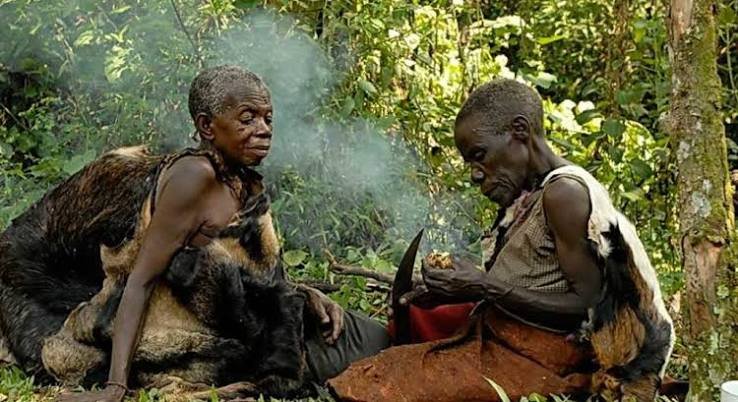
The Batwa Experience in Uganda is one of the most meaningful cultural encounters you can add to a Uganda safari. It gives travelers an opportunity to meet Batwa communities, listen to their stories, experience traditional music and dance, and learn about their historical relationship with the forests of southwestern Uganda. Rather than being simply another tourist attraction, the experience provides an opportunity to understand a living culture shaped by a long and complicated history.
The Batwa are an Indigenous forest community traditionally associated with the equatorial forests of the Great Lakes region. In Uganda, their history is particularly connected with the forests around Bwindi Impenetrable National Park, Mgahinga Gorilla National Park, Echuya Forest Reserve and the Semuliki area. Their traditional knowledge included hunting, gathering wild foods, collecting medicinal plants, making shelters and understanding the forest environment.
For visitors coming to Uganda for gorilla trekking, chimpanzee trekking, wildlife safaris or cultural tourism, a Batwa Experience in Uganda can provide an important human and historical dimension to the journey. It helps visitors understand that the landscapes now protected for wildlife also have deep cultural histories and that conservation has affected the communities that historically depended on those forests.
Who Are the Batwa People of Uganda?
The Batwa are an Indigenous forest people whose traditional way of life was closely connected to the forests of Central and East Africa. In southwestern Uganda, they traditionally lived in forest environments, where they hunted small animals, gathered fruits and plants, collected honey and used medicinal plants. Their knowledge of the forest was passed from one generation to another through stories, practices and everyday life.
The forest was more than a source of food for the Batwa. It was also a place of shelter, spirituality, medicine and cultural identity. Their intimate understanding of forest plants and animals enabled them to survive in an environment that can be challenging for people unfamiliar with dense tropical forests. This close relationship is why the Batwa are often described in tourism materials as “keepers of the forest.”
Today, many Batwa communities live outside the forests that their ancestors depended on. Their contemporary lives therefore combine elements of their traditional heritage with modern livelihoods, education and community development initiatives. A responsible Batwa Experience in Uganda should recognize this reality rather than presenting the Batwa only as a people from the past.
The History Behind the Batwa Experience in Uganda
Understanding the history of the Batwa is essential before taking part in a cultural visit. Bwindi and Mgahinga are now internationally recognized conservation areas, famous particularly for their populations of endangered mountain gorillas. However, before the creation and expansion of protected areas, the forests were also home to communities whose livelihoods depended on them.
When the forests were gazetted for conservation, Batwa communities were removed from their traditional forest homes. Sources documenting the Batwa Experience describe the creation of Bwindi Impenetrable National Park in the early 1990s as a major turning point in Batwa history. The displacement resulted in profound social and economic changes because the Batwa lost direct access to the forest resources around which their traditional lives were organized.
The story is therefore more complex than simply describing the Batwa as former forest hunters and gatherers. Their history involves conservation, land, cultural identity, livelihoods and adaptation. Visiting a Batwa community allows travelers to hear some of these stories directly and gain a deeper understanding of the human dimension of conservation in Uganda.
Where to Experience the Batwa Culture in Uganda
The Batwa Experience in Uganda can be incorporated into safaris in several parts of the country. The most well-known experiences are associated with southwestern Uganda, particularly around Bwindi and Mgahinga. Other opportunities exist around Echuya Forest and in the Semuliki region.
Batwa Experience Near Bwindi Impenetrable National Park
Bwindi is one of the most popular destinations for visitors interested in Batwa cultural tourism. The Batwa Experience near the Buhoma side of Bwindi provides visitors with an opportunity to learn about traditional Batwa life through storytelling, demonstrations, music and interaction with Batwa guides and community members.
The experience takes place outside the national park rather than requiring visitors to enter the gorilla habitat. Visitors can learn about traditional forest activities such as collecting wild foods, using medicinal plants, making fire, building shelters and hunting techniques. Traditional dances, songs and storytelling also form an important part of the experience.
A visit can therefore be combined conveniently with a Bwindi gorilla trekking safari. After spending a day or more exploring the remarkable biodiversity of Bwindi, travelers can dedicate additional time to understanding the history and culture of people whose lives were historically connected to the same forest.
The Batwa Trail in Mgahinga Gorilla National Park
Another important option is the Batwa Trail in Mgahinga Gorilla National Park. Unlike a simple community visit, the trail provides a more immersive experience connected with the forest landscape and the traditional activities of the Batwa.
The trail takes visitors toward Garama Cave, an important location in Batwa history and cultural storytelling. Along the way, Batwa guides demonstrate traditional skills and explain how their ancestors used the forest for food, medicine, shelter and other necessities. Activities can include traditional fire making, hunting demonstrations, gathering techniques and storytelling.
The experience is particularly interesting for travelers who want more than a village performance. Walking through the landscape while listening to Batwa guides explain their historical relationship with the forest makes the cultural encounter more educational and memorable.
Batwa Experience Around Echuya Forest
Echuya Forest Reserve is another important area for learning about Batwa culture in Uganda. The Batwa have a strong historical and cultural connection with Echuya, including cultural sites within the forest. The National Forestry Authority recognizes the cultural importance of these sites and provides for their protection and continued cultural significance.
Community tourism around Echuya can include visits to Batwa communities, forest walks, cultural interpretation and demonstrations of traditional knowledge. Visitors can learn about medicinal plants, forest foods, traditional crafts and the relationship between local communities and the forest.
For travelers staying around Kabale, Kisoro or Lake Bunyonyi, an Echuya-related cultural experience can be an excellent addition to a wider southwestern Uganda itinerary. It also provides an opportunity to combine nature, culture and community tourism within the same journey.
Batwa Cultural Experience Near Semuliki National Park
The Batwa are also associated with the forest landscapes around Semuliki National Park in western Uganda. Community-based cultural experiences near the park introduce visitors to selected aspects of Batwa traditions and their relationship with the Ituri-Semuliki forest environment.
Activities can include traditional fire-making demonstrations, music and dance, knowledge of medicinal plants and demonstrations of historical hunting techniques. These activities are conducted outside the protected park area and are intended to provide visitors with cultural interpretation while supporting community participation in tourism.
This option works particularly well for travelers exploring Fort Portal, Semuliki National Park and western Uganda. It allows a safari to go beyond wildlife viewing and introduces visitors to the cultural heritage of communities connected to the region’s forests.
What to Expect During the Batwa Experience in Uganda
One of the best things about the Batwa Experience in Uganda is the opportunity to learn through direct demonstrations rather than simply reading about Batwa history. Depending on the location and community program, visitors may participate in several activities that illustrate traditional forest life.
The exact program varies between destinations, so travelers should confirm the activities available when booking. Some experiences are structured around a community visit, while others involve hiking or forest trails. The common feature is the opportunity to learn directly from Batwa guides, elders and community members.
1. Traditional Storytelling
Storytelling is an important part of the Batwa cultural experience. Elders and guides share stories about life in the forest, traditional beliefs, relationships with wildlife and experiences passed from one generation to another.
These stories can help visitors understand the forest from a cultural perspective. Instead of seeing Bwindi or other forests only as wildlife habitats, travelers begin to appreciate them as landscapes that also carried memories, traditions and spiritual meaning for the Batwa.
2. Traditional Music and Dance
Music and dance are among the most memorable parts of a Batwa Experience in Uganda. Batwa performers may welcome visitors with songs and dances that express cultural identity, history and community life.
The performances are more meaningful when visitors take time to understand their context. Rather than viewing the dance simply as entertainment, travelers should appreciate it as part of a broader effort to preserve and transmit cultural heritage.
3. Traditional Fire Making
Fire making demonstrates one of the practical skills associated with traditional forest living. Batwa guides may demonstrate how fire could be produced using locally available materials and traditional techniques.
For modern travelers accustomed to matches and lighters, this simple activity can provide a fascinating insight into the survival knowledge required to live in a forest environment. It also demonstrates the practical knowledge that was traditionally passed between generations.
4. Traditional Hunting Techniques
Depending on the particular experience, visitors may learn about traditional hunting techniques and observe demonstrations involving bows and arrows. These activities are presented as cultural demonstrations rather than modern hunting activities.
The demonstrations help explain how the Batwa historically obtained some of their food from the forest. They also provide an opportunity to understand the knowledge required to move quietly through dense vegetation and identify animal tracks and other signs.
5. Learning About Medicinal Plants
The forest traditionally served as an important source of medicine for the Batwa. During some cultural experiences, guides explain how particular plants were traditionally identified and used.
This aspect of the experience is particularly valuable because it shows how traditional ecological knowledge developed through generations of interaction with the environment. Visitors should remember, however, that traditional medicinal knowledge should not automatically be treated as a substitute for modern medical advice.
6. Traditional Food and Honey Gathering
Some Batwa experiences introduce visitors to traditional forest foods and honey-gathering practices. The Batwa historically depended on gathered foods, including fruits, roots, mushrooms and honey.
Food demonstrations can make the cultural experience more interactive because they connect visitors with everyday aspects of traditional life. Some experiences may also include a traditional meal, depending on the community and tour arrangement.
7. Traditional Shelters
Visitors may also learn how the Batwa traditionally constructed temporary shelters using materials available in the forest. These structures illustrate how forest knowledge extended beyond food gathering and hunting.
Building a shelter required knowledge of suitable materials, location and construction techniques. Demonstrations help visitors appreciate how people adapted to their environment without relying on modern construction materials.
Why the Batwa Experience Is Important
The Batwa Experience in Uganda has significance beyond tourism. One of its major purposes is cultural preservation. As younger generations grow up in communities outside their ancestral forests, opportunities to teach traditional knowledge can help maintain elements of Batwa identity.
The Batwa Experience can also create economic opportunities through tourism. According to information about the Batwa Experience near Bwindi, proceeds can contribute to Batwa families and community initiatives involving areas such as education, healthcare and development.
Tourism therefore has the potential to become one part of a wider approach to supporting Batwa communities. However, responsible tourism should ensure that communities have meaningful participation and benefit from the activities that represent their culture.
Batwa Experience and Responsible Tourism
Responsible tourism is particularly important when visiting Indigenous communities. Travelers should remember that they are entering a community with its own history, traditions and challenges.
Always listen to the local guides and follow their instructions. Ask for permission before photographing people, homes, ceremonies or personal belongings. Avoid treating community members as photographic subjects without consent, and do not make jokes or comments about appearance, lifestyle or poverty.
It is also important to buy crafts and other products directly from community members or recognized community initiatives whenever possible. This can help ensure that tourism spending reaches the people whose culture is being shared with visitors.
A good Batwa Experience in Uganda should leave visitors with knowledge and respect rather than stereotypes. The Batwa should be presented as contemporary people with diverse experiences, ambitions and challenges, not merely as representatives of an ancient lifestyle.
Best Time for the Batwa Experience in Uganda
The Batwa Experience can generally be incorporated into a Uganda safari throughout the year. However, weather can influence outdoor activities, particularly experiences involving hiking and forest trails.
The southwestern region receives rainfall throughout the year, and forest trails can become slippery during wet conditions. Travelers planning a walking-based Batwa experience should therefore carry suitable footwear and rain protection.
If your Batwa visit is being combined with gorilla trekking, it is sensible to plan the cultural activity around your gorilla permit and other safari activities. Your tour operator can help organize the schedule so that you have sufficient time for both experiences without rushing.
What to Pack for the Batwa Experience
Packing for the Batwa Experience in Uganda is relatively simple, especially for travelers already preparing for gorilla trekking or forest walks. Comfortable walking shoes are useful because some experiences involve uneven or muddy trails.
Carry lightweight clothing suitable for warm and humid conditions, together with a rain jacket because southwestern Uganda can experience sudden showers. Insect repellent, sunscreen, drinking water and a small backpack are also useful.
If you intend to take photographs, bring your camera or smartphone and extra battery power. Most importantly, use your camera respectfully and ask permission before photographing individuals or culturally sensitive activities.
How to Combine the Batwa Experience With a Uganda Safari
One of the easiest ways to experience Batwa culture is to combine it with a Bwindi gorilla trekking safari. A typical itinerary can include arrival in southwestern Uganda, a Batwa cultural experience, gorilla trekking and additional activities such as community walks or nature walks.
Another option is to combine the Batwa Trail with Mgahinga Gorilla National Park. Mgahinga offers gorilla trekking, golden monkey trekking, volcanic mountain hiking and the Batwa Trail, making it possible to experience wildlife, nature, adventure and culture within one destination.
Travelers visiting Lake Bunyonyi and Kabale can also add a Batwa or Echuya community experience to their itinerary. Lake Bunyonyi is well positioned for exploring the surrounding highlands, communities and forests.
For travelers exploring western Uganda, the Batwa cultural experience around Semuliki National Park can be combined with forest walks, bird watching, the Sempaya hot springs and other activities around Fort Portal.
Suggested Batwa Experience Uganda Itinerary
Day 1: Travel to Southwestern Uganda
Begin your journey from Kampala or Entebbe and travel toward southwestern Uganda. Depending on your destination, the journey can take you through beautiful countryside, rolling hills, local communities and agricultural landscapes.
Day 2: Batwa Experience
Spend the day participating in a Batwa Experience in Uganda. Learn about traditional forest life, listen to stories, watch cultural performances and participate in selected demonstrations such as fire making, traditional hunting and food gathering.
Day 3: Gorilla Trekking
After your cultural experience, undertake gorilla trekking in Bwindi or Mgahinga. This creates a meaningful connection between the forest’s conservation story and the history of the people who traditionally lived within these landscapes.
Day 4: Community or Nature Experience
Depending on your interests, spend another day exploring the local community, hiking, bird watching or visiting nearby attractions. You can then continue to Lake Bunyonyi, Kisoro, Kabale or another destination.
Batwa Experience Uganda Cost
The cost of a Batwa Experience in Uganda depends on the location, type of experience, operator and activities included. Bwindi community experiences, the Mgahinga Batwa Trail and experiences around Semuliki may have different pricing structures.
For this reason, travelers should confirm the current price directly with their tour operator or the relevant community tourism organization before making payment. This is particularly important because tourism fees and community arrangements can change.
It is also useful to ask what the quoted price includes. Some experiences may include guiding and community activities, while transportation, meals or park entrance fees may be separate.
Why Choose the Batwa Experience in Uganda?
There are many reasons to include the Batwa Experience in Uganda in your travel plans. First, it introduces visitors to an Indigenous culture that has a deep historical connection with Uganda’s forests.
Second, the experience complements wildlife tourism. Gorilla trekking allows you to observe one of the world’s most fascinating primates, while the Batwa experience helps you understand the human history of the same forest landscapes.
Third, the experience can contribute to community-based tourism. When properly managed, visitor spending can support local families, cultural preservation, education, healthcare and other community initiatives.
Finally, the experience encourages travelers to look at conservation from a broader perspective. Protecting forests and wildlife is essential, but understanding the experiences of communities connected to those landscapes is equally important.
Frequently Asked Questions About the Batwa Experience in Uganda
What is the Batwa Experience in Uganda?
The Batwa Experience in Uganda is a cultural tourism activity that introduces visitors to the history, traditions and heritage of the Batwa people. Depending on the location, visitors can enjoy storytelling, music, dance, traditional hunting demonstrations, fire making, food gathering and explanations of traditional forest knowledge.
Where can I experience Batwa culture in Uganda?
The main destinations include areas around Bwindi Impenetrable National Park, Mgahinga Gorilla National Park and Echuya Forest Reserve. Batwa cultural activities are also available around the Semuliki region.
Can I combine the Batwa Experience with gorilla trekking?
Yes. The experience is particularly easy to combine with gorilla trekking in Bwindi or Mgahinga. Doing both activities provides a more complete understanding of the natural and cultural heritage of southwestern Uganda.
How long does the Batwa Experience take?
The duration depends on the location and type of activity. The Batwa Experience near Buhoma is described as taking up to approximately five hours, while some community experiences elsewhere are shorter.
Is the Batwa Experience suitable for families?
Many Batwa cultural experiences can be suitable for families, especially those focused on storytelling, music, dance and demonstrations. However, walking-based experiences may require a reasonable level of fitness. Families should discuss the ages and abilities of their children with their tour operator before booking.
Can I take photographs?
Photography may be possible, but visitors should always ask for permission before photographing people or culturally sensitive activities. Respect for the community should come before getting the perfect photograph.
Final Thoughts on the Batwa Experience in Uganda
The Batwa Experience in Uganda offers travelers something that goes beyond conventional sightseeing. It opens a window into the history, knowledge, traditions and resilience of one of the country’s Indigenous forest communities.
Whether you experience Batwa culture around Bwindi, follow the Batwa Trail in Mgahinga, explore the communities around Echuya or visit the Batwa communities near Semuliki, the experience can become one of the most memorable parts of your Uganda safari. It provides a different perspective on the forests that visitors normally associate with gorillas, birds, primates and other wildlife.
Most importantly, approach the experience with respect, curiosity and an open mind. Listen to Batwa guides, learn from their stories, support community initiatives and remember that the people you meet are not simply part of a tourism attraction. They are contemporary communities preserving and adapting their cultural heritage while navigating the challenges of modern life.
For travelers seeking a meaningful cultural adventure, the Batwa Experience in Uganda is an excellent addition to a Uganda safari. Combined with gorilla trekking, wildlife viewing, forest hiking and community tourism, it helps reveal why Uganda is truly the Pearl of Africa.
Plan Your Batwa Experience in Uganda
If you are planning a Uganda safari, consider adding a Batwa cultural experience to your itinerary, especially when visiting Bwindi Impenetrable National Park, Mgahinga Gorilla National Park, Echuya Forest or Semuliki National Park. A local Uganda tour operator can help arrange transportation, accommodation, community activities and other safari experiences according to your travel dates and budget. Contact Tulambule Uganda Safaris to help you plan your trip