Birding in Lake Mburo National Park
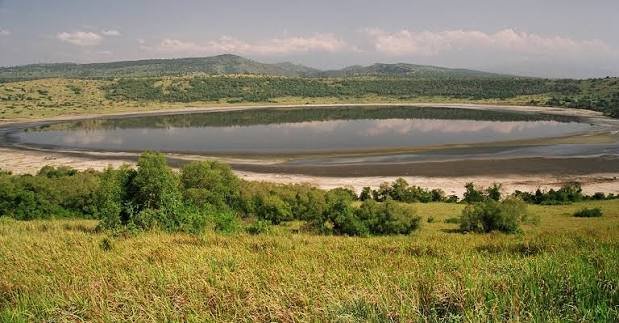
Birding in Lake Mburo National Park is a wonderful way to experience Uganda’s wildlife from a different perspective. Although the park is famous for zebras, impalas, giraffes, hippos and beautiful landscapes, its birdlife is equally fascinating. The combination of open savanna, acacia woodland, wetlands, rocky areas and Lake Mburo creates a variety of habitats that attract many different bird species.
For travelers who enjoy nature, photography and wildlife, birding in Lake Mburo National Park offers an opportunity to slow down and appreciate the smaller details of the ecosystem. Instead of focusing only on large animals, visitors can listen for bird calls, watch colorful species moving between trees and observe waterbirds along the lake. Every drive, walk or boat trip can reveal something new.
Lake Mburo is also a convenient birding destination for travelers visiting southwestern Uganda. Its location makes it possible to combine birdwatching with game drives, boat trips, nature walks and other safari experiences. This makes the park suitable for both dedicated birdwatchers and travelers who simply want to add birding to their Uganda safari.
Why Lake Mburo Is a Great Birding Destination
One of the biggest attractions of birding in Lake Mburo National Park is the variety of habitats found within and around the park. Different bird species prefer different environments, meaning that moving from open grasslands to wetlands and woodland can increase the number of birds you encounter.
The open savanna provides excellent opportunities to search for birds that feed on the ground or perch on isolated trees. The relatively open landscape can make some species easier to observe compared with dense forests where birds may remain hidden among thick vegetation.
The wetlands and lakeshore provide another important birding environment. Water attracts species that depend on aquatic habitats for food, shelter and breeding. Herons, egrets, kingfishers, storks and other water-associated birds can make a boat excursion particularly rewarding for bird lovers.
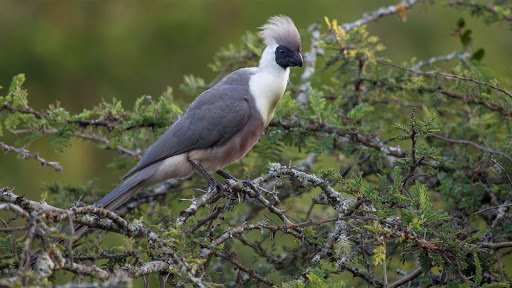
Woodland and acacia areas are also worth exploring. These habitats provide food and nesting sites for hornbills, barbets, weavers, bee-eaters and many other species. A knowledgeable guide can help you identify birds through both their appearance and their calls.
Bird Species to Look For
Birding in Lake Mburo National Park can introduce visitors to a wide range of African bird species. The exact species you see will depend on the habitat, season, weather and time of day. Some birds are easy to spot, while others require patience and careful listening.
African Fish Eagle
The African fish eagle is one of the most recognizable birds associated with Uganda’s lakes and wetlands. Its white head, dark body and powerful bill make it distinctive, especially when it is perched on a prominent tree overlooking the water. During birding in Lake Mburo National Park, visitors may hear the fish eagle before seeing it. Its characteristic call can carry across the landscape, making it an exciting bird to locate with binoculars.
Malachite Kingfisher
The malachite kingfisher is a small and colorful bird that can be found around suitable water habitats. Its bright plumage makes it one of the birds that many photographers hope to encounter. Because it is small and can move quickly, binoculars are particularly useful. Watching quietly near the water can improve your chances of seeing this beautiful kingfisher.
Pied Kingfisher
The pied kingfisher is another interesting species to watch around Lake Mburo. Its black-and-white plumage makes it relatively easy to recognize, while its hunting behavior makes it exciting to observe. One of its most impressive behaviors is hovering above water before diving to catch prey. If you are lucky enough to witness this during birding in Lake Mburo National Park, it can become one of the highlights of your safari.
Marabou Stork
The marabou stork is a large bird commonly associated with open areas and wetlands. Its impressive size and unusual appearance make it difficult to overlook. Although it may not have the bright colors of smaller birds, the marabou stork is an interesting species to observe because of its size, feeding behavior and role within the ecosystem.
African Grey Hornbill
Hornbills are fascinating birds to look for in Lake Mburo’s woodland habitats. The African grey hornbill is recognized by its curved bill and distinctive appearance. Hornbills feed on fruits, insects and other small food items. During a game drive or nature walk, keep your eyes on the trees because these birds may move quickly between branches.
Southern Ground Hornbill
The southern ground hornbill is particularly interesting because it spends considerable time walking across open ground rather than remaining in trees. Its large size and dark body make it noticeable in grassland areas. Seeing a group moving through the savanna can be an exciting moment for birdwatchers and photographers.
Bee-Eaters
Bee-eaters are among the most colorful birds that visitors can encounter during birding in Lake Mburo National Park. Their bright colors and fast movements make them especially attractive to photographers. They often fly from a perch to catch insects before returning to another branch. If you find a productive area, patience can give you excellent opportunities to observe their feeding behavior.
Raptors
Lake Mburo also provides opportunities to observe birds of prey. Eagles, hawks, kites and other raptors can sometimes be seen soaring above the park or sitting on elevated branches. Raptors are important members of the ecosystem because they help regulate populations of smaller animals. A good bird guide can help distinguish between species that may look similar when viewed from a distance.
Best Birding Habitats in Lake Mburo
Understanding the different habitats can make birding in Lake Mburo National Park much more productive. Instead of searching randomly, visitors can focus on areas where particular types of birds are likely to occur.
Lakeshore and Wetlands
The lakeshore and surrounding wetland areas are excellent places to search for water-associated birds. Birds are attracted to the water because it provides feeding and resting opportunities. Early morning visits can be particularly rewarding because birds are often active during the cooler hours. Move quietly and use binoculars to scan the shoreline, trees and shallow water.
Open Grasslands
The grasslands provide habitat for birds that prefer open environments. Some species feed directly on the ground, while others perch on nearby trees and watch for insects or other food. The open landscape makes it easier to scan a wide area. Remember to look both on the ground and in the trees rather than concentrating only on birds flying overhead.
Acacia Woodlands
Acacia woodlands are excellent habitats for many smaller birds. Hornbills, weavers, barbets and other species may be found feeding or moving through the trees. Birding through woodland requires patience. Sometimes the best way to find a bird is to stop, remain quiet and listen carefully for its call or movement among the branches.
Shrub and Rocky Areas
Shrublands and rocky areas can also provide interesting birding opportunities. Small birds may hide within vegetation, while some raptors use elevated points to survey the surrounding landscape. A local bird guide can be particularly useful in these areas because they may know specific locations where certain species are regularly observed.
Best Time for Birding in Lake Mburo
Birding in Lake Mburo National Park is possible throughout the year, although different seasons can offer different advantages. The best time depends on whether your main interest is resident birds, migratory species, photography or general wildlife viewing.
Periods when migratory birds are present can be particularly rewarding for serious birdwatchers because additional species may be observed. Visitors interested in building a large bird checklist should discuss seasonal conditions with their tour operator before booking.
The drier months can offer good wildlife viewing because vegetation may be less dense and animals often gather around available water sources. Birdwatching can also be productive during this period, particularly around wetlands and permanent water.
The wetter periods bring greener vegetation and increased food availability. Birds may become more active, and visitors can sometimes observe interesting breeding and feeding behavior. However, heavy rainfall can occasionally make some tracks more difficult to access.
Best Time of Day for Birding
Early morning is generally one of the most rewarding times for birding in Lake Mburo National Park. Birds are usually active after sunrise, temperatures are cooler and the environment is often quieter. Morning birding also provides good opportunities to hear bird calls. Experienced guides can identify species from their calls and then help visitors locate them using binoculars.
Late afternoon is another productive period. As temperatures begin to fall, birds can become active again. The softer afternoon light can also provide beautiful conditions for wildlife and bird photography. If birdwatching is your main reason for visiting Lake Mburo, consider having both morning and afternoon birding sessions. This gives you more opportunities to encounter species with different activity patterns.
Birding on a Game Drive
A game drive is one of the easiest ways to explore a large section of Lake Mburo while searching for birds. The vehicle allows visitors to cover different habitats without spending too much time walking between locations. During a bird-focused game drive, avoid concentrating only on large mammals. Zebras, impalas and giraffes may attract your attention, but there could be interesting birds perched in nearby trees or feeding in the grass.
A knowledgeable guide can stop whenever an interesting bird is spotted. They can explain its behavior, habitat and distinguishing features while giving you time to observe it through binoculars.
Birding on a Nature Walk
A nature walk provides a completely different experience. Walking allows you to move slowly through the environment, making it easier to hear bird calls and notice small movements in bushes and trees. During a guided walk, your guide can explain relationships between birds, plants, insects and other wildlife. This makes the experience more educational than simply checking species off a list.
Nature walks can be particularly rewarding for photographers and serious birdwatchers because visitors can spend more time in a specific area. Always follow park regulations and remain with an authorized guide where required.
Birding During a Boat Trip
A boat trip on Lake Mburo is another excellent way to enjoy birding in Lake Mburo National Park. Viewing the landscape from the water gives visitors a different perspective and provides access to areas that may be difficult to approach from land. Keep your binoculars ready as you travel along the shoreline. Look carefully at trees, vegetation, shallow water and exposed areas where birds may be feeding or resting.
A boat safari also combines birdwatching with general wildlife viewing. Depending on conditions, visitors may encounter hippos, crocodiles and other wildlife while exploring the lake, making the experience enjoyable even for travelers who are not dedicated birdwatchers.
Essential Birding Equipment
Having the right equipment can make your experience much more enjoyable. The most important items for birding in Lake Mburo National Park include binoculars and a bird guide book.
Binoculars
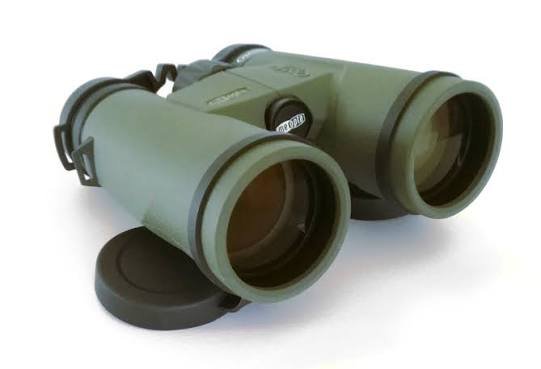
Binoculars are essential for birdwatching because many birds are small, high in trees or far away. A good pair allows you to observe details such as plumage, beak shape and markings without getting too close to the bird. Binoculars are also useful when birds are moving quickly. Instead of relying only on your camera, you can use binoculars to locate and identify a species before deciding whether to photograph it.
Bird Guide Book
A bird guide book is another valuable item to carry. A good field guide can help you identify unfamiliar species by comparing photographs or illustrations and studying their distinctive features. For visitors who are new to African birdwatching, a bird guide book can turn the safari into a learning experience. You can record the species you see, compare similar birds and gradually build your knowledge of Uganda’s birdlife.
A small notebook or bird checklist can also be useful. Writing down the species you identify, where you saw them and the date of the sighting can make your birding experience more memorable.
Camera and Other Essentials
A camera with a suitable zoom lens is recommended for visitors interested in bird photography. However, remember that the primary purpose of birding is observation, so do not become so focused on photography that you miss the experience itself. Other useful items include comfortable clothing, a hat, sunscreen, drinking water, insect protection and comfortable shoes. Neutral-colored clothing can also help you blend into the environment and avoid unnecessary disturbance.
Why You Need a Professional Bird Guide
A professional bird guide can make a major difference to your birding in Lake Mburo National Park experience. Birds can be difficult to identify, especially when they are far away, hidden in vegetation or seen only briefly. Experienced guides understand bird calls and can often locate a species before visitors even realize it is nearby. They also know which habitats are suitable for different birds and can recommend productive locations.
A guide can also explain bird behavior, feeding patterns, nesting habits and ecological importance. This makes birding more than simply looking at birds; it becomes an opportunity to understand how the park’s ecosystem works. If birdwatching is your main interest, tell your tour operator when booking your safari. This allows them to arrange an itinerary that gives you enough time for dedicated birding rather than treating it as a small part of a standard game drive.
Bird Photography in Lake Mburo
Lake Mburo is a rewarding destination for bird photographers because its diverse habitats provide a variety of backgrounds. Open grasslands, trees, wetlands and the lakeshore can all create different photographic settings.
A telephoto lens is useful because it allows you to photograph birds from a respectful distance. Avoid approaching birds too closely or causing them to change their natural behavior simply to obtain a photograph.
Patience is one of the most important qualities for bird photography. Instead of constantly chasing birds, find a productive area, observe quietly and wait for the bird to return to a suitable perch.
Morning and late afternoon light can also improve photographs. The softer light during these periods often produces better detail and more natural-looking images.
Combining Birding with Other Activities
One of the best things about birding in Lake Mburo National Park is that it can easily be combined with other safari activities. You do not need to spend your entire trip watching birds. You can begin with an early morning game drive, followed by a relaxing boat trip later in the day. A nature walk can then provide another opportunity to explore woodland and grassland habitats.
Visitors interested in cycling can also explore areas around the park where appropriate and with proper guidance. Combining different activities makes a Lake Mburo safari suitable for couples, families, photographers and general wildlife enthusiasts.
Where to Stay During a Birding Safari
There are different accommodation options around Lake Mburo, ranging from luxury to mid-range and budget facilities. Birdwatchers should consider location, access to birding areas and the availability of experienced guides when choosing where to stay. Luxury travelers can consider Mihingo Lodge and Kigambira Safari Lodge, while mid-range travelers may consider Rwakobo Rock and Lake Mburo Safari Lodge. Budget travelers can explore suitable camps and lodges around the park depending on their preferred level of comfort.
For birdwatchers, the most expensive accommodation is not necessarily the best choice. A property that provides convenient access to birding areas, early breakfast arrangements and knowledgeable guides may be more useful than simply choosing a luxury facility.
How to Make the Most of Your Birding Experience
To get the best from birding in Lake Mburo National Park, start your day early and give yourself enough time. Birdwatching is not always about seeing as many species as possible; sometimes a single interesting sighting can be more memorable than a long checklist.
Carry your binoculars and bird guide book throughout the safari. Listen carefully to bird calls and ask your guide questions whenever you encounter an unfamiliar species. It is also important to be patient. Some birds may appear for only a few seconds before disappearing into vegetation. Staying quiet and observing carefully can greatly increase your chances of successful sightings.
Finally, respect the environment. Avoid making unnecessary noise, feeding birds or disturbing nesting areas. Responsible birdwatching helps protect the very wildlife that makes Lake Mburo such a special destination.
Plan Your Birding Safari in Lake Mburo National Park
Planning ahead can make your birding experience much more enjoyable. Think about the type of birds you want to see, the season of your visit, the activities you want to combine and the kind of accommodation you prefer. If you are a serious birdwatcher, consider spending more than one day in the area. Additional time allows you to explore different habitats and participate in morning, afternoon and water-based activities.
Working with an experienced Uganda tour operator can also make the planning process easier. A good operator can organize transportation, accommodation, park activities and an experienced bird guide according to your interests and budget.
Final Thoughts
Birding in Lake Mburo National Park is an unforgettable way to discover the quieter and more colorful side of Uganda’s wildlife. From kingfishers and bee-eaters to hornbills, fish eagles, storks and raptors, the park offers an exciting variety of birds in a beautiful natural setting.
The combination of wetlands, open grasslands, acacia woodland and Lake Mburo creates excellent opportunities for birdwatching throughout the year. Game drives, nature walks and boat trips each offer different perspectives, making it possible to experience the park in several ways.
For the best experience, carry binoculars, a bird guide book and a camera, and consider hiring a knowledgeable bird guide. Most importantly, slow down, listen carefully and enjoy the experience. Sometimes the most memorable moment is not seeing the biggest animal, but discovering a small, colorful bird quietly moving through the trees.
If you are planning a Uganda safari and want to experience something beyond traditional wildlife viewing, birding in Lake Mburo National Park deserves a place on your itinerary. It is an opportunity to explore Uganda’s remarkable birdlife while enjoying scenic landscapes, fascinating wildlife and the peaceful atmosphere of one of the country’s most accessible national parks. Contact us to plan your trip.