Bwindi Gorilla Trekking Sectors each offer a different forest, difficulty level, and gorilla family experience. This guide compares all four to help you choose right.
4 Best Options Compared for Every Traveler
Why Understanding the Bwindi Gorilla Trekking Sectors Matters
Bwindi Impenetrable National Park is not one single trekking ground. It is split into four distinct regions, and each one comes with its own trails, altitude, and habituated gorilla families. Choosing the wrong region can mean a punishing climb when you wanted an easy walk, or a short stroll when you were hoping for a real forest adventure.
This guide breaks down the Bwindi Gorilla Trekking Sectors one by one. You will learn which zone suits beginners, which suits fit adventurers, and which is best for travelers who also love birding. By the end, you will know exactly which permit to book, and why location inside the park matters just as much as the date on your permit.
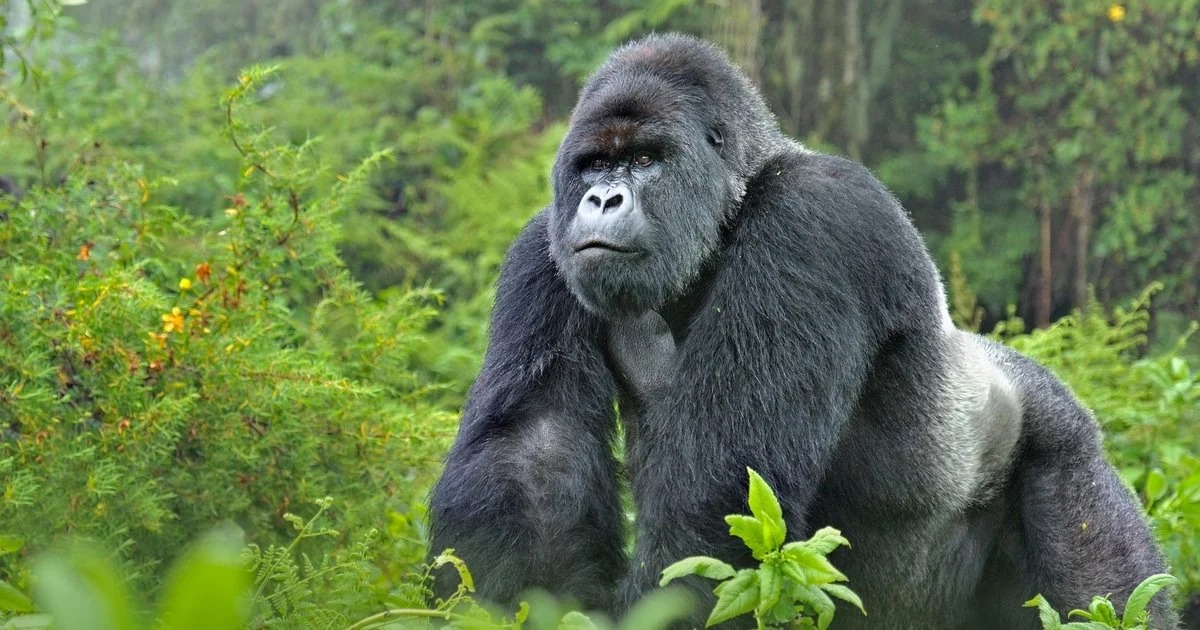
Uganda’s mountain gorilla population is one of the great conservation success stories in Africa, and Bwindi shelters roughly half of the world’s remaining gorillas. That density of wildlife across a relatively small forest is precisely why the park had to be divided into manageable zones in the first place. Understanding those zones properly can transform an average trip into an unforgettable one.
A Quick Overview of the Bwindi Gorilla Trekking Sectors
Uganda’s Bwindi Impenetrable Forest is divided into four main regions: Buhoma, Ruhija, Rushaga, and Nkuringo. Together, these zones host dozens of habituated gorilla families available for daily trekking permits. Each region sits in a different corner of the park, so travel time, scenery, and lodge options vary widely.
Buhoma lies in the north and is the oldest and most established of the four regions. Ruhija sits in the east at a higher altitude, known for cooler air and excellent birdlife. Rushaga and Nkuringo are both in the south, closer to the Democratic Republic of Congo border, and are famous for tougher but rewarding hikes.
Understanding these four zones is the first real decision point in planning a Uganda safari. The right choice among the Bwindi Gorilla Trekking Sectors depends on your fitness level, travel dates, and what kind of gorilla encounter you want. Permit prices are the same across all four regions, so the decision really comes down to logistics and personal preference rather than budget. Let’s look at each one in detail.
Buhoma Sector: The Most Popular of the Bwindi Gorilla Trekking Sectors
Buhoma is the original trekking base in Bwindi and remains the most visited region in the park. It offers relatively gentle trails compared to the south, making it ideal for travelers who want gorillas without an extreme climb. The sector also has the widest range of accommodation, from budget campsites to luxury lodges.
Why Buhoma Works for First-Time Trekkers
Trails in Buhoma tend to follow gentler slopes near the park boundary. Several gorilla families here, including the famous Mubare and Habinyanja groups, are known for staying closer to the trailhead on many days. This makes Buhoma a comfortable entry point for travelers new to forest hiking.
Buhoma’s Scenery and Access
Buhoma sits close to the town of Kanungu and is reachable by road from Kampala in about eight to nine hours, or by a short scenic flight. The forest edge here blends into rolling tea plantations and terraced hills. Many lodges offer views straight into the misty treeline of the park, and evenings often bring the distant calls of forest hornbills echoing across the valley.

Ruhija Sector: A Cooler, Quieter Choice
Ruhija sits at the highest elevation of any Bwindi trekking base, often over 2,300 meters above sea level. This makes it the coolest of the Bwindi Gorilla Trekking Sectors, with crisp mornings and misty afternoons. It is a favorite for travelers combining gorilla trekking with serious birdwatching.
Birding and Biodiversity in Ruhija
Ruhija borders the Mubwindi Swamp, one of Uganda’s top birding spots, home to the rare African green broadbill. Trekkers here often combine a gorilla permit with an early morning bird walk. Among all four regions, Ruhija offers the richest experience for nature lovers beyond just gorillas, with over three hundred recorded bird species in the surrounding forest.
Trekking Difficulty in Ruhija
The trails around Ruhija can be steep and demanding, especially when tracking the Bitukura or Oruzogo families deeper into the forest. Fitness is genuinely important here. Still, many travelers find the reward worth the effort, since fewer tourists pass through this quieter corner of the park, and the cooler climate makes the climb feel less exhausting than it might sound.
Rushaga Sector: The Habituation Hub
Rushaga in the south hosts the largest number of habituated gorilla families of any single region. It is also the only place in Uganda offering the Gorilla Habituation Experience, where visitors spend up to four hours with a semi-habituated family. This makes Rushaga unique among the Bwindi Gorilla Trekking Sectors.
The Gorilla Habituation Experience Explained
Unlike standard one-hour treks, the habituation experience lets researchers and trackers work while visitors observe from a close, controlled distance. It is longer, costs more, and requires better stamina. For travelers seeking depth over speed, Rushaga stands out among all the sectors covered in this guide.
Terrain and Travel Time to Rushaga
Rushaga’s terrain is hilly and can involve steep descents into valleys where gorilla families roam. It is roughly a ten to eleven hour drive from Kampala, though most travelers combine it with a visit to Lake Mburo or fly directly to nearby Kisoro airstrip. The extra travel time is often rewarded with fewer crowds on the trail and a genuine sense of remoteness.
Nkuringo Sector: The Toughest Option
Nkuringo sits on a ridge overlooking the Virunga volcanoes and is widely considered the most physically demanding of the Bwindi Gorilla Trekking Sectors. Trails frequently drop steeply into the forest valley and climb back out just as sharply. It rewards fit travelers with dramatic views and a genuine wilderness feel.
Who Should Choose Nkuringo
Nkuringo suits experienced hikers who want a real physical challenge alongside their gorilla encounter. The Nkuringo and Christmas gorilla families are known to roam widely, so treks can be long. Porters are strongly recommended here, more so than in any other region of the park.
The Views and Remote Feel of Nkuringo
Because it is the most remote of the four regions, Nkuringo receives fewer visitors on any given day. The panoramic view of the Virunga volcano chain from the ridge is considered one of the best in southwestern Uganda. Travelers who prioritize solitude often rank this sector highest among the Bwindi Gorilla Trekking Sectors, and many describe the sunrise over the volcanoes as the highlight of their entire trip.
Comparing the Bwindi Gorilla Trekking Sectors Side by Side
When weighing the four regions against each other, three factors matter most: difficulty, accessibility, and crowd levels. Buhoma offers the easiest access and gentlest trails. Ruhija adds cooler weather and strong birding value for a moderate physical demand.
Rushaga gives you the widest choice of gorilla families and the unique habituation option. Nkuringo delivers the steepest hikes and the most dramatic scenery for those chasing solitude. No single sector is universally “best,” since the right pick depends entirely on your fitness and travel goals.
Difficulty Levels Across the Sectors
Buhoma and parts of Ruhija are generally rated easy to moderate. Rushaga is moderate to hard, depending on which family you are assigned. Nkuringo is consistently rated the hardest of the Bwindi Gorilla Trekking Sectors, and trekkers should train beforehand if possible.
Accessibility and Travel Time
Buhoma is closest to major access roads and airstrips, making it the most convenient. Ruhija sits roughly forty-five minutes from Buhoma by road. Rushaga and Nkuringo are both in the far south, adding extra driving hours but offering quieter trails and fewer vehicles at the trailhead each morning.
How to Choose the Right Sector for You
Start by being honest about your fitness level, since this single factor eliminates the wrong choices quickly. If you want an easier trek with strong infrastructure, Buhoma is your safest bet among the Bwindi Gorilla Trekking Sectors. If birding matters as much as gorillas, Ruhija should top your list.
Travelers wanting a deeper, longer wildlife encounter should look at Rushaga’s habituation experience. Those chasing adventure, remoteness, and volcano views will find Nkuringo the most rewarding of the four regions. Your travel dates and permit availability will also influence the final decision, since each sector issues a limited number of permits daily.
Matching Sector to Travel Style
Families traveling with older relatives or first-time hikers should lean toward Buhoma or Ruhija. Adventurous couples and solo travelers with good fitness often prefer Rushaga or Nkuringo. Combining two sectors across a longer trip is also possible for travelers who want variety, and many itineraries now pair a northern trek with a southern one for contrast.
Best Time to Visit the Bwindi Gorilla Trekking Sectors
Uganda’s dry seasons, from June to September and again from December to February, offer the best trekking conditions across all four regions. Trails are less muddy and slippery during these months, which matters most in the steeper sectors like Nkuringo and Rushaga. Wet season trekking is still possible, and often cheaper, but requires sturdier footwear and more caution.
Permits should be booked several months in advance, especially for peak dry season dates. Each gorilla family permit is limited to a small group of visitors per day. Early booking secures both your preferred sector and your preferred gorilla family, so travelers with fixed dates should reach out as soon as their trip is confirmed.
Practical Tips for Any of the Sectors
Pack waterproof hiking boots, gardening gloves for gripping vegetation, and a rain jacket regardless of season. Hiring a porter is worthwhile in every sector, but especially in Rushaga and Nkuringo. Trekkers should also budget a full rest day before or after their trek, since forest hikes can run from two to eight hours depending on where the gorillas are found that morning.
Physical preparation matters more than most travelers expect. A few weeks of regular walking or light cardio before your trip makes a noticeable difference on the trail. This is true across every one of the Bwindi Gorilla Trekking Sectors, but especially in the hillier southern regions where altitude and gradient combine.
Bring enough cash in Ugandan shillings for tipping guides, porters, and armed rangers, since card payment is rarely available at the trailheads. A daypack with water, snacks, and a light poncho rounds out a comfortable kit. Binoculars are also worth the extra weight, particularly in Ruhija’s birding grounds.
Insect repellent and a wide-brimmed hat are also worth packing, since the forest interior can be humid even on cooler days. Long trousers tucked into socks help prevent nettle stings and biting ants along the narrower paths. A lightweight change of clothes for the return drive is a small comfort many trekkers appreciate after a muddy morning in the forest.
Combining Culture and Community Around the Park
Communities living along the edge of Bwindi Impenetrable National Park often welcome visitors before or after a trek. The Batwa people, once forest dwellers themselves, run cultural walks near several trailheads that explain traditional life in the forest. These experiences add valuable context to a gorilla trek and support local livelihoods directly.
Local craft markets near Buhoma and Nkuringo sell baskets, wood carvings, and coffee grown on the surrounding hillsides. Many lodges source produce from nearby farms, so a stay near the park also supports the wider regional economy. Travelers with an extra day often find these cultural stops just as memorable as the trek itself.
Frequently Asked Questions
Can I choose which gorilla family I track?
Rangers typically assign families on the morning of the trek based on fitness, group size, and recent gorilla movement. You can request a preference through your tour operator when booking your permit.
Is one sector safer than another?
All four regions are patrolled by armed rangers and follow the same safety protocols set by the Uganda Wildlife Authority. Safety differences between sectors are minimal, though remoter regions require more advance planning for emergencies.
How many people can trek with one gorilla family?
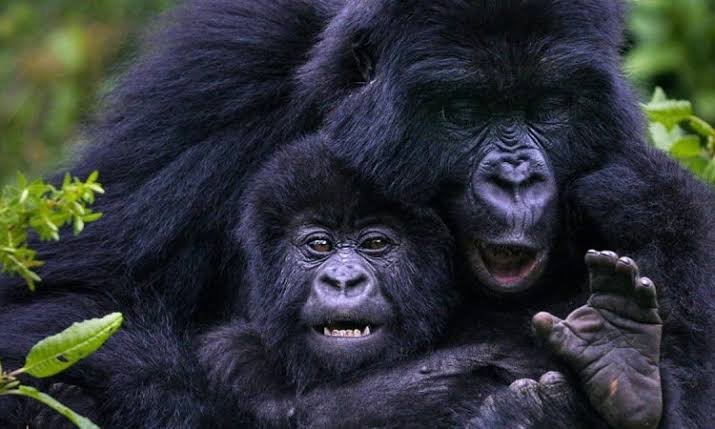
Ugandan regulations limit each gorilla family to a maximum of eight visitors per day. This cap protects the gorillas from stress and disease while keeping the experience intimate for trekkers.
Final Thoughts on the Bwindi Gorilla Trekking Sectors
Each of the four regions offers a genuinely different way to meet mountain gorillas in the wild. Buhoma is accessible and beginner-friendly. Ruhija rewards birders and quiet forest lovers.
Rushaga offers variety and the unmatched habituation experience. Nkuringo delivers the toughest trails and the most spectacular volcano views. Whichever of the Bwindi Gorilla Trekking Sectors you choose, the encounter with a wild gorilla family remains one of Africa’s most unforgettable wildlife experiences.
Book Your Gorilla Trekking Adventure Today
Ready to decide which of the Bwindi Gorilla Trekking Sectors matches your travel style?
Tulambule Uganda Safaris can help you compare permit availability, match you to the right gorilla family, and plan lodges around your chosen region.
Contact Tulambule Uganda Safaris today to start building your Bwindi gorilla trekking itinerary.