Chimpanzee Habituation in Kibale
Chimpanzee Habituation in Kibale is one of the most immersive wildlife experiences in Uganda, allowing visitors to spend extended time observing wild chimpanzees in their natural rainforest habitat. Unlike ordinary chimpanzee trekking, the habituation experience provides more time to follow, observe and understand chimpanzee behaviour. It is an excellent choice for wildlife lovers, photographers, researchers and travellers seeking a deeper connection with nature.
Kibale National Park is located in western Uganda and is internationally recognised for its exceptional primate diversity. The park’s tropical rainforest provides an ideal habitat for chimpanzees, monkeys, birds, butterflies and many other forest species. A Chimpanzee Habituation Experience in Kibale combines wildlife adventure, conservation education and rainforest exploration in one memorable safari activity.
What Is Chimpanzee Habituation in Kibale?
Chimpanzee habituation is the gradual process through which wild chimpanzees become accustomed to the presence of humans without losing their natural behaviour. Researchers, trackers and conservation teams spend time following and observing chimpanzee communities. The process can take a long time because the animals must gradually become comfortable around human observers.
The Chimpanzee Habituation Experience in Kibale allows visitors to accompany the teams involved in this process. Instead of simply searching for an already habituated chimpanzee community, participants can spend longer periods observing a community that is still undergoing habituation. This creates a more educational and immersive experience for visitors interested in primates and conservation.
Why Choose Chimpanzee Habituation in Kibale?
One of the biggest advantages of Chimpanzee Habituation in Kibale is the extended time available for wildlife observation. Current Uganda Wildlife Authority guidelines state that the habituation experience starts from 6:30 a.m., with visitors allowed up to four hours of viewing once the chimpanzees are located. This provides considerably more observation time than ordinary chimpanzee tracking.
The additional time allows visitors to observe behaviours that might be missed during a shorter encounter. Chimpanzees may feed, groom each other, climb trees, communicate, rest, play and travel through the forest. Because the animals determine what happens, every Chimpanzee Habituation Experience in Kibale can provide a different and unpredictable adventure.
Where Is Chimpanzee Habituation in Kibale Located?
Chimpanzee Habituation in Kibale takes place in Kibale National Park, a protected rainforest in western Uganda near Fort Portal. The park is one of Uganda’s most important conservation areas for chimpanzees and other primates. The main tourism area for chimpanzee activities is around Kanyanchu, where visitors receive briefings before entering the forest.
Kibale’s location makes it possible to combine Chimpanzee Habituation in Kibale with several other attractions in western Uganda. Travellers can visit Bigodi Wetland Sanctuary, Queen Elizabeth National Park, Semliki National Park, the Rwenzori Mountains and other destinations. This makes Kibale an excellent destination for both short primate trips and longer Uganda safari itineraries.
Why Is Kibale Important for Chimpanzees?
Kibale National Park contains extensive tropical rainforest that provides food, shelter and nesting sites for chimpanzees. The forest ecosystem supports a wide range of trees and plants that chimpanzees depend on throughout the year. The diversity of vegetation also supports numerous other primates and wildlife species.
The importance of Chimpanzee Habituation in Kibale extends beyond tourism because observing chimpanzees over long periods provides valuable information about their behaviour. Researchers can learn about social relationships, feeding patterns, movements and communication. Such knowledge contributes to better understanding and conservation of chimpanzees and their habitat.
Chimpanzee Habituation Experience vs Chimpanzee Trekking
Chimpanzee trekking and habituation are different activities, although both involve exploring Kibale’s rainforest in search of chimpanzees. Ordinary chimpanzee trekking focuses on habituated communities, allowing visitors to search for and observe them for a limited period. It is ideal for travellers who want a shorter wildlife encounter during their Uganda safari.
Chimpanzee Habituation in Kibale provides a longer and more immersive experience. Current UWA guidelines allow up to four hours of viewing during the habituation experience once the chimpanzees are located, compared with a maximum of one hour for ordinary chimpanzee tracking. This makes habituation particularly attractive to people who want to study behaviour or spend more time photographing the animals.
What Happens During Chimpanzee Habituation in Kibale?
The Chimpanzee Habituation Experience in Kibale begins early in the morning, with participants meeting their guides and trackers before entering the forest. A briefing is conducted to explain safety procedures, responsible wildlife viewing and the rules visitors must follow. The early start provides an opportunity to enter the forest while chimpanzees are active.
Once the group enters the forest, trackers begin searching for signs of the chimpanzee community. They may use chimpanzee calls, feeding remains, nests, footprints and other clues to determine where the animals have moved. Following these signs can take visitors through different sections of the rainforest before the chimpanzees are finally located.
Following the Chimpanzees in Kibale
Once chimpanzees are located, the real adventure of Chimpanzee Habituation in Kibale begins. Visitors remain with the guiding and tracking team while observing the animals from a safe distance. The chimpanzees may be on the ground, moving through vegetation or high in the forest canopy.
The animals may remain in one location for some time before moving to another area. Visitors therefore need to be prepared for walking and changing positions throughout the experience. This unpredictability is one of the most exciting aspects of Chimpanzee Habituation in Kibale because the animals—not the visitors—control the experience.
How Long Does Chimpanzee Habituation in Kibale Take?
Current Uganda Wildlife Authority guidelines state that the Chimpanzee Habituation Experience starts from 6:30 a.m. and provides a maximum of four hours of viewing once the chimpanzees are encountered. The actual duration of the entire forest experience can vary depending on the location and movement of the chimpanzee community.
Visitors should therefore avoid scheduling another demanding activity immediately after habituation. Chimpanzees may move considerable distances through the forest, requiring the group to walk and follow them. Allowing enough time makes the experience more relaxed and gives you a better opportunity to appreciate the forest and its wildlife.
Chimpanzee Habituation in Kibale Permit Prices
The cost of Chimpanzee Habituation in Kibale under the updated Uganda Wildlife Authority (UWA) tariff is US$400 for Foreign Non-Residents (FNR), US$300 for Foreign Residents (FR), US$250 for Rest of Africa (ROA) visitors, and UGX 250,000 for East African Community (EAC) citizens. The updated rates apply to visitors planning the Chimpanzee Habituation Experience in Kibale, making it important to confirm permit availability and the applicable UWA requirements before booking your safari.
Why Book a Chimpanzee Habituation Permit Early?
Booking your Chimpanzee Habituation in Kibale permit early is recommended, particularly if you are travelling on specific dates. The number of participants is limited, and popular safari periods can have greater demand. Securing your permit early also makes it easier to arrange accommodation and transportation.
Best Time for Chimpanzee Habituation in Kibale
Chimpanzee Habituation in Kibale is available throughout the year, making it possible to include the experience in a Uganda safari during different seasons. Kibale is a tropical rainforest, meaning rainfall can occur even during periods that are generally considered dry. Visitors should therefore always carry suitable rain protection.
The drier months can provide easier walking conditions because trails may be less muddy. However, wet periods can make the forest exceptionally green and beautiful, while fruit availability may influence chimpanzee movements. The best time ultimately depends on your travel preferences, weather expectations and wider Uganda safari itinerary.
Chimpanzee Habituation in Kibale During the Dry Season
During relatively drier periods, Chimpanzee Habituation in Kibale can be more comfortable for visitors who prefer easier trail conditions. Paths may be less muddy, and walking through the forest can be more convenient. However, occasional rainfall remains possible because Kibale is a rainforest environment.
Travellers should not assume that a dry season guarantees a particular chimpanzee encounter. Chimpanzees move naturally in search of food, water and suitable areas for social activity. Their movements are influenced by ecological conditions, so flexibility and patience remain important throughout the experience.
Chimpanzee Habituation in Kibale During the Wet Season
Wet periods offer a different experience in Kibale because the rainforest becomes especially lush and green. Rain can make trails muddy and slippery, but it also contributes to the vibrant appearance of the forest. Visitors who do not mind occasional rain can still enjoy an excellent Chimpanzee Habituation Experience in Kibale.
Rainfall can also influence food availability and chimpanzee movements. The forest may be particularly rewarding for nature lovers and photographers who enjoy rich vegetation and atmospheric rainforest conditions. A waterproof jacket, sturdy footwear and protection for camera equipment are essential during wetter periods.
What to Wear for Chimpanzee Habituation in Kibale
Wearing the right clothing can make Chimpanzee Habituation in Kibale much more comfortable. Lightweight long trousers and long-sleeved shirts provide protection from insects, vegetation and damp conditions. Comfortable hiking boots with good grip are particularly important because some trails can become muddy and slippery.
A waterproof jacket or poncho is strongly recommended because rainfall can occur unexpectedly. Visitors should also consider carrying a hat, insect repellent and sunscreen. Neutral-coloured clothing is preferable because it blends better with the natural environment and avoids unnecessary attention.
What to Pack for Chimpanzee Habituation in Kibale
A well-prepared traveller will have a much more enjoyable Chimpanzee Habituation Experience in Kibale. Essential items include drinking water, snacks, a small backpack, insect repellent, sunscreen, a hat and a rain jacket. A walking stick can also be useful on muddy or uneven trails.
Photographers should carry spare batteries, extra memory cards and waterproof protection for cameras. Binoculars are also useful for observing chimpanzees when they are high in the canopy. Keep your luggage light because you may be walking for several hours through the rainforest.
Photography During Chimpanzee Habituation in Kibale
Chimpanzee Habituation in Kibale is particularly attractive to wildlife photographers because the longer viewing period creates more opportunities to capture natural behaviour. A camera with a suitable telephoto lens can help when chimpanzees are high in trees or located some distance away. Extra batteries are important because the experience can last several hours.
Photography must always be conducted responsibly. Visitors should never chase chimpanzees, make loud noises to attract them or move closer simply to obtain a better photograph. Following your guide’s instructions ensures that photography does not interfere with the animals’ natural behaviour.
Chimpanzee Behaviour You May Observe
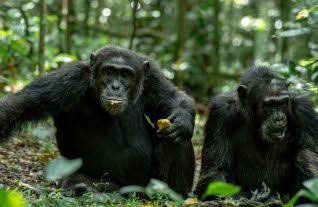
One of the highlights of Chimpanzee Habituation in Kibale is the opportunity to observe complex chimpanzee behaviour. Depending on the day, you may see individuals feeding on fruits, grooming one another, playing, resting or travelling through the forest. You may also hear powerful chimpanzee calls echoing between the trees.
The extended observation period can reveal interesting social interactions within the community. Adults may care for young chimpanzees, individuals may groom each other and different members may communicate through vocalisations. These moments demonstrate the intelligence and social complexity of chimpanzees.
Chimpanzee Communication in Kibale
Chimpanzees use a wide variety of vocalisations and body movements to communicate with one another. During Chimpanzee Habituation in Kibale, you may hear calls before seeing the animals themselves. Sometimes a call from one chimpanzee is followed by responses from other individuals deeper within the forest.
Listening to these sounds can make the experience even more exciting. Your guide can help explain what may be happening within the community and how the chimpanzees interact. The forest therefore becomes both a wildlife viewing area and a natural classroom.
Other Primates During Chimpanzee Habituation in Kibale
Chimpanzees are the main attraction, but Chimpanzee Habituation in Kibale also provides opportunities to see other primates. Kibale is famous for its remarkable diversity of monkey species, and several can be encountered while walking through the forest.
Possible sightings include red-tailed monkeys, black-and-white colobus monkeys, blue monkeys, L’Hoest’s monkeys, olive baboons, vervet monkeys and grey-cheeked mangabeys. The presence of so many primates makes Kibale particularly rewarding for wildlife enthusiasts who want to experience more than one species.
Birdwatching and Chimpanzee Habituation in Kibale
Kibale National Park is also an excellent birdwatching destination. The tropical rainforest provides habitat for numerous bird species, including forest specialists. Visitors carrying binoculars may see colourful birds moving through the canopy while following the chimpanzees.
Combining Chimpanzee Habituation in Kibale with birdwatching creates a broader wildlife experience. Your guide can help identify bird calls and point out species that might otherwise remain hidden. Travellers with a strong interest in birds can also arrange dedicated birdwatching activities during their stay.
Bigodi Wetland Sanctuary Near Kibale
Bigodi Wetland Sanctuary is one of the most popular community-based tourism attractions near Kibale National Park. The sanctuary offers guided nature walks through wetlands and surrounding habitats, with opportunities to see birds, monkeys, butterflies and other wildlife.
Adding Bigodi to your Chimpanzee Habituation in Kibale itinerary provides a different perspective on the landscape. Visitors can also learn about local communities and their relationship with the natural environment. This combination makes a Kibale safari more diverse and meaningful.
Chimpanzee Habituation in Kibale and Conservation
The importance of Chimpanzee Habituation in Kibale extends beyond tourism because long-term observation supports research and conservation. Researchers can study chimpanzee social behaviour, feeding patterns, movement and interactions with the forest ecosystem.
Tourism also creates economic opportunities for communities and people working around the park. Guides, trackers, drivers, lodge employees and other tourism workers benefit from visitors. Responsible tourism therefore helps create economic reasons to protect forests and wildlife.
Responsible Chimpanzee Habituation in Kibale
Visitors have an important role to play in protecting chimpanzees during Chimpanzee Habituation in Kibale. Always listen to your guide and follow the instructions provided by Uganda Wildlife Authority personnel. The chimpanzees should never be treated as entertainment or encouraged to approach visitors.
Do not feed, touch, chase or provoke chimpanzees, and avoid making unnecessary noise. Never leave rubbish in the forest, and follow all health precautions provided by the authorities. Responsible behaviour protects both the animals and the quality of the experience for future visitors.
Health Precautions During Chimpanzee Habituation
Chimpanzees are closely related to humans, which makes disease transmission an important conservation concern. Visitors participating in Chimpanzee Habituation in Kibale should follow all health requirements provided by the park authorities and guides.
If you are feeling unwell, especially with a potentially infectious illness, inform your safari operator before entering the forest. Following health precautions helps protect chimpanzees from diseases that humans may carry. It also contributes to responsible and sustainable wildlife tourism.
Is Chimpanzee Habituation in Kibale Physically Difficult?
Chimpanzee Habituation in Kibale requires a reasonable level of fitness because participants may spend several hours walking through tropical rainforest. The difficulty varies depending on where the chimpanzees are located and how much they move. Some days may involve relatively easy walking, while others can require longer distances.
The forest trails can be uneven, muddy and slippery after rainfall. Travellers should wear sturdy footwear and carry enough water for the activity. If you have concerns about your fitness, discuss them with your safari operator before booking so appropriate arrangements can be considered.
Accommodation for Chimpanzee Habituation in Kibale
There are accommodation options around Kibale ranging from budget camps and guesthouses to mid-range and luxury lodges. Staying close to the park is particularly convenient for visitors participating in Chimpanzee Habituation in Kibale because the activity starts early in the morning.
When choosing accommodation, consider its distance from the park activity area, level of comfort, meals and available facilities. Some lodges can provide early breakfast or packed meals for guests undertaking long forest activities. A safari operator can recommend accommodation according to your budget and preferences.
How to Get to Kibale National Park
Kibale National Park can be reached by road from Kampala or Entebbe, with the journey taking several hours depending on road conditions and stops. The drive provides opportunities to see Uganda’s countryside, farms, towns, tea plantations and scenic landscapes.
Travellers can also reach Kibale from other western Uganda destinations. Combining Chimpanzee Habituation in Kibale with Queen Elizabeth National Park is particularly popular, while Semliki National Park and the Rwenzori Mountains can also be added. Private safari transportation provides flexibility for sightseeing and transfers.
Chimpanzee Habituation in Kibale and Queen Elizabeth National Park
Combining Chimpanzee Habituation in Kibale with Queen Elizabeth National Park creates an excellent contrast between rainforest and savannah ecosystems. After spending time with chimpanzees in Kibale, travellers can continue to Queen Elizabeth for game drives and boat cruises.
Queen Elizabeth National Park is known for elephants, buffaloes, lions, leopards, hippos and numerous antelope species. The combination allows visitors to experience both Uganda’s primate-rich forests and its classic savannah wildlife. It is an excellent option for travellers with several days available.
Chimpanzee Habituation in Kibale and Bwindi
Travellers with more time can combine Chimpanzee Habituation in Kibale with gorilla trekking in Bwindi Impenetrable National Park. This creates one of Uganda’s most impressive primate-focused safari experiences.
The two activities are different but complementary. Kibale offers an extended chimpanzee experience in tropical rainforest, while Bwindi provides an opportunity to trek through ancient forest in search of mountain gorillas. Together, they provide unforgettable encounters with two of Africa’s most fascinating great apes.
Chimpanzee Habituation in Kibale and the Rwenzori Mountains
The Rwenzori Mountains can also be incorporated into a longer western Uganda itinerary. After enjoying Chimpanzee Habituation in Kibale, travellers interested in landscapes and adventure can explore the foothills or undertake a mountain experience.
The combination of rainforest and mountain scenery creates a diverse itinerary. Kibale provides primates and tropical forest, while the Rwenzori region offers dramatic peaks, valleys and unique landscapes. Your itinerary can be adjusted according to the amount of time and level of adventure you prefer.
Who Should Choose Chimpanzee Habituation in Kibale?
Chimpanzee Habituation in Kibale is particularly suitable for wildlife enthusiasts who want an extended experience with chimpanzees. Photographers can benefit from the longer observation period, while researchers and students may appreciate the opportunity to learn about chimpanzee behaviour and habituation.
The experience is also ideal for repeat safari travellers looking for something different from ordinary wildlife viewing. If you have already experienced chimpanzee trekking and want a deeper encounter, habituation can provide a more immersive perspective on the lives of these intelligent primates.
Chimpanzee Habituation in Kibale for Photographers
Wildlife photographers often prefer Chimpanzee Habituation in Kibale because additional time creates more opportunities to wait for interesting behaviour. Instead of rushing through a short encounter, photographers can observe the community and anticipate moments worth capturing.
The forest environment also provides unique photographic opportunities. Chimpanzees moving through trees, rays of light entering the canopy, colourful birds and dense tropical vegetation can create memorable images. Photographers should always prioritize animal welfare and follow all instructions from their guides.
Why Chimpanzee Habituation in Kibale Is Different
What makes Chimpanzee Habituation in Kibale special is that it offers a glimpse into the process behind responsible wildlife tourism. Visitors are not simply watching animals that are already completely accustomed to people. They are learning about how researchers and trackers gradually build familiarity with chimpanzee communities.
This creates an educational dimension that ordinary trekking may not provide. The experience helps visitors appreciate the patience, research and conservation work required to understand wild chimpanzees. It also encourages a deeper appreciation of why protecting Kibale’s rainforest is so important.
Tips for a Successful Chimpanzee Habituation Experience
Book your Chimpanzee Habituation in Kibale permit in advance, especially if you are travelling during a busy safari period. Stay close to the park’s activity area so that you can reach the briefing point early in the morning. Prepare appropriate clothing and footwear for a tropical rainforest environment.
Be patient throughout the experience because chimpanzees can move quickly or remain high in the canopy. Listen carefully to your guides and trackers because their knowledge can greatly improve your understanding of the animals. Most importantly, respect the chimpanzees and remember that you are visiting their natural habitat.
Frequently Asked Questions About Chimpanzee Habituation in Kibale
How much is Chimpanzee Habituation in Kibale?
The Chimpanzee Habituation Experience costs US$400 for foreign non-residents, US$350 for foreign residents , ROA US $300 and UGX 250,000 for East African Community citizens. The listed fee includes the guide and park entrance fees.
How long is Chimpanzee Habituation in Kibale?
The experience begins from 6:30 a.m., and visitors can spend up to four hours viewing chimpanzees once they are located. The total time in the forest can vary depending on the movement and location of the chimpanzee community.
Is Chimpanzee Habituation available throughout the year?
Yes. Chimpanzee habituation and tracking activities in Kibale are conducted throughout the year. However, weather conditions can influence trail conditions and the overall experience.
What is the difference between habituation and trekking?
Ordinary chimpanzee trekking focuses on habituated chimpanzee communities and provides a maximum viewing period of one hour under current UWA guidelines. Chimpanzee Habituation in Kibale provides up to four hours of viewing and follows a community that is undergoing habituation.
What should I wear?
Wear long trousers, a long-sleeved shirt, sturdy hiking boots and a waterproof jacket. Insect repellent, sunscreen and a hat are also recommended.
Can I take photographs?
Yes, photography is permitted subject to the applicable park rules and instructions from your guide. Visitors should never disturb chimpanzees or move closer to them for the purpose of taking photographs.
Is Chimpanzee Habituation in Kibale worth it?
For wildlife enthusiasts, photographers, researchers and travellers who want an extended primate experience, Chimpanzee Habituation in Kibale is an excellent choice. The longer viewing period allows visitors to observe more natural behaviour and learn about chimpanzee conservation.
Plan Your Chimpanzee Habituation Safari in Kibale
Chimpanzee Habituation in Kibale offers an unforgettable opportunity to experience Uganda’s rainforest from a deeper perspective. Instead of simply searching for chimpanzees and watching them for a short time, visitors can spend extended periods observing their behaviour and learning about the habituation process.
From the excitement of hearing chimpanzee calls in the forest to watching individuals feed, groom, climb and interact, every moment can become part of an unforgettable safari. Combined with Kibale’s other primates, birds and surrounding attractions, the experience is one of Uganda’s most rewarding wildlife adventures.
Book Chimpanzee Habituation in Kibale with Tulambule Uganda Safaris
Ready to experience Chimpanzee Habituation in Kibale? Tulambule Uganda Safaris can help you plan a complete chimpanzee safari, including permit arrangements, accommodation, transportation and professional guiding. We can also combine Kibale with Queen Elizabeth National Park, Bwindi, Lake Bunyonyi, Semliki, the Rwenzori Mountains and other destinations.
Whether you are a first-time safari traveller, wildlife photographer, primate enthusiast or repeat visitor to Uganda, we can create an itinerary based on your interests and available time. Contact Tulambule Uganda Safaris today and start planning your Chimpanzee Habituation Experience in Kibale.
Luxury Chimpanzee Habituation: 3 Day Fly-In to Kibale Forest National Park