Chimpanzee Habituation in Uganda offers some hours with wild chimps. Discover 5 ultimate reasons this rare experience beats standard trekking.
5 Ultimate Reasons to Try It
A standard chimpanzee trek gives you one hour with the primates once they’re found. Chimpanzee Habituation in Uganda gives you an entire day. That difference changes everything about the experience.
This guide explains what makes this activity so special and why serious wildlife travelers are choosing it over standard trekking. We’ll cover five compelling reasons to book this experience, plus what to expect on the day itself. By the end, you’ll know whether it belongs on your Uganda itinerary.
Uganda has earned its reputation as the Primate Capital of East Africa, and chimpanzees sit at the heart of that reputation.
With an estimated 5,000 wild chimpanzees across the country, the opportunity to observe them closely is unmatched elsewhere on the continent. This particular experience represents the deepest, most immersive way to do exactly that.
What Is Chimpanzee Habituation in Uganda
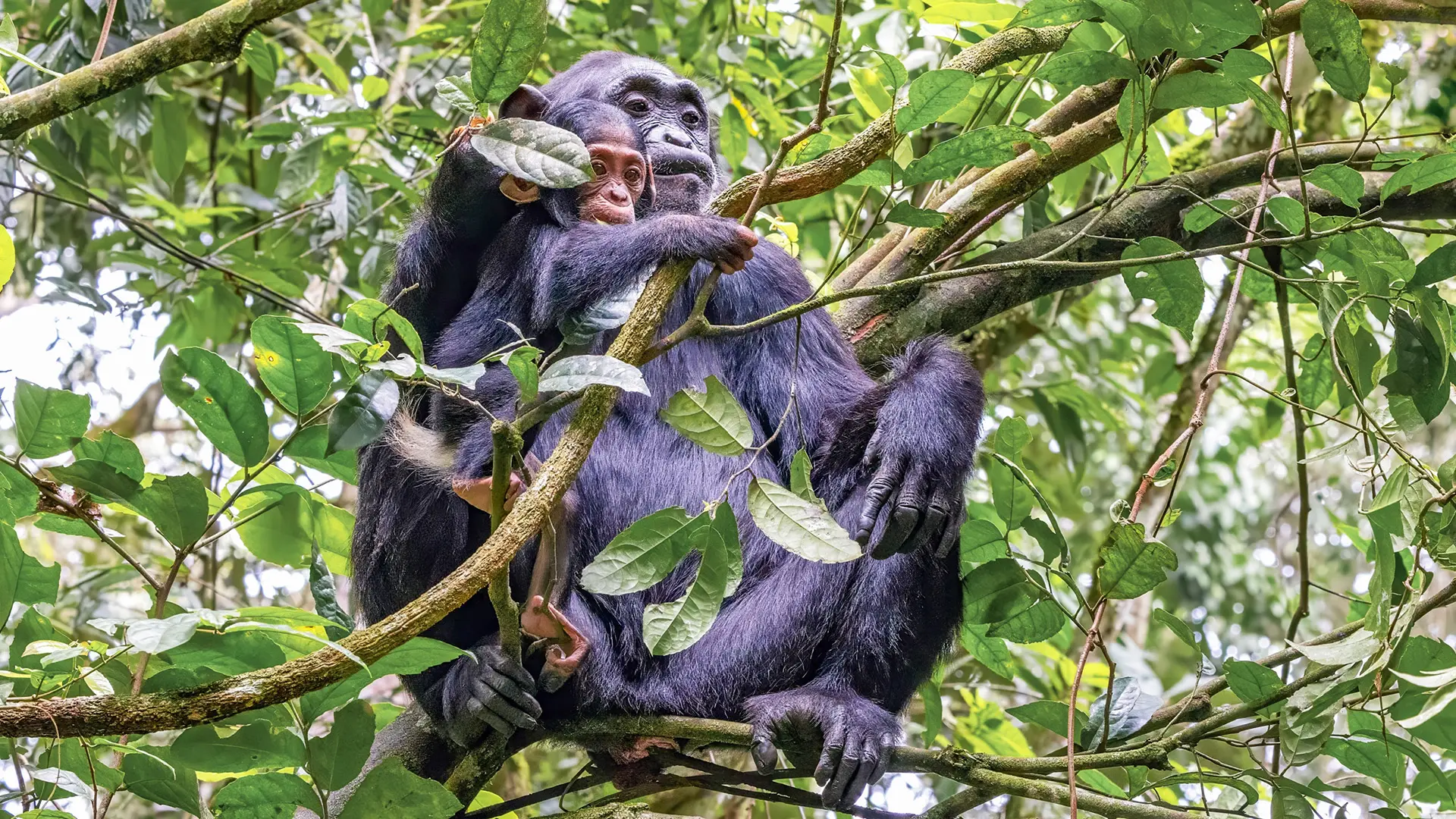
Habituation is the process of slowly training wild chimpanzees to tolerate human presence at close range. Researchers and rangers spend two to three years visiting the same community daily, building trust step by step.
Chimpanzee Habituation in Uganda lets travelers join this process directly, rather than simply observing chimps that are already fully accustomed to tourists.
Where This Experience Takes Place
Kibale National Park is the primary home of this activity, and the only park offering the full habituation program in Uganda. Known as the Primate Capital of East Africa, Kibale shelters over 1,500 chimpanzees across multiple communities. Kalinzu Forest also offers a similar, smaller-scale version of the experience.
Standard one-hour chimp trekking remains available in Kibale, Kalinzu, Budongo Forest and Kyambura Gorge. This deeper alternative is reserved for travelers who want far more than a brief sighting. Permits for the two experiences are booked and priced separately.
Budongo Forest, part of Murchison Falls National Park, offers excellent standard trekking but does not currently run a full habituation program. Kyambura Gorge, tucked within Queen Elizabeth National Park, provides a shorter, more accessible chimp trek for travelers on tighter schedules. Each location suits a slightly different type of traveler and itinerary.
How the Habituation Process Works
Trackers locate a target community each morning by following calls, nests, and feeding signs from the previous day. Once found, visitors follow the group at a respectful distance as researchers record behavior and movement. Over months, chimps in earlier stages of habituation grow calmer around these repeated visits.
Not every community involved in the program is equally relaxed around people yet. Some groups may move quickly through dense undergrowth, testing your stamina and patience. This unpredictability is part of what makes the experience feel genuinely wild rather than staged.
Habituation teams keep detailed records of each chimp’s temperament, feeding patterns, and social bonds within the community. This ongoing documentation helps researchers track changes in behavior over months and years. Visitors joining the program get a small window into this larger, continuous body of work.
1. Far More Time With the Chimpanzees
Standard trekking permits allow just one hour with chimps after they’ve been located. Chimpanzee Habituation in Uganda extends that window to four hours, and sometimes longer depending on the program. This is the single biggest reason travelers choose habituation over a standard trek.
Why Extra Hours Matter
A single hour barely allows time to settle in before the group moves on to feed or rest elsewhere. Four to six hours lets you follow chimps through several distinct activities in a single sitting. You might watch them forage, groom one another, then settle for an afternoon nap, all in one visit.
This extended access also improves your odds of witnessing rarer behaviors. Territorial displays, hunting attempts, and social conflicts are far more likely to unfold over several hours than within sixty rushed minutes. Serious wildlife watchers consistently rate this as the defining advantage of the experience.
The pace of the day also feels fundamentally different from a rushed hour-long visit. Instead of hurrying to catch a fleeting glimpse, you settle into an unhurried rhythm that mirrors the chimps’ own schedule. Many visitors say this shift in pace is what makes the day feel memorable rather than merely eventful.
2. A Genuine Research-Driven Encounter
Chimpanzee Habituation in Uganda places you alongside trained researchers and field trackers, not just a tour guide. You gain real insight into how habituation science actually works day to day. This adds an educational layer that standard trekking simply doesn’t offer.
Learning From the People Doing the Work
Guides on this program are often the same trackers who visit these communities daily throughout the year. They can explain individual chimp personalities, family hierarchies, and recent behavioral shifts in specific detail. This depth of knowledge rarely comes through on a brief, one-hour standard trek.
Kibale’s connection to primate research runs deep, having hosted major long-term studies for decades. Travelers interested in conservation science find this backstory adds real weight to the experience. It feels less like tourism and more like genuine participation in ongoing fieldwork.
Some guides working these programs have spent years, sometimes over a decade, tracking the same chimpanzee communities. Their familiarity with individual chimps often borders on personal, recognizing specific animals by scars, gestures, or vocal patterns.
This depth of relationship between guide and subject rarely comes through in any other wildlife activity.
3. A Fuller Picture of Chimpanzee Behavior
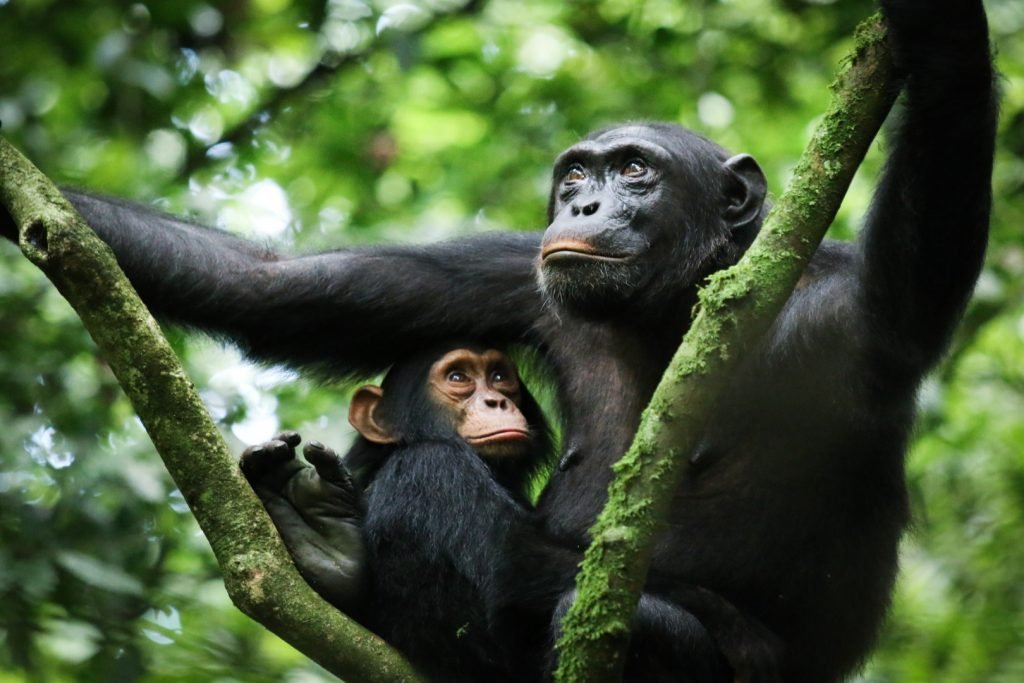
Chimpanzees are famously complex, social, and occasionally unpredictable animals. Chimpanzee Habituation in Uganda gives you the time needed to actually observe that complexity unfold. A single hour rarely captures more than a passing glimpse.
Watching a Full Day Unfold
The experience often begins before sunrise, catching chimps as they wake and leave their overnight nests. From there, you follow them through feeding, traveling, resting, and socializing across the forest canopy and floor. By late afternoon, you may watch the group build fresh nests for the coming night.
This structure mirrors how researchers themselves study chimp communities over time. Rather than a single snapshot, you gain a narrative arc across the day. Many travelers describe this as feeling closer to a wildlife documentary than a typical guided tour.
Weather and chimp movement can reshape the day considerably, and no two visits ever unfold quite the same way. Some groups stay relatively still for long stretches, feeding and resting in one area of the forest. Others range widely, requiring the trekking party to cover significant distance to keep pace.
4. A Quieter, More Exclusive Experience
Group sizes for Chimpanzee Habituation in Uganda are typically smaller than standard chimp treks. Fewer visitors per group means less noise, less disruption, and a calmer atmosphere in the forest. This exclusivity appeals strongly to serious photographers and wildlife enthusiasts.
Fewer Crowds, More Access
Standard trekking permits fill entire timeslots with groups moving quickly to keep on schedule. Habituation groups move at a slower, more deliberate pace dictated by the chimps themselves rather than a fixed itinerary. This unhurried structure creates space for quieter, more considered observation.
Because permits are limited and priced higher than standard trekking, habituation days rarely feel crowded. Even during Uganda’s busier dry seasons, this experience retains a more intimate, low-traffic feel. For travelers who dislike large tour groups, this matters considerably.
The smaller group size also changes the social dynamic among visitors themselves. Spending an entire day together in the forest, rather than a rushed hour, tends to create a more relaxed, communal atmosphere. Travelers frequently mention forming genuine connections with fellow visitors over the course of the day.
5. Meaningful Support for Chimpanzee Conservation
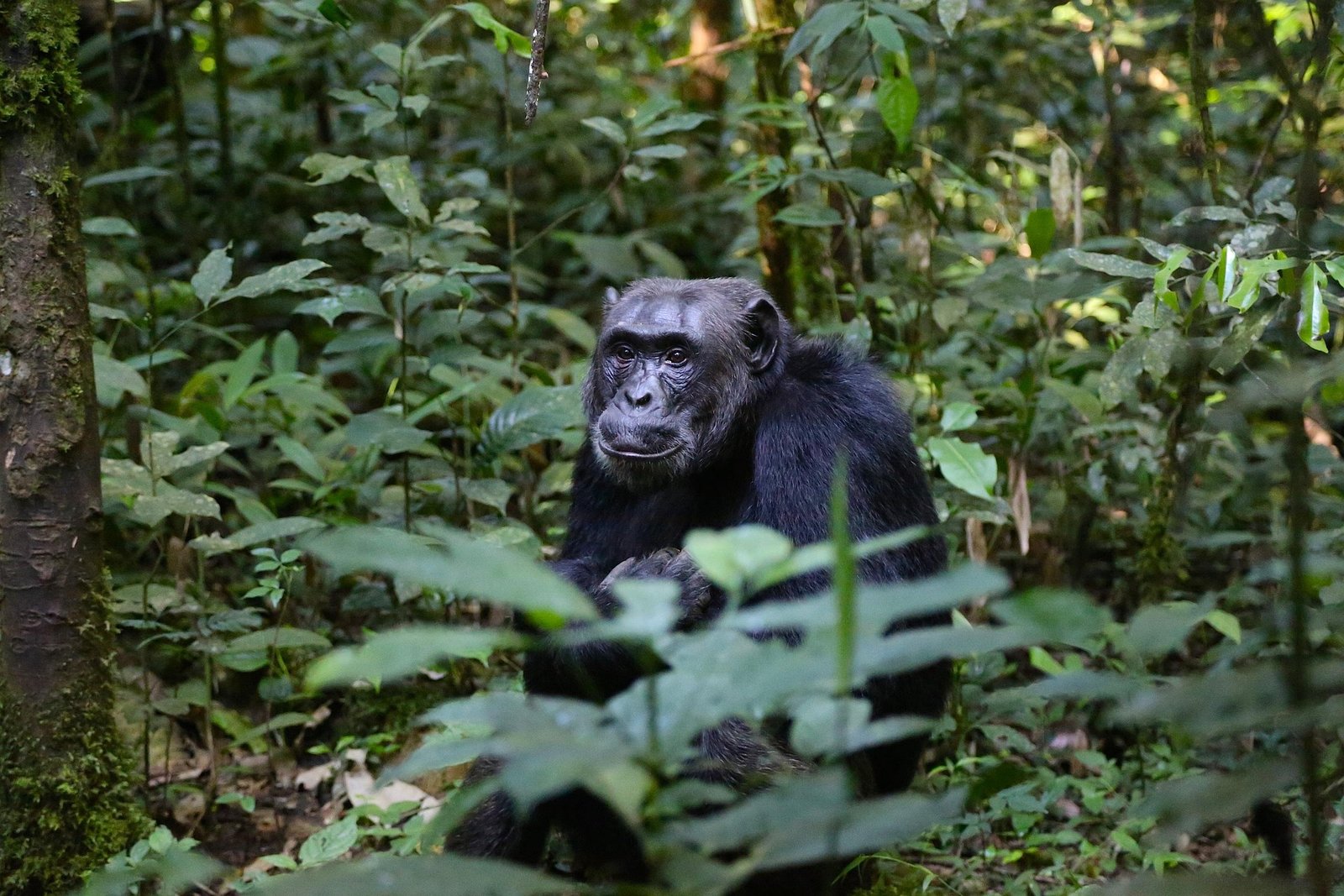
Every permit fee for Chimpanzee Habituation in Uganda contributes directly to ongoing research and forest protection efforts. Habituation itself is a conservation tool, not just a tourism product, since habituated communities become easier to monitor and safeguard long term. Choosing this experience supports work that benefits chimpanzees well beyond your single visit.
Where Your Permit Fee Goes
Revenue from these permits helps fund ranger salaries, ongoing behavioral research and forest patrols against poaching. It also supports community programs surrounding the park, building local incentive to protect the forest. Every visitor becomes a small but real part of that funding chain.
Uganda’s broader conservation strategy increasingly favors these lower-volume, higher-value tourism activities. This model fits neatly into that approach, spreading fewer visitors across more meaningful, longer encounters. Conservation-minded travelers often find this alignment reassuring.
Beyond direct funding, habituated communities themselves gain long-term protection benefits from the process. Once a group becomes accustomed to researcher and ranger presence, monitoring for poaching threats or disease becomes considerably easier.
In this sense, every habituated chimpanzee community becomes better safeguarded simply by being closely observed.
What to Expect on the Day
A typical day starts around six in the morning with a briefing at the park’s visitor center. Groups head into the forest shortly after, tracking overnight movement signs to locate the chosen community. Once found, the extended observation period begins immediately.
Fitness and Practical Preparation
This experience demands more physical stamina than a standard one-hour trek, given the extended hours on foot. Trails can be muddy, steep, and humid, particularly during Uganda’s wetter months. A reasonable baseline of fitness makes the day considerably more enjoyable.
Sturdy hiking boots, insect repellent, and layered clothing are essential for comfort throughout the day. A packed lunch and plenty of water are usually necessary, since the group may remain in the forest well into the afternoon. Porters can be hired for travelers who prefer extra support on the trail.
Rain gear is worth packing regardless of season, since Kibale’s rainforest climate can shift quickly even in drier months. A lightweight, breathable rain jacket works better than heavy waterproofs, given how warm and humid the forest can feel.
Gaiters also help keep mud and biting insects away from lower legs during long stretches on the trail.
Cost and Booking Details
Permits for Chimpanzee Habituation in Uganda in Kibale run around $400 per person, compared to roughly $250 for standard trekking. Kalinzu offers a lower-cost alternative for travelers seeking a similar experience on a tighter budget. Both permit types should be booked well ahead of your travel dates.
Availability is limited, since only a small number of spaces open each day per community. Peak dry season months, from December through February and June through September, sell out fastest. Booking several months in advance is strongly recommended.
Tips for Booking Chimpanzee Habituation in Uganda
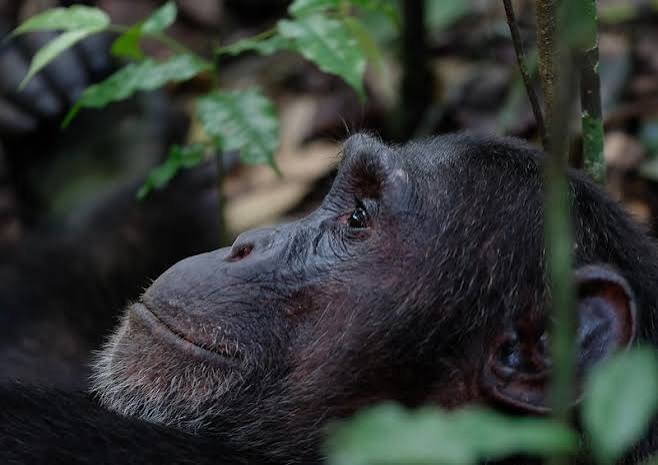
Combine this activity with a broader itinerary through western Uganda for the best overall experience. Kibale sits close to Queen Elizabeth National Park, making it easy to pair chimp habituation with a classic game drive safari. Fort Portal also offers convenient lodging options near the park entrance.
Choosing the Right Season
Uganda’s dry seasons offer the most comfortable trekking conditions, with firmer trails and easier navigation. Wetter months bring lusher scenery but muddier, more demanding terrain underfoot. Either season still offers strong chances of locating the target community.
Pairing With Gorilla Trekking
Many travelers combine this activity with a separate gorilla trekking permit in Bwindi Impenetrable National Park. This pairing creates a complete primate-focused safari, covering both of Uganda’s flagship wildlife experiences. Route planning between the two regions takes some coordination, so build in adequate travel time.
A common itinerary structure places chimp habituation early in the trip, followed by a few days of general game viewing, before finishing with gorilla trekking in the south. This sequencing spreads out physically demanding activities and allows time to recover between them.
Working with an experienced local operator makes coordinating these logistics considerably smoother.
Final Thoughts on Chimpanzee Habituation in Uganda
Chimpanzee Habituation in Uganda offers something standard trekking simply cannot match: real time, real depth, and a genuine window into chimp behavior.
The extended hours, smaller groups, and research-driven structure combine into a rare, memorable wildlife encounter. For travelers who want more than a quick sighting, this experience delivers considerably more.
Whether you choose a full day in Kibale or a shorter session in Kalinzu, the reward is the same sense of genuine immersion. Few wildlife experiences in Africa offer this level of access to one of our closest living relatives. It’s an activity built for travelers who value depth over speed.
Ready to add this experience to your Uganda safari?
Tulambule Uganda Safaris can secure your habituation permit, plan the right season for your trip, and build a seamless itinerary around Kibale and beyond.