Explore Western Uganda on a Safari
If you are searching for an unforgettable African adventure, explore Western Uganda on a safari and discover a region where dramatic landscapes, rich wildlife, tropical forests, mountains, lakes, and vibrant cultures come together. Western Uganda is one of the country’s most rewarding safari destinations, offering experiences that go far beyond traditional game drives.
A Western Uganda safari allows you to experience several remarkable destinations in one journey. You can watch elephants and lions in Queen Elizabeth National Park, track chimpanzees in Kibale Forest, search for mountain gorillas in Bwindi Impenetrable National Park, explore crater lakes around Fort Portal, and admire the spectacular Rwenzori Mountains.
What makes it even more special is the variety of experiences available. When you explore Western Uganda on a safari, every day can bring something different, from wildlife viewing and boat cruises to forest walks, primate encounters, birdwatching, cultural experiences, and mountain adventures.
For travellers who want to experience the natural beauty of Uganda while also connecting with its people and landscapes, a safari in Western Uganda is an excellent choice. The region offers unforgettable experiences for couples, families, solo travellers, photographers, birdwatchers, and adventure seekers.
Why Explore Western Uganda on a Safari?
There are many reasons to explore Western Uganda on a safari, but perhaps the biggest is the incredible variety found within a relatively compact region. Western Uganda combines savannah ecosystems, tropical rainforests, wetlands, freshwater lakes, rolling hills, volcanic landscapes, and high mountains.
Unlike a safari that focuses only on wildlife viewing, a Western Uganda safari allows you to experience Uganda from several perspectives. You can spend one morning watching wildlife on the open plains and the next day walking beneath a thick rainforest canopy in search of chimpanzees.
Western Uganda is also home to some of the country’s most famous protected areas. Queen Elizabeth National Park is known for its diverse wildlife and the spectacular Kazinga Channel, while Kibale National Park is famous for chimpanzee tracking and its exceptional primate diversity.
For many visitors, the opportunity to see mountain gorillas is the greatest attraction. Bwindi Impenetrable National Park provides one of the world’s most memorable wildlife encounters, allowing visitors to spend time observing habituated mountain gorilla families in their natural forest environment.
Queen Elizabeth National Park.
When you explore Western Uganda on a safari, Queen Elizabeth National Park is one destination you should not miss. The park is one of Uganda’s most popular wildlife destinations and offers a beautiful combination of savannah plains, forests, wetlands, lakes, and wildlife-rich areas.
A game drive through Queen Elizabeth National Park can introduce you to elephants, buffaloes, Uganda kobs, warthogs, waterbucks, hippos, and several antelope species. With patience and a little luck, you may also encounter lions and leopards.
The Kasenyi Plains are particularly popular for game drives because of their open landscapes and wildlife viewing opportunities. Early morning drives can be especially rewarding because many animals are active before temperatures become hotter during the day.
One of the defining experiences of a Western Uganda safari is the Kazinga Channel boat cruise. The channel connects Lake Edward and Lake George and attracts large numbers of hippos, buffaloes, elephants, crocodiles, and water birds.
A boat cruise gives you a different perspective from a game drive. Instead of following wildlife across the savannah, you watch animals gathering around the water from a comfortable boat. It is also an excellent opportunity for photography and birdwatching.
Chimpanzee Tracking in Kibale National Park
If primates are among your favourite animals, make Kibale National Park a priority when you explore Western Uganda on a safari. Kibale is famous for its chimpanzees and offers one of the most exciting primate experiences in Uganda.
Chimpanzee tracking is very different from a conventional game drive. You leave the vehicle behind and enter the forest on foot with trained guides and trackers. The forest is alive with sounds, movement, and vegetation, creating an exciting atmosphere as you search for chimpanzee communities.
Once the chimpanzees are located, you can observe their behaviour from a respectful distance. They may be feeding, climbing trees, grooming one another, calling, playing, or moving through the forest canopy.
The experience becomes even more interesting when you begin recognising individual behaviours within the group. Chimpanzees are highly social animals, and watching their interactions provides an insight into the complex lives of our closest living relatives.
Kibale is not only about chimpanzees. The forest is also home to several other primates, including red-tailed monkeys, blue monkeys, and black-and-white colobus monkeys. Birdwatchers can also enjoy the impressive variety of forest birds.
Gorilla Trekking in Bwindi Impenetrable National Park
For many travellers, the most unforgettable reason to explore Western Uganda on a safari is gorilla trekking. Bwindi Impenetrable National Park is internationally recognised for its mountain gorillas and offers an extraordinary opportunity to see these endangered primates in their natural habitat.
The trek takes you into a dense rainforest where trails can be steep, muddy, and physically demanding. The walking time varies because gorillas move through the forest and their location changes from day to day.
The challenge is part of the adventure. As you walk through Bwindi’s ancient forest, you experience the sounds, vegetation, birds, insects, and changing terrain before finally reaching the gorilla family.
The moment you encounter the gorillas can be incredibly powerful. A silverback may sit quietly nearby while younger gorillas play, mothers care for their infants, and other members of the group feed or rest.
Gorilla trekking also contributes to conservation. Tourism creates revenue that supports protected areas and provides employment and economic opportunities for communities living around Bwindi. This makes a Western Uganda safari not only an adventure but also a way of supporting wildlife conservation and local livelihoods.
Explore Fort Portal and Western Uganda’s Crater Lakes
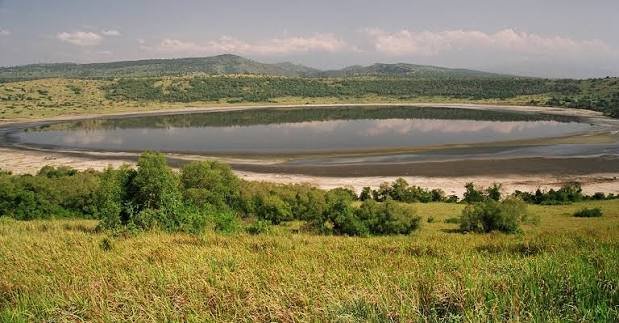
A complete journey to explore Western Uganda on a safari should include time to appreciate the scenery around Fort Portal. The area is famous for its green hills, tea plantations, crater lakes, forests, and beautiful countryside.
The crater lakes are particularly impressive. Their calm waters, surrounding vegetation, and rolling landscapes create excellent opportunities for photography and relaxation.
Travelling around Fort Portal also provides a chance to experience a quieter side of Uganda. Instead of focusing entirely on wildlife, you can enjoy scenic drives, nature walks, cultural experiences, local communities, and agricultural landscapes.
The area can also be incorporated into a broader Western Uganda safari connecting Kibale National Park with other destinations. This makes Fort Portal a useful stop for travellers who want to combine wildlife with scenery and cultural experiences.
Discover the Rwenzori Mountains
Adventure travellers have another excellent reason to explore Western Uganda on a safari: the spectacular Rwenzori Mountains. Known as the Mountains of the Moon, the Rwenzori range offers some of the most dramatic mountain scenery in Uganda.
The Rwenzori Mountains provide opportunities for both serious trekkers and visitors who simply want to enjoy the surrounding landscapes. Longer mountain expeditions pass through different vegetation zones and reveal increasingly dramatic scenery.
Depending on the route, trekkers may encounter montane forests, bamboo zones, giant lobelias, heather landscapes, valleys, rivers, and high-altitude environments.
Adding the Rwenzori Mountains to your Western Uganda safari is particularly appealing if you want to combine wildlife and adventure. You can spend several days enjoying wildlife and primates before changing the pace completely with a mountain experience.
Semuliki National Park: A Hidden Gem
Another destination worth considering when you explore Western Uganda on a safari is Semuliki National Park. Located within the Albertine Rift region, the park has a distinctive lowland tropical forest environment and supports a fascinating mixture of wildlife and plant species.
One of Semuliki’s best-known attractions is the Sempaya Hot Springs. The geothermal springs provide an interesting natural experience and can be combined with guided walks through the surrounding forest.
Semuliki is also an excellent destination for birdwatchers. Its forest habitats support a wide variety of bird species, including species associated with the Albertine Rift and Central African ecosystems.
For travellers looking for a less conventional Western Uganda safari, Semuliki offers something different. The forest atmosphere, hot springs, birdlife, and scenery provide an interesting contrast to the open savannah of Queen Elizabeth National Park.
Wildlife to See on a Western Uganda Safari
One of the greatest advantages of choosing to explore Western Uganda on a safari is the wide variety of wildlife experiences available. Different destinations offer completely different ecosystems and species.
Queen Elizabeth National Park provides opportunities to see elephants, buffaloes, hippos, Uganda kobs, waterbucks, warthogs, and various antelope species. Lions and leopards may also be encountered during game drives.
Kibale National Park shifts the focus toward primates, with chimpanzees being the main attraction. Other monkeys add even more diversity to the forest experience.
Bwindi offers the extraordinary opportunity to encounter mountain gorillas, while Semuliki adds forest wildlife and birding to your itinerary. The Rwenzori region, meanwhile, provides an entirely different experience based around mountain landscapes and high-altitude ecosystems.
This diversity makes a Western Uganda safari suitable for travellers with very different interests. You do not have to choose between wildlife, primates, birds, scenery, and adventure because the region allows you to combine them.
Birdwatching When You Explore Western Uganda
Western Uganda is an excellent destination for birdwatching because of its mixture of forests, wetlands, lakes, mountains, and savannah habitats. Each environment attracts different bird species.
Queen Elizabeth National Park provides excellent opportunities around its wetlands, lakes, and the Kazinga Channel. The forest environments of Kibale and Bwindi add another dimension, with numerous forest species found in the dense vegetation.
If birdwatching is an important part of your Western Uganda safari, carry binoculars and a good bird identification guide. A knowledgeable local birding guide can make a significant difference because many forest birds are easier to identify through their calls than through quick sightings.
Early mornings are generally excellent for birding. The temperatures are comfortable, bird activity is high, and the natural sounds of the forest or savannah create a memorable atmosphere.
Experience the Culture of Western Uganda
A journey to explore Western Uganda on a safari should not focus entirely on wildlife. The people and cultures of the region are an important part of the experience.Depending on your destination, cultural activities can include traditional dances, storytelling, craft demonstrations, community walks, local food experiences, and visits to cultural sites.
Around Bwindi, visitors can participate in organised cultural experiences that provide insight into the Batwa people’s historical relationship with the forest. Other communities across Western Uganda offer opportunities to learn about farming, crafts, music, food, and traditional lifestyles.
Cultural tourism can make your Western Uganda safari more meaningful because it allows you to see the region through the eyes of the people who live there. It also creates opportunities for local communities to benefit directly from tourism.
Always approach cultural experiences respectfully. Ask permission before taking photographs, listen to your guides, and support locally owned businesses whenever possible.
Best Time to Explore Western Uganda on a Safari
The best time to explore Western Uganda on a safari depends on the experiences you want to enjoy. Uganda is a year-round destination, although weather conditions can influence trekking, road conditions, and wildlife viewing.
The relatively drier periods are often preferred for gorilla trekking, chimpanzee tracking, and game drives because trails and roads can be easier to navigate. However, rain can occur at any time, particularly in rainforest destinations such as Bwindi and Kibale.
The wetter periods also have advantages. The landscapes become lush and green, bird activity can be rewarding, and some destinations may feel quieter.
Instead of focusing only on weather, consider your main safari goals. If your priority is gorilla trekking, chimpanzee tracking, or wildlife photography, your tour operator can help you select suitable travel dates and build an itinerary around your interests.
What to Pack for a Western Uganda Safari
Packing properly can make your Western Uganda safari much more comfortable. Because the region includes forests, savannah, mountains, and lakes, you should prepare for different environments.
Lightweight clothing is useful for warm days, while long trousers and long-sleeved shirts are practical for forest activities. Comfortable walking shoes are essential, particularly if chimpanzee tracking or gorilla trekking is included in your itinerary.
A waterproof jacket is highly recommended because forest areas can receive sudden rainfall. A small backpack is useful for carrying water, snacks, a camera, and personal items during walks.
Other useful items include binoculars, sunscreen, insect repellent, a hat, sunglasses, a reusable water bottle, extra camera batteries, a power bank, and a good bird or wildlife guidebook.
Accommodation for Your Western Uganda Safari
Western Uganda offers accommodation options for different budgets and travel styles. You can find luxury safari lodges, mid-range accommodation, comfortable guesthouses, and budget-friendly camps.
When planning your Western Uganda safari, location should be one of the most important factors when selecting accommodation. Staying near the activity you plan to undertake can reduce unnecessary driving and give you more time to enjoy the destination.
Around Queen Elizabeth National Park, you can choose accommodation near the park’s main wildlife-viewing areas and the Kazinga Channel. In Kibale, staying close to the forest can make chimpanzee tracking more convenient.
For gorilla trekking, the location of your lodge is particularly important because different trekking sectors have different access points. Choosing accommodation close to your assigned trekking sector can make the morning of your trek much easier.
A Sample Western Uganda Safari Itinerary
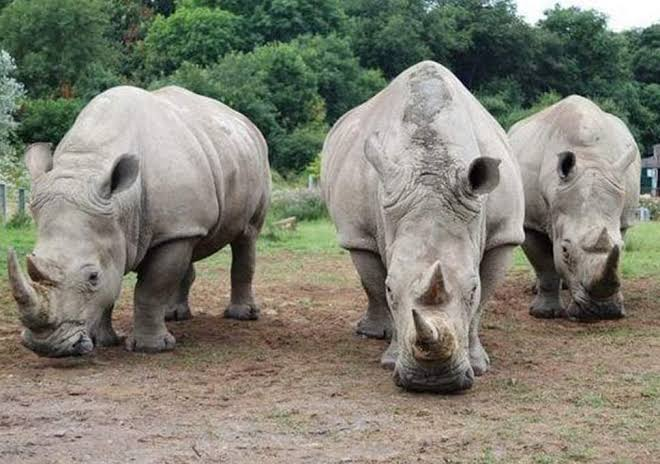
Day 1: Entebbe/Kampala → Ziwa Rhino Sanctuary → Murchison Falls – Rhino tracking and transfer to the park.
Day 2: Murchison Falls – Morning game drive and Nile boat cruise.
Day 3: Murchison Falls → Fort Portal – Top of the Falls and scenic transfer.
Day 4: Fort Portal – Crater lakes and Amabere Caves.
Day 5: Semuliki National Park – Forest walk, birding and Sempaya Hot Springs.
Day 6: Semuliki → Kibale National Park – Transfer and forest experience.
Day 7: Kibale – Chimpanzee tracking.
Day 8: Bigodi Wetland → Rwenzori – Nature walk and community experience.
Day 9: Rwenzori Mountains – Hiking and mountain exploration.
Day 10: Rwenzori → Queen Elizabeth National Park – Scenic transfer and game drive.
Day 11: Queen Elizabeth – Game drive and wildlife viewing.
Day 12: Kazinga Channel & Kyambura Gorge – Boat cruise and forest/chimpanzee experience.
Day 13: Ishasha → Bwindi – Search for tree-climbing lions and continue to Bwindi.
Day 14: Bwindi Impenetrable National Park – Mountain gorilla trekking.
Day 15: Bwindi → Mgahinga Gorilla National Park – Transfer and volcanic scenery.
Day 16: Mgahinga – Golden monkey tracking or mountain hiking.
Day 17: Mgahinga → Lake Bunyonyi – Scenic transfer and relaxation.
Day 18: Lake Bunyonyi – Canoeing, island visits and birdwatching.
Day 19: Lake Bunyonyi → Igongo Cultural Centre – Explore Ankole culture and heritage.
Day 20: Igongo → Lake Mburo National Park – Transfer and evening game drive.
Day 21: Lake Mburo – Game drive, walking safari, cycling or boat cruise.
Tips for an Unforgettable Western Uganda Safari
To make the most of your decision to explore Western Uganda on a safari, give yourself enough time at each destination. Trying to visit too many places in a short period can make the journey tiring.
Choose activities based on your interests. Wildlife lovers can spend more time in Queen Elizabeth National Park, while primate enthusiasts can prioritise Kibale and Bwindi.
A professional local guide can also transform your experience. Guides understand animal behaviour, local history, conservation, roads, trails, and cultural attractions. Their knowledge often helps visitors notice things they would otherwise miss.
Remember that a safari is not about ticking animals off a list. Some of the best moments may come from unexpected encounters, beautiful landscapes, fascinating conversations with local people, or simply sitting quietly and listening to the sounds of the African wilderness.
Why You Should Explore Western Uganda on a Safari
There is something incredibly special about exploring Western Uganda on a safari. The region brings together some of Uganda’s most remarkable wildlife experiences and most beautiful landscapes.
You can watch elephants crossing the savannah in Queen Elizabeth National Park, cruise past hippos along the Kazinga Channel, follow chimpanzees through Kibale Forest, and trek through Bwindi in search of mountain gorillas.
Beyond wildlife, you can explore crater lakes around Fort Portal, admire the Rwenzori Mountains, discover the hot springs of Semuliki, meet local communities, enjoy birdwatching, and experience the everyday beauty of rural Uganda.
A Western Uganda safari is therefore much more than a traditional wildlife holiday. It is a journey through forests, mountains, lakes, savannahs, cultures, and communities that together reveal why Uganda is known as the Pearl of Africa.
Whether you are planning a luxury safari, a budget adventure, a family holiday, a honeymoon, a photography trip, or a once-in-a-lifetime gorilla trekking experience, Western Uganda offers an incredible range of possibilities.
Plan Your Western Uganda Safari Today
If you are ready to explore Western Uganda on a safari, the best approach is to build your journey around the experiences you value most. Gorilla trekking, chimpanzee tracking, game drives, boat cruises, birdwatching, mountain hiking, crater-lake exploration, and cultural experiences can all be combined into one unforgettable adventure.
A carefully planned Western Uganda safari allows you to enjoy the region without spending too much time travelling between destinations. Your accommodation, activities, transport, trekking permits, and park visits should all work together to create a comfortable and enjoyable journey.
Western Uganda is waiting to be explored, from the wildlife-rich plains of Queen Elizabeth National Park to the ancient forests of Kibale and Bwindi and the spectacular mountains of the Rwenzori range.
Contact us today and let us help you explore Western Uganda on a safari filled with wildlife, adventure, culture, breathtaking scenery, and unforgettable memories.