7 Life-Changing Reasons to Go
Gorilla Trekking in Uganda delivers a life-changing encounter with mountain gorillas through lush rain forest hikes and unforgettable wildlife moments in Bwindi.
Few experiences on Earth compare to standing quietly a few meters from a wild mountain gorilla. Gorilla Trekking in Uganda delivers exactly that moment, set against dense rain forest and misty volcanic hillsides. It is an encounter that stays with travelers long after they return home.
This guide explores seven reasons why the experience feels genuinely life-changing. We also cover the practical details, from permit costs to physical preparation. By the end, you will understand exactly why Gorilla Trekking in Uganda ranks among Africa’s most rewarding adventures.
Why Gorilla Trekking in Uganda Feels Different
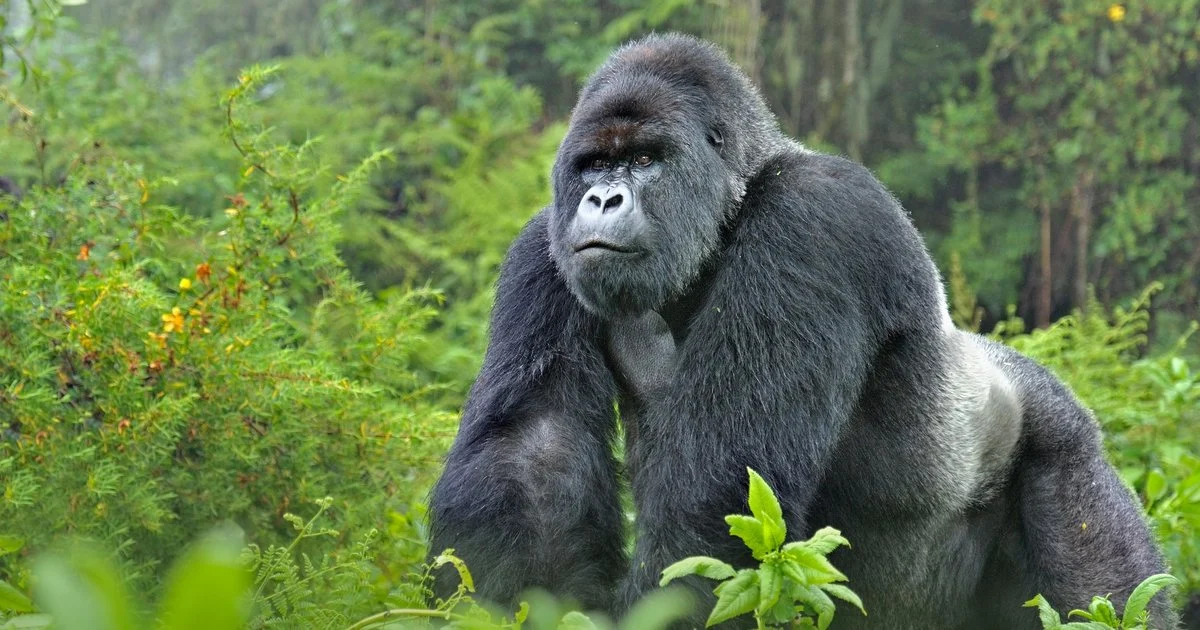
Uganda is home to roughly half of the world’s remaining mountain gorillas. Bwindi Impenetrable National Park alone shelters more than a dozen habituated families, spread across four distinct trekking sectors. This concentration makes Gorilla Trekking in Uganda one of the most reliable ways to encounter these animals anywhere on the continent.
The setting itself sets Uganda apart from other gorilla destinations. Bwindi’s name translates loosely to “impenetrable,” a fitting description of its ancient, tangled rainforest. Every trek here unfolds through genuinely wild terrain rather than a manicured park experience.
Cost also plays a meaningful role in Uganda’s appeal. A standard permit runs roughly $800 per person, notably less than neighboring Rwanda’s equivalent offering. This makes Gorilla Trekking in Uganda a more accessible entry point for travelers weighing both destinations.
Gorilla Trekking in Uganda: Key Facts Before You Go
Treks take place in two locations: Bwindi Impenetrable National Park and the smaller Mgahinga Gorilla National Park. Bwindi hosts the vast majority of habituated families and remains the primary destination for most visitors. Mgahinga offers a quieter alternative for travelers seeking fewer crowds.
Permits are issued by the Uganda Wildlife Authority and required for every visitor. Standard treks cost around $800 per person and include one hour with a habituated gorilla family. A limited number of gorilla habituation permits, priced higher, allow up to four hours alongside gorillas still adjusting to human presence.
Group sizes are capped at eight visitors per gorilla family, keeping each encounter intimate. Trekkers must be at least fifteen years old, a rule designed to protect both visitors and gorillas alike. Rangers and trackers accompany every group throughout the hike.
7 Life-Changing Reasons for Gorilla Trekking in Uganda
Below are seven reasons travelers consistently describe this experience as unforgettable. Each reason touches a different part of what makes the encounter so powerful. Together, they explain why so many visitors call it the highlight of their entire trip.
Reason One: Meeting Gorillas Face to Face During Gorilla Trekking in Uganda
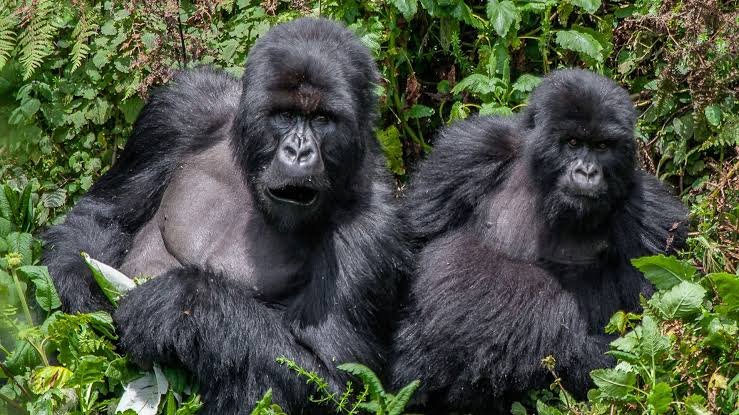
Nothing quite prepares visitors for the first direct eye contact with a wild silverback. The sheer size and calm presence of these animals often leaves trekkers speechless. This single moment is, for most visitors, the entire reason they pursued Gorilla Trekking in Uganda in the first place.
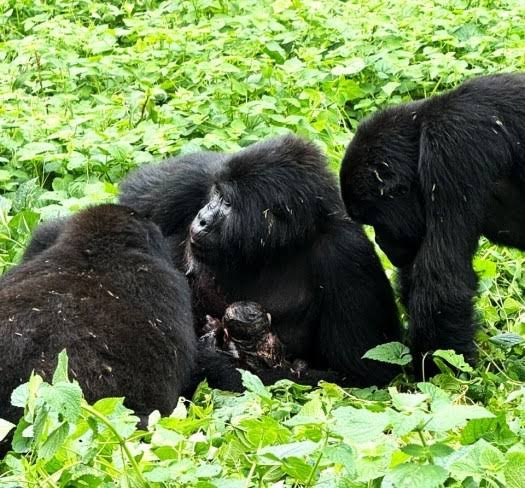
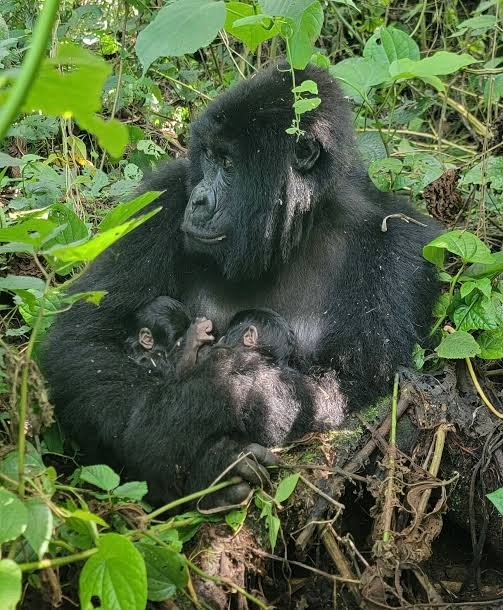
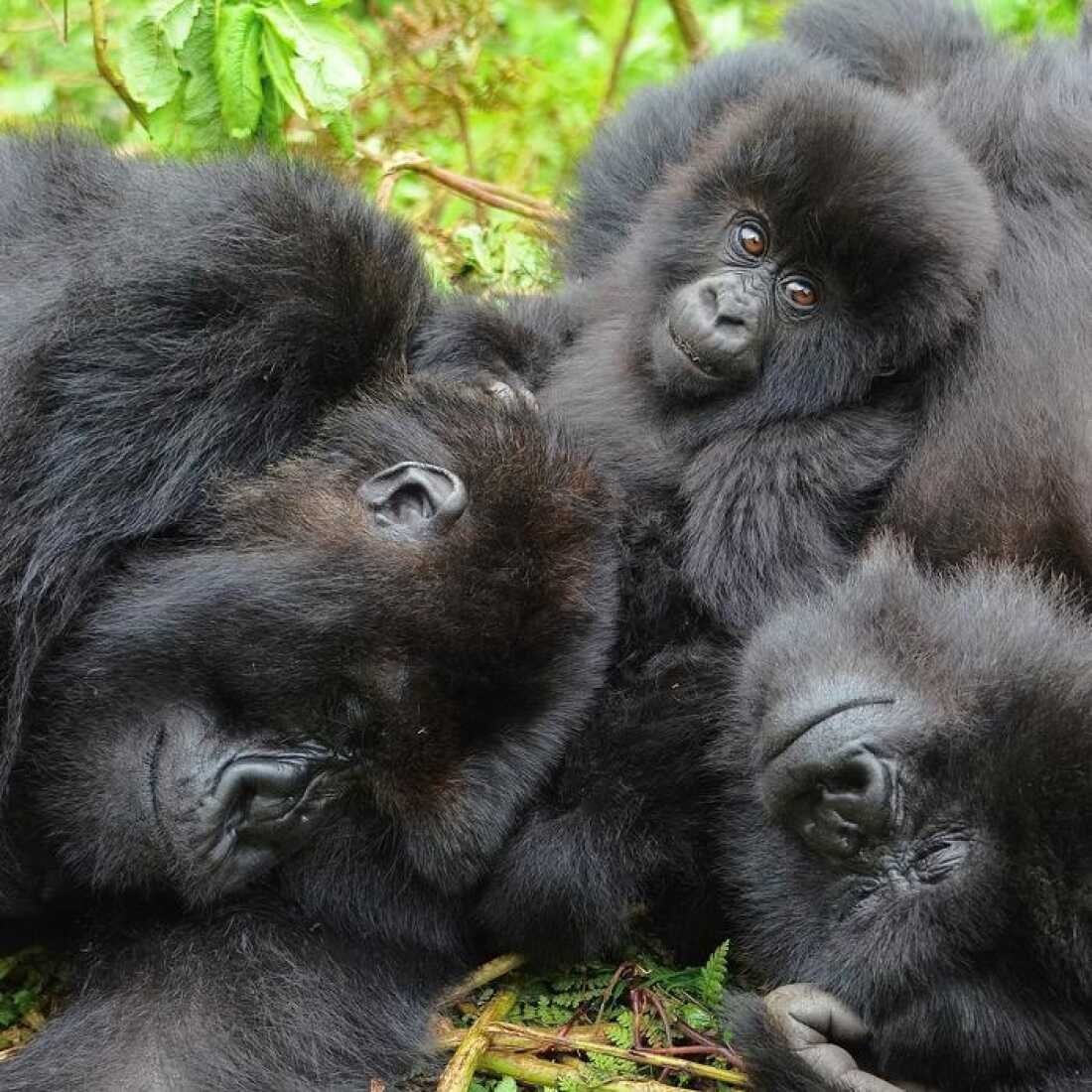
Watching a gorilla family interact up close reveals behavior rarely visible anywhere else. Young gorillas play and tumble while adults forage calmly nearby, seemingly indifferent to human observers. This intimate access is precisely what habituation makes possible, and it is unlike watching any other wild animal on the continent.
Reason Two: The Physical Challenge of Gorilla Trekking in Uganda
Trails through Bwindi can be steep, muddy, and physically demanding depending on where the gorilla family is located that day. Hikes can last anywhere from one to eight hours round trip. Completing the trek and reaching the gorillas afterward creates a genuine sense of earned accomplishment.
This challenge is part of what makes Gorilla Trekking in Uganda feel different from more passive wildlife viewing. Visitors are not simply driven to a sighting from a vehicle window. They physically work for the encounter, which many say deepens their appreciation of the moment itself.
Reason Three: Gorilla Trekking in Uganda Supports Conservation
Mountain gorillas remain critically endangered, with only around 1,000 individuals left in the wild. Permit revenue directly funds ranger patrols, anti-poaching efforts, and habitat protection across Bwindi and Mgahinga.
Every visitor taking part in Gorilla Trekking in Uganda contributes directly to keeping this population stable and growing.
This funding model has helped mountain gorillas become one of the few great ape populations increasing rather than declining. Tourism revenue gives local communities and park authorities a powerful incentive to protect the forest. Few wildlife experiences anywhere offer such a direct, measurable link between a ticket price and conservation outcomes.
Reason Four: Gorilla Trekking in Uganda Uplifts Local Communities
A portion of every permit fee supports community development projects around the park boundary. Schools, health clinics, and local infrastructure have benefited from this revenue-sharing model over the years. Choosing Gorilla Trekking in Uganda means directly supporting the people who share the landscape with these animals.
Local porters, guides, and lodge staff also depend heavily on this tourism revenue. Hiring a porter, even for visitors who feel physically capable, channels income directly into the surrounding community. Many travelers describe this economic connection as an unexpectedly meaningful part of their trip.
Reason Five: Gorilla Trekking in Uganda Rewards You With the Rainforest Itself
Bwindi’s rainforest predates much of the surrounding landscape, filled with ancient hardwoods, ferns, and tangled undergrowth. Birdlife and smaller primates fill the canopy overhead throughout the hike. Even before reaching the gorillas, the walk itself offers a rich, immersive rainforest experience.
This layered reward is easy to overlook when planning around a single goal. Gorilla Trekking in Uganda delivers far more than the hour spent with the gorilla family. The forest surrounding that encounter is a destination worth appreciating in its own right.
Reason Six: Gorilla Trekking in Uganda Offers Rare Presence and Perspective
Standing near a wild gorilla family tends to sharpen a visitor’s sense of the present moment. Phones stay tucked away, conversations quiet down, and attention narrows entirely to what is happening a few meters away. Few modern experiences demand this kind of full, undistracted presence.
Many travelers describe a lasting shift in perspective after their trek concludes. Witnessing such a powerful, endangered species up close often reframes how visitors think about conservation and their own environmental footprint. This reflective quality is part of why Gorilla Trekking in Uganda resonates so deeply with so many people.
Reason Seven: Gorilla Trekking in Uganda Gives You a Story for Life
Few travel experiences generate the kind of vivid, lasting memories that gorilla encounters do. Visitors routinely describe details years later with striking clarity, from a young gorilla’s curious glance to the sound of the forest around them. This lasting impression is part of what elevates the experience beyond typical sightseeing.
Sharing this story afterward often inspires others to consider the same journey. Word of mouth remains one of the strongest reasons travelers first learn about Gorilla Trekking in Uganda. Few wildlife encounters carry this kind of lasting, shareable impact.
What to Expect on a Gorilla Trekking in Uganda Day
Trekking days typically begin with an early morning briefing at the park headquarters. Rangers assign visitors to specific gorilla families based on fitness level and preference. Groups then set out into the forest, sometimes walking for just an hour and sometimes considerably longer.
Once trackers locate the assigned gorilla family, visitors are given exactly sixty minutes in their presence. Guides explain behavior throughout, translating calls and movements for visitors unfamiliar with gorilla communication. Photography is permitted, though flash photography is strictly prohibited to avoid startling the animals.
The return hike follows immediately after the hour concludes. Many trekkers describe this walk back as reflective, still processing what they just witnessed. A certificate is typically issued afterward, commemorating the completed trek.
Best Time for Gorilla Trekking in Uganda
Treks run year-round, since gorilla families remain in the forest regardless of season. The driest months, from June through September and December through February, offer the easiest trail conditions. Wetter months bring muddier terrain but noticeably fewer crowds along the trails.
Some travelers specifically target April, May, and November, when discounted low-season permits become available. These reduced rates can make Gorilla Trekking in Uganda considerably more affordable for flexible travelers. The tradeoff is wetter conditions and, in some cases, non-refundable or non-reschedulable permit terms.
Booking well in advance remains essential regardless of season. Only a limited number of permits are issued each day across both parks. Popular sectors and peak months can sell out many months ahead of the actual trek date.
How to Prepare for Gorilla Trekking in Uganda
Physical preparation matters more here than for most wildlife activities. Regular walking or hiking in the months beforehand makes a noticeable difference on steep, muddy terrain. Trekkers of nearly any age can complete the hike, provided they arrive reasonably fit.
Proper gear significantly improves comfort throughout the day. Waterproof hiking boots, long trousers, gardening gloves, and a light rain jacket handle Bwindi’s dense, thorny undergrowth well. A wide-brimmed hat and insect repellent round out the essential packing list.
Hiring a porter is strongly recommended, even for visitors who feel capable of carrying their own gear. Porters assist with balance on difficult sections and carry cameras, water, and snacks throughout the hike. This small additional cost also channels meaningful income directly into the local community.
Gorilla Trekking in Uganda vs Rwanda: Which to Choose
Both countries offer excellent, well-managed gorilla trekking programs through healthy, growing gorilla populations. Rwanda’s permits cost considerably more, currently priced well above Uganda’s standard rate. Uganda’s lower cost makes it an attractive option for travelers balancing budget against experience quality.
Uganda also offers considerably more habituated families and trekking sectors than Rwanda’s single park. This wider distribution tends to reduce crowding at any individual trailhead. Visitors combining gorilla trekking with a broader wildlife safari often find Uganda’s itinerary options more flexible as a result.
Terrain and difficulty remain broadly similar between the two countries. Both involve steep, sometimes muddy rainforest hiking through genuinely wild habitat. The choice ultimately comes down to budget, itinerary flexibility, and how each destination fits into a wider travel plan.
Where to Stay Near Bwindi and Mgahinga
Accommodation options around Bwindi range from simple community campsites to high-end luxury lodges. Most trekkers choose a base near their assigned sector the night before, since early morning briefings require a punctual arrival. Bwindi has four main trekking sectors, so lodge choice often depends on which sector a permit assigns.
Mid-range lodges typically offer comfortable en-suite rooms with hot water and generator-backed electricity. These properties strike a practical balance between comfort and cost for most travelers. Many include home-cooked meals and a cozy lounge for relaxing after a long day on the trail.
Higher-end lodges add extras like guided nature walks, spa treatments, and panoramic dining decks overlooking the forest canopy. These properties suit travelers looking to extend their stay with additional relaxation. Booking early remains important here too, since the best-located lodges near each sector fill quickly during peak trekking months.
Combining Gorilla Trekking in Uganda with a Wider Safari
Many visitors extend their trip well beyond the single trekking day. Queen Elizabeth National Park sits within a reasonable drive from Bwindi, offering excellent game viewing and boat cruises along the Kazinga Channel. Combining both destinations creates a well-rounded itinerary covering forest and savannah habitats alike.
Kibale National Park, known for chimpanzee tracking, also pairs naturally with a Bwindi-based trip. Visitors interested in primates often combine gorilla trekking with a chimpanzee tracking permit for a fuller comparison between the two species. This pairing has become one of Uganda’s most popular multi-day safari combinations.
Cultural encounters add further depth for travelers with extra time. Batwa community walks near Bwindi offer insight into the forest’s original inhabitants and their traditional way of life. These visits provide valuable context for the landscape’s human history alongside its remarkable wildlife.
What Makes Uganda’s Gorilla Families Unique
Each habituated gorilla family has its own distinct personality and social dynamic. Some families include multiple silverbacks living cooperatively, while others are led by a single dominant male. Rangers assign trekkers to specific families based on fitness level, though every group offers a genuinely memorable encounter.
Habituation itself is a slow, careful process, often taking two to three years before a family becomes comfortable with regular human visits. Trackers visit potential families daily during this period, gradually building trust without disrupting natural behavior. This patient process is part of why encounters remain calm and low-stress for the gorillas themselves.
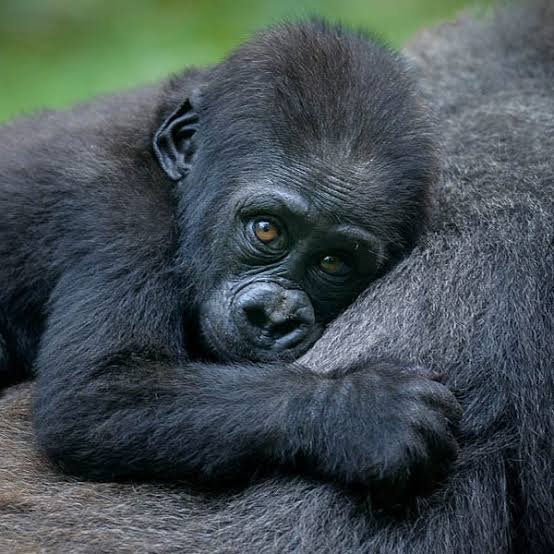
Younger gorillas within each family often provide some of the most entertaining moments of any trek. Playful youngsters tumble, wrestle and occasionally approach visitors with open curiosity. Watching this interaction firsthand is frequently cited as a trip highlight distinct from the adult gorillas’ more composed presence.
A Note on Trek Difficulty and Fitness
Trek difficulty depends heavily on where the assigned gorilla family happens to be that morning. Some families stay relatively close to the trailhead, producing a manageable one- to two-hour hike. Others range deeper into the forest, occasionally requiring a full day of steep, demanding walking.
Rangers do their best to match visitors with a suitable family based on stated fitness levels during the morning briefing. Being honest about physical ability at this stage helps avoid an unnecessarily difficult assignment.
Trekkers with mobility concerns can also request sedan-chair assistance, carried by a team of local porters, for a fee arranged in advance.
Altitude adds a further consideration for some visitors. Bwindi’s terrain rises and falls considerably across its ridges and valleys, and thinner air at higher elevations can affect stamina. Staying well hydrated and pacing the climb steadily makes a meaningful difference over the course of a longer trek.
Frequently Asked Questions
How physically demanding is Gorilla Trekking in Uganda?
Difficulty varies considerably depending on where the gorilla family is located that day. Treks can range from a gentle hour-long walk to a demanding full-day hike over steep terrain.
Is the encounter guaranteed once I book a permit?
Sightings are extremely likely but never entirely guaranteed, since gorillas remain wild animals. Success rates are consistently reported above 95 percent across both parks.
What is the minimum age for gorilla trekking?
Visitors must be at least fifteen years old to participate. This age restriction protects both the gorillas and younger visitors from unnecessary risk.
How far in advance should I book my permit?
Three to six months ahead is generally sufficient for most travel dates. Peak season months, along with December and the New Year period, often require booking six to twelve months in advance.
Final Thoughts on Gorilla Trekking in Uganda
Few wildlife experiences anywhere combine adventure, conservation impact, and genuine emotional resonance quite like this one. The physical challenge, the rain forest setting, and the encounter itself all contribute to something far larger than a simple wildlife sighting.
It is easy to understand why so many travelers describe it as the most meaningful moment of their entire journey.
Whether motivated by conservation, adventure, or simple curiosity, the reasons above capture why this experience resonates so widely. Gorilla Trekking in Uganda rewards preparation, patience, and an open sense of wonder in equal measure. Few destinations anywhere deliver quite this much meaning from a single hour spent in the forest.
Book Your Gorilla Trekking in Uganda Adventure with Tulambule Uganda Safaris
Ready to stand face to face with a wild mountain gorilla family?
Tulambule Uganda Safaris can secure your permits, arrange expert guiding and build a complete itinerary around your travel dates. Reach out today and let Tulambule Uganda Safaris turn this guide into your next life-changing adventure.