Uganda has no shortage of bucket list experiences, from gorilla trekking in Bwindi to white water rafting in Jinja, but tucked into the country’s remote northeastern corner is a region that most travelers never even consider. A Karamoja Cultural Safari takes you somewhere genuinely different, into a landscape of golden savannah, volcanic mountains, and cattle herding communities that have held onto their traditions with a stubbornness few places in East Africa can match.
Uganda is the Pearl of Africa, Karamoja is the rough, unpolished stone still waiting to be discovered, and that is exactly why a Karamoja Cultural Safari deserves serious consideration for travelers who want to see something beyond the well trodden safari circuit. This is not a region built around comfort or convenience. It rewards travelers who are willing to trade a little polish for something rarer: a landscape and a people that have not been reshaped to fit anyone’s expectations of what an African safari should look like.
What Is a Karamoja Cultural Safari

A Karamoja Cultural Safari is a journey into the Karamoja sub-region, a vast semi-arid plateau in northeastern Uganda bordered by South Sudan to the north and Kenya to the east. Covering an area of roughly 27,500 square kilometres and spread across nine districts, Karamoja is Uganda’s least visited region, and that scarcity of tourists is precisely what makes it so compelling. Where most Uganda safaris focus on wildlife and forest primates, a Karamoja Cultural Safari centers on people, tradition, and a landscape unlike anywhere else in the country: wide open plains, scattered volcanic peaks, and horizons that stretch further than almost anywhere else in East Africa.
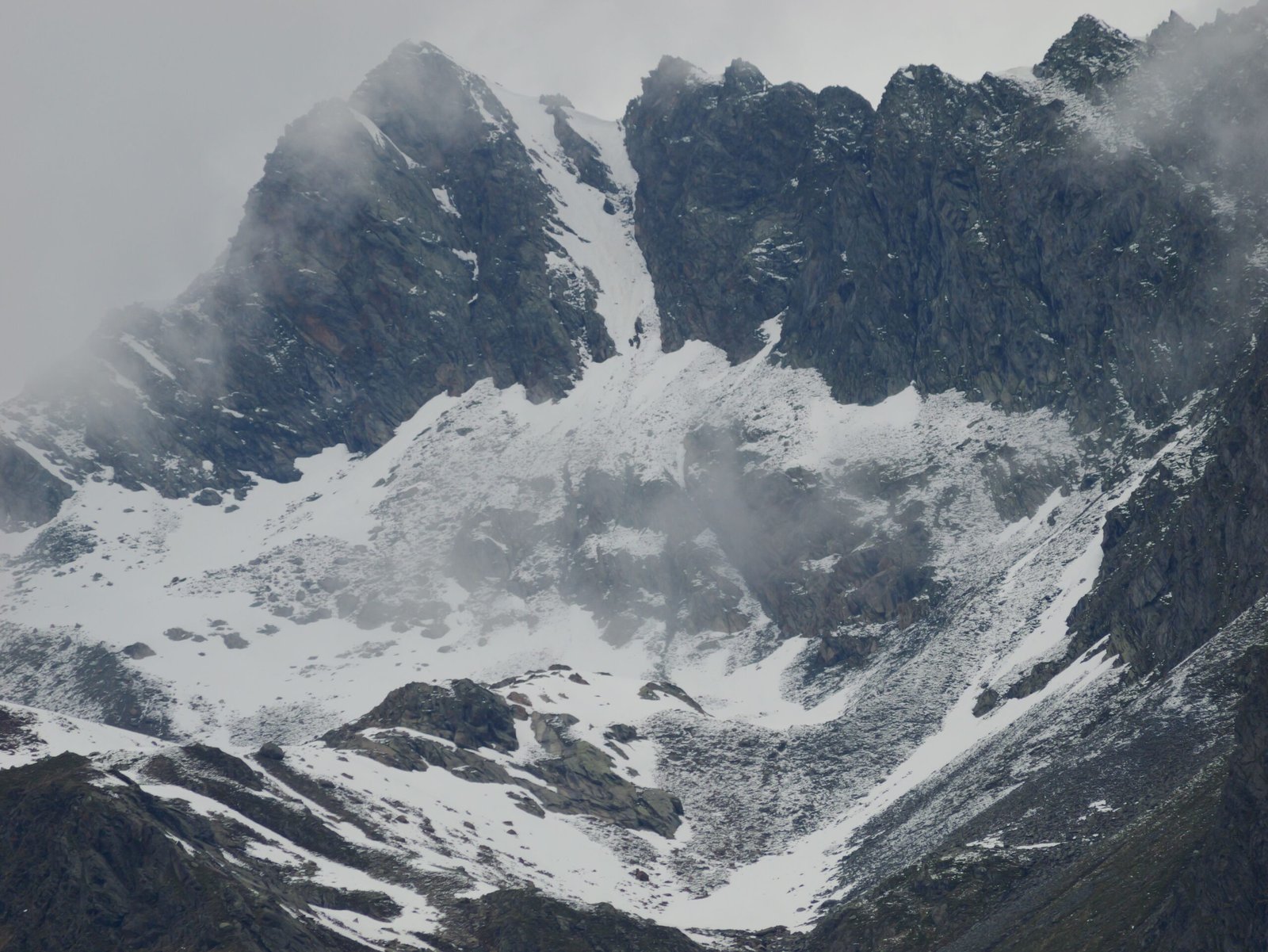
The region’s climate sets it apart immediately. Karamoja is semi-arid and windswept, with altitudes ranging from below a thousand metres up to nearly 2,700 metres, producing dramatic shifts in scenery and temperature across relatively short distances. Daytime temperatures can climb past 35 degrees Celsius, while nights in the higher altitude areas turn surprisingly cool. This is a land of long dry seasons, starry skies undimmed by city lights, and sunsets that fall behind distant mountain silhouettes in a way that photographers travel a very long way to capture.
The Karamojong People and Their Traditions
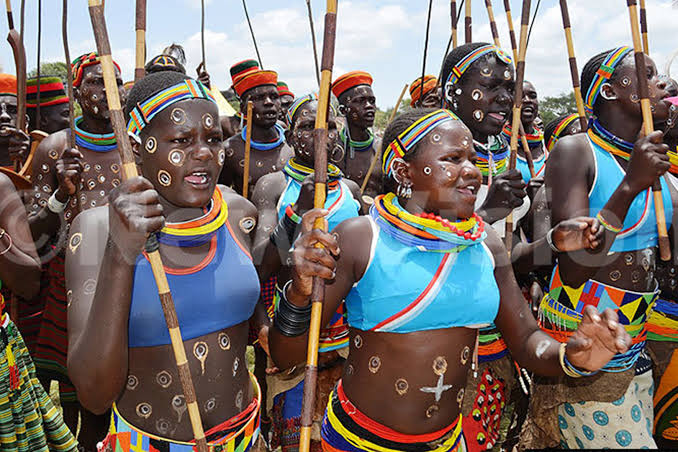
At the heart of any Karamoja Cultural Safari are the Karamojong themselves, a proudly pastoralist people whose way of life has changed remarkably little over generations. Their name is believed to come from the phrase “ekar ngimojong,” roughly translating to “the old men can walk no further,” a reference to the ancestors who settled the region during a long southward migration centuries ago. The Karamojong share ancestral roots with the Maasai of Kenya and Tanzania, and that connection shows in their deep cultural attachment to cattle, which remain both an economic foundation and a spiritual cornerstone of daily life.
Cattle are not simply livestock here. They represent wealth, social status, and identity, and much of Karamojong custom, from marriage negotiations to coming of age rites, revolves around herds built and protected over generations. This kind of trip gives travelers the rare opportunity to witness this cattle culture firsthand, visiting traditional homesteads known as manyattas, thorn fenced compounds built to protect both families and livestock, and meeting elders who can explain the customs, symbolism, and daily rhythms behind a lifestyle that has adapted to one of Uganda’s harshest environments without abandoning its core identity.
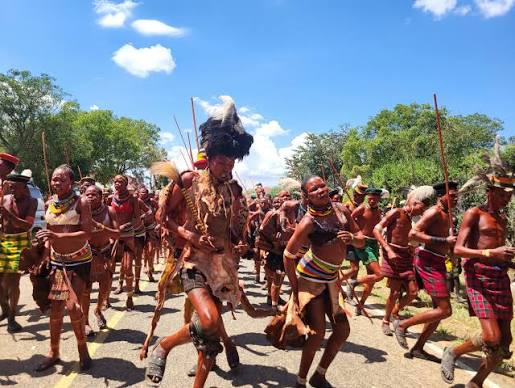
Visitors on a Karamoja Cultural Safari often come away describing the experience as the most authentic cultural encounter of their entire Uganda trip. Unlike staged cultural performances built primarily for tourists, interactions here tend to unfold on the community’s own terms, with traditional dances, storytelling, and demonstrations of skills like spear throwing or fire making that reflect genuine daily practice rather than rehearsed spectacle. For travelers who want cultural tourism that feels real rather than curated, this is where a Karamoja Cultural Safari earns its reputation.
Meeting the Pian, Upe, and Tepeth Communities
While the Karamojong are the region’s most recognized group, Karamoja is home to several distinct communities, each with its own customs and territory. The Pian and Upe peoples inhabit the plains around Pian Upe Wildlife Reserve, maintaining pastoralist traditions similar to their Karamojong neighbors, while the Tepeth, a smaller mountain dwelling community, occupy the slopes of Mount Moroto and Mount Napak, holding onto beliefs, sacred sites, and spiritual practices tied closely to the mountains themselves. A well rounded Karamoja Cultural Safari often includes time with more than one of these communities, since each offers a distinct window into how different groups have adapted to the same challenging landscape in their own way.
Guided visits to Tepeth villages on the slopes of Mount Moroto combine cultural insight with genuine hiking reward, since the trail up Uganda’s tallest peak in the Karamoja region also passes through farmland and settlements where local guides explain the spiritual significance certain rock formations and groves hold within Tepeth belief systems. It is a side of Karamoja that rarely appears in general Uganda travel guides, and it is one of the strongest arguments for building real time into any Karamoja Cultural Safari itinerary rather than rushing through as a single day stop.
Kidepo Valley National Park: Wilderness Beyond the Cultural Encounter

No Karamoja Cultural Safari is complete without at least a few days in Kidepo Valley National Park, widely considered one of Africa’s most spectacular and least crowded parks. Tucked into the far northeastern corner of Uganda along the borders of South Sudan and Kenya, Kidepo has been ranked by CNN Travel among the continent’s top wilderness destinations, prized for its sweeping valleys, rugged mountain backdrops, and wildlife found almost nowhere else in Uganda. Visitors can spot cheetahs, ostriches, kudus, and the striking Karamoja apalis, a bird species found only in this corner of the country, alongside large herds of buffalo that move freely across the open plains.
What makes Kidepo such a natural complement to a Karamoja Cultural Safari is its sense of total isolation. Unlike Uganda’s more visited parks, where game drive vehicles can queue at a single sighting, Kidepo often delivers game drives where travelers see no other vehicles for hours at a time. Combining a stay in Kidepo with cultural visits to nearby Karamojong or Ik communities rounds out a trip that captures both the wild and the human side of this remote region, giving a Karamoja Cultural Safari a depth that few other itineraries in Uganda can match.
Pian Upe Wildlife Reserve and Mount Moroto
Between Sipi Falls and Kidepo, Pian Upe Wildlife Reserve offers another compelling stop for travelers building a Karamoja Cultural Safari itinerary. As Uganda’s second largest protected area after Murchison Falls, Pian Upe combines dramatic mountain scenery, including views toward Mount Kadam and Mount Moroto, with wildlife adapted to this semi-arid ecosystem, from Rothschild’s giraffes to roan antelope. The reserve’s rivers and seasonal water sources draw wildlife across the dry plains, and its relative obscurity means sightings often feel like genuine discoveries rather than crowded tourist moments.
Mount Moroto itself, rising to 3,083 metres as the tallest peak in the Karamoja region, offers hiking that pairs naturally with cultural interaction, since the trails wind through Tepeth farmland and settlements on the way to the summit. A morning spent climbing partway up Moroto’s slopes, meeting Tepeth families along the trail, and taking in sweeping views across the Karamoja plains captures much of what makes a Karamoja Cultural Safari so rewarding: physical adventure, striking landscape, and genuine human connection woven into a single day.
History Written in Stone: The Karamoja Regional Museum and Napedet Cave
Karamoja’s story extends far deeper into the past than its living communities alone suggest. In 2011, paleontologists working in the region uncovered the remains of Uganda pithecus major, a twenty million year old primate ancestor, a discovery that placed the region firmly on the scientific map. Visitors curious about this deeper history can stop at the Karamoja Regional Museum in Moroto town, which houses fossil collections alongside ethnographic displays illustrating both the ancient and modern lifestyles of the region’s communities, offering useful context before heading out to meet the Karamojong, Pian, Upe, or Tepeth in person.
Not far from Napak, the Napedet Cave adds another layer to the region’s story, with rock art depicting giraffes, baboons, and antelope believed to have been created by early inhabitants of the area centuries ago. For travelers with an interest in archaeology or ancient history, a stop here fits naturally into a broader northeastern itinerary, adding historical depth to a trip already rich in living tradition and wildlife.
Best Time to Visit and How to Get There
Karamoja experiences a different rainfall pattern than most of Uganda, with a single wet season running roughly from April to August rather than the two wet seasons found further south, and a long dry season stretching from September through March. The dry months tend to offer the most comfortable travel conditions, with clearer roads, better visibility for wildlife viewing in Kidepo, and dust filled golden light that photographers particularly favor during a Karamoja Cultural Safari. That said, the wet season brings its own rewards, with greener landscapes and livelier livestock markets as pastoralist communities move herds in response to available grazing.
Reaching Karamoja typically involves a long overland drive from Kampala, often broken into stages through Mbale or Sipi Falls in eastern Uganda, or a shorter domestic flight into Moroto or Kidepo’s airstrips for travelers short on time. Because distances in this part of Uganda are considerable and infrastructure remains basic compared with the well developed southwestern safari circuit, most visitors find that traveling with an experienced local operator makes an enormous difference, both for logistics and for arranging respectful, well organized cultural visits that genuinely benefit the communities involved.
Planning a Responsible Karamoja Cultural Safari
Because Karamoja remains one of Uganda’s least developed regions, a certain amount of practical planning goes a long way. Roads can be rough, accommodation options are more limited than in Uganda’s established safari destinations, and mobile network coverage is patchy in the more remote stretches. None of this should discourage a well prepared traveler, but it does mean that this kind of trip benefits enormously from being arranged through an operator who understands the region’s logistics and has established, respectful relationships with local communities.
Responsible tourism matters especially here. Community visits should be arranged through local guides who ensure that a fair share of tourism revenue reaches the families and elders who welcome visitors into their homesteads, rather than bypassing them entirely. Asking permission before photographing individuals, dressing modestly, and approaching cultural encounters with genuine curiosity rather than a checklist mentality all go a long way toward making a Karamoja Cultural Safari a positive exchange rather than an extractive one. Travelers should also stay updated on current regional advisories before finalizing plans, since conditions in parts of Karamoja can shift, and a reputable operator will always have the latest, most accurate picture of which areas are comfortably open to visitors at any given time.
Combining Karamoja With the Rest of Uganda
Given its remote location, a Karamoja Cultural Safari pairs naturally with a broader eastern Uganda itinerary rather than standing entirely alone. Many travelers combine time in Karamoja with a stop at Sipi Falls, where three cascading waterfalls tumble down the southern slopes of Mount Elgon and views stretch out toward the very Karamoja plains travelers are about to explore. Others link Karamoja with Kidepo Valley National Park as the anchor destination, treating cultural encounters with the Karamojong, Pian, Upe, and Tepeth communities as an essential complement to the wildlife found within the park itself.
For travelers with more time, a longer northeastern circuit might weave together Mbale, Sipi Falls, Mount Elgon National Park, Pian Upe Wildlife Reserve, and Kidepo Valley National Park, with a Karamoja Cultural Safari threaded through the entire route rather than confined to a single stop. This kind of itinerary rewards travelers willing to trade a little extra travel time for a version of Uganda that few visitors ever witness firsthand.
Common Questions About a Karamoja Cultural Safari
Travelers considering this trip for the first time tend to ask a similar set of questions. How many days should be set aside? Most well rounded itineraries dedicate at least three to four days to the region, enough time to combine cultural visits with a stay in Kidepo Valley National Park or Pian Upe Wildlife Reserve without feeling rushed, since the long overland distances involved make a single day stop feel more like a drive by than a genuine encounter.
Is it safe? Karamoja has a complicated recent history, and some parts of the region warrant more caution than others, but Kidepo Valley National Park and the established community visit routes used by reputable operators are considered comfortably accessible, and a well organized Karamoja Cultural Safari should never take travelers into areas outside those established, vetted routes.
Do you need a guide fluent in local languages? Yes, and this is one of the clearest reasons to book through an experienced operator rather than attempting the region independently, since the Karamojong, Pian, Upe, and Tepeth communities each speak their own languages and a skilled local guide bridges that gap while also ensuring visits are respectful and mutually beneficial.
What should travelers pack? Lightweight, breathable clothing for hot daytime temperatures, a warm layer for cooler nights and higher altitude stretches, sturdy closed shoes for walking through homesteads and hiking trails, a hat and strong sun protection given the intensity of the sun on Karamoja’s open plains, and a good camera, since the landscapes and portraits available on a Karamoja Cultural Safari are genuinely difficult to replicate anywhere else in the country.
Can this trip be combined with gorilla trekking or classic Uganda wildlife safaris? Absolutely, though given the distance between Karamoja and southwestern Uganda, most travelers treat the two as separate legs of a longer trip rather than attempting both in a single short visit. A common approach pairs a Karamoja Cultural Safari with an eastern Uganda circuit through Sipi Falls and Mount Elgon, saving gorilla trekking in Bwindi for a separate southwestern leg, or for a future return visit entirely.
What to Expect on a Karamoja Cultural Safari
Travelers arriving in Karamoja for the first time often describe an immediate shift in atmosphere compared with the rest of Uganda. The pace slows, the horizon widens, and the rhythms of daily life, herding cattle at dawn, gathering under acacia trees during the heat of the afternoon, dancing and storytelling as the sun drops behind distant peaks, unfold with a naturalness that is hard to manufacture elsewhere.
Homestead visits typically begin with an introduction from a community elder, followed by demonstrations of traditional skills, shared stories about migration history and cattle culture, and often an invitation to join in a dance or song, an experience many travelers describe as the most memorable single moment of their entire Uganda trip.
Because much of Karamoja remains outside the conventional tourist circuit, a Karamoja Cultural Safari also tends to feel refreshingly unhurried. There are no queues of vehicles jostling for the same view, no crowds gathered around a single cultural performance staged on a schedule for busloads of visitors. Instead, encounters here unfold at a human pace, shaped by genuine curiosity on both sides rather than a script, which is precisely what gives this corner of Uganda its lasting hold on the travelers fortunate enough to make the journey.
Why Karamoja Deserves a Place on Your Uganda Itinerary
Uganda’s reputation rests heavily on gorillas, chimpanzees, and the Nile, and rightly so. But a Karamoja Cultural Safari offers something those experiences cannot: a genuine window into a living culture that has resisted homogenization in a way few places left in East Africa still can. The Karamojong, Pian, Upe, and Tepeth communities are not performing a version of their culture for visitors; they are living it, and travelers who make the journey north are given a rare invitation into that world.
For anyone who has already done the classic Uganda safari circuit, or for travelers who simply want their trip to include something unexpected, a Karamoja Cultural Safari is one of the most rewarding additions available anywhere in the country. It combines dramatic, little seen landscapes, wildlife found nowhere else in Uganda, ancient history written into rock and fossil, and cultural encounters built on genuine curiosity rather than spectacle. Uganda’s last untouched frontier will not stay quiet forever, and travelers who experience a Karamoja Cultural Safari now are witnessing something increasingly rare: a region still defined entirely on its own terms. Reach out to Tulambule Uganda Safaris to start planning your own Karamoja Cultural Safari, combined with Kidepo Valley National Park, Sipi Falls, and the rest of Uganda’s remarkable northeastern frontier.