Lake Mburo National Park Safari: The Lake Mburo Walking Safari Guide
Most safaris in Uganda keep you behind a windshield, watching wildlife pass by from the safety of a vehicle. Lake Mburo National Park breaks that rule entirely. Here, in Uganda’s smallest and most accessible savannah park, you can step out of the vehicle and walk directly among zebras, impalas, and giraffes, something almost nowhere else in East Africa allows given the presence of lions elsewhere.
A Lake Mburo Walking Safari has quietly become one of Uganda’s most rewarding and underrated wildlife experiences, and if you are planning a trip to the southwest, this guide explains exactly why it deserves a firm place on your itinerary. For travelers who have spent an entire safari confined to a vehicle, the sensation of stepping onto open grassland surrounded by wild grazing animals, with nothing but an experienced ranger between you and the landscape, tends to leave a deeper impression than almost anything else a Uganda safari can offer.
What Is a Lake Mburo Walking Safari
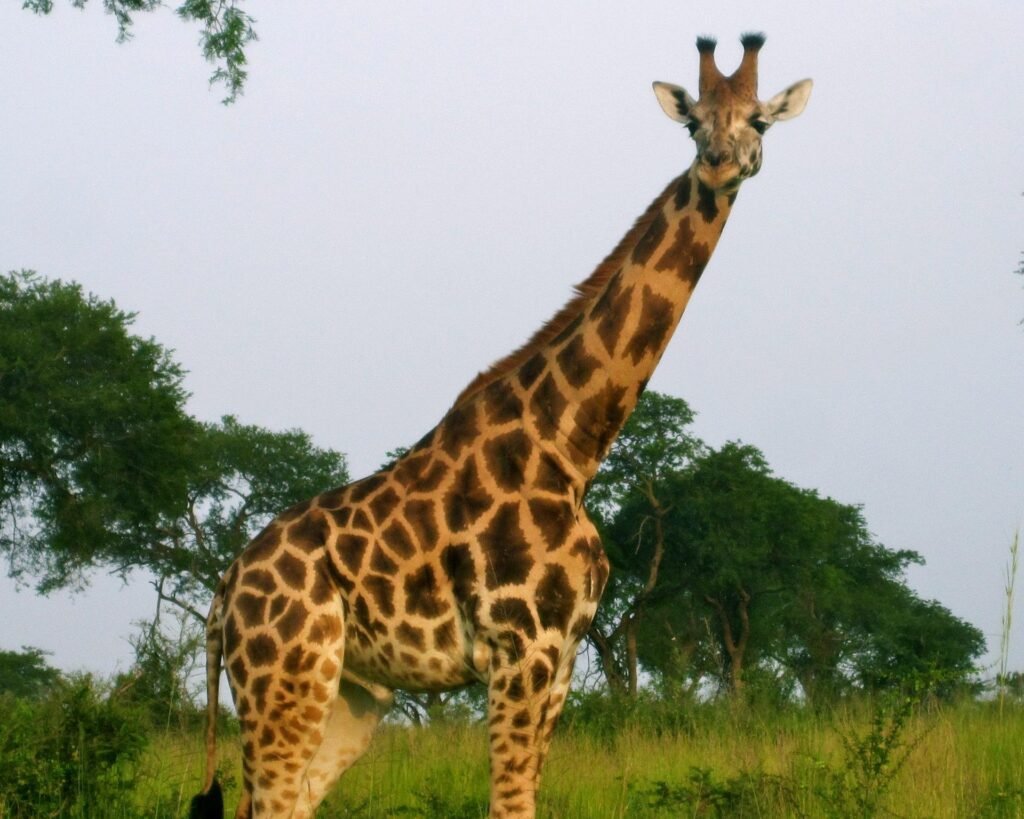
A Lake Mburo Walking Safari is a guided game walk through the open savannah and acacia woodland of Lake Mburo National Park, led by an armed ranger who brings visitors on foot to within genuinely close range of zebras, impalas, elands, waterbucks, and Rothschild’s giraffes.
What makes this possible, where it would be reckless in almost any other Uganda park, is the simple fact that Lake Mburo has no resident lions and no elephants, removing the two animals that make walking safaris elsewhere in the country too dangerous to permit. The result is one of the only national parks in Uganda where visitors can genuinely walk freely among wildlife rather than observing it exclusively from a vehicle.
Covering just 260 square kilometres, Lake Mburo National Park is Uganda’s smallest savannah park, and that compact size works firmly in favour of anyone booking a Lake Mburo Walking Safari, since wildlife sightings tend to come quickly and reliably rather than requiring hours of searching across vast terrain. The park sits roughly four hours southwest of Kampala, making it a popular and convenient stop for travelers en route to gorilla trekking in Bwindi Impenetrable Forest or heading toward Rwanda, and a Lake Mburo Walking Safari has become one of the most memorable ways to break up that longer journey.
The Wildlife You Will Encounter
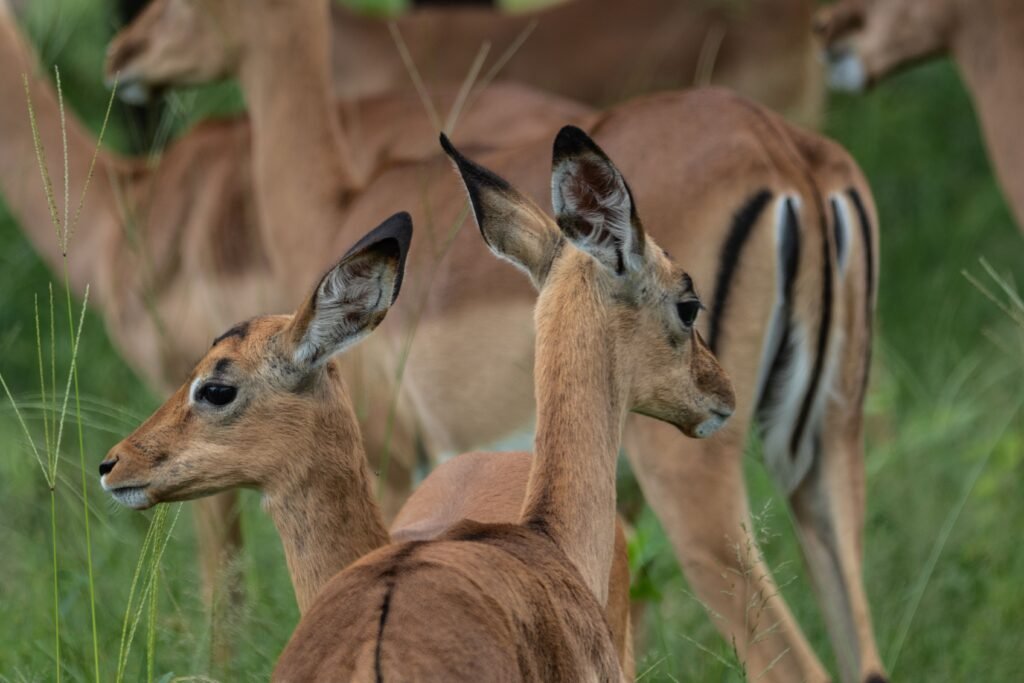
A Lake Mburo Walking Safari brings visitors close to a genuinely impressive range of wildlife for such a compact park. Plains zebras move in loose herds across the open grassland, often barely reacting to a small group of walkers accompanied by an experienced guide, while impalas, a species found nowhere else in Uganda outside this park, graze in the same open country. Rothschild’s giraffes browse from acacia trees at a height that makes for genuinely spectacular close-range photography, and Cape buffalo, elands, topi, and bushbuck round out a species list that rivals parks many times Lake Mburo’s size.
Because this style of walk moves at a slower, quieter pace than a vehicle-based game drive, the experience tends to reveal details that visitors on wheels often miss entirely, from the alarm calls of birds signalling a predator’s presence to fresh tracks crossing the trail moments before the animal itself appears.
Leopards and hyenas do inhabit the park, though they remain elusive and rarely encountered on a daytime walk, adding a frisson of genuine wilderness to what remains, overall, one of the gentler and safer walking experiences available anywhere in East Africa. Birders in particular find the experience rewarding, since the park’s mix of woodland, wetland, and open savannah supports over three hundred recorded species, including the endangered shoebill stork in wetter areas near the lake.
Why Lake Mburo Is Uganda’s Only Walking Safari Destination of Its Kind
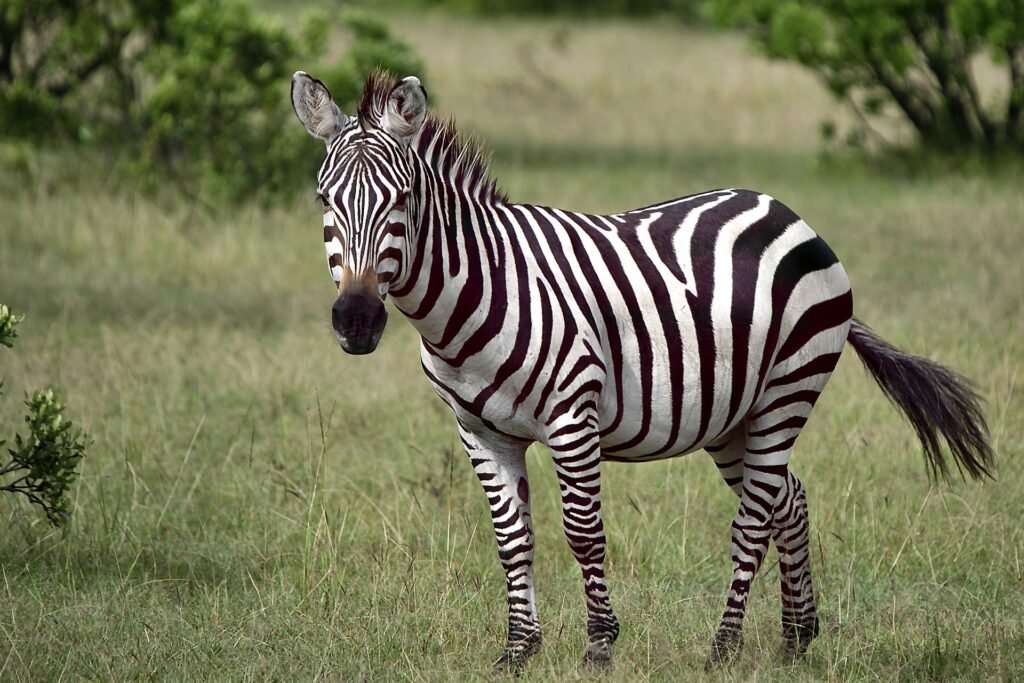
Understanding why a Lake Mburo Walking Safari exists at all requires a brief look at what makes most other Uganda parks unsuitable for the same activity. Queen Elizabeth National Park, Murchison Falls, and Kidepo Valley all support resident lion populations, along with elephants capable of charging without much warning, making foot-based exploration inside those parks either heavily restricted or confined to specific, carefully managed corridors. Lake Mburo, by contrast, has neither, a quirk of its ecology that has turned what might otherwise be a limitation into the park’s single greatest drawing card.
That absence of dangerous predators does not mean this walk lacks any sense of wildness. Rangers carry rifles as standard procedure, maintain a respectful distance from buffalo and other potentially unpredictable herbivores, and brief every group thoroughly before setting out. The experience still delivers genuine proximity to wild animals moving freely through their natural habitat, just without the elevated risk that keeps walking safaris off the table almost everywhere else in Uganda’s national park system. For travelers who have always wanted to walk through the African bush rather than watch it pass by through a car window, Lake Mburo offers close to the only legitimate opportunity to do so within Uganda’s borders.
Combining a Walking Safari With Other Lake Mburo Activities
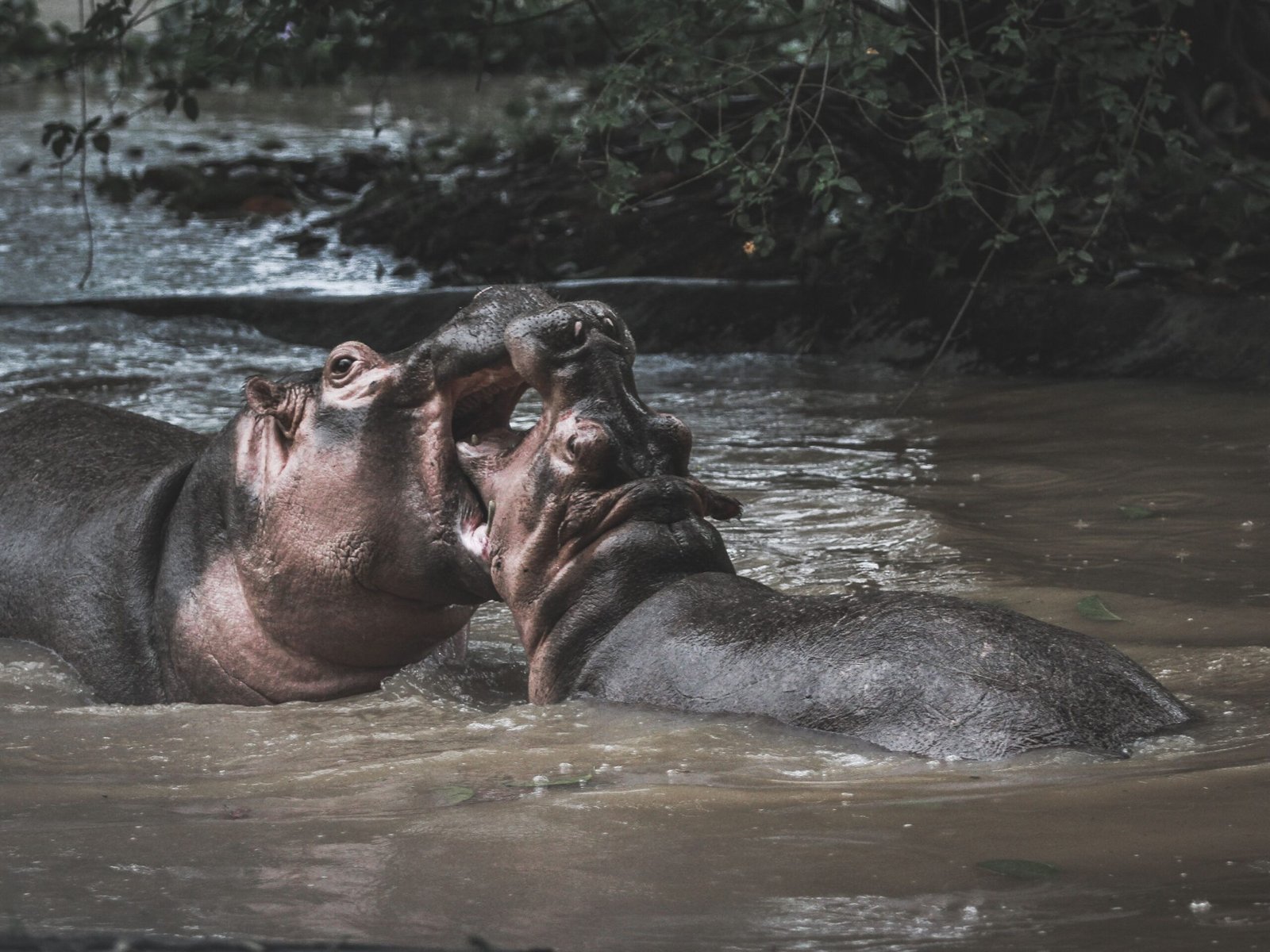
While a Lake Mburo Walking Safari is often the highlight of a visit, the park offers enough variety to fill a full day or more without repetition. Boat cruises on Lake Mburo itself reveal hippos, crocodiles, and a dense concentration of waterbirds, including African fish eagles, pied kingfishers, and the striking papyrus gonolek, offering a calm, scenic counterpoint to the more active walking experience. Horseback safaris through the surrounding grassland provide another way to move quietly among wildlife, popular with riders of varying experience levels who want an alternative to walking without sacrificing the same close, unobstructed encounters.
Mountain biking has also grown in popularity within the park, with marked trails allowing visitors to cover more ground than walking permits while still enjoying an active, immersive way to experience the landscape. Night game drives, conducted with spotlights after dark, round out the park’s offerings by revealing nocturnal species like leopards, genets, bush babies, and porcupines rarely seen during daylight walks. Pairing the walk with one or two of these additional activities makes for a genuinely full day, and many lodges within the park are well set up to help guests move seamlessly between them.
Best Time for a Lake Mburo Walking Safari
Lake Mburo National Park is a year-round destination, and a Lake Mburo Walking Safari remains rewarding regardless of season, though conditions do shift noticeably between the dry and wet months. The dry seasons, running roughly from June through September and December through February, offer shorter grass and firmer walking trails, making wildlife considerably easier to spot at distance and photography noticeably more rewarding. These months also coincide with Uganda’s broader peak safari season, so booking accommodation and guided walks ahead of time is worth doing during these windows.
The wetter months bring their own rewards for this outing, with lush green landscapes, active birdlife, and the added draw of newborn animals across many of the park’s herbivore species. Trails can be muddier and grass taller during these periods, occasionally making sightings slightly more work, but the park’s compact size means wildlife encounters remain reliable even outside the driest months. Because Lake Mburo sits at relatively low altitude compared with Uganda’s forested parks further west, temperatures stay warm and pleasant throughout the year, making a Lake Mburo Walking Safari a comfortable outing in almost any month.
Getting to Lake Mburo National Park
Most travelers reach Lake Mburo National Park by road, with the drive from Kampala taking roughly four to five hours along a well maintained highway that continues on toward Mbarara and the Rwanda border. This central position along Uganda’s main southwestern route is precisely what makes a Lake Mburo Walking Safari such a natural addition to a longer itinerary, since travelers heading to Bwindi Impenetrable Forest for gorilla trekking, or continuing on toward Rwanda’s Volcanoes National Park, pass close enough to the park that a detour adds only a modest amount of extra driving time.
For travelers with more flexibility, spending a full night or two at one of the park’s lodges rather than treating Lake Mburo as a brief stopover allows time for both the walk and one or two of the park’s other activities, transforming what could be a rushed half-day visit into a genuinely worthwhile destination in its own right rather than simply a convenient stopping point between bigger attractions further afield.
Where to Stay for Your Lake Mburo Walking Safari
Accommodation options around Lake Mburo National Park range from comfortable mid-range lodges to genuine luxury properties, with Mihingo Lodge widely regarded as one of the standout choices, offering boutique log cabins with private verandas overlooking the park and a swimming pool positioned to take in sweeping views across the surrounding hills. Several other lodges and tented camps sit within or near the park boundary, giving travelers a range of budgets to choose from while still keeping the walking trailheads within easy reach of their accommodation each morning.
Booking accommodation in advance is worth doing regardless of season, particularly for lodges positioned closest to the walking trailheads, since proximity to the start point makes for an easier, less rushed morning ahead of the walk itself. Working with an experienced local operator to combine lodging, park entry fees, and the walking safari itself into a single booking removes much of the coordination that can otherwise complicate a short stopover between longer legs of a Uganda itinerary.
Practical Tips for Your Lake Mburo Walking Safari
A little preparation goes a long way toward making the most of a Lake Mburo Walking Safari. Sturdy closed shoes are essential, since trails cross open grassland, rocky patches, and the occasional muddy stretch depending on season, and sandals or flip flops are a poor choice for a multi-hour walk through the bush. Neutral coloured clothing helps visitors blend into the landscape rather than standing out against the open grassland, and a hat, sunscreen, and water are worth carrying given how exposed the walking trails are to direct sun for much of the route.
Binoculars make a genuine difference for birdwatchers hoping to pick out species across the park’s open terrain, and a camera with reasonable zoom capability rewards the close-range encounters with zebras and giraffes that make this experience so distinctive in the first place. Early morning walks tend to offer the coolest temperatures and the most active wildlife, so travelers should aim to start as early as their lodge and ranger schedule allow, rather than pushing the walk into the heat of midday.
Lake Mburo Walking Safari vs Game Drives Elsewhere in Uganda
Travelers who have already experienced a vehicle-based game drive in Queen Elizabeth or Murchison Falls often wonder how a Lake Mburo Walking Safari genuinely compares. The honest answer is that the two experiences deliver fundamentally different things. A game drive covers considerably more ground, increasing the odds of spotting predators, large herds, or rarer species across a bigger park, and offers a level of safety around dangerous animals that walking simply cannot replicate where lions and elephants are present.
A Lake Mburo Walking Safari trades that range and predator access for something a vehicle can never fully deliver: genuine sensory immersion, the sound of grass underfoot, the smell of the bush, and animals reacting to a human presence at ground level rather than a passing vehicle.
Many experienced safari travelers describe a walking safari as the moment an African wildlife trip stops feeling like sightseeing and starts feeling like genuine immersion. Because Lake Mburo removes the danger that keeps walking off the table in Uganda’s bigger parks, it offers a rare, low risk entry point into that immersive style of safari, one that many travelers only otherwise experience on considerably more expensive walking safari circuits in southern Africa. For anyone building a first Uganda itinerary, pairing a Lake Mburo Walking Safari early in the trip with vehicle-based game drives later in bigger parks like Queen Elizabeth gives a genuinely well-rounded sense of what African safari travel can offer across both formats.
The Cultural Backdrop of Lake Mburo
Beyond its wildlife, the land surrounding Lake Mburo National Park carries genuine cultural depth worth understanding before setting out on a walking safari. The Banyankole people, traditional cattle keepers of this part of southwestern Uganda, have grazed long-horned Ankole cattle across this landscape for generations, and the park’s grassland ecology still bears the imprint of that pastoralist history even after decades as a protected area. Some lodges and community programmes around Lake Mburo now offer cultural visits alongside the walk itself, giving travelers the chance to meet local Banyankole families, learn about traditional cattle herding practices, and understand how the park’s establishment reshaped land use in the surrounding districts.
This layered history adds meaning to a visit that many travelers, focused purely on wildlife, might otherwise overlook. Walking the same open grassland once grazed exclusively by Ankole cattle, now shared with zebras and impalas under protected status, gives a Lake Mburo Walking Safari a sense of place that a purely wildlife-focused itinerary elsewhere in Uganda often lacks. Guides on many walks are drawn from surrounding communities and frequently weave this history into the experience naturally, pointing out old grazing routes or explaining how conservation and traditional land use have gradually found a working balance in the decades since the park’s establishment.
Common Questions About a Lake Mburo Walking Safari
Travelers planning their first visit tend to ask a similar set of practical questions. Is a Lake Mburo Walking Safari safe for children? Generally yes, since the absence of lions and elephants removes the greatest safety concern found in Uganda’s larger parks, though most operators set a minimum age, typically around seven or eight, and younger children may struggle with the walking distance and pace involved. How long does a typical walk last? Most guided walks run between two and three hours, covering several kilometres of trail, though shorter or longer options can often be arranged depending on group fitness and interest.
Can a Lake Mburo Walking Safari be combined with a single overnight stop en route to Bwindi? Absolutely, and this is in fact the most common way travelers experience the park, breaking up the long drive southwest with an afternoon or early morning walk before continuing on toward gorilla trekking. Is it necessary to book in advance? While walk-in bookings are sometimes possible, particularly outside peak season, reserving a guided walk ahead of arrival is recommended, especially for travelers with a tight schedule who cannot afford a wasted morning if a guide is unavailable.
What should first-time walkers expect in terms of difficulty? The terrain is generally flat to gently rolling, making a Lake Mburo Walking Safari accessible to most reasonably fit travelers without requiring any specialist hiking experience or equipment beyond sturdy shoes.
Why the Rangers Make the Experience
Much of what makes a Lake Mburo Walking Safari memorable comes down to the rangers leading it. Drawn largely from communities surrounding the park, these guides typically combine years of field experience with genuine, contagious enthusiasm for the landscape they patrol daily, offering insight into animal behaviour, tracking, and ecology that a self-guided visit could never replicate. Many are skilled at reading subtle signs, a shift in bird alarm calls, fresh tracks crossing the trail, the direction of the wind relative to a distant herd, that transform a simple walk into something closer to a masterclass in bush craft.
Because group sizes on a Lake Mburo Walking Safari tend to stay small, often no more than six to eight visitors per guide, the experience allows for genuine conversation and personalized pacing that larger group activities elsewhere often lack. Visitors frequently describe their ranger as the highlight of the walk itself, as much as any individual animal sighting, and tipping guides fairly at the end of a walk is both customary and a meaningful way to support the rangers whose knowledge makes the entire experience possible.
Why a Lake Mburo Walking Safari Deserves a Place on Your Uganda Itinerary
For travelers who have always wanted to experience the African bush on foot rather than exclusively from behind a vehicle window, a Lake Mburo Walking Safari offers one of the very few legitimate opportunities to do so anywhere in Uganda. It combines genuine proximity to zebras, giraffes, and antelope with the safety of a lion-free, elephant-free environment, all within a compact, easily accessible park that fits naturally into a longer safari route toward Bwindi or Rwanda.
Whether treated as a brief stopover between bigger destinations or a worthwhile stay in its own right, a Lake Mburo Walking Safari rewards travelers with an intimacy and immediacy that vehicle-based game drives elsewhere in the country simply cannot match. Reach out to Tulambule Uganda Safaris to start planning your own Lake Mburo Walking Safari, combined with gorilla trekking in Bwindi or a full Uganda and Rwanda safari circuit.