Mount Elgon Hiking Uganda: The Complete Trekking Guide
Rising alone from the plains of eastern Uganda, close enough to the Kenyan border that its upper slopes straddle both countries, Mount Elgon is one of Africa’s most overlooked hiking destinations. It is older than Kilimanjaro, wider at its base than any other mountain on the continent, and home to the largest intact volcanic caldera in the world, yet it rarely makes it onto a first time visitor’s Uganda itinerary. Mount Elgon Hiking Uganda deserves far more attention than it typically gets, and this guide walks through everything from the mountain’s trails and wildlife to where to stay and how to prepare for one of East Africa’s most rewarding and underrated multi-day treks.
For hikers who have grown tired of crowded trails and heavily commercialized trekking circuits elsewhere on the continent, Mount Elgon offers something genuinely rare in African adventure travel: a major mountain, steeped in geological and cultural history, that most visitors to the region have simply never heard of.
What Makes Mount Elgon Worth Hiking
Mount Elgon is an extinct shield volcano estimated to be at least twenty four million years old, making it the oldest solitary volcanic mountain in East Africa and considerably older than younger, more famous peaks like Kilimanjaro. Straddling the border between Uganda and Kenya, the mountain’s highest point, Wagagai Peak, rises to 4,321 metres and sits entirely within Uganda, making it the country’s second highest mountain after the Rwenzori range. Mount Elgon Hiking Uganda centers on reaching this summit, though the mountain offers far more than a single peak to chase, with vast caves, waterfalls, hot springs, and a genuinely enormous caldera carved into its upper reaches.
What sets Mount Elgon Hiking Uganda apart from other East African treks is the sheer scale of the mountain itself. Eighty kilometres in diameter at its base, Mount Elgon is wider than any other volcanic mountain on the continent, and its slopes host one of the most complete altitudinal vegetation sequences found anywhere in Africa, moving from montane forest through bamboo zones, heather moorland, and finally afro-alpine vegetation studded with giant lobelias and groundsels as the trail climbs toward the caldera rim. Few hikes in the region offer such a dramatic transformation in scenery across a single multi-day trek.
The Main Hiking Routes on Mount Elgon
Mount Elgon Hiking Uganda offers several distinct routes to the summit, each with its own character and level of difficulty. The Sasa Trail, starting from Budadiri, is the shortest and steepest option, climbing rapidly through dense forest before opening onto the moorland zone, making it a popular choice for hikers with limited time who are prepared for a physically demanding ascent. The Sipi Trail, beginning near the famous Sipi Falls, offers a gentler gradient and more gradual acclimatization, passing through some of the mountain’s most scenic farmland and forest before joining the higher trails toward the caldera.
The Piswa Trail, the longest and least used of the main routes, approaches from the northern side of the mountain and rewards hikers with excellent wildlife viewing opportunities and a genuinely remote feel that the more popular trails cannot match. Many operators running Mount Elgon Hiking Uganda itineraries recommend combining routes, ascending via one trail and descending via another, which allows hikers to experience a broader cross-section of the mountain’s varied terrain without retracing the same path twice. Regardless of route, most multi-day treks to Wagagai Peak take between four and seven days depending on pace, fitness, and which combination of trails is selected.
Reaching Wagagai Peak and the Great Caldera
The centerpiece of any serious Mount Elgon Hiking Uganda itinerary is the push toward Wagagai Peak, the mountain’s true summit and the highest point entirely within Uganda’s borders. The final approach crosses open afro-alpine moorland, cold and windswept even close to the equator, before reaching the summit itself, where clear days reward hikers with sweeping views across the Ugandan and Kenyan plains stretching to the horizon in every direction. The sense of achievement at Wagagai tends to feel different from many other East African summits, in part because so few hikers make the journey compared with the well trodden trails of Kilimanjaro.
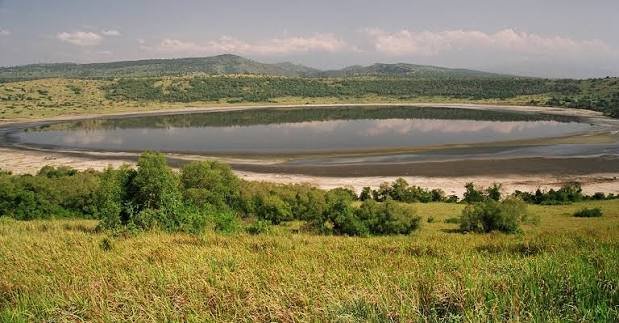
Beyond the summit itself, Mount Elgon’s caldera is arguably the mountain’s most extraordinary feature, an immense volcanic crater considered the largest intact caldera in the world, roughly forty kilometres across. Hikers who venture into the caldera basin encounter a landscape unlike anything else on a typical Uganda itinerary, a high altitude wilderness of hot springs, unique afro-alpine plants, and a profound sense of isolation that few other destinations in the region can match. Mount Elgon Hiking Uganda itineraries that include time in the caldera itself, rather than simply summiting and descending, tend to leave the deepest impression on experienced trekkers.
Caves, Waterfalls, and Wildlife Along the Way
Mount Elgon Hiking Uganda is not solely about the summit. The mountain’s lower slopes hide a network of volcanic caves, some large enough to have historically sheltered entire communities, and several are regularly visited by elephants and buffaloes who venture inside to lick mineral deposits from the cave walls, a genuinely striking sight for hikers lucky enough to witness it. Kitum Cave and the nearby Tutum and Chepnyalil Caves rank among the most visited, each offering a different glimpse into the mountain’s geological and ecological history.
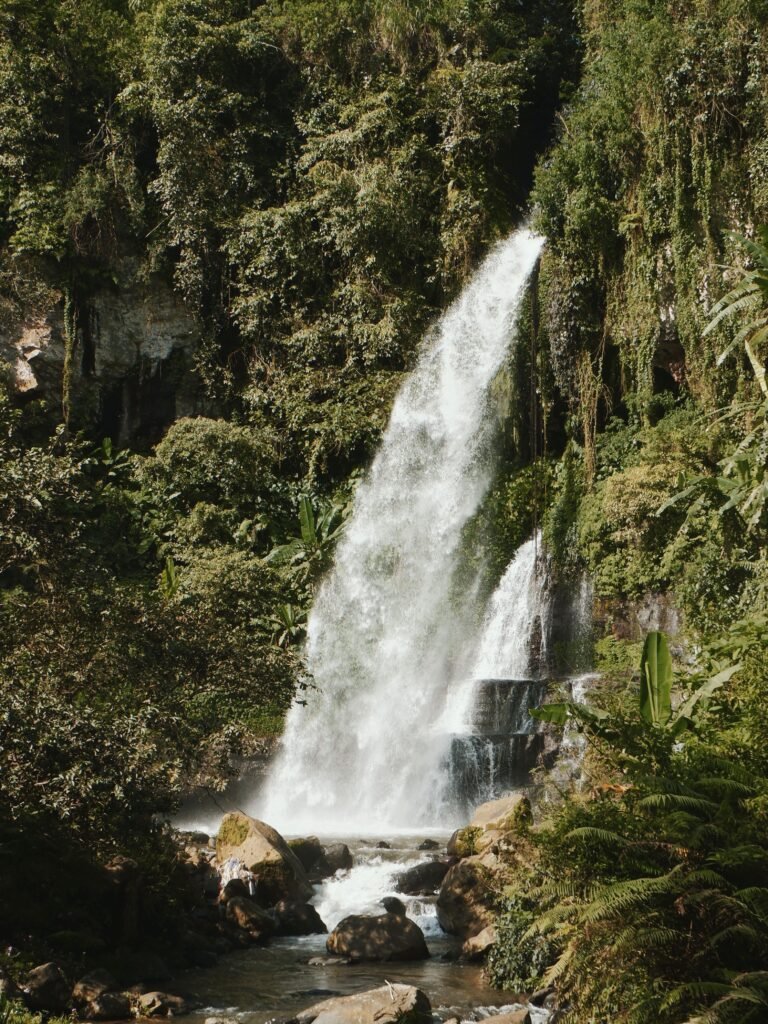
Waterfalls punctuate several of the lower trails as well, with cascades tumbling from cliffs surrounded by dense forest, offering natural rest points along longer trekking days. Wildlife sightings during Mount Elgon Hiking Uganda tend to favour birders over big game enthusiasts, since the mountain’s forests and moorlands host species like the lammergeier, Jackson’s francolin, and the striking Tacazze sunbird, drawing dedicated birding groups alongside general hikers. Duikers, blue monkeys, and black and white colobus monkeys inhabit the lower forest zones, adding further wildlife interest to what is primarily a scenery and trekking focused destination.
Cultural Encounters on the Mountain
Mount Elgon Hiking Uganda also offers genuine cultural depth, since the mountain’s lower slopes and surrounding foothills are home to the Bagisu and Sabiny peoples, each with distinct traditions tied closely to the land they farm. The Bagisu are known for the Imbalu circumcision ceremony, a significant cultural rite of passage held every even numbered year, drawing crowds and cultural performances that visitors can sometimes witness depending on timing. Coffee farming forms a major part of daily life on Mount Elgon’s fertile slopes, and many treks incorporate visits to smallholder coffee farms, where hikers learn about the journey from bean to cup while supporting local livelihoods directly.
These cultural encounters add texture to what could otherwise be a purely physical challenge, and many travelers describe the conversations with local guides, porters, and farming families along the trail as being just as memorable as the mountain scenery itself. Because Mount Elgon Hiking Uganda routes pass directly through farmland and villages on the lower slopes before entering protected forest, hikers get a genuine, unstaged glimpse into rural life in eastern Uganda that few other trekking destinations in the region can offer in quite the same way.
Best Time for Mount Elgon Hiking Uganda
Mount Elgon can technically be hiked throughout the year, though conditions shift considerably between seasons. The dry periods, running roughly from June through August and December through March, offer the most favourable trekking conditions, with firmer trails, better visibility from the higher sections, and a lower chance of the heavy rain that can make the upper moorland genuinely challenging underfoot. Mount Elgon Hiking Uganda during these windows tends to be the more comfortable choice for hikers without extensive high altitude trekking experience.
The wetter months bring their own rewards, with dramatically lush vegetation across the lower forest zones and fewer hikers on the trail, appealing to travelers who prioritize solitude and photography over guaranteed dry conditions. Regardless of season, temperatures drop sharply at altitude, and hikers attempting Mount Elgon Hiking Uganda should prepare for genuinely cold conditions near the summit and caldera rim, even though the mountain sits almost directly on the equator.
Getting to Mount Elgon and Where to Stay
Most travelers reach Mount Elgon via Mbale, the largest city near the mountain, roughly four to five hours by road from Kampala. Sipi Falls, on the mountain’s lower slopes, serves as a popular base for both day hikes and the starting point for the longer Sipi Trail, with a range of accommodation from budget guesthouses to more comfortable lodges positioned to take in sweeping views over the surrounding plains. Budadiri, the starting point for the Sasa Trail, offers more basic accommodation suited to hikers setting out early the following morning.
Because Mount Elgon Hiking Uganda often forms part of a broader eastern Uganda itinerary, many travelers combine a multi-day summit trek with time at Sipi Falls itself, where three cascading waterfalls and a network of shorter day hikes offer a gentler complement to the more demanding mountain trek. Booking accommodation and porters well ahead of arrival is worth doing, particularly during the busier dry season months, since the region’s guiding infrastructure, while well established, remains considerably smaller than that of Uganda’s more famous parks.
What to Pack for Mount Elgon Hiking Uganda
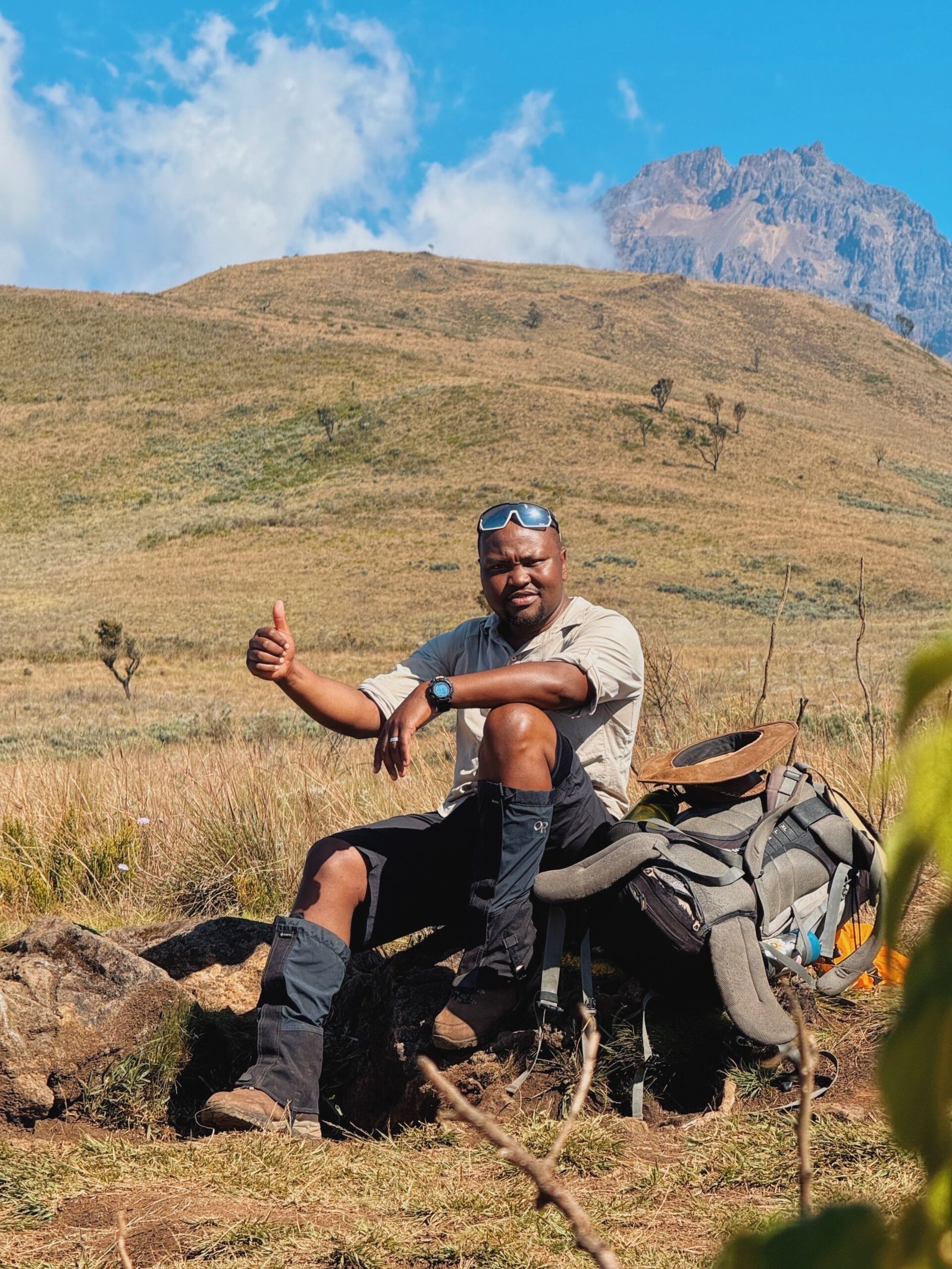
Preparing properly makes a considerable difference to how much hikers enjoy Mount Elgon Hiking Uganda. Layered clothing is essential, since temperatures shift dramatically between the warm lower forest zones and the genuinely cold moorland and caldera areas near the summit, with a warm jacket, hat, and gloves all worth packing regardless of season. Sturdy, well broken in hiking boots matter enormously given the varied terrain, which ranges from muddy forest trails to rocky, exposed sections higher up the mountain.
A good sleeping bag rated for cold conditions is essential for multi-day treks involving camping, along with a headlamp, basic first aid supplies, and water purification tablets or a filter, since relying entirely on porters to carry sufficient water for a multi-day trek is neither practical nor advisable. Trekking poles help considerably on the steeper sections of routes like the Sasa Trail, and travelers should budget for tipping porters and guides fairly at the end of the trek, a customary and important way to support the local community whose work makes Mount Elgon Hiking Uganda possible for visitors.
A lightweight, quick-drying set of clothing layers works better than a single heavy jacket, since temperatures and conditions shift throughout the day as the trail moves between forest, moorland, and exposed ridge sections. Gaiters are worth packing for anyone trekking during the wetter months, when lower trails can turn muddy and slippery underfoot. A dry bag or waterproof liner for a backpack protects electronics and spare clothing from sudden rain showers, which can arrive with little warning even during the drier months.
Snacks with a good energy density, such as nuts, dried fruit, or energy bars, are worth carrying personally rather than relying solely on scheduled meal stops, particularly on longer trekking days when energy levels can dip well before the next planned break.
Mount Elgon Hiking Uganda vs Kilimanjaro and the Rwenzori
Travelers weighing Mount Elgon Hiking Uganda against Africa’s more famous treks often want to know how the experience genuinely compares. Against Kilimanjaro, the difference in crowding is immediately obvious. Where Kilimanjaro sees hundreds of hikers on its most popular routes during peak season, Mount Elgon Hiking Uganda often means walking for hours without encountering another trekking group, a level of solitude that has become genuinely rare on Africa’s best known peaks.
Kilimanjaro’s higher altitude and more technical summit push does make it the more physically demanding trek overall, but Mount Elgon compensates with the caldera, caves, and cultural encounters that a straightforward Kilimanjaro ascent simply does not offer along the way.
Set against the Rwenzori Mountains, Uganda’s other major trekking destination, the comparison shifts again. The Rwenzori range offers glaciers, permanent snow, and a considerably more technical, demanding trek to Margherita Peak, appealing to serious mountaineers seeking Africa’s third highest summit. Mount Elgon Hiking Uganda, by contrast, offers a gentler physical challenge better suited to strong hikers without technical climbing experience, while still delivering a genuine multi-day wilderness trek and a summit that few visitors to Uganda ever attempt. For travelers deciding between the two, Mount Elgon tends to suit those seeking an accessible but still serious trekking challenge, while the Rwenzori rewards those specifically chasing glaciers and a more technical mountaineering experience.
Why Mount Elgon Remains So Underrated
Given everything the mountain offers, from its extraordinary caldera to its rich birdlife and cultural depth, it is worth asking why Mount Elgon Hiking Uganda remains such a comparatively quiet corner of East African tourism. Part of the answer lies simply in geography and marketing. Uganda’s tourism identity abroad centers overwhelmingly on gorilla trekking, and destinations that do not involve the country’s mountain gorillas often struggle to compete for attention, even when, as with Mount Elgon, the underlying experience is genuinely world class.
The mountain’s position straddling the Kenyan border has also historically complicated its profile, since travelers researching East African trekking destinations often default toward Kilimanjaro or Kenya’s Mount Kenya without realizing a comparably significant peak sits quietly in eastern Uganda.
That relative obscurity, frustrating as it might be for Uganda’s tourism marketers, works firmly in favour of anyone who does make the trip. This mountain offers a level of solitude, unspoiled trail infrastructure, and genuine wilderness feel that mountains carrying more international name recognition have often lost entirely to their own popularity.
Guides and porters working the mountain’s trails tend to be deeply knowledgeable and are frequently drawn from the same Bagisu and Sabiny communities that have lived on Elgon’s slopes for generations, adding a layer of authenticity that more heavily commercialized trekking destinations elsewhere in Africa can no longer easily replicate.
Combining Mount Elgon With the Rest of Eastern Uganda
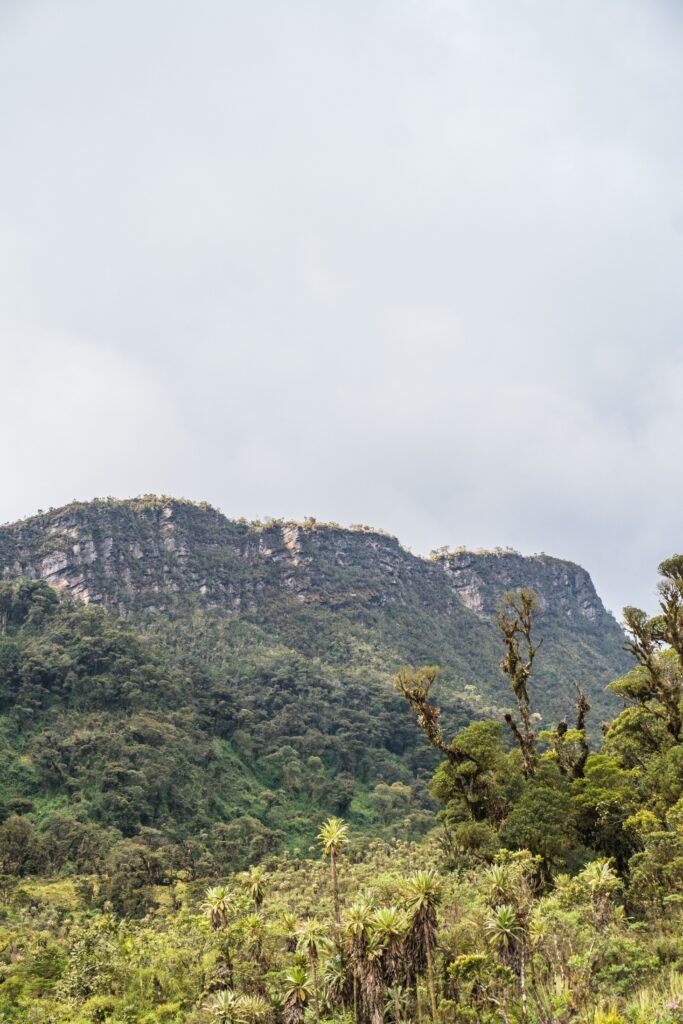
Because Mount Elgon sits within a broader cluster of eastern Uganda attractions, a Mount Elgon Hiking Uganda itinerary rarely needs to stand alone. Sipi Falls, on the mountain’s own lower slopes, offers a full day of shorter waterfall hikes, abseiling, and coffee farm tours that pair naturally with either end of a longer summit trek. Jinja, roughly two to three hours west, adds white water rafting, bungee jumping, and a boat cruise to the Source of the Nile, making it easy to bookend a demanding mountain trek with a few days of adventure activity along the river before returning to Kampala.
For travelers with more time, Mount Elgon Hiking Uganda can also anchor a longer northeastern circuit that continues toward Sipi’s coffee growing hills, the plains of Karamoja, or Kidepo Valley National Park further north, stitching together mountain trekking, cultural tourism, and classic savannah wildlife into a single extended trip. Because this corner of Uganda remains relatively undertouristed compared with the southwestern gorilla trekking circuit, building a longer eastern itinerary around Mount Elgon rewards travelers with a genuinely different, less crowded version of a Uganda safari than the country’s more famous destinations typically offer.
Common Questions About Mount Elgon Hiking Uganda
Travelers considering their first trek tend to ask a similar set of questions. How difficult is the hike? Difficulty varies considerably by route and duration, with the Sasa Trail’s steep initial climb considered the most physically demanding, while the Sipi Trail offers a gentler, more gradual ascent better suited to less experienced hikers.
Do you need previous mountaineering experience? No technical climbing skills are required for the standard routes to Wagagai Peak, though a reasonable level of fitness and several days of sustained walking at altitude are necessary for anyone attempting the full summit trek.
How many days should be set aside? Most complete treks to Wagagai Peak and back take between four and seven days depending on the chosen route and pace, though shorter day hikes around Sipi Falls and the lower slopes are available for travelers without the time for a full summit attempt. Is altitude sickness a concern? Given the summit’s elevation above four thousand metres, some hikers do experience mild symptoms, making a gradual ascent profile and adequate acclimatization days an important consideration when planning Mount Elgon Hiking Uganda, particularly for travelers without prior high altitude experience.
Why Mount Elgon Hiking Uganda Deserves a Place on Your Itinerary
For travelers who have already ticked off Uganda’s classic gorilla trekking and savannah safari circuit, or for hikers simply looking for a genuinely demanding multi-day trek without the crowds of Kilimanjaro, Mount Elgon Hiking Uganda offers something increasingly rare in East African travel: a major mountain experience that still feels like a genuine discovery. From the ancient caldera and elephant-visited caves to the cultural depth of the Bagisu and Sabiny communities living on its slopes, Mount Elgon rewards travelers willing to trade a little crowding for solitude and a route considerably less trodden than the region’s more famous peaks.
Reach out to Tulambule Uganda Safaris to start planning your own Mount Elgon Hiking Uganda adventure, combined with Sipi Falls, Jinja, or a broader eastern Uganda circuit.