7 Remarkable Reasons to Go
Rhino Trekking in Uganda offers a rare chance to walk among wild white rhinos at Ziwa Sanctuary, a true conservation comeback story in East Africa.
Uganda lost its wild rhino population decades ago, wiped out by poaching and political upheaval. Rhino Trekking in Uganda today tells a completely different story, one of recovery rather than loss. This guide explains why that turnaround makes for one of the country’s most meaningful wildlife experiences.
Every trek here happens on foot, guided by rangers who know each rhino individually. Rhino Trekking in Uganda is unlike a typical vehicle-based game drive, since visitors approach on the same ground the animals occupy. By the end of this guide, you will understand exactly what makes the experience so distinctive.
Why Rhino Trekking in Uganda Tells a Conservation Comeback Story
Uganda’s wild rhinos disappeared entirely by the early 1980s. Decades of poaching, combined with civil war and political instability, wiped out a population that once roamed the country’s national parks freely. For nearly two decades afterward, Uganda had no rhinos left in the wild at all.
Ziwa Rhino Sanctuary changed that trajectory starting in 2005. Six rhinos arrived that year, four transferred from Solio Ranch in Kenya and two donated from Disney’s Animal Kingdom in Florida. Rhino Trekking in Uganda exists today entirely because of that small founding group and the breeding program built around them.
The population has grown substantially since those first six animals arrived. Recent counts place the sanctuary’s rhino numbers near 60, with regular new births reported year after year. This growth is precisely why Rhino Trekking in Uganda has become such a genuine conservation success story worth experiencing firsthand.
Rhino Trekking in Uganda: Key Facts Before You Go
Ziwa Rhino Sanctuary sits in Nakasongola District, roughly 176 kilometers north of Kampala along the Kampala-Gulu Highway. Most visitors combine a stop here with the longer drive toward Murchison Falls National Park. The sanctuary spans about 70 square kilometers of woodland, savannah, and swamp habitat.
Around 70 rangers and security staff patrol the property around the clock. This heavy security presence has been essential to keeping the population safe and steadily growing. Each rhino group is monitored closely, with rangers tracking behavior, health, and movement patterns daily.
A typical visit begins with a vehicle drive to locate the rhinos across the sanctuary’s wide grounds. Once spotted, visitors continue on foot alongside armed rangers for the walking portion of the experience. Rhino Trekking in Uganda usually lasts between one and two hours from start to finish.
7 Remarkable Reasons for Rhino Trekking in Uganda
Below are seven reasons this experience stands out among Uganda’s wildlife activities. Each reflects a different part of what makes walking among wild rhinos so memorable. Together, they explain why so many visitors add Ziwa to their broader safari itinerary.
Reason One: Rhino Trekking in Uganda Puts You on Foot, Not in a Vehicle
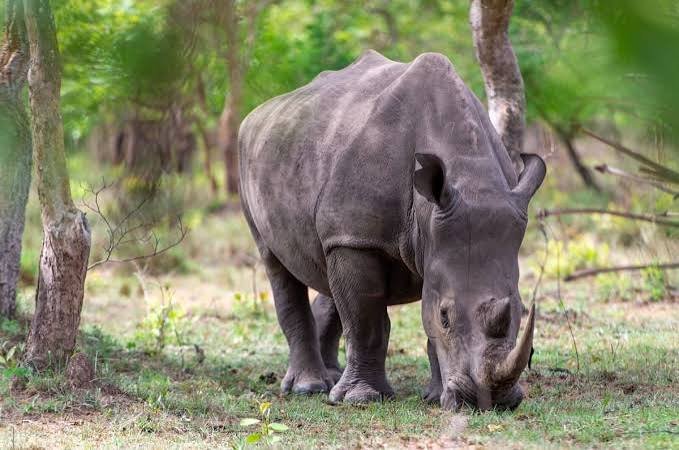
Few wildlife encounters anywhere allow this kind of proximity without a vehicle between visitor and animal. Walking quietly toward a grazing white rhino creates a sense of scale that a game drive simply cannot replicate. Rangers keep a safe, respectful distance throughout, but the closeness still feels remarkable.
This ground-level approach also changes how visitors experience the surrounding habitat. Grasslands, thickets, and swampy patches all become part of the encounter rather than scenery passing by a car window. Rhino Trekking in Uganda rewards visitors who appreciate this slower, more immersive style of wildlife viewing.
Reason Two: Rhino Trekking in Uganda Represents a Genuine Conservation Success
Very few conservation stories in Africa show this kind of measurable turnaround. A population that started at six animals has grown roughly tenfold within two decades. Rhino Trekking in Uganda gives visitors a rare chance to witness that recovery firsthand rather than simply reading about it.
Tourism revenue tied directly to these visits supports the ranger teams and infrastructure responsible for this growth. Every trek fee contributes to a program that has kept poaching pressure at bay for years. Few wildlife experiences offer such a direct, visible connection between a visit and a conservation outcome.
Reason Three: Rhino Trekking in Uganda Is Building Toward Something Bigger
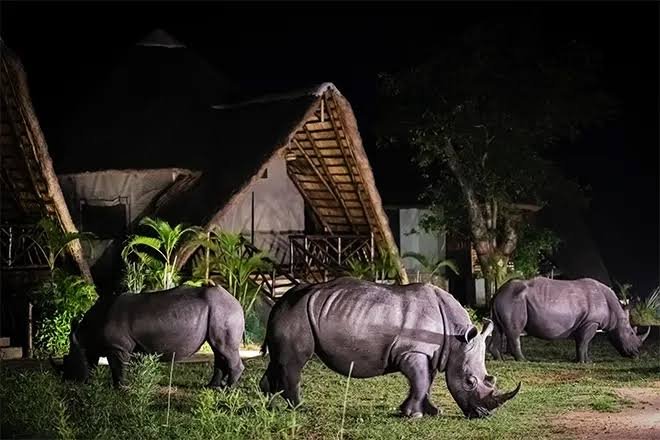
Ziwa was never intended as a permanent enclosure alone. The long-term plan has always centered on eventually returning rhinos to Uganda’s national parks. In March 2026, that vision took a major step forward when southern white rhinos were relocated over 400 kilometers to a newly prepared sanctuary within Kidepo Valley National Park.
Kidepo had been without rhinos since 1983, making this relocation a genuinely historic milestone. Rhino Trekking in Uganda today is effectively an early chapter in a much longer restoration story. Visitors taking part now are witnessing conservation history while it is still actively unfolding.
Reason Four: Rhino Trekking in Uganda Offers More Than Rhinos Alone
The sanctuary’s 70 square kilometers support far more than its namesake species. Birdlife is abundant across the property’s mixed woodland and wetland habitats. A dedicated shoebill trek and canoe ride add an entirely different wildlife encounter to the same visit.
Night nature walks provide yet another way to experience the property after dark. Nocturnal species become active once the sun sets, offering a completely different atmosphere from the daytime trek. Rhino Trekking in Uganda pairs naturally with these additional activities for visitors with extra time.
Reason Five: Rhino Trekking in Uganda Fits Naturally Into a Wider Itinerary
Ziwa’s location along the main route to Murchison Falls National Park makes it an efficient addition to almost any northern Uganda itinerary. Most visitors stop here either on the way to or from the park, rather than treating it as a separate trip. This convenience is part of why so many safari operators build it into standard packages.
The relatively short time commitment also makes it accessible for travelers on tighter schedules. A visit typically takes half a day, including both the search and the walking portion. Rhino Trekking in Uganda requires far less planning than a multi-day trek elsewhere in the country.
Reason Six: Rhino Trekking in Uganda Offers Close Encounters With Calves
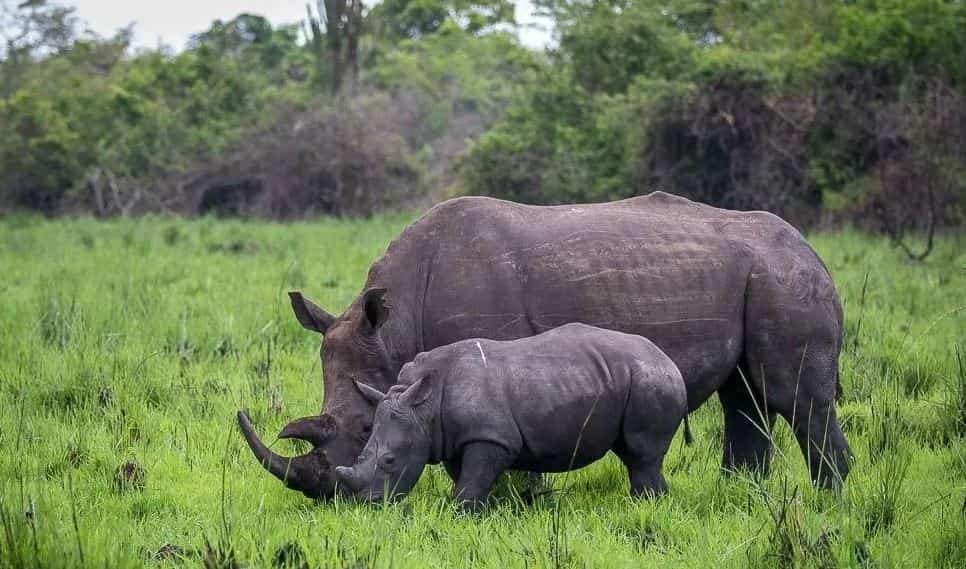
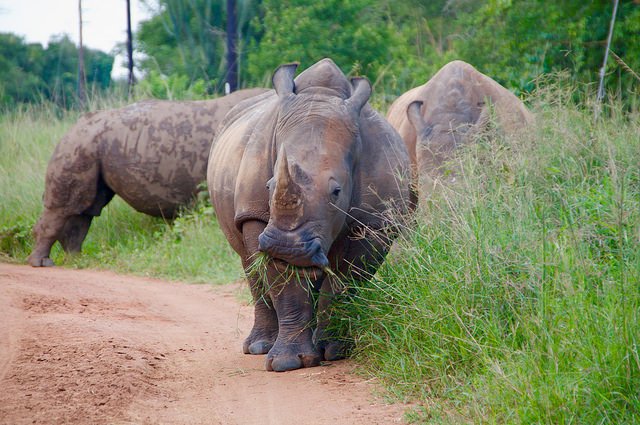
Newborn and young rhinos are a regular sight at Ziwa, given the sanctuary’s consistent breeding success. Watching a calf stay close to its mother while grazing offers a softer, more intimate side of an animal often associated purely with bulk and power. These moments are frequently cited among visitors’ favorite parts of the experience.
Guides share details about individual rhinos, including names, lineage, and personality quirks built up over years of close monitoring. This personal knowledge transforms the encounter from a generic sighting into something closer to meeting individual characters. Rhino Trekking in Uganda benefits enormously from this depth of guide expertise.
Reason Seven: Rhino Trekking in Uganda Is a Story Worth Telling
Few visitors leave Ziwa without a strong urge to share what they witnessed. The combination of history, conservation stakes, and genuine proximity to a massive wild animal makes for a naturally compelling story. Rhino Trekking in Uganda tends to surprise people who did not expect a rhino encounter to be part of their Uganda trip at all.
This word-of-mouth effect has helped grow awareness of the sanctuary’s work well beyond dedicated wildlife enthusiasts. Many travelers add the stop almost as an afterthought, then describe it later as an unexpected highlight. Few activities in the country generate this kind of enthusiastic recommendation from past visitors.
What to Expect on a Rhino Trekking in Uganda Day
Visits typically begin with a briefing at the sanctuary’s reception area. Rangers explain safety guidelines and background on the current rhino groups before departure. A vehicle then carries visitors partway into the sanctuary grounds to locate the animals.
Once rhinos are spotted, the group continues on foot under close ranger guidance. Visitors are asked to stay quiet and move slowly to avoid startling the animals. Photography is welcome throughout, provided visitors maintain the recommended safe distance at all times.
The full experience, including the search and the walking portion, usually takes one to two hours. Some visitors extend their stay afterward with a shoebill trek or a birding walk around the property. Simple accommodation, including a campsite and guest houses, is available for those wanting to stay overnight.
Best Time for Rhino Trekking in Uganda
Treks run year-round, since the sanctuary’s location and habitat remain accessible in most weather conditions. The dry months, from June through September and December through February, offer firmer ground and easier walking. Wetter months can make certain sections muddier but rarely prevent a trek altogether.
Because Ziwa sits along the main route to Murchison Falls, many visitors simply build a stop into whichever season they are already traveling. Rhino Trekking in Uganda rarely requires the kind of seasonal planning that other activities demand. Flexibility here is one of the sanctuary’s practical advantages.
Early morning visits tend to offer calmer conditions and cooler walking temperatures. Rhinos are often most active during these cooler hours as well. Scheduling a stop early in the day generally produces the most comfortable and rewarding experience.
How to Prepare for Rhino Trekking in Uganda
Comfortable, closed walking shoes handle the sanctuary’s grassland and thicket terrain well. A hat and sunscreen are essential, since much of the walking happens across open, exposed savannah. Light, breathable clothing in neutral tones suits the warm daytime conditions typical of the region.
Binoculars add value beyond the rhino encounter itself, particularly for the property’s abundant birdlife. A camera with reasonable zoom capability captures both the rhinos and any birds spotted along the way. Insect repellent is worth packing given the sanctuary’s swampy sections.
Following ranger instructions closely remains the single most important preparation of all. Rhino Trekking in Uganda depends on visitors moving calmly and predictably around wild animals. Guides are trained to manage encounters safely, but cooperation from visitors makes their job considerably easier.
The History Behind Ziwa Rhino Sanctuary
Uganda once had a healthy wild rhino population spread across several national parks. Political turmoil through the 1970s and 1980s, combined with rampant poaching, erased that population entirely within a few short decades. By the early 1980s, no wild rhinos remained anywhere in the country.
Restoring that population required starting almost from scratch. Rhino Fund Uganda partnered with private landowners to establish a secure sanctuary specifically for breeding and eventual reintroduction. This partnership between conservation groups, government agencies, and private management became the foundation Rhino Trekking in Uganda now rests on.
The choice of southern white rhinos for reintroduction reflected both availability and suitability for the local habitat. Solio Ranch in Kenya provided four founding animals, while two additional rhinos arrived from a zoo breeding program in the United States. This unusual, multi-continent origin story is part of what makes the sanctuary’s recovery narrative so distinctive.
Meet the Team Protecting Uganda’s Rhinos
Round-the-clock security has been essential to the sanctuary’s success since day one. Roughly seventy rangers and security personnel rotate through shifts, ensuring every rhino group has monitoring coverage at all hours. This staffing level reflects just how seriously the sanctuary treats the threat of poaching.
Individual monitoring goes well beyond simple headcounts. Rangers track each rhino’s location, health indicators, and social behavior on a near-daily basis. This granular data collection has also contributed valuable research to rhino conservation efforts well beyond Uganda’s borders.
Community involvement plays an important supporting role as well. Local residents near the sanctuary have increasingly found employment tied to tourism and ranger operations. Rhino Trekking in Uganda has, in this way, become an economic asset for the surrounding area as much as a conservation project.
Combining Rhino Trekking in Uganda With a Wider Safari
Most visitors treat Ziwa as a stop along a longer northern Uganda itinerary. Murchison Falls National Park sits within a few hours’ drive, offering boat cruises, game drives, and the dramatic falls themselves. Pairing both destinations creates an efficient, well-rounded route through the region.
Kidepo Valley National Park, now home to some of Ziwa’s relocated rhinos, offers an entirely different experience for travelers with more time. This remote northeastern park remains one of Uganda’s least visited yet most rewarding destinations. Visitors chasing a fuller rhino story might consider adding Kidepo to a longer itinerary.
Birders often extend their stop at Ziwa specifically for the shoebill trek and canoe ride offered on-site. This activity adds a completely different wildlife encounter without requiring additional travel time. Rhino Trekking in Uganda and shoebill viewing make an efficient, complementary pairing within a single stop.
Travelers heading further north sometimes extend their route toward Kidepo Valley itself, particularly once relocated rhino groups are settled and viewable there. This emerging option adds an entirely new chapter to Uganda’s broader rhino story. For now, most visitors still experience their first rhino encounter at Ziwa before considering anything further afield.
Frequently Asked Questions
Is Rhino Trekking in Uganda safe? Yes, when following ranger guidance closely throughout the visit. Armed rangers accompany every group and maintain safe distances at all times.
How many rhinos will I likely see? Group sizes vary, but visitors typically encounter several rhinos together, including calves during breeding-active periods. Exact numbers depend on which group rangers locate that day.
Can children take part in the trek? Yes, though supervision and attentiveness to ranger instructions remain important throughout. Families should check current age guidelines directly with the sanctuary before visiting.
Do I need a separate permit for rhino trekking? Yes, a trekking fee is charged separately from general sanctuary entry. Rates are typically arranged in advance through a tour operator or directly with Ziwa.
Is a guide included in the trekking fee? Yes, every group is accompanied by trained rangers throughout the search and walking portions. Their guidance covers both safety and the natural history of the rhinos being observed.
Can I combine rhino trekking with other activities on the same day? Yes, many visitors add a shoebill trek, canoe ride, or short birding walk to the same visit. Planning a half-day or full-day stop allows time for more than just the rhino encounter itself.
Final Thoughts on Rhino Trekking in Uganda
Few wildlife experiences anywhere combine history, conservation stakes, and genuine proximity quite like this one does. A population that once numbered zero in the wild has grown into a genuine recovery story unfolding in real time. Watching that story continue, on foot and up close, is something few other destinations in Africa can offer.
Whether added as a quick stop en route to Murchison Falls or treated as a dedicated destination in its own right, the experience consistently exceeds expectations. Rhino Trekking in Uganda rewards curiosity about conservation as much as it rewards a simple love of wildlife. Few short stops on a Uganda itinerary leave quite this lasting an impression.
Book Your Rhino Trekking in Uganda Experience with Tulambule Uganda Safaris
Ready to walk among Uganda’s recovering rhino population and witness conservation history firsthand?
Tulambule Uganda Safaris can build a complete itinerary around Ziwa, Murchison Falls, and the wider northern Uganda circuit. Reach out today and let Tulambule Uganda Safaris turn this guide into your next unforgettable adventure.