Every August, a small town at the foot of Africa’s tallest mountain range transforms into one of the continent’s most talked about sporting stages. Runners from nearly forty five countries touch down in western Uganda, lace up beneath snow capped peaks, and set off on a course that crosses the Equator itself. This race has grown from a modest idea into one of East Africa’s most celebrated road races, and it is doing something few sporting events manage: turning a once overlooked town into a destination travelers actively plan trips around.
If you have never heard of it, or only know it by its sponsor name, this is everything you need to know about the Rwenzori Marathon and why Kasese is fast becoming one of Uganda’s most exciting places to be every August. From its unlikely beginnings to its current status as a World Athletics Label race with a genuine global following, the story of this event is really the story of how sport can quietly reshape a region’s fortunes.
What Is the Rwenzori Marathon
The Rwenzori Marathon, officially the Tusker Lite Rwenzori Marathon, is an annual road race held in Kasese District in western Uganda, set against the dramatic backdrop of the Rwenzori Mountains, better known to travelers as the Mountains of the Moon. The race brings together elite professional athletes, first time runners, corporate teams, and international travelers who come as much for the scenery as for the competition.
What makes the Rwenzori Marathon stand apart from almost every other race on the continent is its route. Runners begin at the Equator monument inside Queen Elizabeth National Park, cross from the northern to the southern hemisphere on foot, and finish in the shadow of glacier capped peaks in Kasese town. Few marathons anywhere in the world can claim a start line that literally straddles two hemispheres.
The event was created with a purpose beyond the finish line. It was designed to promote sports tourism, support local businesses, and shine a light on a region of Uganda that had, for years, struggled to attract the visitor numbers seen in Bwindi or Queen Elizabeth National Park. This race has become the vehicle for that transformation, and the growth in participation year after year shows just how effective that vision has been.
History and Growth of the Rwenzori Marathon
The Rwenzori Marathon was founded in 2022 by Ugandan tour operator Amos Wekesa alongside Robert Kabushenga, a former media executive, with the shared goal of building a major international event around the natural beauty of the Rwenzori region. The inaugural race, held in September that year, attracted just over eight hundred runners, a respectable start for a brand new event in a town with little prior experience hosting international sport. Uganda Breweries Limited came on board as title sponsor through its Tusker Lite brand, and the partnership has remained central to the race ever since.
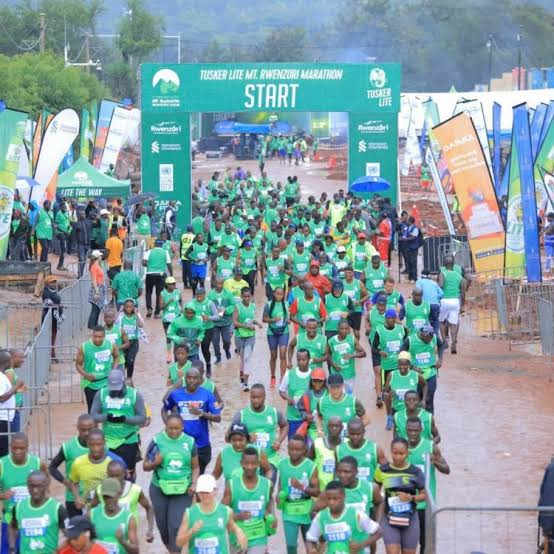
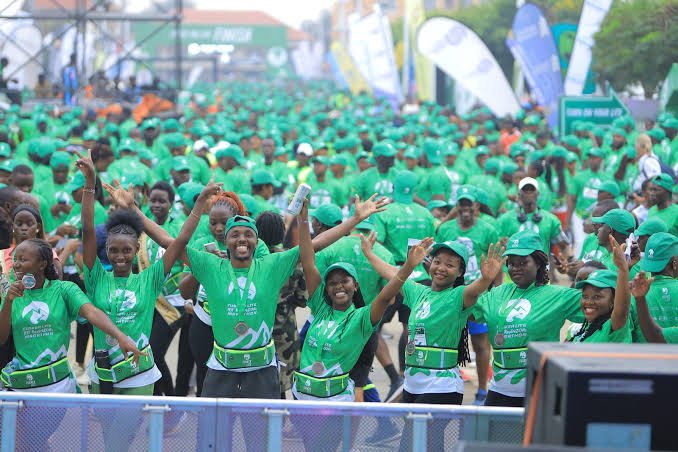
What followed was rapid growth. By its second year, participation had doubled. By 2025, roughly six thousand runners from thirty six countries had signed up to run beneath the glaciers of the Rwenzori range and along the borders of Queen Elizabeth National Park. In 2024, the Rwenzori Marathon achieved a milestone that placed it firmly on the global running calendar:
certification from World Athletics, making it the first marathon in Uganda to receive that distinction. In 2026, the race went a step further, becoming an official World Athletics Label Road Race, the first in Uganda and only the third in East Africa to hold that status. This label means the Rwenzori Marathon now serves as an official qualifying race for two of the most storied ultra-distance events in the world, South Africa’s Comrades Marathon and the Two Oceans Marathon in Cape Town, giving Ugandan and East African athletes a genuine pathway to compete on the international stage.
The 2026 edition marks the race’s fifth anniversary, and organizers are expecting around eight thousand runners in Kasese, a number that would have seemed unimaginable when the race first launched with fewer than a thousand participants four years earlier.
The Route: Crossing the Equator Into the Mountains of the Moon
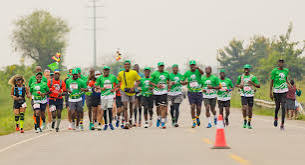
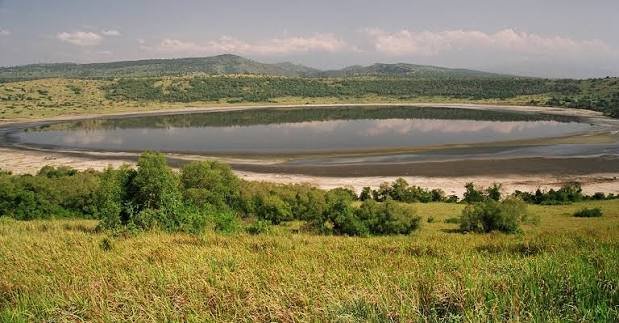
Part of what makes the Rwenzori Marathon so distinctive is the route itself, believed to be one of the only marathon courses in the world that crosses the Equator during the race. The forty two kilometre marathon distance begins at the Equator monument at Kikorongo, right at zero degrees latitude inside Queen Elizabeth National Park, one of Uganda’s most biodiverse protected areas.
From there, runners move through the park’s open savannah, past terrain shared with elephants, buffaloes, and the occasional tree climbing lion for which the Ishasha sector is famous, before making their way toward Kasese town and finishing beneath the foothills of the Rwenzori Mountains. The course is internationally certified by World Athletics, meaning times recorded at the Rwenzori Marathon count toward official qualification standards worldwide.
The half marathon route, covering twenty one kilometres, takes runners directly into the foothills of the Rwenzori range and has been recognized internationally, including a mention by USA Today as one of the most scenic half marathons anywhere in the world. Shorter distances, including a ten kilometre run and a five kilometre fun run known as the Vibes Run, wind through the streets of Kasese itself, giving families, casual joggers, and first time participants a way to take part in the Rwenzori Marathon weekend without committing to the full distance. Whichever distance a runner chooses, the shared thread running through every route is the same: glacier capped mountains on one side, protected wilderness on the other, and a finish line that feels genuinely earned.
Race Categories and Distances
The Rwenzori Marathon is structured to welcome runners at every level of experience. The full marathon, at 42.195 kilometres, draws serious competitive athletes chasing qualifying times for Comrades and Two Oceans, alongside determined amateurs working toward a personal milestone. The half marathon offers a shorter but still demanding twenty one kilometre test through the Rwenzori foothills, popular among intermediate runners and travelers looking for a genuine physical challenge paired with spectacular scenery. The ten kilometre category sits comfortably between a serious workout and a manageable weekend activity, while the five kilometre Vibes Run is designed purely around participation, community spirit, and celebration rather than competitive times.
This range of distances is part of why the event has grown so quickly. Families, corporate teams, school groups, and running clubs can all take part on the same race weekend, at whichever distance suits them, while still being part of one shared event. Registration for the Rwenzori Marathon typically opens months in advance, with race kit pickup organized in both Kampala and Kasese in the days leading up to race weekend, allowing travelers coming from further afield to sort out logistics before heading west.
Rwenzori Marathon 2026: Fifth Edition Highlights
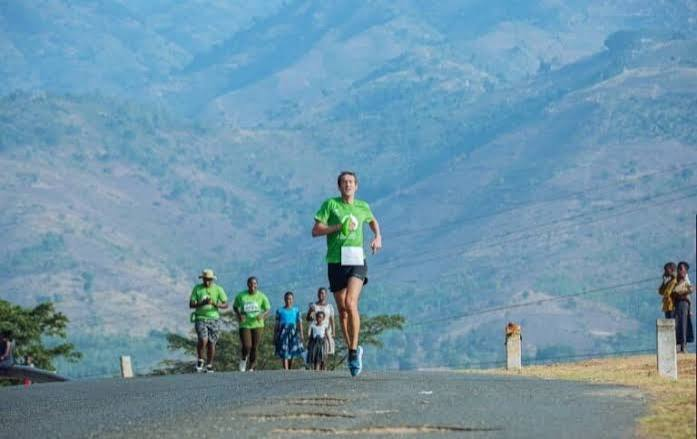
This year’s Rwenzori Marathon, taking place on Saturday the twenty second of August 2026, is being billed as the biggest edition yet. Organizers are preparing for around eight thousand runners, a fifth anniversary race kit has been unveiled, and government officials have projected that more than ten million people worldwide will follow the event through broadcast and social media coverage.
Uganda’s Ministry of Education and Sports has confirmed government support of roughly three point seven billion shillings toward the race, funding that goes primarily toward the prize purse designed to attract and reward competitive athletes from across the region.
International interest in this race continues to build each year. Ahead of the 2026 race, a delegation of runners and running influencers, many from South Africa, traveled to Uganda specifically to take part, some returning for a second consecutive year after describing their first Rwenzori Marathon experience as a highlight of their entire trip to the country. Community activation runs in the weeks before race day, including five and ten kilometre preview runs through Kasese, have become part of the build up, giving local residents and early arriving travelers a taste of the atmosphere before the main event.
For Ugandan officials, the significance of the Rwenzori Marathon now extends well beyond sport. Members of parliament representing the Kasese region have pointed to the race as one of the clearest examples of how a single event can reshape a town’s international profile, drawing visitors who might never otherwise have considered Kasese as a travel destination.
Why Kasese and the Rwenzori Region
Kasese was, for a long time, better known for past instability than for tourism. Nestled between Queen Elizabeth National Park and the Rwenzori Mountains, straddling the Equator itself, the town had all the natural ingredients for a major destination but lacked the platform to showcase them. The Rwenzori Marathon changed that almost overnight. What started as a bold experiment, betting that runners would travel to an unfamiliar corner of Uganda for the sake of a scenic course, has become one of the clearest tourism success stories in the country’s recent history.
The Rwenzori Mountains themselves, a UNESCO World Heritage Site known as the Mountains of the Moon, rise to 5,109 metres at Margherita Peak, Africa’s third highest summit after Kilimanjaro and Mount Kenya. Glaciers, alpine lakes, and rare vegetation like giant lobelias make the range a serious draw for trekkers long before the race existed, but the race has introduced this landscape to an entirely new audience of runners who might never have booked a multi day mountain trek on its own.
Alongside the mountains, Queen Elizabeth National Park offers game drives across the Kasenyi Plains, boat cruises on the Kazinga Channel, and a chance to see tree climbing lions in the Ishasha sector, all within easy reach of the race route itself.
Local businesses have felt the impact directly. Hotels, restaurants, and transport operators in Kasese report a noticeable surge every year around race weekend, and many have upgraded their standards specifically in anticipation of the growing number of international visitors the Rwenzori Marathon now attracts. Organizers describe the event as a social enterprise as much as a race, built to support Ugandan athletic talent, promote healthy living, and raise awareness about the very real threat climate change poses to the region, since the glaciers of the Rwenzori Mountains have been steadily retreating for decades.
More Than a Race: Tourism Built Around the Rwenzori Marathon
For most international travelers, the Rwenzori Marathon is rarely the only reason for the trip. Because the race sits at the crossroads of two major attractions, Queen Elizabeth National Park and the Rwenzori Mountains, it lends itself naturally to a longer itinerary. Many visitors arrive several days early to explore the park’s wildlife circuits or attempt a shorter Rwenzori foothill hike before race day, then stay on afterward to recover with a few nights at a lodge overlooking the Kazinga Channel or to continue west toward gorilla trekking in Bwindi Impenetrable Forest.
This pairing of sport and safari has become one of the defining features of the race weekend experience. Runners frequently describe the marathon itself as only part of the story, with a Kazinga Channel boat cruise, a game drive through the Kasenyi Plains, or an early morning walk in search of chimpanzees leaving just as strong an impression as the race. Tour operators across Uganda have taken notice, building dedicated travel packages around race weekend that combine registration logistics with wildlife safaris, transport from Entebbe, and accommodation in Kasese during the busiest days of the year.
Preparing to Run and Travel to the Rwenzori Marathon
Runners planning to take part should register well ahead of race weekend, since race kit collection is organized on a schedule, typically with a window in Kampala roughly a week before the event and a second window in Kasese in the final days leading up to race day. Travelers coming from outside Uganda will usually fly into Entebbe International Airport and then travel overland to Kasese, a journey of several hours through some of western Uganda’s most scenic countryside, or arrange a domestic flight to shorten the trip.
Because the race takes place at altitude and includes a stretch through the warm, open plains of Queen Elizabeth National Park before climbing toward the cooler Rwenzori foothills, runners are advised to prepare for shifting conditions across the course.
Hydration, appropriate footwear for a mixed terrain of tarmac and dirt roads, and sun protection for the early, hotter kilometres near the Equator are all worth planning around. Travel insurance is also recommended given the international nature of the event and the remote sections of the course. For those tackling the full 42.195 kilometre distance with an eye on qualifying times for Comrades or the Two Oceans Marathon, the Rwenzori Marathon’s World Athletics certification means every second on the clock counts toward that goal.
Accommodation in and around Kasese ranges from simple guesthouses to lodges positioned for sweeping views of the Rwenzori range, and booking early is essential, since availability tightens considerably in the weeks before race day as thousands of runners and their support crews descend on what is, for the rest of the year, a fairly quiet corner of Uganda.
Common Questions About the Rwenzori Marathon
Travelers weighing up whether to build a trip around this event tend to ask similar questions. When exactly does it take place? The race is held annually in August, with the 2026 edition falling on Saturday the twenty second, though organizers have occasionally shifted the date in past years, so checking the official calendar closer to your travel dates is worth doing.
How difficult is the course? The full marathon distance is demanding, partly because of the altitude and the warm early kilometres through Queen Elizabeth National Park, but the shorter ten and five kilometre categories are accessible to casual runners and families looking for a fun, low pressure way to take part in race weekend. Do you need to be an elite athlete to register? Not at all. The event was built around inclusivity from the start, welcoming everyone from first time joggers to Comrades hopefuls chasing a qualifying time, and the atmosphere in Kasese during race weekend reflects that mix of serious competition and community celebration.
Is it safe to travel to Kasese for the race? Security has been a consistent focus of the organizing team, with government agencies, including security officials, involved in planning and community activation runs held in the lead up to race day. Can the trip be combined with a wildlife safari? Almost every visitor does exactly that, since Queen Elizabeth National Park sits directly on the marathon route and the Rwenzori Mountains rise just behind the finish line, making it simple to pair a few days of running with a few days of game drives, boat cruises, or mountain hiking.
Finally, how far in advance should international travelers book? Given the growing global profile of the race and the surge in demand for accommodation in Kasese each August, booking flights, race kit collection slots, and lodging several months ahead is strongly recommended, particularly for anyone hoping to combine race weekend with time in Queen Elizabeth National Park or a Rwenzori foothill hike.
The Growing Global Profile of the Race
What began as a private sector bet on a little known town has increasingly caught the attention of Uganda’s government, international media, and the global running community. Officials have described the event as more than a race, framing it instead as a platform for talent identification among young Ugandan athletes, many of whom come from communities near Kasese with a strong but historically under supported running tradition. Government funding channelled into the prize purse each year is aimed specifically at giving these athletes a reason to compete and a realistic chance of being noticed on an international stage.
The involvement of national tourism bodies has also grown alongside the race’s profile. Uganda’s tourism authorities now treat race weekend as a flagship marketing moment, inviting international runners, coaches, and content creators to experience the country firsthand and share that experience with audiences who might never have otherwise considered Uganda as a running or safari destination. That strategy appears to be paying off, with each edition drawing runners from a wider spread of countries than the one before it, and with growing recognition among international race calendars and qualifying bodies for endurance events elsewhere in the world.
Why the Rwenzori Marathon Deserves a Place on Your Uganda Itinerary
Whether you are a competitive runner chasing a qualifying time, a casual jogger looking for an unforgettable five kilometre experience, or simply a traveler who wants to witness one of Africa’s most unusual sporting events in person, the Rwenzori Marathon offers something genuinely rare.
It is a race that starts on the Equator, finishes beneath glaciers, and passes through some of the richest wildlife country in East Africa along the way. Few events anywhere in the world combine elite level competition, community celebration, and world class scenery so completely in a single morning.
For Uganda, the Rwenzori Marathon has become something bigger than a sporting fixture. It is a case study in what a well organized event can do for a region once considered off the beaten path, and each August it brings thousands of runners, spectators, and curious travelers to a part of the country many would never otherwise visit.
If your next Uganda trip lines up with the fourth Saturday of August, building a few extra days around the Rwenzori Marathon, whether to run it yourself or simply to soak up the atmosphere in Kasese, is one of the most memorable ways to experience the Pearl of Africa. Get in touch with Tulambule Uganda Safaris to plan your trip around this year’s Rwenzori Marathon, combining race weekend with wildlife safaris in Queen Elizabeth National Park and beyond.