Rwenzori Mountains National Park is home to snow-capped peaks, rare wildlife, and legendary landscapes. Discover 6 breathtaking highlights for your next Uganda adventure.
6 Breathtaking Highlights You Can’t Miss
Rwenzori Mountains National Park is one of Africa’s most extraordinary landscapes. Straddling the border between Uganda and the Democratic Republic of Congo, it rises into snow-capped peaks just kilometers from the equator. Few places on the continent feel quite this otherworldly.
Rwenzori Mountains National Park has earned UNESCO World Heritage status for good reason. Its glaciers, rare plants, and dramatic peaks set it apart from every other park in East Africa.
This guide walks through six of its most breathtaking highlights, from legendary snow-capped summits to rich Bakonzo culture.
Unlike Uganda’s savannah parks, this is a place defined by altitude and atmosphere. Mist, cloud forest, and shifting weather shape every hour spent here. That constant sense of change is part of what makes it so captivating.
Travelers often arrive expecting a simple hike and leave with a much deeper appreciation for the range. Its scale becomes clearer with every passing vegetation zone. Few parks in Africa offer such a dramatic journey within a single trip.
Why Rwenzori Mountains National Park Should Be on Your Uganda Bucket List
Most travelers head to Uganda for gorillas, chimpanzees, or big game safaris. Rwenzori Mountains National Park offers something entirely different. It rewards those willing to trade game drives for mist, altitude, and quiet wilderness.
The park is often called the “Mountains of the Moon.” That name alone hints at how otherworldly this landscape feels. Jagged ridges, glacial valleys, and thick cloud forest create scenery unlike anywhere else in Africa.
This isn’t a quick stop on a standard itinerary. It’s a destination for travelers who want depth, challenge, and genuine adventure. Every highlight here rewards patience and a willingness to explore slowly.
For hikers, birders, and culture seekers alike, the park delivers in equal measure. Few places pack this much natural drama into one relatively compact range. That combination is exactly what makes it so memorable.
Even a short visit reveals why so many seasoned travelers rank it among Africa’s best-kept secrets. Unlike more famous ranges, it rarely feels crowded. That solitude adds real weight to every view along the way.
Guides here often know the terrain on a deeply personal level, having grown up in its shadow. That local knowledge shapes a richer, more grounded experience than a typical guided hike.
It’s one more reason the park continues to earn a loyal following among serious trekkers.
6 Breathtaking Highlights of Rwenzori Mountains National Park
Rwenzori Mountains National Park rewards visitors with landscapes and experiences found nowhere else in Uganda. From towering glacial peaks to rare wildlife, each highlight tells its own story. Here are six reasons this park deserves a place on your itinerary.
Margherita Peak and the Snow-Capped Glaciers
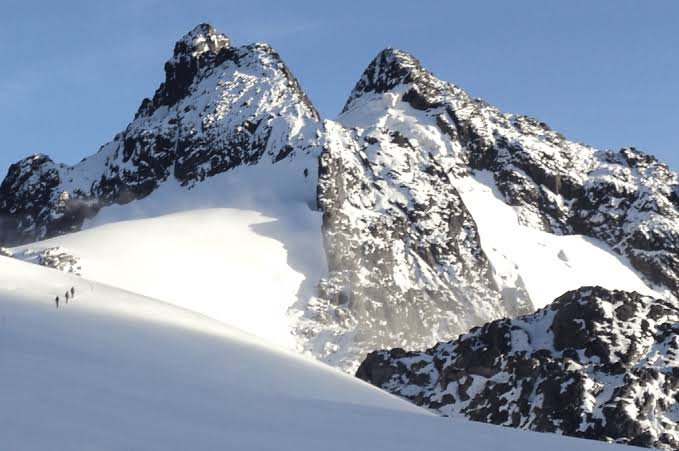
Margherita Peak rises to 5,109 meters, making it Uganda’s highest point. It sits atop Mount Stanley, the third-highest mountain in Africa. Remarkably, its summit stays permanently capped in snow and ice.
Reaching the peak is no small feat. The climb demands multiple days, technical skill, and serious stamina. Even so, the surrounding views make every difficult step worthwhile.
Roped glacier travel and basic mountaineering skills come into play near the final approach. Most trekking companies pair climbers with qualified mountain guides for this stretch. Proper preparation and the right equipment make a meaningful difference in both safety and enjoyment.
For non-climbers, lower vantage points still offer striking glimpses of the glaciers. Clouds often part just long enough to reveal the icy summit above. It’s a sight few visitors to East Africa ever witness.
Scientists have tracked the retreat of these glaciers for decades. Warming temperatures mean the ice cover is smaller today than it once was. Seeing it firsthand carries a certain urgency, since the landscape continues to change.
The Legendary Mountains of the Moon
Long before modern exploration, the ancient geographer Ptolemy wrote of mysterious snow-capped mountains at Africa’s heart. He believed they fed the source of the Nile River. Centuries later, that description was matched to the Rwenzoris.
The nickname “Mountains of the Moon” has stuck ever since. It captures the range’s mystical, almost otherworldly atmosphere. Mist rolls through the valleys most mornings, adding to the sense of legend.
Explorers and scientists spent decades trying to unravel the range’s secrets. Even today, parts of the park remain rarely visited. That sense of mystery is part of what makes it so compelling.
Local communities have their own stories about the mountains, layered alongside the European exploration narrative. These oral histories add depth beyond what any textbook captures. Hearing them from a local guide often becomes a trip highlight in itself.
Rare Afro-Alpine Vegetation
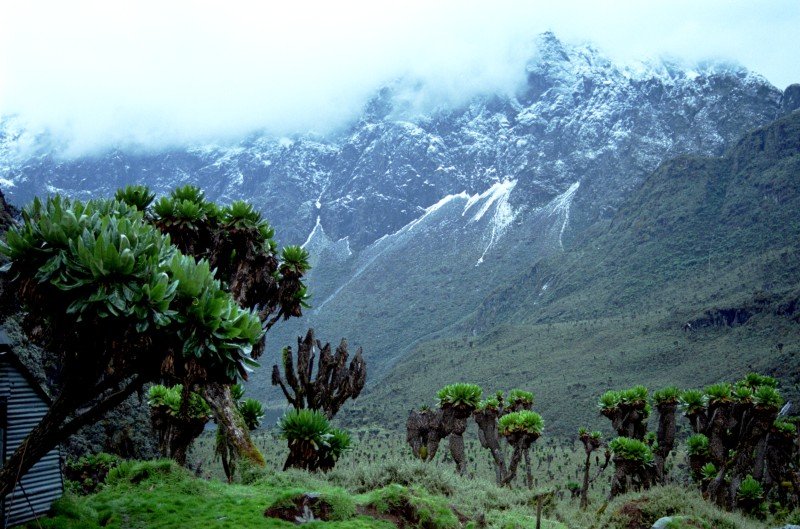
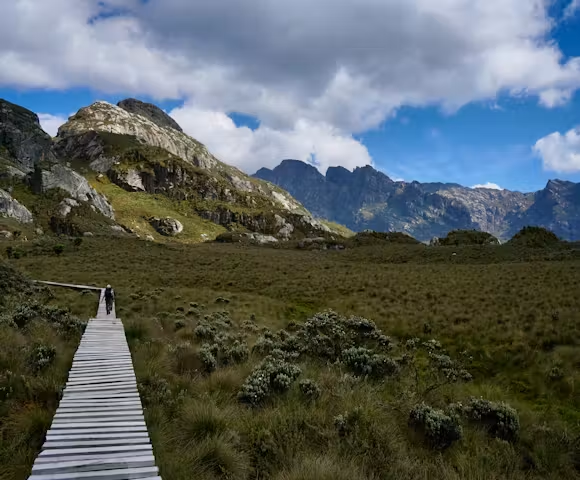
As you climb higher, the scenery shifts dramatically. Dense tropical forest gives way to bamboo groves, then moss-draped heather. Eventually, giant lobelias and towering groundsels take over the landscape.
These plants exist almost nowhere else on Earth. Some species have adapted over millennia to survive the mountain’s cold, thin air. Walking through them feels like stepping onto another planet.
Botanists and curious travelers alike find this transition unforgettable. Few hikes anywhere shift so dramatically across such a short distance. Each vegetation zone feels like an entirely different world.
Photographers in particular find this stretch rewarding. Mist, unusual plant silhouettes, and dramatic light combine for striking images. Even a smartphone camera captures scenes here that feel genuinely otherworldly.
Sparkling Glacial Lakes
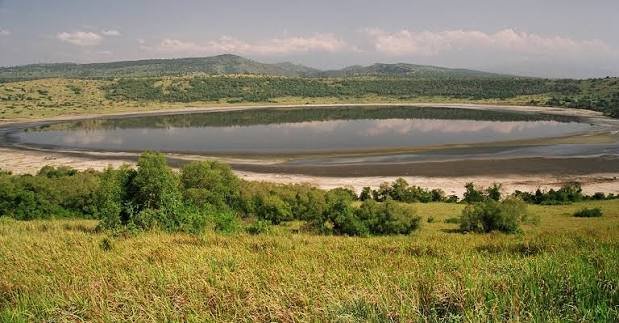
Scattered across the range are more than twenty glacial lakes. Many sit tucked into dramatic valleys, framed by cliffs and mist. Lake Bujuku and Lake Kitandara rank among the most photographed.
These lakes formed slowly, carved out by ancient glacial movement. Their still, reflective waters mirror the peaks above on clear days. For trekkers, they often mark welcome rest points along demanding routes.
Early morning is often the best time to visit these lakes. Wind stays calm, and reflections on the water are at their sharpest. Many photographers plan their itinerary specifically around catching this window of stillness.
Lake Mahoma, found along the Central Circuit, is especially accessible. Its relatively gentle approach makes it popular with shorter treks. Even a brief visit here captures the park’s quiet, dramatic beauty.
Lake Irene and Lake Kopello add further variety to the route. Each lake has its own character, shaped by surrounding cliffs and vegetation. Trekkers often pause here for meals, photos, or simply a moment of stillness.
Extraordinary Wildlife and Birdlife
Rwenzori Mountains National Park protects species found nowhere else on the planet. The Rwenzori climbing mouse and Rwenzori red duiker are both endemic to the range. Sightings are rare, which only adds to their appeal.
Birders have even more reason to visit. Around 19 of the park’s bird species exist only within the Rwenzoris. The vivid Rwenzori turaco is a particular favorite among visiting birdwatchers.
Sunbirds, francolins, and various raptors also add to the park’s appeal for birding enthusiasts. Lower forest zones tend to offer the richest variety of sightings. A patient, quiet approach usually rewards visitors with the best views.
Primates also roam these slopes in good numbers. Blue monkeys and black-and-white colobus move through the lower forest zones. Occasional chimpanzee sightings add further excitement for wildlife lovers.
Elephants and the rare Rwenzori otter also inhabit the park, though sightings are uncommon. Their presence adds an element of surprise to any trek. Guides trained in tracking often know exactly where to look.
Bakonzo Culture and Community Trails
The Rwenzori region has long been home to the Bakonzo people. Their villages sit at the base of the mountains, rich with tradition and history. Community trails offer visitors a genuine window into that culture.
Guided walks often include homestead visits and traditional performances. Travelers can sample local cuisine and hear stories passed down through generations. It’s a grounded, human counterpart to the wild peaks above.
Craft demonstrations are another common feature of these visits. Weaving, basket-making, and traditional cooking methods are often shown to guests. Purchasing handicrafts directly supports the families who create them.
Some communities also offer homestay experiences for travelers wanting a deeper connection. Spending a night in a Bakonzo household adds real texture to the trip. It’s an option worth considering for travelers with a flexible schedule.
These cultural experiences pair beautifully with a trek. They offer rest, connection, and context before or after days spent on the mountain. Many visitors find these encounters just as memorable as the landscapes themselves.
How to Get to Rwenzori Mountains National Park
Reaching the park typically starts with a flight or drive to Kasese, in western Uganda. Kasese sits roughly 400 kilometers from Kampala, making road travel a full-day journey. Domestic flights to nearby airstrips can cut that time significantly.
From Kasese, it’s a short transfer to either main trailhead. Nyakalengija serves the Central Circuit in the north, while Kilembe town anchors the southern route. Most tour operators arrange this final leg as part of a full trekking package.
Travelers combining Rwenzori Mountains National Park with other Uganda destinations often route through Queen Elizabeth National Park nearby. This makes it easy to pair mountain trekking with a more traditional savannah safari. Planning both together can make efficient use of time in western Uganda.
Border logistics are worth noting too, given the park’s proximity to the Democratic Republic of Congo. Most visitors approach entirely from the Ugandan side, so this rarely causes complications. Still, it’s useful context for understanding the region’s geography.
Trekking Routes Through Rwenzori Mountains National Park
Two main trailheads lead into Rwenzori Mountains National Park. The Central Circuit begins at Nyakalengija in the north, while the Kilembe Trail starts further south. Both routes eventually connect toward the higher glacial zones.
The Central Circuit is the more established option. It winds through several vegetation zones before reaching the park’s dramatic lake systems. Many trekkers consider it slightly gentler than the alternative route.
The Kilembe Trail offers a quieter, less-crowded experience. It passes through remote forest and higher ridgelines before joining routes toward Margherita Peak. Trekkers seeking solitude often prefer this side of the range.
Both routes can be tailored to different fitness levels and time frames. Shorter treks might last three to four days, focusing on lower highlights. Full summit attempts typically require seven days or more.
Whichever route you choose, huts and campsites are spaced along the way. These provide basic shelter and a chance to rest between demanding sections. Porters and guides help carry gear, making the climb more manageable.
Some operators also offer shorter day treks near the park’s lower gates. These suit travelers short on time who still want a taste of the mountain scenery. They’re a good introduction before committing to a longer expedition.
Best Time to Visit Rwenzori Mountains National Park
Weather plays a major role in any Rwenzori experience. The park sits in a naturally wet, misty climate most of the year. Even so, some months offer noticeably better trekking conditions than others.
The driest windows typically fall between December and February, then June through August. Trails are firmer, visibility improves, and river crossings become more manageable. These months are generally considered the best time for serious trekking.
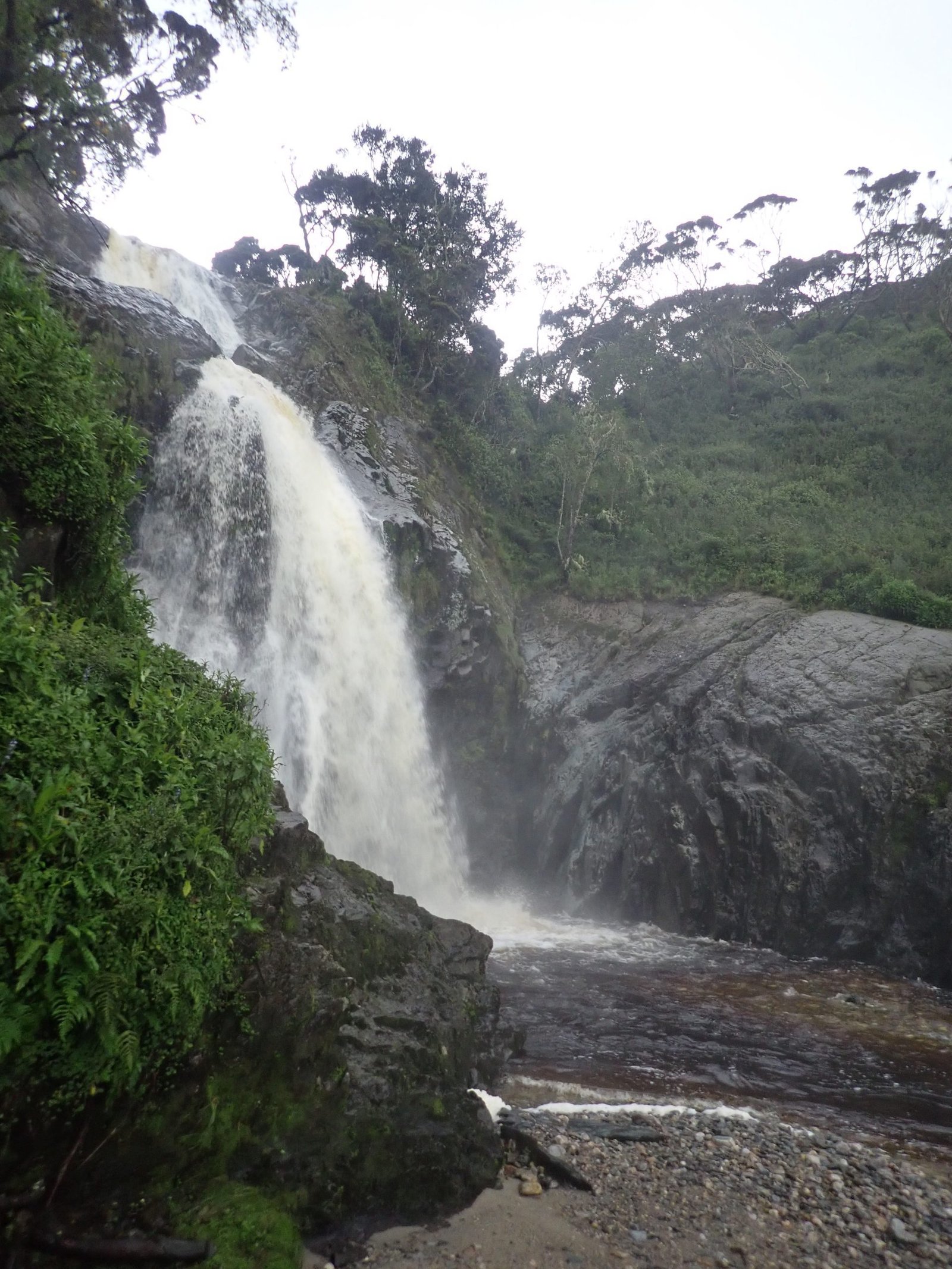
Rainy months bring their own rewards, despite muddier trails. Vegetation turns especially lush, and waterfalls swell dramatically. Travelers less focused on summiting may still enjoy shorter hikes during this period.
Shoulder months, such as March or November, can also work well for flexible travelers. Crowds thin out further, and rates at some lodges may be more favorable. The trade-off is a slightly higher chance of rain interrupting your plans.
Regardless of season, expect changeable weather at higher altitudes. Layered clothing and proper gear remain essential year-round. A good guide will help you plan around conditions realistically.
Altitude also affects timing decisions. Higher camps can see near-freezing nights even during the warmer months. Packing for both heat and cold is simply part of preparing for this park.
Tips for Exploring Rwenzori Mountains National Park
Physical preparation matters more here than in most Uganda destinations. Multi-day treks involve steep terrain, altitude, and unpredictable weather. Building fitness beforehand makes the experience far more enjoyable.
Proper gear is essential for comfort and safety. Waterproof boots, layered clothing, and a reliable rain jacket are non-negotiable. Bogs and stream crossings are common, especially on longer routes.
Choosing the right route matters just as much as fitness. Shorter trails suit travelers wanting scenery without a full summit attempt. Longer circuits reward those chasing Margherita Peak itself.
Training hikes with a loaded backpack in the months before your trip can help enormously. Building leg strength and cardiovascular endurance makes the daily climbs feel more manageable. Even modest preparation pays off once you’re on the trail.
Hiring experienced local guides and porters is strongly recommended. They know the terrain, weather patterns, and safest paths through the range. Their knowledge also supports local Bakonzo communities directly.
Acclimatization matters too, especially on longer treks toward Margherita Peak. Ascending gradually reduces the risk of altitude sickness significantly. Guides typically build rest days into longer itineraries for exactly this reason.
Finally, build flexibility into your schedule. Weather can delay treks or shift planned routes at short notice. A little patience goes a long way in this remote, ever-changing landscape.
Travel insurance with mountain rescue coverage is also worth considering. Given the remoteness of the range, evacuation logistics can be complex. Having proper coverage offers valuable peace of mind before you set out.
Packing light but smart is another useful habit. Porters can carry a set amount of gear, so overpacking often becomes a burden rather than a help. A well-organized kit list, provided by most tour operators, keeps things manageable.
Finally, respect the pace the mountain sets. Altitude and terrain here don’t reward rushing. Trekkers who move steadily and listen to their guides tend to have the most rewarding experience overall.
Ready to Explore Rwenzori Mountains National Park?
Few destinations in Africa combine adventure, culture, and rare natural beauty quite like this one. From snow-capped peaks to endemic wildlife, every highlight here feels genuinely unique. It’s a park built for travelers seeking something beyond the ordinary safari.
Whether you’re drawn to the challenge of Margherita Peak or the quiet charm of Bakonzo village trails, there’s something here for every kind of explorer. Planning well makes all the difference on a trip like this.
A well-organized trek through Rwenzori Mountains National Park can easily become the highlight of an entire Uganda itinerary. Pairing it with a nearby savannah park rounds out the trip with contrast and variety. Together, they offer a fuller picture of what this country has to offer.
Ready to start planning your trek? Tulambule Uganda Safaris can help you choose the right route, guides, and itinerary for your adventure.
Reach out today and begin planning your journey into Uganda’s Mountains of the Moon.