10 Essential Things to Pack
Uganda Gorilla Trekking Packing List essentials cover terrain, weather, and comfort needs. Discover the 10 essential things to pack before your trek.
Standing meters away from a wild mountain gorilla is unforgettable. Getting there, however, means hours on muddy, steep, and unpredictable rainforest trails. The right gear turns a grueling hike into a manageable, even enjoyable, adventure.
Many first-time trekkers underestimate how physically demanding the terrain can be. A well-planned Uganda Gorilla Trekking Packing List prevents last-minute scrambling and discomfort on the trail. It also ensures you can actually enjoy the encounter once you reach the gorillas.
This guide covers the 10 essential things every Uganda Gorilla Trekking Packing List should include. Each item solves a real problem you will face on the trail. By the end, your packing list will be complete and confidence-ready.
If you are still finalizing your budget, our guide to the Uganda Gorilla Permit Cost breaks down permit pricing by traveler category and season.
Why Your Uganda Gorilla Trekking Packing List Matters
Bwindi Impenetrable Forest earns its name honestly. Dense vegetation, steep slopes, and unpredictable rain define the terrain year-round. Poor gear choices can turn a three-hour hike into a miserable ordeal, which is exactly why a solid Uganda Gorilla Trekking Packing List matters so much before you leave home.
Rangers and guides employed by the Uganda Wildlife Authority carry basic supplies, but they cannot substitute for your own preparation. A missing rain jacket or wrong footwear affects only you, not the group’s pace. Thoughtful preparation also shows respect for your guide’s time and the gorillas’ undisturbed habitat.
Weather here shifts quickly, sometimes within the same hour. Bright sunshine can turn into a downpour with little warning. This unpredictability is exactly why your Uganda Gorilla Trekking Packing List should account for every possible condition.
How Terrain Shapes Your Packing Priorities
Bwindi’s elevation ranges from roughly one thousand to well over two thousand meters. Steeper sections demand more from your footwear, joints, and lung capacity than flatter trails elsewhere. Understanding this terrain in advance helps you prioritize which items belong at the top of your list.
Trekkers who research the terrain beforehand tend to pack smarter, not just heavier. A lighter, well-chosen bag beats an overstuffed one every time on a steep incline. Every extra kilogram becomes noticeably heavier by the third hour of climbing.
The 10 Essential Items on Your Uganda Gorilla Trekking Packing List
Below are the ten items experienced trekkers consistently recommend. Each one addresses a specific challenge you will likely encounter on the trail. Skipping any of them tends to create discomfort you will remember long after the trek ends.
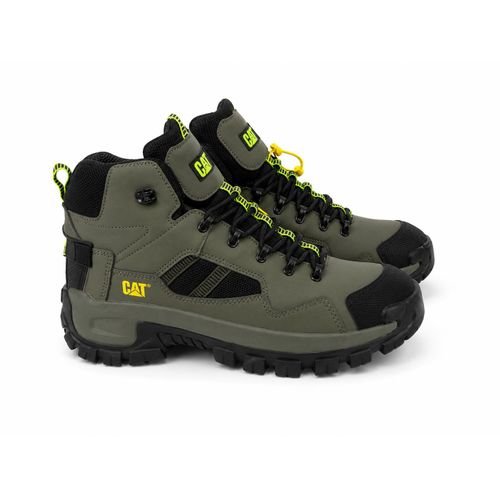
1. Sturdy Waterproof Hiking Boots
Ankle-high, waterproof boots are the single most important item on any Uganda Gorilla Trekking Packing List. Trails are frequently muddy, slippery, and uneven underfoot. Proper boots protect against twisted ankles and soaked feet for the entire trek.
Break your boots in before the trip to avoid painful blisters. New boots on trek day are a common and avoidable mistake. A snug, well-worn fit makes hours of walking far more bearable.
2. Gardening Gloves
Stinging nettles and thorny vegetation line many trekking paths. Simple gardening gloves protect your hands when grabbing branches for balance. They are inexpensive, lightweight, and easy to forget until you actually need them.

3. A Reliable Rain Jacket
Rain forest weather rarely stays predictable for long. A lightweight, packable rain jacket keeps you dry without adding bulk to your bag. Choose one with a hood, since umbrellas are impractical on narrow forest trails.
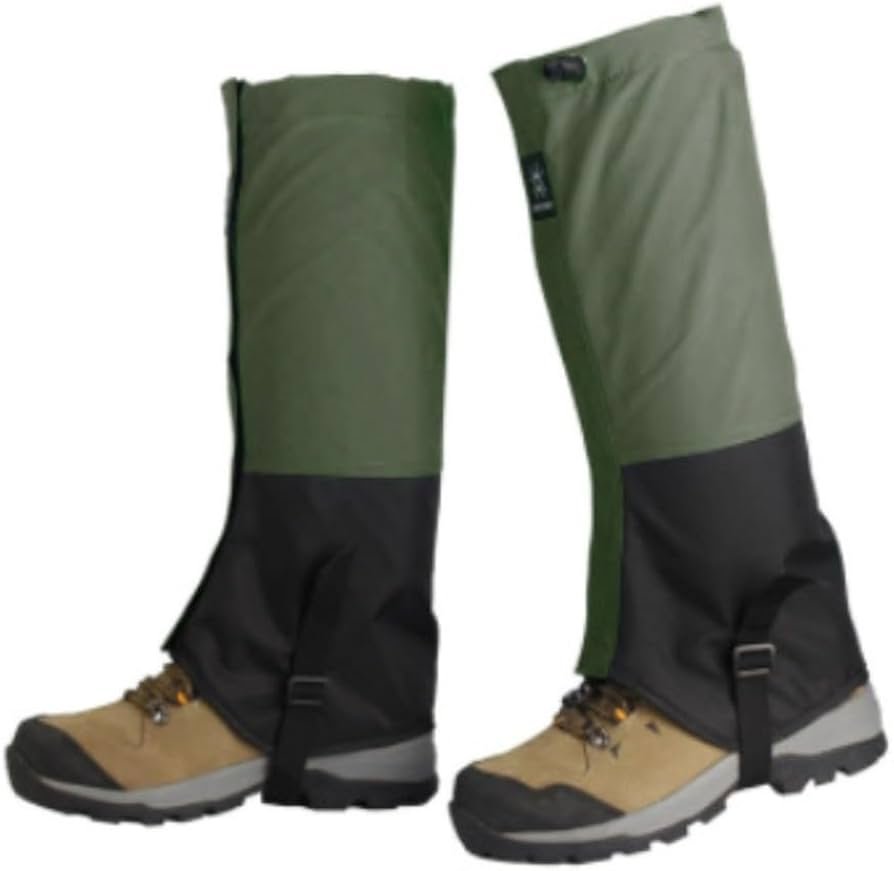
4. Gaiters for Mud and Insects
Gaiters wrap around your lower legs and boot tops to block mud and safari ants. Biting ants are a genuine nuisance in Bwindi’s undergrowth. This small piece of gear prevents an uncomfortable distraction during your hike.
5. Moisture-Wicking Long-Sleeved Layers
Long sleeves protect against scratches, sun exposure, and insect bites simultaneously. Moisture-wicking fabric keeps sweat from soaking through during steep climbs. Layering also lets you adjust quickly as temperatures shift throughout the day.
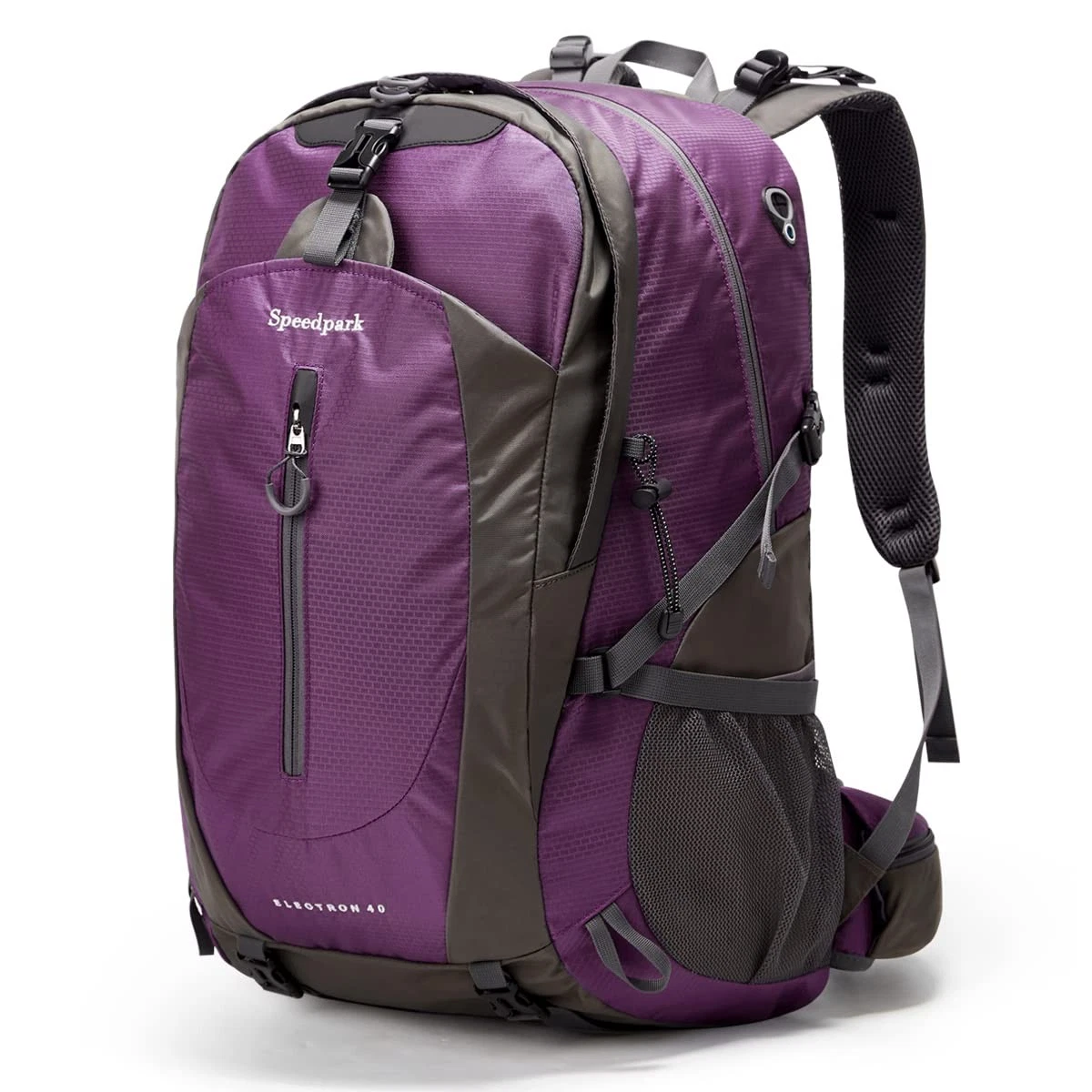
6. A Comfortable Day pack
A small, comfortable daypack carries your water, snacks, and camera gear. Choose one with padded straps, since you will wear it for several hours. Waterproof or rain-covered options keep your belongings dry during sudden downpours.
7. Camera Gear Without Flash
Photography is one of the highlights of any gorilla encounter. Flash photography is strictly prohibited, since it startles and stresses the gorillas. A camera with strong low-light performance captures better images in the forest’s dim canopy.
8. Insect Repellent and a Basic First-Aid Kit
Mosquitoes and other insects are common throughout the forest. A reliable repellent reduces bites and lowers exposure to insect-borne illness. A small first-aid kit with blister pads and antiseptic wipes handles minor trail mishaps.
9. A Walking Stick or Trekking Pole
Steep, uneven terrain makes balance a real concern for many trekkers. A walking stick, often available for rent at the trailhead, reduces strain on knees and ankles. Trekking poles offer similar support if you prefer bringing your own.
10. Snacks and Enough Water
Treks can last anywhere from two to eight hours depending on the gorilla family’s location. Energy bars, nuts, or dried fruit keep hunger from slowing your pace. At least two liters of water per person is a sensible minimum for most trekkers.
Common Uganda Gorilla Trekking Packing List Mistakes to Avoid
Overpacking is the most frequent mistake trekkers make when building their Uganda Gorilla Trekking Packing List. A bag stuffed with unnecessary items becomes exhausting well before the hike ends. Stick closely to the essentials list rather than adding comfort items you rarely use at home.
Underestimating the cold is another common misstep. Early morning starts near higher elevations can feel surprisingly chilly before the sun rises fully. A packable warm layer solves this without adding much weight to your bag.
Forgetting spare batteries or memory cards ranks high among photographer regrets. Charging options are limited once you leave your lodge for the day. Packing spares the night before removes one more variable from an already early departure.
Sample Uganda Gorilla Trekking Packing List at a Glance
A quick checklist helps confirm nothing important gets left off your Uganda Gorilla Trekking Packing List. Waterproof boots, gaiters, and a rain jacket form your weather-resistant foundation. Gloves, a walking stick, and a daypack round out your trail comfort essentials.
Insect repellent, a first-aid kit, and sun protection cover your health basics. Snacks, water, and a reusable bottle keep energy levels steady throughout the hike. Camera gear, spare batteries, and a dry bag protect your memories of the day.
Reviewing this list the night before departure prevents early-morning scrambling. Laying items out together also reveals gaps you might otherwise miss. A calm, organized start sets the tone for the entire trekking day.
What to Leave Off Your Uganda Gorilla Trekking Packing List
Bright or dark clothing colors can startle wildlife or attract insects unnecessarily. Neutral earth tones like khaki, olive, or brown blend better with the forest environment. Save flashy outfits for your lodge stay instead of the trail itself.
Heavy tripods and oversized camera bags become burdensome on steep, narrow paths. Compact, lightweight alternatives serve photographers just as well without the extra strain. Simplicity generally wins over elaborate equipment once you are actually on the trail.
Flip-flops, sandals, or casual sneakers are unsuitable for this terrain under any circumstances. They offer no ankle support and little grip on wet, root-covered ground. Save casual footwear for evenings back at your lodge.
Seasonal Adjustments to Your Uganda Gorilla Trekking Packing List
Uganda’s dry seasons run roughly from June through September and December through February, which changes your Uganda Gorilla Trekking Packing List in small but useful ways. Trails are firmer during these months, though sturdy boots remain essential regardless. Lighter layers work well since temperatures tend to run warmer.
Wet seasons, particularly April, May, and November, bring heavier rainfall and muddier trails. Waterproof gear becomes even more critical during these months. Gaiters and rain jackets earn their place near the top of your list during this period.
Regardless of season, mornings in the forest start noticeably cool. A light fleece or warm layer for the early hours is worth the small extra weight. You can always remove layers once the hike warms you up.
Renting Gear Versus Building Your Own Uganda Gorilla Trekking Packing List
Not every item needs to be purchased before your trip. Many lodges near Bwindi and Mgahinga rent walking sticks, ponchos, and even gaiters at reasonable rates. This flexibility helps travelers combining Uganda with other destinations avoid overpacked suitcases.
Boots remain the one item worth bringing rather than renting. A properly fitted, broken-in boot is difficult to replicate with rental gear on short notice. Everything else on your Uganda Gorilla Trekking Packing List can reasonably be sourced locally if needed.
Travelers on multi-country itineraries often mix and match this way. Renting bulky items locally while packing lightweight essentials from home strikes a practical balance. It keeps luggage manageable without sacrificing comfort on the trail itself.
Photographer Additions to the Uganda Gorilla Trekking Packing List
Photographers face a unique packing challenge beyond the standard Uganda Gorilla Trekking Packing List. Dim forest light demands a camera capable of handling low-light conditions without flash. A fast lens, ideally in the 70-200mm range, captures gorillas comfortably from a respectful distance.
Weather-sealed camera bodies and lens covers protect equipment from sudden rain. A microfiber cloth for lens cleaning is a small, easily forgotten essential. Extra memory cards matter more here than almost anywhere else, since deleting photos mid-trek is rarely practical.
Weight becomes a real consideration once camera gear joins the rest of your daypack. Prioritize one versatile lens over multiple heavy options for a single-day trek. A lighter bag ultimately means more energy left for the encounter itself.
Frequently Asked Questions About the Uganda Gorilla Trekking Packing List
Can I rent gear locally instead of buying it?
Yes, many lodges and trailhead offices rent walking sticks, gaiters, and rain ponchos, which simplifies your Uganda Gorilla Trekking Packing List considerably. Renting reduces luggage weight for travelers combining multiple destinations. Availability varies, so confirm rental options with your operator in advance.
Do I need special clothing colors?
Neutral, muted tones are strongly recommended over bright or all-black outfits. This applies to both trekking clothes and camera gear covers. It keeps you less conspicuous to wildlife along the trail.
Is a porter worth hiring for extra gear?
Many trekkers find porters genuinely helpful, especially when carrying camera equipment or water. Porters also support the local economy directly through your trekking fees. Tipping a porter is customary and generally expected.
What size day pack is ideal?
A daypack between fifteen and twenty-five liters usually suits most trekkers well. It holds water, snacks, a rain layer, and camera gear without becoming bulky. Anything larger tends to become unwieldy on narrow forest paths.
Should my packing list change for the habituation experience?
Longer habituation treks demand slightly more water, snacks, and layered clothing than standard treks. The extended four-hour session means more time exposed to shifting weather conditions. Otherwise, the same core Uganda Gorilla Trekking Packing List applies to both experiences.
Can children join with a modified packing list?
Most operators require trekkers to be at least fifteen years old, so packing lists rarely need modification for kids. Younger family members typically join alternative activities instead of the trek itself. Ask your operator about age-appropriate options if traveling with a larger family group.
Final Thoughts on Your Uganda Gorilla Trekking Packing List
Getting your gear right transforms a demanding hike into a genuinely enjoyable experience. Boots, rain protection and layered clothing address the terrain’s biggest challenges directly. Smaller items like gloves, gaiters and snacks round out a truly complete Uganda Gorilla Trekking Packing List.
Every item on this list solves a specific, real problem trekkers face on the trail. None of them are expensive or hard to source before your trip. Careful preparation lets you focus entirely on the gorillas instead of your discomfort.
A thoughtful Uganda Gorilla Trekking Packing List also reflects respect for the terrain and the animals you are visiting. Preparedness keeps groups moving efficiently and minimizes unnecessary disruption in the forest. A well-packed bag is a small investment against a truly unforgettable encounter.
Ready to Book Your Gorilla Trek?
Let Tulambule Uganda Safaris guide you through every detail, from permit booking to a personalized packing checklist. Our team knows the trails, the seasons and exactly what each trek demands.
Contact Tulambule Uganda Safaris today to start planning your gorilla trekking adventure in Uganda.