Uganda Is Ebola Free: A New Beginning for Tourism
Uganda is Ebola free, bringing encouraging news to residents, tourism businesses, tour operators, and international travelers. The country has officially ended the 2026 Ebola outbreak after completing the required 42 consecutive days without recording a new confirmed case. This important achievement has restored confidence and created a positive environment for tourism across the country.
The announcement that Uganda is Ebola free is particularly important for the tourism industry because Uganda welcomes visitors from different parts of the world throughout the year. Many travelers come to experience mountain gorillas, chimpanzees, lions, elephants, giraffes, beautiful lakes, forests, mountains, and cultural attractions. With the outbreak officially over, visitors can once again plan their Uganda holidays with greater confidence.
According to the World Health Organization, Uganda completed the required 42-day countdown after the last confirmed Ebola patient was discharged from care on 16 July 2026. The successful completion of this period allowed Uganda to officially declare the outbreak over. This means the chain of transmission associated with the 2026 outbreak was successfully interrupted.
For travelers asking whether Uganda is Ebola free, the answer is yes. Uganda has officially ended the 2026 Ebola outbreak, while health authorities continue surveillance and preparedness. Visitors should still follow normal travel-health precautions and check official health information before traveling, but the country has successfully passed the required period without a new confirmed case.
What Does Uganda Is Ebola Free Mean?
When we say Uganda is Ebola free, it means that the country has officially met the requirements for declaring the 2026 Ebola outbreak over. The declaration followed 42 consecutive days without a new confirmed Ebola case, which is the internationally recognized period used to confirm that transmission has been interrupted.
The declaration that Uganda is Ebola free does not mean that health authorities have stopped monitoring infectious diseases. Uganda continues to maintain surveillance systems and preparedness because disease outbreaks can occur unexpectedly. Health workers remain ready to identify, investigate, and respond to suspected cases when necessary.
For tourists, the most important message is that Uganda has successfully controlled the 2026 Ebola outbreak. Travelers can therefore continue planning safaris, gorilla trekking trips, chimpanzee adventures, cultural tours, and city experiences while observing responsible travel and health practices.
The fact that Uganda is Ebola free also demonstrates the importance of cooperation between government authorities, health workers, local communities, international organizations, and development partners. Their combined efforts helped detect cases, monitor contacts, provide treatment, and prevent further transmission.
Uganda Is Ebola Free After a Successful Health Response
Uganda declared the 2026 Ebola outbreak on 15 May after detecting cases of the Bundibugyo species of Ebola. The outbreak was associated with cross-border transmission and required a rapid response from Uganda’s health authorities and supporting organizations.
During the response, health teams strengthened disease surveillance, laboratory testing, contact tracing, infection prevention, clinical care, and community awareness. These measures were important in identifying potential infections early and reducing opportunities for further transmission.
The successful response eventually allowed Uganda to complete the required 42-day monitoring period without a new confirmed case. This achievement led to the official announcement that Uganda is Ebola free, providing reassurance to communities and travelers alike.
For Uganda’s tourism industry, the declaration comes as welcome news. Tour operators, safari guides, accommodation providers, restaurants, cultural attractions, and other tourism businesses can continue serving visitors while maintaining appropriate health and safety measures.
Is Uganda Safe for Tourists Now?
One of the biggest questions travelers may have is whether Uganda is safe to visit now that the country has experienced an Ebola outbreak. The official declaration that Uganda is Ebola free provides important reassurance because the 2026 outbreak has been officially ended.
Tourists can continue visiting Uganda’s national parks, cities, forests, lakes, cultural attractions, and other destinations. Travelers should nevertheless remain responsible by following general health advice, practicing good hygiene, and checking current information from official health authorities before departure.
The declaration that Uganda is Ebola free is especially encouraging for travelers who postponed their holidays because of concerns about the outbreak. Visitors can now reconsider their travel plans and explore Uganda while remaining aware that health surveillance and preparedness continue.
As with travel to any country, being informed is important. Travelers should have appropriate travel insurance, follow recommended health advice, and seek medical assistance if they become seriously unwell during their journey.
Uganda Is Ebola Free and Ready for Tourism
Tourism is an important part of Uganda’s economy and supports thousands of people directly and indirectly. Tour operators, drivers, guides, hotel workers, restaurant employees, conservation workers, artisans, and local communities all benefit from visitors exploring the country.
The news that Uganda is Ebola free therefore represents more than a public-health achievement. It is also an important boost for tourism businesses that depend on international and domestic visitors.
Uganda has a wide range of attractions that can be included in one itinerary. Visitors can combine Kampala city tours with wildlife safaris, chimpanzee tracking, gorilla trekking, bird watching, boat cruises, cultural experiences, and mountain adventures.
With Uganda now Ebola free, travelers can once again focus on discovering why the country is known as the Pearl of Africa. Its combination of wildlife, primates, landscapes, culture, and hospitality makes it one of East Africa’s most diverse destinations.
Visit Kampala Now That Uganda Is Ebola Free
Kampala is Uganda’s capital city and an important gateway for travelers arriving in the country. Many international visitors spend time in Kampala before beginning their safari, making the city’s tourism activity closely connected to Uganda’s wider travel industry.
A Kampala city tour allows visitors to experience Ugandan culture, history, food, markets, religious sites, craft centers, and everyday urban life. The city offers a fascinating combination of traditional culture and modern African city life.
The announcement that Uganda is Ebola free provides positive news for Kampala’s tourism businesses. Visitors can explore the city while enjoying restaurants, cultural attractions, shopping areas, entertainment venues, and historical sites.
Kampala can also be the starting point for longer journeys into Uganda’s countryside. From the capital, travelers can continue toward Murchison Falls, Kibale, Queen Elizabeth, Bwindi, Mgahinga, Lake Mburo, and other destinations.
Uganda Is Ebola Free and Murchison Falls Awaits
Murchison Falls National Park is one of Uganda’s most famous wildlife destinations. The park is known for the powerful Murchison Falls, where the Victoria Nile is forced through a narrow gorge before continuing toward the Albert Nile.
Visitors to Murchison Falls can enjoy game drives across the savannah, where elephants, giraffes, buffaloes, lions, antelopes, and other wildlife can be encountered. Boat cruises along the Nile also provide excellent opportunities to see hippos, crocodiles, birds, and animals along the riverbanks.
With Uganda is Ebola free now confirmed, Murchison Falls remains an attractive destination for travelers planning a safari. The park provides a combination of wildlife, scenery, adventure, and photography opportunities that can be enjoyed throughout the year.
Travelers can combine Murchison Falls with other destinations to create a longer Uganda safari. A well-planned itinerary can include wildlife, primates, cultural experiences, and beautiful landscapes across different regions of the country.
Explore Kibale After Uganda Is Ebola Free
Kibale National Park is one of Uganda’s most important destinations for primate tourism. The forest is widely recognized for chimpanzee tracking and is home to numerous primate species, making it a favorite destination for nature lovers.
Chimpanzee tracking gives visitors an opportunity to observe these intelligent primates in their natural forest environment. The experience is different from traditional savannah game drives because travelers spend time walking through the forest with trained guides and trackers.
Now that Uganda is Ebola free, travelers interested in chimpanzee experiences can confidently consider Kibale as part of their Uganda itinerary. Visitors should continue following the health and conservation guidelines provided by park authorities.
Kibale can also be combined with Queen Elizabeth National Park, allowing travelers to experience both rainforest primates and classic African savannah wildlife during the same trip.
Uganda Is Ebola Free and Gorilla Trekking Continues
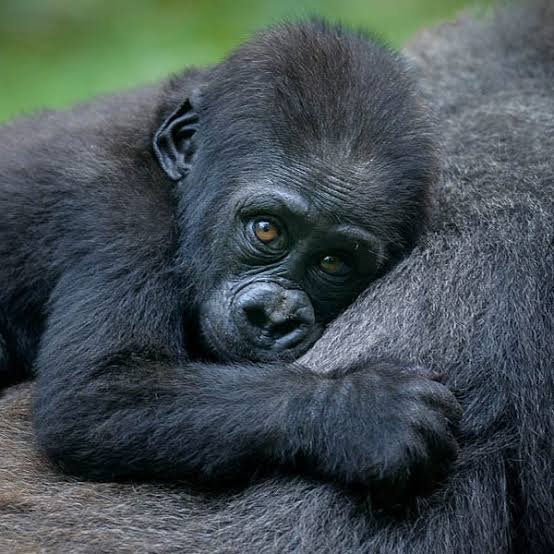
Uganda is one of Africa’s most important destinations for mountain gorilla trekking. Bwindi Impenetrable National Park and Mgahinga Gorilla National Park provide opportunities to experience endangered mountain gorillas in their natural forest habitats.
Gorilla trekking is a carefully managed conservation activity. Visitors travel through the forest with trained guides and trackers before spending a limited amount of time observing a gorilla family.
The confirmation that Uganda is Ebola free is encouraging for travelers who have been waiting to undertake their gorilla trekking adventure. Nevertheless, visitors must continue following all health and conservation rules designed to protect both people and gorillas.
Responsible gorilla tourism is particularly important because mountain gorillas can be vulnerable to human illnesses. Travelers should follow guidance from park authorities and guides throughout the trekking experience.
Uganda Is Ebola Free and Wildlife Safaris Are Open
Uganda’s wildlife remains one of the country’s biggest attractions. From the savannah plains of Murchison Falls to the forests of Kibale and the landscapes of Queen Elizabeth, travelers can experience a remarkable variety of ecosystems.
Queen Elizabeth National Park is home to elephants, buffaloes, lions, leopards, hippos, antelopes, and many bird species. The Kazinga Channel is particularly popular for boat cruises because it attracts large numbers of wildlife to the water.
Lake Mburo National Park provides another excellent wildlife experience. Visitors can see zebras, impalas, giraffes, buffaloes, hippos, and other species while enjoying game drives, nature walks, boat trips, or cycling experiences.
The message that Uganda is Ebola free allows travelers to look beyond the recent outbreak and rediscover the country’s extraordinary wildlife experiences.
Discover Uganda’s Beautiful Lakes
Uganda is blessed with numerous lakes that add variety to the country’s tourism experiences. Lake Victoria, Lake Bunyonyi, Lake Mburo, Lake Albert, and other lakes provide opportunities for relaxation, photography, fishing, boating, bird watching, and cultural experiences.
Lake Bunyonyi is especially popular with travelers visiting southwestern Uganda. Its beautiful scenery, numerous islands, and surrounding hills make it an ideal place to relax before or after gorilla trekking.
Lake Mburo offers a different experience, combining water activities with savannah wildlife. A boat cruise can provide opportunities to see hippos, crocodiles, birds, and animals coming to the water.
With Uganda is Ebola free now confirmed, travelers can confidently include Uganda’s lakes in itineraries that combine relaxation, wildlife, culture, and adventure.
Uganda Is Ebola Free but Health Awareness Still Matters
Although Uganda is Ebola free, travelers should not interpret the announcement as a reason to ignore health precautions. Uganda continues to maintain surveillance and preparedness because infectious diseases can emerge unexpectedly.
Simple practices such as regular hand washing, maintaining personal hygiene, consuming safe food and water, and seeking medical attention when necessary are sensible habits for every traveler.
Travelers should also check official health information before departure because regional disease situations can change. This is particularly important in countries that share borders with regions where infectious diseases may occur.
The fact that Uganda is Ebola free means the 2026 outbreak has officially ended. It does not mean that Uganda has abandoned disease surveillance, and continued preparedness remains an important part of protecting residents and visitors.
Why Visit Uganda Now?
There are many reasons to visit Uganda now that Uganda is Ebola free. The country offers exceptional wildlife experiences without requiring travelers to choose between safari, primates, mountains, lakes, and culture.
Visitors can experience mountain gorillas in Bwindi, chimpanzees in Kibale, lions and elephants in Queen Elizabeth, wildlife and the Nile in Murchison Falls, and scenic landscapes in southwestern Uganda.
Travelers can also explore cultural attractions such as Igongo Cultural Centre, visit the Equator, discover local communities, and enjoy traditional Ugandan food.
For adventure travelers, Uganda offers hiking in the Rwenzori Mountains, gorilla trekking, chimpanzee tracking, nature walks, bird watching, boat cruises, cycling safaris, and other memorable experiences.
Support Uganda’s Tourism Industry
The announcement that Uganda is Ebola free creates an opportunity for travelers to support the country’s tourism industry. Choosing to visit Uganda helps tourism businesses recover and continue providing employment and income to local communities.
Travelers can support local economies by choosing local guides, tour operators, accommodation providers, restaurants, craft sellers, and community tourism projects.
Tourism also contributes to conservation because visitors generate revenue that supports protected areas and wildlife management. This helps create incentives for communities to protect natural resources and wildlife.
By choosing Uganda for your next African adventure, you can enjoy unforgettable experiences while contributing to the country’s tourism and conservation efforts.
Plan Your Trip to Uganda
If you have been waiting to visit Uganda because of concerns about Ebola, the official declaration that Uganda is Ebola free provides encouraging news. You can begin planning your itinerary while continuing to follow official travel and health guidance.
A short Uganda safari can focus on one or two destinations, while a longer itinerary can combine several regions. Travelers with more time can explore Murchison Falls, Kibale, Queen Elizabeth, Bwindi, Mgahinga, Lake Bunyonyi, Lake Mburo, Semliki, the Rwenzori Mountains, and other attractions.
Kampala can be included at the beginning or end of the journey, while Entebbe and the surrounding Lake Victoria area provide additional attractions for travelers.
Whatever your interests, Uganda is Ebola free and ready to welcome travelers who want to discover its wildlife, landscapes, culture, and warm hospitality.
Final Thoughts: Uganda Is Ebola Free
Uganda is Ebola free, officially marking the successful end of the 2026 Ebola outbreak after the country completed the required 42 consecutive days without a new confirmed case. This is a major achievement for Uganda’s health authorities, communities, health workers, tourism sector, and international partners.
The announcement that Uganda is Ebola free also provides renewed confidence for travelers interested in visiting the Pearl of Africa. From Kampala’s vibrant culture to the forests of Bwindi and Kibale, Uganda offers an extraordinary range of experiences.
Travelers can explore Murchison Falls, Queen Elizabeth, Lake Mburo, Kidepo Valley, Mgahinga, Semliki, the Rwenzori Mountains, Lake Bunyonyi, and many other destinations. Each destination provides a different perspective of Uganda’s natural beauty and cultural heritage.
Although Uganda is Ebola free, travelers should continue practicing responsible health habits and checking official information before and during their journeys. Continued surveillance and preparedness remain important in protecting both residents and visitors.
The end of the outbreak marks a new opportunity for Uganda’s tourism industry. Uganda is Ebola free, the Pearl of Africa is ready for visitors, and an unforgettable Ugandan adventure awaits. contact us to plan your trip