UGANDA THE PEARL OF AFRICA
Uganda the Pearl of Africa is a title the country has carried for over a century, and it has only grown more accurate with time. From misty gorilla forests to the source of the world’s longest river, Uganda packs more raw biodiversity into one small country than almost anywhere else on the continent. This guide walks through where the name came from, what makes it true today, and how to plan a trip that lives up to it.
Where the Name “Pearl of Africa” Comes From
The phrase is usually traced back to Sir Winston Churchill, who visited Uganda in 1907 and was struck by the richness of its landscapes, from the snow-capped Rwenzori Mountains to the papyrus-lined shores of Lake Victoria. He described the country’s scenery and abundance of life in terms that stuck, and the “Pearl of Africa” label has followed Uganda in travel writing ever since.
What makes the name endure isn’t nostalgia. It’s that Uganda genuinely compresses an entire continent’s worth of scenery, from equatorial rainforest to open savannah to glacial peaks, into a country roughly the size of the United Kingdom.
A Small Country With Outsized Biodiversity
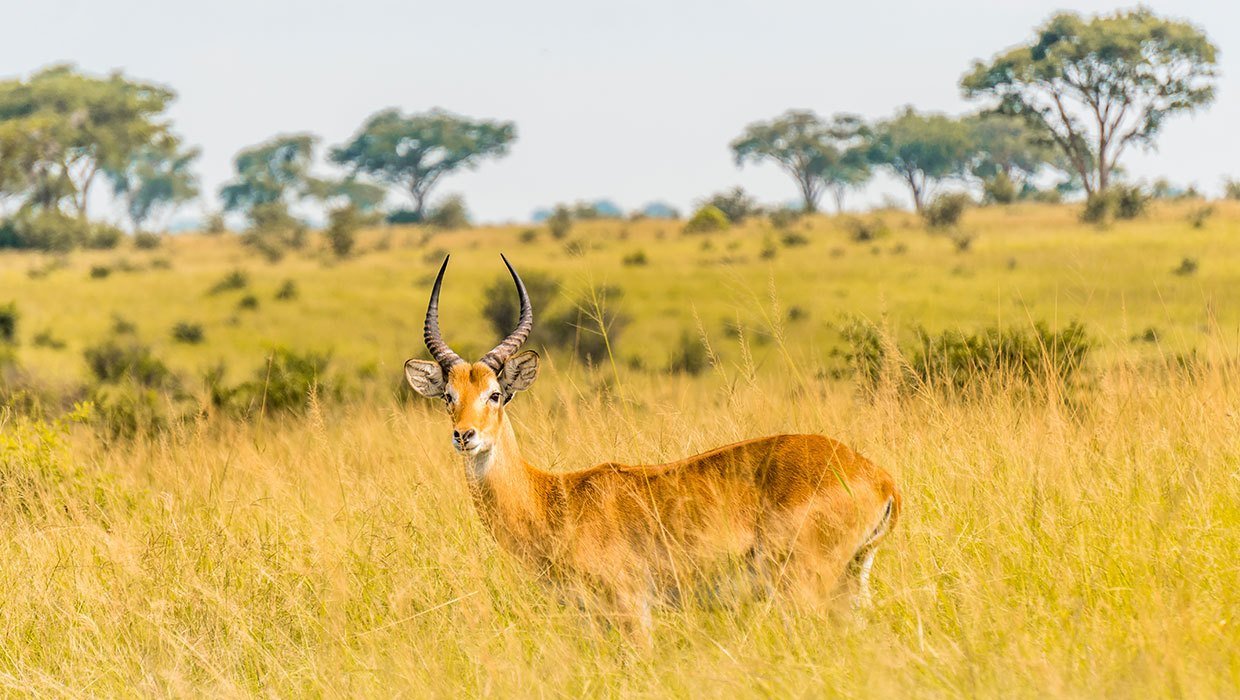
Uganda holds over 345 mammal species and more than 1,060 recorded bird species within its borders, a density few countries can match. It sits at the meeting point of East Africa’s savannah, the Central African rainforest belt, and the Albertine Rift, which is exactly why its wildlife list reads the way it does.
That overlap of ecosystems is the real engine behind the Pearl of Africa reputation. Travelers can move from tracking primates in dense rainforest to watching lions on open plains to boating past hippos on the Nile, often within the same week.
Mountain Gorillas: Uganda’s Best-Known Ambassador
More than half of the world’s remaining mountain gorillas live in Uganda, most of them in Bwindi Impenetrable National Park, a UNESCO World Heritage Site. Trekking through ancient rainforest to spend an hour with a habituated gorilla family is, for most visitors, the single defining moment of a Uganda trip.
Uganda’s gorilla permits are also considerably more affordable than Rwanda’s, which is part of why Uganda has become the preferred entry point for budget-conscious gorilla trekking without any drop in the quality of the encounter. Pair a gorilla trek with chimpanzee tracking in Kibale Forest and you get one of the most complete primate safari experiences anywhere on earth.
National Parks That Do the Heavy Lifting
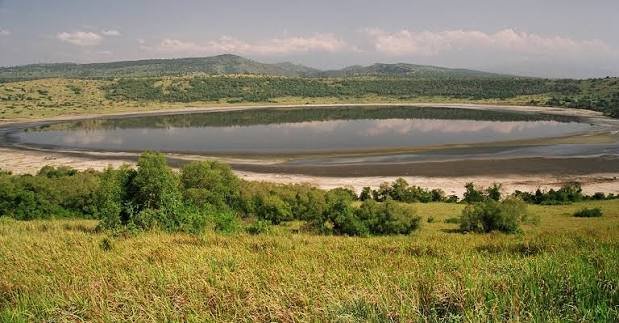
Uganda’s ten national parks are where the Pearl of Africa reputation is earned in practice. Murchison Falls delivers dramatic Nile scenery and boat safaris past crocodiles and elephants. Queen Elizabeth National Park is famous for tree-climbing lions and crater lake landscapes. Kidepo Valley, tucked against the South Sudan border, is regularly ranked among Africa’s most beautiful and least visited parks.
For a fuller breakdown of what each park offers and how to combine them, our guide to Uganda’s top tourist attractions is a useful next stop before you build an itinerary.
A Birder’s Paradise
With over 1,060 recorded species, Uganda is one of the top birding destinations in the world, and the country’s most sought-after sighting is the prehistoric-looking Shoebill Stork at Mabamba Swamp near Entebbe. Hotspots like Semliki, Bigodi Wetland and the shores of Lake Mburo add hundreds more species to any serious birding itinerary.
If birding is a priority for your trip, our dedicated guide to bird watching in Uganda covers the best sites season by season.
Beyond Wildlife: Adventure and Culture
Uganda the Pearl of Africa isn’t only about game drives and gorilla treks. Jinja, at the source of the Nile, offers world-class white-water rafting, while the Rwenzori Mountains give hikers a rare chance to climb equatorial snow. Add quad biking, bungee jumping and zip-lining through Mabira Forest, and Uganda holds its own against any adventure destination on the continent, a mix we cover in detail in our Uganda adventure safari guide.
Culturally, community visits with the Bakiga, Batwa and Karamojong peoples add depth most classic safari countries can’t offer, turning a wildlife trip into something closer to a full cultural immersion.
Best Time to Visit
Uganda’s dry seasons, from June to September and December to February, offer the easiest trekking conditions and the best overall wildlife viewing. The wetter months from March to May and October to November bring fewer crowds, lower lodge rates, and still-excellent gorilla trekking, since the forest stays accessible year-round.
Shop and Store Safely in Kampala Before You Fly
If your itinerary routes through Kampala, Tulambule guests are welcome to use our office space at Akamwesi Mall on Gayaza Road to shop and safely store purchases while the rest of the safari continues, a small but useful perk for anyone doing last-minute souvenir or craft shopping before departure.
Plan Your Uganda the Pearl of Africa Trip With Tulambule
Uganda’s reputation as the Pearl of Africa isn’t marketing language. It’s a country where you can trek gorillas in the morning, watch tree-climbing lions by afternoon, and fall asleep to hippos grunting along the Nile, all within a single well-planned trip. Tulambule Uganda Safaris has been designing exactly these journeys since 2014, and we can build one around your dates, budget and interests.