Gorilla Trekking Success depends on preparation, mindset, and honest fitness assessment. Discover 7 tips for a smooth, unforgettable trek. Book now!
7 Ultimate Tips for a Smooth Trek
Over 90 percent of trekkers complete their assigned gorilla trek successfully, but that statistic hides a wide range of experiences. Gorilla Trekking Success isn’t just about reaching the gorillas; it’s about arriving prepared, managing expectations, and knowing what actually makes the day go smoothly.
A little groundwork beforehand separates a genuinely enjoyable trek from an exhausting ordeal.
This guide covers seven practical tips that consistently separate a great trekking day from a difficult one. We’ll cover fitness, gear, mindset, and the small details operators rarely mention upfront. By the end, you’ll know exactly how to set yourself up for Gorilla Trekking Success, regardless of your age or experience level.
Most first-time trekkers arrive with a vague sense that the day will be physically demanding, but few understand exactly what that means in practice or how to prepare for it properly.
This gap between expectation and reality is often what turns an achievable trek into a genuinely difficult one. Closing that gap through informed preparation is the entire purpose of this guide.
What Gorilla Trekking Success Actually Requires
Gorilla trekking is moderately difficult, not an elite athletic challenge, and most travelers with reasonable everyday fitness complete it without serious struggle.
Treks typically involve two to eight hours of hiking on steep, uneven terrain at altitudes between 1,400 and 3,200 meters, followed by an hour with the gorillas once located. Understanding this range upfront is the first real step toward Gorilla Trekking Success.
The honest truth is that no one can predict trek difficulty in advance, since it depends entirely on where the assigned gorilla family happens to be that morning.
The same person can face a 45-minute stroll one day and a grueling six-hour climb the next, purely based on gorilla movement patterns rangers can’t control. Preparing for the harder scenario, rather than hoping for the easier one, is the mindset that consistently produces better outcomes.
Tip 1: Train Your Legs and Lungs, Not Just Your Willpower
Cardiovascular endurance and leg strength matter more for Gorilla Trekking Success than raw willpower or determination alone.
Steep, muddy, uneven terrain punishes untrained legs regardless of how motivated you feel at the trailhead. Building genuine physical capacity in the weeks beforehand pays off far more than good intentions on the day itself.
A Simple Fitness Benchmark
If you can walk ten kilometers on hilly terrain, or climb thirty flights of stairs without stopping, you’re physically prepared for a standard trek. Begin training four to six weeks before departure, focusing on stair climbing, incline treadmill walking, and hiking with a weighted daypack.
This concrete benchmark matters more than vague advice to simply “get in shape” beforehand.
Consistency beats intensity when preparing for this specific kind of exertion, since the trek demands sustained effort over hours rather than short bursts of maximum output.
Three or four moderate training sessions per week, building gradually toward longer durations, prepares your body more effectively than occasional intense workouts. Gorilla Trekking Success rewards steady preparation over last-minute cramming.
If you live somewhere without access to hills or trails, a stair machine or parking garage stairwell works as a reasonable substitute for training purposes.
Climbing steadily for thirty to forty-five minutes at a pace where you could still hold a conversation builds a solid cardiovascular foundation. This kind of accessible, low-cost training removes the excuse that gym-free travelers sometimes use to skip preparation entirely.
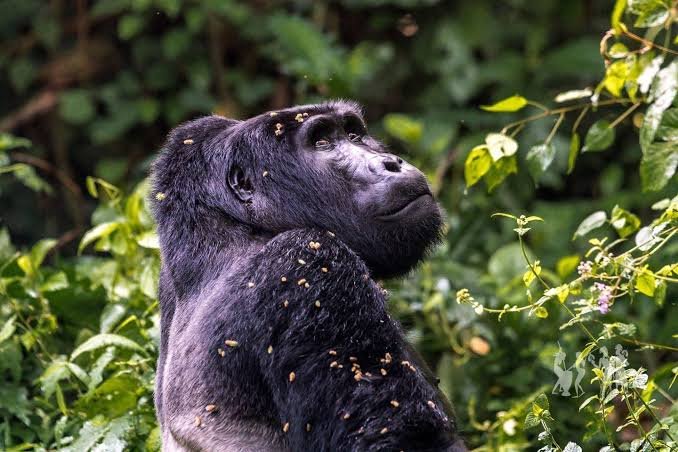
Tip 2: Be Honest About Your Fitness Level With Rangers
Rangers assign trekking groups to gorilla families based partly on visitors’ fitness levels, pairing less mobile guests with closer-ranging families whenever possible.
Honest communication during the morning briefing directly affects which family you’re assigned and how challenging your specific day becomes. Overstating your fitness to seem more capable often backfires badly on the trail.
Why Honesty Improves Your Odds
Trekkers who honestly disclose limited fitness, joint issues, or general inexperience typically receive more manageable assignments than those who downplay concerns. This isn’t about ego or proving yourself; it’s about matching your day to your actual physical capability.
Gorilla Trekking Success depends heavily on this simple, easily overlooked act of honesty at the briefing point.
Age alone doesn’t determine outcome, since many travelers in their sixties, seventies, and even eighties complete treks successfully every year.
What matters is realistic self-assessment rather than either overconfidence or unnecessary anxiety about age-related limits. Rangers have seen every fitness level imaginable and genuinely want to match you with an achievable trek.
Tip 3: Hire a Porter, Regardless of Your Fitness Level
Porters cost roughly twenty dollars and dramatically reduce trek difficulty by carrying your daypack and offering physical support across steep, slippery sections. Many fit, experienced hikers still hire porters simply because the terrain punishes even strong legs after several hours.
This small expense consistently ranks among the highest-value decisions trekkers make.
More Than Just Bag Carrying
Beyond carrying gear, porters often provide a steadying hand across difficult terrain, help pull you up steep inclines, and offer genuine encouragement when energy flags mid-trek.
Many porters are former poachers now employed through community conservation programs, meaning your fee also supports meaningful local economic alternatives. This makes hiring a porter both a practical and a genuinely conservation-positive choice.
Declining a porter to save twenty dollars is one of the most common regrets trekkers report afterward, particularly among those who underestimated the terrain’s difficulty.
Gorilla Trekking Success rarely hinges on toughing it out alone; it hinges on using every reasonable resource available to you. Treat the porter fee as essential trip infrastructure, not an optional upsell.
Porters also carry a deep, practical knowledge of the terrain built from years of walking the same trails repeatedly throughout the year. This local expertise often proves as valuable as their physical assistance, since they can anticipate difficult sections before you reach them.
Many trekkers describe their porter as one of the most memorable parts of the entire day, well beyond the practical support they provide.
Tip 4: Pack for Mud, Rain, and Sudden Weather Shifts
Rain forest terrain shifts unpredictably, and being caught unprepared for mud or sudden rain can turn a manageable trek into a miserable one. Sturdy, waterproof hiking boots are genuinely non-negotiable, given how consistently slippery and uneven forest trails become. Proper gear preparation is one of the most controllable factors in Gorilla Trekking Success.
The Essential Packing List
Waterproof hiking boots, gaiters to keep mud and insects off your lower legs, a lightweight rain jacket, and gardening gloves for gripping vegetation on steep sections all make a meaningful difference. Layered clothing handles the temperature swing between cool morning starts and warmer midday exertion. A daypack with water, snacks, and a rain cover rounds out the essentials for any trek regardless of season.
Long trousers and long sleeves protect against stinging nettles and biting insects common throughout the forest under story. Insect repellent and sun protection matter even under dense canopy, where shade doesn’t fully block UV exposure. None of this gear is exotic or expensive, but forgetting it consistently turns an achievable trek into an uncomfortable one.
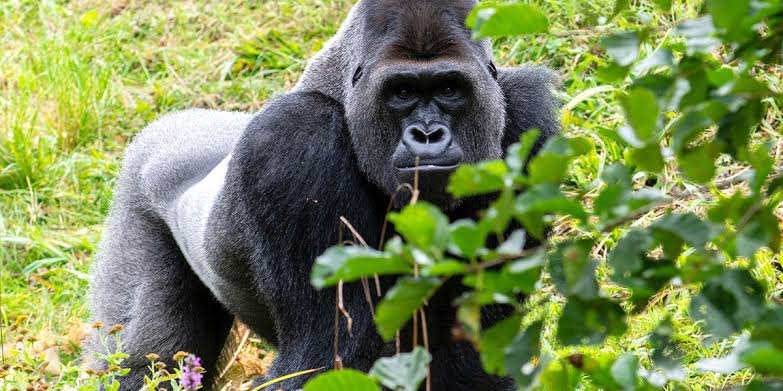
Tip 5: Manage Your Expectations About Timing
Trek duration ranges anywhere from one to eight hours depending entirely on gorilla movement that specific morning, and no operator can guarantee a short trek in advance.
Approaching the day with flexible expectations, rather than a fixed mental timeline, considerably improves the overall experience. Gorilla Trekking Success depends partly on mental preparation, not just physical readiness.
Accepting the Unpredictability
Some groups find their assigned family within forty-five minutes, while others spend six or seven hours covering difficult, trail-less terrain before locating them.
This variability isn’t a sign anything has gone wrong; it’s simply how wild gorilla tracking works. Trekkers who accept this uncertainty upfront report significantly less frustration than those expecting a predictable, timed itinerary.
Bringing enough water, snacks, and patience for a potentially long day prevents frustration from compounding with physical fatigue.
Mental resilience matters just as much as physical stamina once a trek stretches beyond initial expectations. Remind yourself throughout that the encounter waiting at the end justifies whatever the trail demands beforehand.
Tip 6: Respect the Rules Once You Find the Gorillas
Strict guidelines govern behavior once your group reaches the gorilla family, including maintaining a minimum seven-meter distance and speaking only in hushed tones.
Following these rules isn’t just about compliance; it directly protects the gorillas from disease transmission and behavioral disruption. Gorilla Trekking Success includes respecting the animals you’ve traveled so far to see.
Practical Etiquette During the Encounter
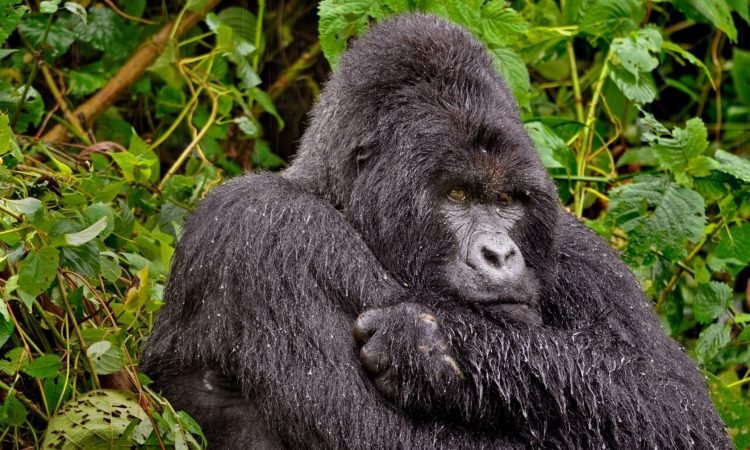
Avoid direct eye contact with dominant silverbacks, since prolonged staring can register as a challenge or threat in gorilla body language. Turn away and cover your mouth if you need to cough or sneeze, given how closely related gorillas are to humans and how easily respiratory illness can transfer between species.
Flash photography is strictly prohibited, so adjust your camera settings before the encounter begins rather than fumbling with controls in the moment.
Rangers will guide positioning and movement throughout the hour, so following their instructions immediately matters more than getting the perfect photo angle. Sudden movements or loud noises can startle the family and cut the encounter short for the entire group.
Patience and quiet respect throughout the hour consistently produce the most rewarding, memorable encounters.
Eating or drinking near the gorillas is also prohibited, both to avoid attracting curious animals and to minimize any risk of disease transmission during the close encounter. Anyone feeling unwell before the trek, even with mild cold symptoms, should inform rangers beforehand rather than risk exposing the gorillas to human illness.
These precautions exist because mountain gorillas share enough genetic similarity with humans that respiratory illnesses can transfer between species with serious consequences.
Tip 7: Choose the Right Season and Book Early
Dry seasons, running roughly June through September and December through February, offer firmer trails and generally easier trekking conditions. Wetter months bring lusher scenery but muddier, more physically demanding terrain underfoot. Timing your trip around these seasonal patterns is a straightforward, controllable factor in overall Gorilla Trekking Success.
Booking Logistics That Matter
Permits should be booked three to six months in advance, particularly for popular dry season dates, since availability is genuinely limited across all gorilla trekking destinations. Early booking also gives you time to properly train, gather gear and mentally prepare rather than scrambling in the final weeks before departure.
Rushed, last-minute bookings often correlate with underprepared trekkers who struggle more than necessary on the day.
Working with an experienced, reputable operator throughout the booking process helps ensure permits, transport, and accommodation logistics align smoothly. A good operator will also give honest guidance on fitness expectations and seasonal trade-offs rather than simply up selling the most expensive option.
This kind of informed planning support meaningfully improves your odds of a genuinely smooth trekking day.

Putting It All Together
Gorilla Trekking Success comes down to a combination of physical preparation, honest self-assessment, proper gear, and the right mindset going into an inherently unpredictable day. None of these seven tips require exceptional fitness or unlimited budget; they simply require deliberate preparation rather than assuming everything will work out on its own.
Trekkers who follow this approach consistently report smoother, more enjoyable experiences than those who show up unprepared.
The encounter itself, that single hour with a wild gorilla family, remains the reward that makes every preparatory step worthwhile. Whatever the trail demands that particular morning, thorough preparation ensures you arrive ready to actually enjoy it rather than simply survive it.
That distinction is really what separates a good trek from an unforgettable one.
Ready to plan your own successful gorilla trek?
Tulambule Uganda Safaris can match you with the right sector, arrange porters and permits and prepare you fully for an unforgettable day in the forest.
Contact us and book now!