Eight Activities You Can Find Only in Uganda
Uganda national park each carry their own reputation, gorillas in Bwindi, tree-climbing lions in Queen Elizabeth, the Nile in Murchison Falls, but what often gets lost in a standard rundown of Uganda’s highlights is just how many of the country’s signature experiences are not simply good in one particular park, they are only possible there at all. This is not a case of one park doing something slightly better than its neighbors. These are activities that, within Uganda’s borders, exist in exactly one location each, a geological quirk, a conservation decision, or a habitat found only in Uganda in the country.
This list runs through eight such activities, each tied to the single Uganda national park it can actually be done, and explains what makes each one worth building a dedicated stop into an itinerary rather than assuming any park will do. For travelers who have already covered Uganda’s headline attractions, or who simply want to understand what sets each park apart beyond the marketing copy, this is the version of Uganda’s safari map that actually matters.
1. Horseback Safari Among Wildlife: Lake Mburo National Park
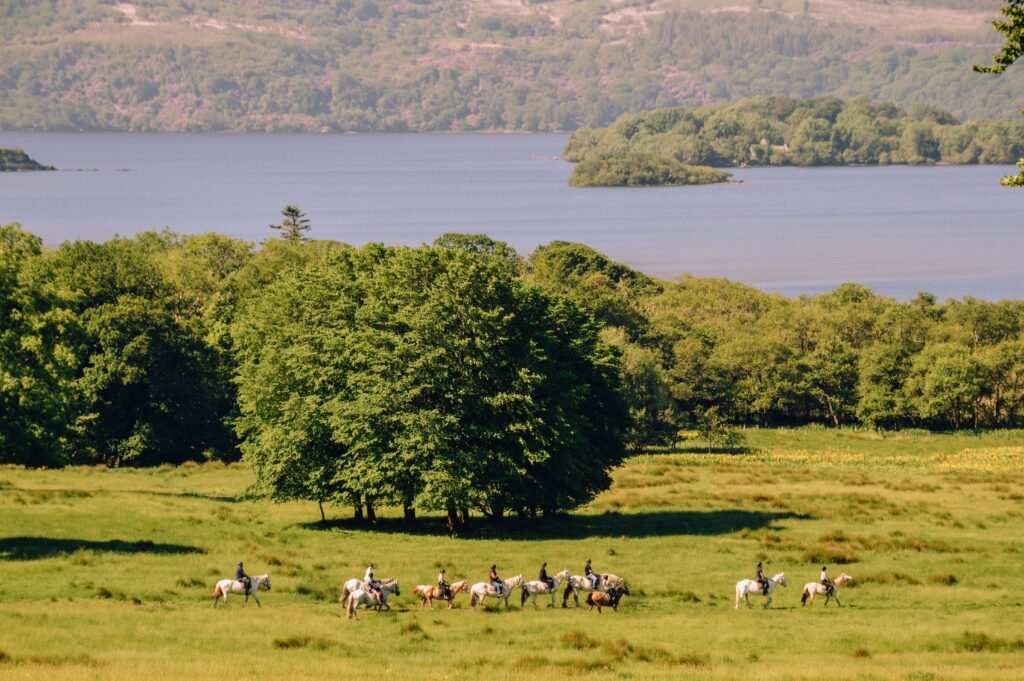
Lake Mburo National Park holds a distinction found only in Uganda at this one location: it is the only national park in the country where a horseback safari among free-roaming wildlife is permitted. Because Lake Mburo’s resident predator population remains small and closely monitored, horses can move safely alongside grazing zebra, eland, and impala, species themselves largely confined to this one park within Uganda’s borders. Riding through open grassland with wildlife grazing unbothered on either side offers a completely different vantage point than anything achievable from a vehicle.
This activity exists only in Uganda at Lake Mburo; no other Uganda national park permits it, largely because the predator densities found in parks like Queen Elizabeth or Murchison Falls make horseback riding among wildlife an unacceptable safety risk. Lake Mburo’s unusual combination of rich grazing wildlife and limited predator numbers is what makes this activity possible only in Uganda, here and nowhere else. Rides range from a short introductory hour suitable for beginners to a half-day excursion for more experienced riders, and booking through the park’s licensed operator in advance is strongly recommended given limited daily capacity.
2. Tree-Climbing Lions: Ishasha Sector, Queen Elizabeth National Park
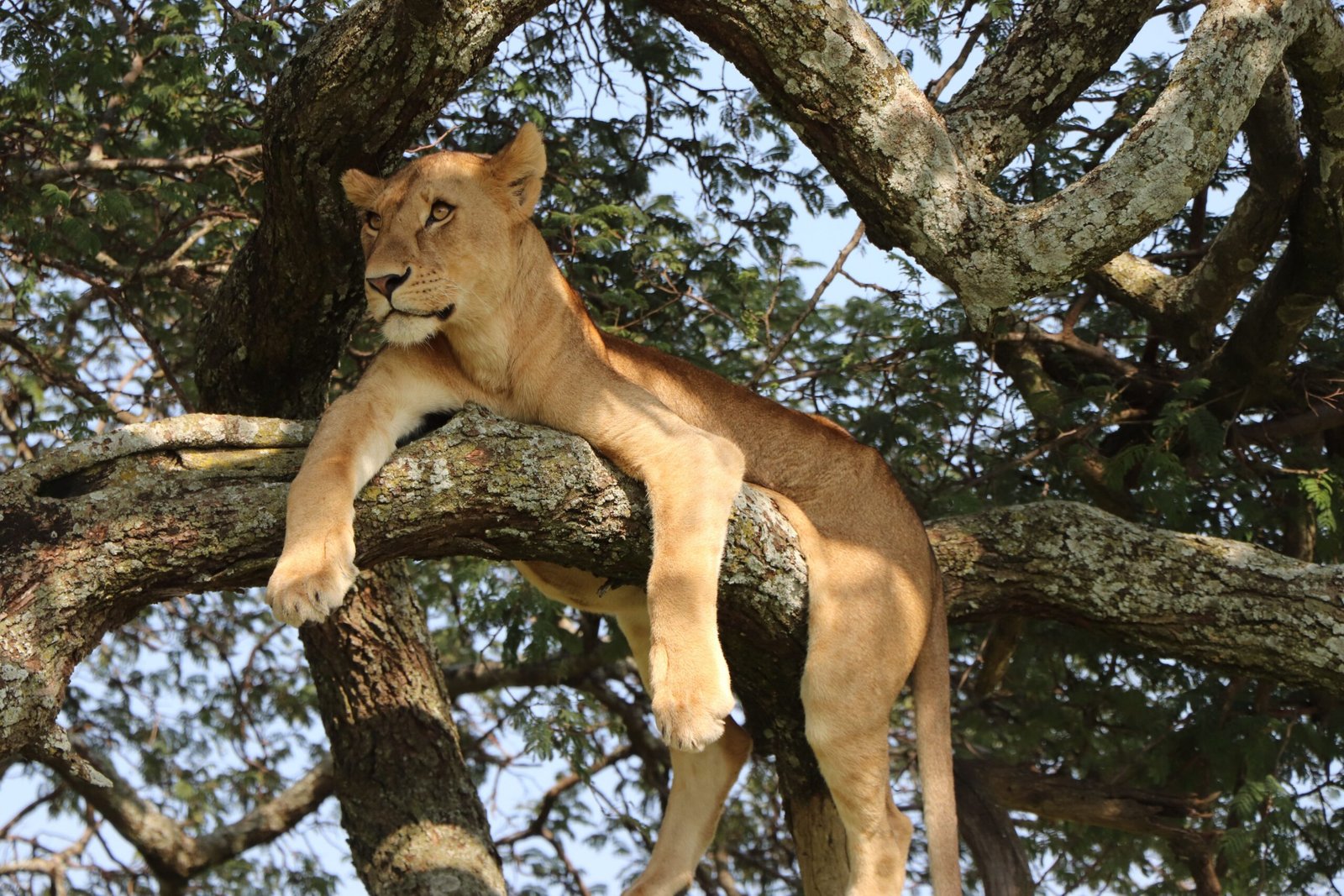
Lions draping themselves across the branches of fig trees is one of Africa’s genuinely rare behaviors, documented reliably in only a handful of locations on the entire continent. Within Uganda, this behavior is reliably observed in exactly one place: the Ishasha sector of Queen Elizabeth National Park, where a specific pride has developed the tree-climbing habit, likely as a response to heat, biting insects, or simply a learned behavior passed down through generations of the same lion family.
This behavior is found only in Uganda at Ishasha; only in Uganda in the country offers a comparable sighting, and the Ishasha sector’s remote position in the park’s far south means it requires a deliberate detour from the main Queen Elizabeth circuit around Mweya and Kasenyi. Travelers determined to see this specific behavior should budget at least a full day in Ishasha, since the lions do not climb on command, and patience, combined with a guide who knows the pride’s current territory, significantly improves the odds of a genuine sighting.
3. Chimpanzee Habituation Experience: Kibale Forest National Park
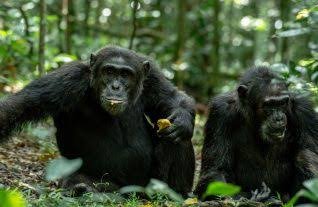
Standard chimpanzee trekking, a scheduled hour with a habituated community, is available in several Uganda locations, including Kibale Forest, Kyambura Gorge, and Budongo Forest. The chimpanzee habituation experience is different, and this experience is only in Uganda at Kibale Forest National Park. This full-day activity places a small group of visitors alongside researchers and trackers working to habituate a still-wild chimpanzee community to human presence, following the group from their early morning nest through a full day of feeding, resting, and social activity.
Because habituation is an ongoing, specialized process requiring long-term research investment, this experience exists only in Uganda at Kibale; no other Uganda national park currently offers it. Visitors who choose the habituation experience over a standard trek spend upward of six to eight hours in the forest, witnessing natural chimpanzee behavior in far greater depth than the standard one-hour visit allows, making it a genuinely different and more immersive encounter than chimpanzee trekking found anywhere else in the country.
4. Boiling Hot Springs: Semuliki National Park
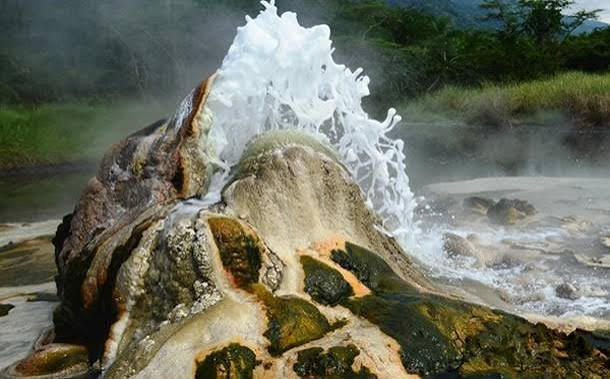
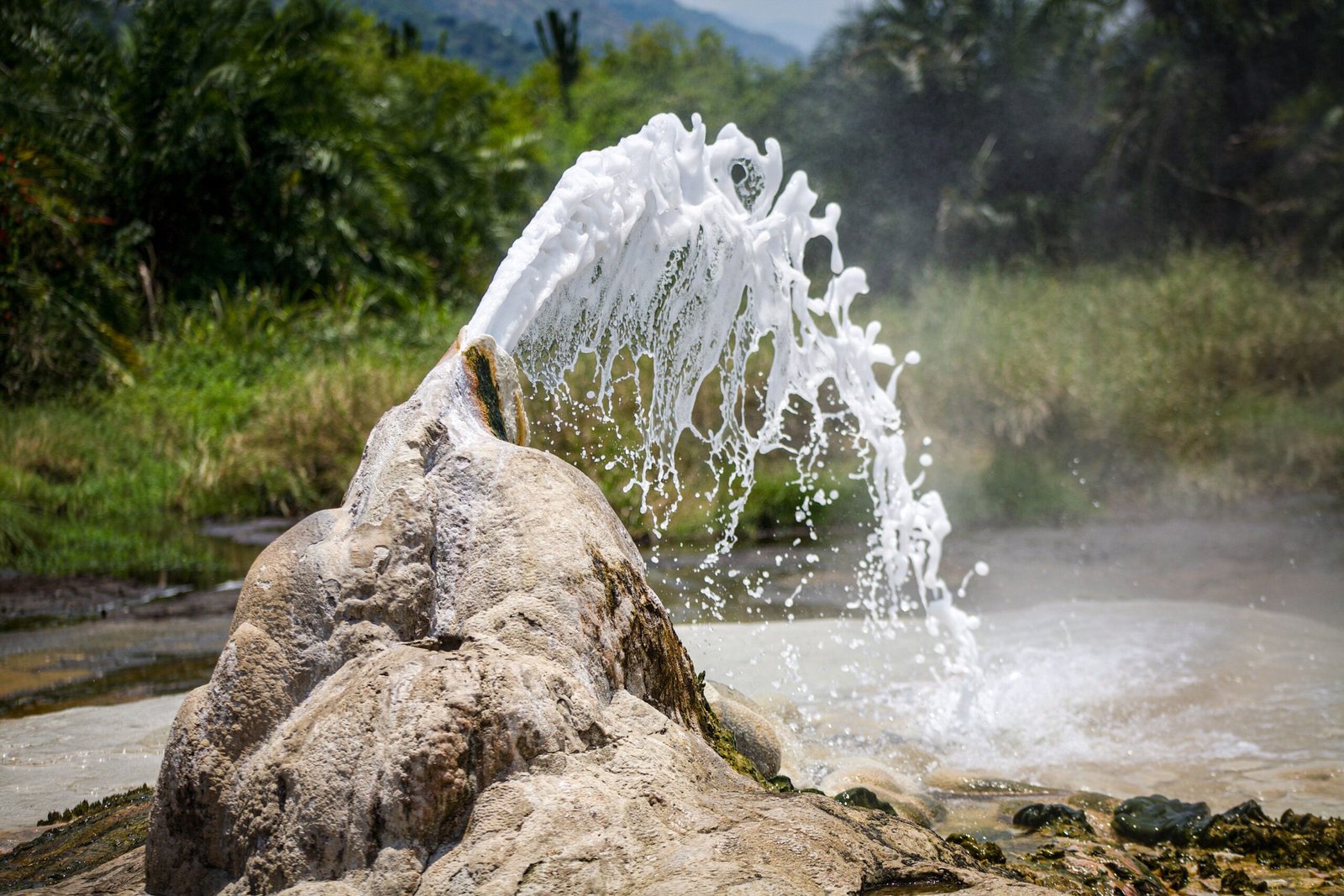
Tucked into the Semliki Valley near Uganda’s border with the Democratic Republic of Congo, Semuliki National Park hosts the Sempaya hot springs, a pair of geothermal springs where water bubbles up from the earth at temperatures hot enough to boil an egg in a matter of minutes. This geological feature, a male and female spring according to local legend, exists only in Uganda at Semuliki, only in Uganda within the country’s park system, making Semuliki the only place in the country where travelers can witness this kind of active geothermal activity up close.
The springs sit within a lowland tropical forest that itself represents an extension of the Congo Basin rainforest, Uganda’s only park with this particular ecosystem, adding further rarity to a visit here. A short guided walk from the park’s entrance leads to the female spring, with the more dramatic male spring, surrounded by scalding mud and steam, reached after a slightly longer walk through the forest. For travelers curious about Uganda’s geological diversity beyond its wildlife, Semuliki’s hot springs offer an experience genuinely unavailable in any other park in the country.
5. Golden Monkey Tracking: Mgahinga Gorilla National Park
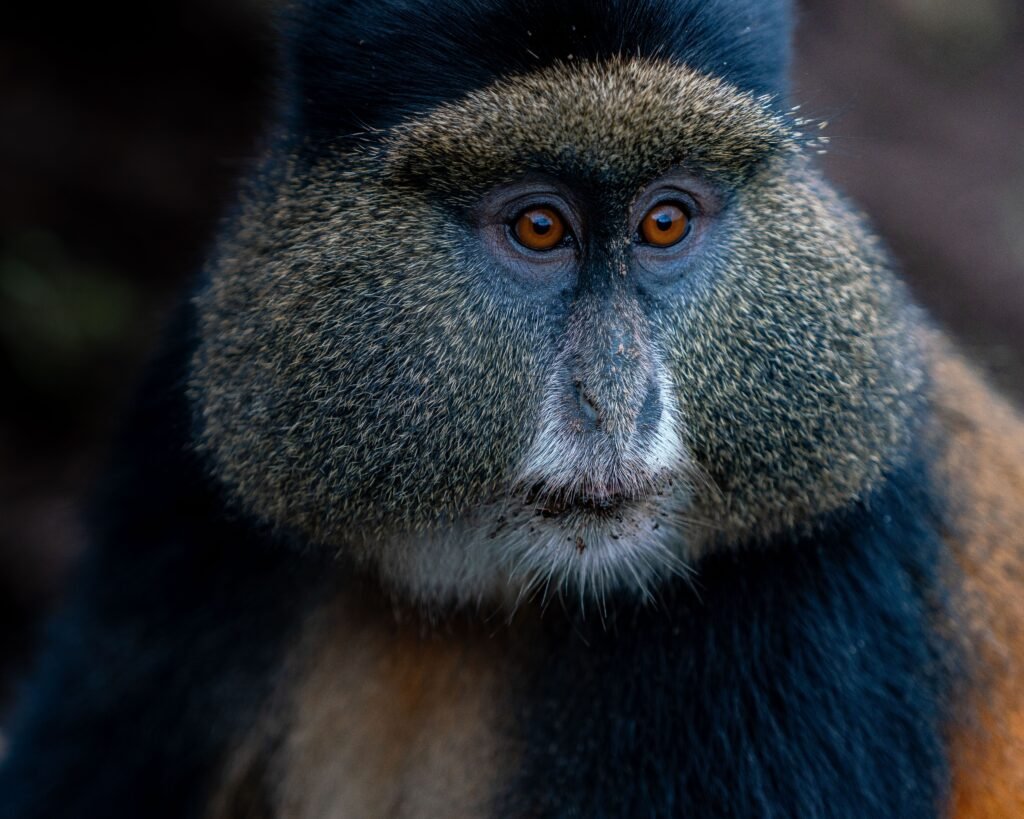
Mountain gorillas understandably dominate the conversation around Uganda’s Virunga region, but Mgahinga Gorilla National Park holds another, quieter distinction: it is the only national park in Uganda where golden monkey tracking is offered. These striking, orange-gold primates, found only in the bamboo forests of the Virunga volcanoes spanning Uganda, Rwanda, and the Democratic Republic of Congo, live only in Uganda at Mgahinga and only in Uganda within the country’s park system, making it the sole access point for this specific species.
Tracking golden monkeys involves following a habituated troop through dense bamboo forest on the lower slopes of the Virunga volcanoes, a noticeably different experience from gorilla trekking given the golden monkeys’ quicker, more energetic movement through the canopy. Permits for golden monkey tracking cost considerably less than a gorilla permit, making this one of the more affordable primate encounters in Uganda, and one that remains, within the country’s borders, entirely unique to Mgahinga.
6. True Wilderness Hiking with the Ik and Karamojong: Kidepo Valley National Park
Kidepo Valley National Park sits so far from Uganda’s main tourist circuit, in the rugged, semi-arid northeast bordering Kenya and South Sudan, that it offers something no other Uganda national park can match: genuine access to the Karamojong and Ik peoples, communities whose cultural practices and way of life remain closely tied to this specific landscape. Guided cultural walks and visits to Karamojong manyattas arranged through Kidepo give travelers an encounter with pastoralist and hunter-gatherer traditions found only in Uganda at this one park, only in Uganda within the country’s protected park network.
Beyond the cultural dimension, Kidepo’s remoteness itself delivers a different kind of wilderness experience, open plains and rugged mountains with a sense of isolation that busier parks further south, however wild in appearance, simply cannot replicate given their proximity to established tourist routes. Travelers willing to make the long journey, by road or charter flight, to Kidepo Valley National Park find predator densities rivaling East Africa’s most famous reserves, combined with a cultural access point unique to this one corner of Uganda.
7. A Launch Cruise to the Base of Africa’s Most Powerful Waterfall: Murchison Falls National Park
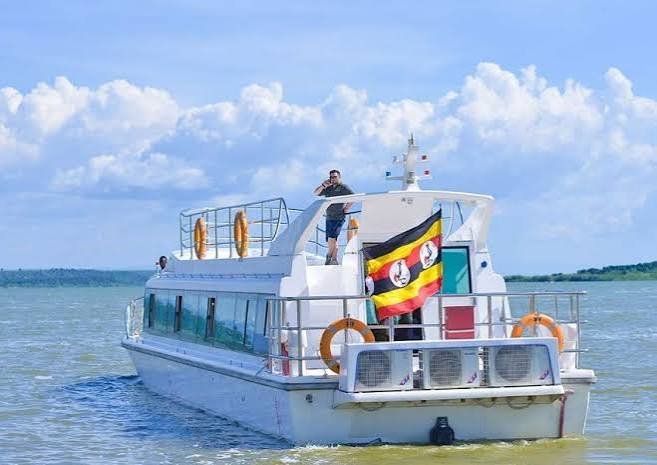
Several Uganda parks offer boat cruises, Lake Mburo, Queen Elizabeth’s Kazinga Channel, but only Murchison Falls National Park offers a launch cruise culminating at the base of a waterfall widely regarded as the most powerful on the entire African continent. Here, the full force of the Victoria Nile is compressed through a gap barely seven meters wide before plunging more than forty meters into the gorge below, a spectacle of raw hydraulic power unmatched anywhere else in Uganda’s park system.
The journey to reach this specific sighting, a slow, three-hour round trip launch cruise from Paraa, passes extraordinary concentrations of hippo, crocodile, and elephant along the way, but it is the final approach to the base of the falls themselves, where mist and noise intensify as the boat draws close, that makes this activity genuinely unrepeatable elsewhere in Uganda. No other park combines this particular geological feature with a boat-based approach to it; this specific combination exists only in Uganda at Murchison Falls, making the launch cruise one of the country’s most distinctive single-location experiences.
8. Full-Day Gorilla Habituation: Bwindi Impenetrable Forest
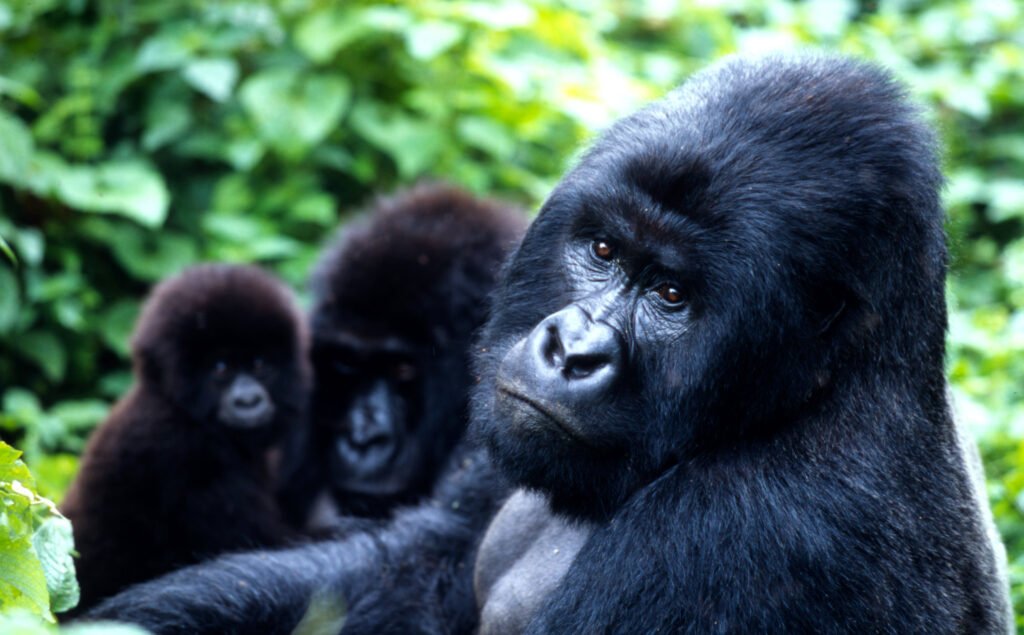
Standard gorilla trekking, a carefully managed hour with a habituated family, is available across several sectors of Bwindi Impenetrable Forest. The gorilla habituation experience is a distinct, separate activity, and this experience is only in Uganda at one specific sector, Rushaga, within Bwindi. This extended encounter places a small group of visitors alongside researchers and trackers working to habituate a still-wild gorilla family, spending up to four hours observing natural behavior rather than the standard sixty minutes.
Because habituation permits are limited and considerably more expensive than standard trekking permits, this remains a genuinely rare activity even within Bwindi itself, let alone across Uganda’s other parks, none of which currently offer a comparable habituation program for gorillas. For travelers who have already experienced standard gorilla trekking and want a deeper, less time-constrained encounter, the habituation experience in Bwindi’s Rushaga sector is available only in Uganda at this single location, only in Uganda in the country.
What Makes an Activity Genuinely Only in Uganda
It is worth being precise about what earns a place on this list, since not every impressive wildlife sighting qualifies as something found only in Uganda at a single park. Lion sightings, elephant encounters, and general game drives are available across several Uganda parks, and none of those general experiences belong on a list built around genuine exclusivity.
What distinguishes each of these eight entries is a specific combination of species, behavior, geology, or program that, within Uganda’s current park system, physically cannot be replicated anywhere else in the country, whether because of a unique habitat, a specific research program, or a geological feature tied to one particular location.
This distinction matters because marketing language across the safari industry often overuses words like unique and exclusive for experiences that are, in reality, available at several different parks or lodges. An activity genuinely only in Uganda at a single location carries a different kind of value: missing it on a given trip means missing it entirely, rather than simply finding a slightly less convenient substitute elsewhere. Understanding which of Uganda’s attractions actually meet this bar, rather than assuming every park offers a version of everything, is what separates a well-researched itinerary from one built purely around general popularity.
Understanding which activities exist in only one specific park changes how a Uganda itinerary should be built. Assuming any savanna park will deliver tree-climbing lions, or that chimpanzee trekking anywhere equals the Kibale habituation experience, risks disappointment for travelers who have a specific activity in mind without realizing it is tied to one location alone. A travel consultant who understands these distinctions can build an itinerary around the specific experiences that matter most to a given traveler, rather than assuming general wildlife viewing across any park will substitute for something genuinely unique to just one.
This also means that skipping a particular park, Semuliki or Mgahinga, say, in favor of a more famous destination elsewhere may mean missing an experience available only in Uganda at that single park, regardless of how impressive the substitute park might otherwise be. For travelers with enough time to properly explore Uganda’s full park system, deliberately seeking out these eight only-in-Uganda activities, rather than defaulting to the most marketed parks alone, produces a far more complete and genuinely distinctive safari.
Frequently Asked Questions About Uganda’s Only-in-One-Park Activities
Can I find golden monkeys or tree-climbing lions in any other East African country? Golden monkeys are shared across the Virunga volcanoes spanning Uganda, Rwanda, and the Democratic Republic of Congo, so while Mgahinga is the only access point within Uganda, Rwanda’s Volcanoes National Park offers a comparable experience across the border.
Tree-climbing lions are rarer still, documented reliably in only a handful of places worldwide, with Ishasha standing as the only reliable Uganda location and Tanzania’s Lake Manyara the other well-known example on the continent.
Is it worth visiting a park purely for one of these eight unique activities? For travelers with a specific interest, serious birders, primate specialists, or anyone drawn to a particular geological feature, the answer is usually yes. Each of these experiences exists only in Uganda at the single park described, which means substituting a more convenient or better-known park simply will not deliver the same activity, however impressive that alternative park might otherwise be.
How much extra time should I budget to include several of these only-in-Uganda experiences? Because Uganda’s parks are spread across considerable distances, from Mgahinga in the far southwest to Kidepo in the far northeast, covering more than two or three of these activities within a single trip typically requires at least two to three weeks, factoring in driving time or domestic flights between widely separated locations. A travel consultant can help sequence a realistic route rather than attempting to cram every only-in-Uganda activity into a single short trip.
Are these activities likely to remain unique to one park, or could other parks eventually offer them too? Some, like the chimpanzee and gorilla habituation experiences, could theoretically expand to additional sectors or parks over time as conservation programs develop further, though this remains uncertain and currently each activity is still found only in Uganda at the single location described here.
Geological features like Semuliki’s hot springs and behavioral quirks like Ishasha’s tree-climbing lions are considerably less likely to appear elsewhere, since they depend on specific local conditions unlikely to be replicated in another part of the country.
Practical Tips for Booking These Only-in-Uganda Activities
Several of these activities, precisely because each is available only in Uganda at a single park, operate with limited daily capacity and should be booked well in advance rather than left until arrival. Gorilla and chimpanzee habituation permits in particular are issued in very small numbers each day and frequently sell out months ahead during peak season, making early booking essential for travelers who specifically want the full-day habituation experience rather than standard trekking.
Horseback safari slots at Lake Mburo and golden monkey permits at Mgahinga are generally easier to arrange on shorter notice, though booking through a lodge or operator in advance still removes unnecessary uncertainty.
Physical fitness requirements vary considerably across this list, and travelers should be realistic about matching activities to their own capability. The Murchison Falls launch cruise requires no particular fitness beyond sitting on a boat for a few hours, while the Kidepo cultural walks and gorilla habituation experience in Bwindi demand a reasonable level of stamina given extended time on foot, often across uneven terrain. A good travel consultant can help match the right combination of only-in-Uganda activities to a traveler’s fitness level and interests, rather than assuming every experience on this list suits every visitor equally.
Finally, because each of these eight activities is only in Uganda at one specific, often remote, location, logistics matter more here than for a conventional park visit. Semuliki and Kidepo in particular require longer drives or charter flights than Uganda’s more central parks, and building in realistic travel time, rather than assuming every only-in-Uganda activity sits conveniently close to the next, prevents an itinerary from becoming unrealistically rushed.
Planning a Uganda Safari Around These Unique Experiences
Covering all eight of these activities within a single trip would require significant time, given how widely scattered Uganda’s parks are, from the far southwest at Mgahinga to the far northeast at Kidepo. Most travelers instead select two or three of these experiences that align most closely with their interests, whether that means prioritizing primates with Kibale’s habituation experience and Mgahinga’s golden monkeys, or focusing on dramatic landscapes with Murchison Falls and Kidepo Valley.
Building an itinerary around genuinely unique, location-specific activities rather than generic park visits tends to produce the most memorable results, and a Uganda-based travel consultant familiar with exactly which experiences are tied to which park can help prioritize accordingly. Whichever combination a traveler chooses, understanding that each of these eight activities is only in Uganda at one specific park is the first step toward building a safari that genuinely makes the most of what each individual park, rather than the country’s broad reputation alone, actually has to offer.