Gorilla Trekking Rules Uganda protect both visitors and mountain gorillas. Discover 7 essential guidelines every trekker must follow.
7 Essential Guidelines
Mountain gorillas share roughly 98 percent of their DNA with humans, which makes them remarkably vulnerable to the same illnesses that barely inconvenience most people. Gorilla Trekking Rules Uganda exist precisely because of this genetic closeness, protecting a species with fewer than 1,100 individuals left in the wild.
Understanding these rules before you trek isn’t optional paperwork; it’s what keeps this entire form of tourism sustainable.
This guide covers seven essential guidelines enforced by the Uganda Wildlife Authority on every trek in Bwindi Impenetrable National Park and Mgahinga Gorilla National Park. We’ll explain not just what the rules are, but why each one exists and how it protects both you and the gorillas.
By the end, you’ll arrive at the trailhead fully prepared to follow Gorilla Trekking Rules Uganda without hesitation.
First-time trekkers often assume these guidelines are simply bureaucratic formality, the kind of rules recited during a briefing and then largely forgotten once the excitement of the trek begins. In practice, rangers enforce every one of these rules actively throughout the encounter, not just at the trail head.
Treating them as genuinely important, rather than a checklist to acknowledge and move past, shapes the entire quality of your experience.
Why Gorilla Trekking Rules Uganda Exist
Every rule enforced on a gorilla trek traces back to one of two core concerns: disease transmission or behavioral safety. Because gorillas share so much genetic material with humans, illnesses that feel like a minor cold to a person can spread rapidly and prove fatal within a gorilla family.
Gorilla Trekking Rules Uganda are built around minimizing this risk while also keeping human visitors safe around a genuinely powerful wild animal.
Who Enforces These Rules
The Uganda Wildlife Authority sets and enforces these regulations across both Bwindi and Mgahinga, with armed rangers accompanying every trekking group to ensure compliance.
These same rules apply consistently across Rwanda and the Democratic Republic of Congo, since all three countries manage the same shared mountain gorilla population. This cross-border consistency reflects coordinated conservation policy rather than isolated national preferences.
Rule 1: You Must Be at Least 15 Years Old
The minimum age for gorilla trekking is strictly 15 years old, enforced through passport verification at park headquarters before the trek begins.
Gorilla Trekking Rules Uganda apply this age limit primarily because younger children are more likely to carry common childhood illnesses like chickenpox, mumps, and influenza. These infections, harmless to most kids, pose a genuine threat to gorilla populations with limited immunity to human pathogens.
How Age Verification Works
Age is calculated based on the actual trek date, not the date you booked your permit, so a child turning 15 two days after a scheduled trek still won’t be permitted to participate. Rangers check original passports, not photocopies or digital scans, during the morning registration process.
Uganda occasionally grants limited exceptions for mature 14-year-olds approaching their fifteenth birthday, though this remains a rare discretion rather than standard practice, and typically requires written parental consent submitted in advance.
Families traveling with younger children should plan alternative activities in advance rather than discovering the age restriction upon arrival.
Chimpanzee tracking, generally available from age twelve, and golden monkey tracking offer excellent primate alternatives for younger travelers. Many lodges near Bwindi and Mgahinga also offer supervised childcare or family-friendly excursions specifically designed around this common scheduling need.

Rule 2: Maintain a Minimum Seven-Meter Distance
Keeping at least seven meters, roughly 23 feet, from the nearest gorilla is one of the most consistently emphasized Gorilla Trekking Rules Uganda enforces on every trek. This distance requirement exists specifically to reduce the risk of respiratory disease transmission between humans and gorillas.
Rangers actively guide group positioning throughout the encounter to maintain this buffer, even as gorillas themselves sometimes approach closer than the rule technically allows.
Why This Specific Distance Matters
Seven meters represents a scientifically informed balance between minimizing airborne disease risk and still allowing a meaningful, close wildlife encounter. Respiratory droplets from coughing or sneezing can travel this distance under certain conditions, making the buffer a genuine, evidence-based precaution rather than an arbitrary number.
If a gorilla chooses to approach within this distance itself, trekkers should remain calm and follow ranger instructions rather than moving suddenly.
Rule 3: Never Trek While Sick
Gorilla Trekking Rules Uganda require honest disclosure of any illness during the pre-trek health screening, even something as mild as a common cold or scratchy throat. Trekkers showing symptoms of respiratory illness, diarrhea, or other communicable conditions are asked to sit out that day’s trek entirely.
This rule protects the gorilla population more than any other single guideline, given how easily human respiratory illnesses can devastate a habituated family.
What Happens If You’re Sick on Trek Day
Rangers conduct a basic health screening each morning before assigning trekkers to gorilla families, and honest disclosure is expected even though the temptation to conceal mild symptoms is understandable after months of planning and expense. Most operators and the Uganda Wildlife Authority will work to reschedule a trek for genuinely sick travelers rather than losing the permit entirely, though policies vary by operator.
Traveling with comprehensive travel insurance that covers trip interruption is strongly recommended given this real possibility.
This rule asks travelers to prioritize the gorillas’ well being over their own immediate trekking plans, which can feel genuinely difficult after investing significant time and money into the trip.
Reframing this as a temporary setback rather than a wasted trip helps, since most reputable operators offer flexible re-booking options precisely because this situation arises periodically. Ultimately, one postponed trek is a far better outcome than introducing a potentially fatal illness into a wild gorilla population.
Rule 4: No Flash Photography or Loud Noises
Camera flashes are strictly prohibited during gorilla encounters, since sudden bright light can startle or distress the animals in ways that provoke defensive behavior.
Gorilla Trekking Rules Uganda also require trekkers to keep voices low and camera shutter sounds minimal throughout the entire hour-long observation window. Adjusting camera settings before the encounter begins, rather than fumbling with controls once gorillas are found, prevents both technical frustration and rule violations in the moment.
Photography Etiquette Beyond Just Flash
Sudden movements, loud exclamations, or excessive shuffling for a better angle can all disturb the group and cut an encounter short for everyone present.
Rangers will guide positioning throughout the hour, and following their instructions immediately takes priority over capturing the perfect shot. Patient, quiet observation consistently produces both better photographs and a more respectful, rewarding experience overall.
Rule 5: Groups Are Capped at Eight Visitors
Each habituated gorilla family receives a maximum of eight visitors per day, a limit enforced consistently across Uganda, Rwanda, and the Democratic Republic of Congo. Gorilla Trekking Rules Uganda cap group size specifically to limit cumulative stress on the gorillas and reduce the collective disease exposure risk from a larger crowd.
This scarcity is also why permits sell out well in advance during popular travel seasons.
Why Smaller Groups Matter
A smaller visitor group allows rangers to manage positioning and behavior more effectively than a larger crowd would permit. It also means each trekker gets a more intimate, less crowded viewing experience once the family is located.
This cap reflects a deliberate trade-off between tourism revenue and genuine conservation priorities, favoring the gorillas’ wellbeing over maximizing daily visitor numbers.
This limited daily capacity, roughly 160 permits across all of Uganda’s habituated families, is also why booking well in advance matters so much for popular travel dates. Peak season permits, particularly for June through September and December through February, frequently sell out six months ahead of the trekking date.
Understanding this scarcity upfront helps set realistic expectations around booking timelines rather than assuming permits remain readily available closer to your travel dates.
Rule 6: Never Touch or Feed the Gorillas
Physical contact with gorillas is strictly forbidden under all circumstances, even in the rare event that a curious young gorilla approaches a trekker directly. Gorilla Trekking Rules Uganda prohibit feeding for the same underlying reason: both actions create disease transmission risk and can alter natural gorilla behavior in ways that complicate long-term conservation.
Rangers are trained to manage these close encounters safely without requiring trekkers to initiate or reciprocate contact.
What to Do If a Gorilla Approaches
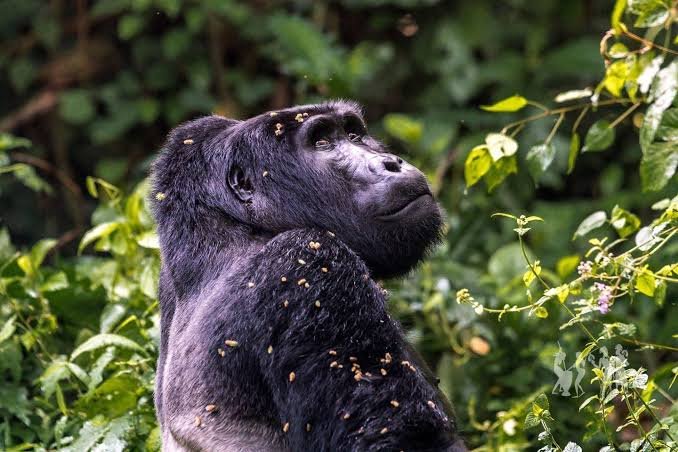
If a gorilla moves closer than expected, the correct response is to stay still, remain quiet, and avoid direct eye contact with any dominant silverback nearby. Prolonged staring can register as a challenge in gorilla body language, so looking slightly away while remaining calm is the recommended approach.
Rangers will guide the group’s response in real time, and trusting their judgment matters more than any instinct to move away or reach for a better photo.
Rule 7: Trekking Is Limited to One Hour Once Located
Regardless of how long it takes to find the assigned gorilla family, sometimes two hours, sometimes seven, the observation window itself is capped at exactly sixty minutes.
Gorilla Trekking Rules Uganda enforce this limit strictly to minimize cumulative stress on the gorillas from repeated daily visits. This is also why the extended four-hour habituation experience exists as a separate, more limited permit option for travelers wanting more time.
Making the Most of a Single Hour
Because the hour passes quickly, entering the encounter with clear priorities, whether that’s photography, simple observation, or both, helps make the most of limited time. Resisting the urge to spend the entire hour looking through a camera viewfinder allows for genuine, direct moments of connection with the family.
Many experienced trekkers recommend setting aside at least a few minutes of the hour purely for unmediated observation, camera down, simply watching.
What Happens If Rules Are Broken
Rangers have full authority to end an encounter early if trekkers repeatedly violate distance requirements, use flash photography, or behave in ways that visibly stress the gorilla family.
Gorilla Trekking Rules Uganda are enforced in real time, not just explained during the morning briefing, so compliance throughout the entire hour matters as much as the initial agreement to follow them. Repeated or serious violations can result in a trekker being removed from the group entirely.
Why Compliance Protects Everyone’s Experience
Every trekker in a group shares the same hour with the same gorilla family, so one person’s rule violation can shorten or disrupt the experience for the entire party. This shared stake is part of why rangers take enforcement seriously rather than treating the rules as loose suggestions.
Respecting these guidelines isn’t just about avoiding personal consequences; it’s about protecting a genuinely rare, collectively shared wildlife encounter.
Final Thoughts on Gorilla Trekking Rules Uganda
These seven guidelines exist because mountain gorillas remain a fragile, endangered population that tourism itself has helped stabilize, but could just as easily endanger through careless human behavior.
Gorilla Trekking Rules Uganda strike a careful balance between allowing genuinely close wildlife encounters and protecting the very animals that make those encounters possible. Understanding the reasoning behind each rule, rather than simply memorizing a checklist, makes compliance feel intuitive rather than restrictive.
Arriving prepared, informed, and willing to follow ranger instructions without hesitation ensures both a safer trek and a more meaningful encounter once you find the gorillas.
These rules have helped move mountain gorillas from Critically Endangered toward a more stable conservation status over recent decades. Respecting them is a small, direct way every visitor contributes to that continued progress.
Reviewing this guide before departure, rather than only during the morning briefing, gives you time to genuinely absorb the reasoning behind each rule rather than simply memorizing a list under time pressure.
Trekkers who understand why these guidelines exist tend to comply more naturally and confidently than those treating them as arbitrary restrictions. That confidence, in turn, often produces a calmer, more enjoyable encounter once the gorillas are finally found.
Ready to plan your gorilla trek with full confidence in the rules? Tulambule Uganda Safaris can prepare you thoroughly, secure your permit, and guide you through a safe, respectful encounter with Uganda’s mountain gorillas.