Akagera National Park is Rwanda’s only Big Five destination and one of Africa’s great rewilding stories. Discover 5 reasons to visit.
Akagera National Park: 5 Ultimate Reasons for Rwanda’s Big 5
Rwanda’s name is almost synonymous with mountain gorillas, but the country holds a second, quieter wildlife story most travelers never hear about. Akagera National Park is Rwanda’s only savannah park and its sole Big Five destination, home to lions, leopards, elephants, buffalo and rhinos roaming the same plains where they were once locally extinct.
National Geographic recently named it one of the best places to travel worldwide, and the recognition is well earned.
This guide covers five reasons Akagera National Park deserves a place on your Rwanda itinerary. We’ll cover the park’s remarkable recovery, its current wildlife populations, and what makes a safari here different from Uganda’s or Kenya’s more crowded circuits.
By the end, you’ll understand why this park is quickly becoming one of Africa’s most talked-about conservation destinations.
Most travelers arrive in Rwanda with a single-minded focus on gorilla trekking, understandably drawn by the country’s global reputation for that experience. Few realize that a two to three hour drive from Kigali delivers an entirely different kind of safari, one built around open savannah, big cats and a genuinely remarkable recovery story.
This guide exists to change that, making the case for why Akagera deserves equal billing on any well-planned Rwanda itinerary.
Understanding Akagera National Park’s Story
Akagera National Park was established decades ago by the Belgian colonial government, originally covering roughly 2,500 square kilometers, more than double its current size.
Named for the Akagera River that feeds a network of lakes and wetlands running along the park’s eastern boundary with Tanzania, this was once a complete Big Five ecosystem.
Decades of instability, including Rwanda’s civil war, devastated the park as displaced populations resettled within its boundaries and poaching surged.
From Devastation to Recovery
Years ago, a transformative partnership between the nonprofit African Parks and the Rwanda Development Board began restoring what instability had nearly destroyed.
This collaboration has become one of conservation’s most cited success stories, and it’s the foundation for everything Akagera National Park now offers visitors.
Understanding this history adds real weight to what might otherwise be just another savannah safari.
At its lowest point, the park had shrunk to less than half its original size as resettled communities occupied land that once supported wildlife freely.
Poaching during this period devastated populations that had taken decades to establish, effectively erasing several key species from the landscape entirely.
The scale of what’s been rebuilt since this partnership began becomes considerably more impressive when measured against just how close the park came to losing its wildlife identity altogether.
Reason 1: A Complete Big Five, Rebuilt From Nearly Nothing
Akagera National Park is the only place in Rwanda where all five of Africa’s most iconic species, lion, leopard, elephant, buffalo, and rhino, can be seen together.
Every one of these species had to be reintroduced or actively protected back from the brink after the park’s near-collapse in the 1990s. This makes an Akagera safari feel less like routine wildlife viewing and more like witnessing an ongoing recovery in real time.
The Numbers Behind the Comeback
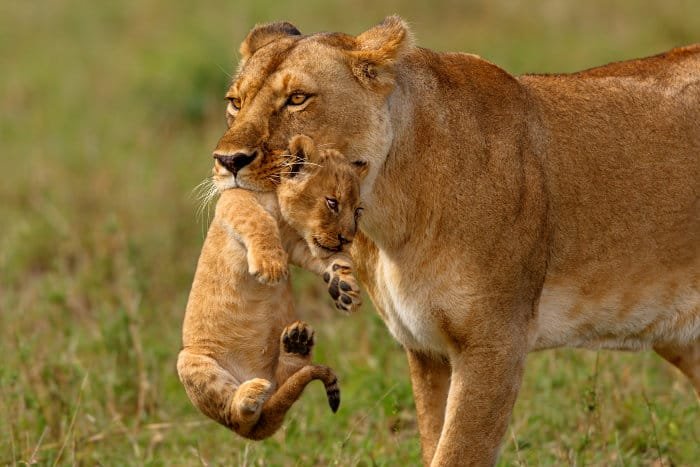
Seven lions were reintroduced from South Africa after Rwanda had gone two decades without a single wild lion; the population now stands at over 70 individuals.
Eastern black rhinos arrived from South Africa in two separate translocations, followed later by an initial group of southern white rhinos in what was Africa’s first cross-continental rhino rewilding effort.
A further, larger group of white rhinos has since arrived, pushing the park’s total rhino population past 180 and cementing Akagera’s role as a genuine conservation hub for one of the world’s most threatened species.
These figures represent more than simple population counts; they reflect a coordinated, multi-year strategy involving international partners, careful habitat preparation, and ongoing veterinary monitoring for every reintroduced animal.
Newly translocated rhinos undergo close observation for weeks after arrival, ensuring successful integration into the park’s existing ecosystem before roaming freely.
This level of care distinguishes Akagera’s rewilding program from simpler reintroduction efforts that sometimes struggle with translocated animals settling into unfamiliar territory.
Reason 2: Genuine Rewilding, Not Just a Zoo Behind Fences
What sets Akagera National Park apart from many restored parks elsewhere in Africa is the scale and speed of natural recovery once protection improved.
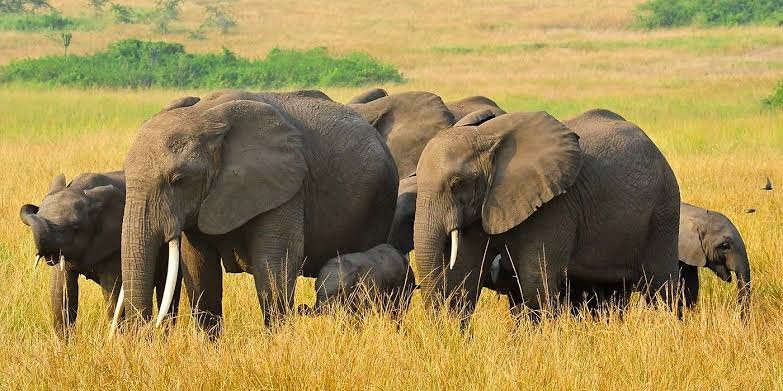
Buffalo numbers have grown from fewer than 1,000 historically to over 3,300 today, while the elephant population has climbed to at least 150 individuals. This isn’t a static population maintained artificially; it’s an ecosystem actively rebuilding itself.
More Than a Decade Without a Single Poaching Loss
Akagera National Park has gone over ten years without a single elephant, lion, or rhino lost to poaching, a genuinely remarkable statistic given the park’s turbulent history.
An electric perimeter fence, strengthened ranger patrols, and daily rhino monitoring have driven this success, alongside a revenue-sharing model that funnels ten percent of park income into surrounding communities.
This community investment, funding schools, clinics, and clean water projects, has reduced human-wildlife conflict and given local populations a genuine stake in the park’s survival.
This funding model also means the park now covers over 90 percent of its own operating costs through tourism revenue alone, reducing long-term dependence on external conservation grants.
Self-sufficiency of this kind is relatively rare among African protected areas, many of which remain heavily reliant on international donor funding indefinitely.
Akagera’s trajectory toward genuine financial independence adds another layer to its broader conservation success story.
Reason 3: A Genuinely Uncrowded Safari Experience
Unlike the Maasai Mara or Serengeti, where a single lion sighting can draw a dozen competing vehicles, Akagera National Park remains refreshingly uncrowded even as its wildlife recovers.
Recent quarterly visitor figures show just under 9,000 travelers generating over one million dollars in tourism revenue during a single three-month stretch, while still maintaining a genuinely intimate safari feel.
This scale means travelers can experience Big Five sightings without the visitor congestion common elsewhere on the continent.
Why Fewer Visitors Means a Better Experience
Guides can position vehicles thoughtfully and take time explaining behavior and ecology without competing for space around a single sighting.
This unhurried pace allows for a more personal, contemplative safari experience than many travelers expect from a Big Five destination. For visitors who’ve felt rushed or crowded on a busier East African circuit, Akagera offers a genuine contrast.
This lower visitor volume also means wildlife itself often behaves more naturally, undisturbed by the constant vehicle presence common in more heavily trafficked parks.
Lions and elephants encountered in Akagera frequently continue normal behavior, feeding, resting, or moving through territory, rather than reacting to a cluster of idling engines nearby. This authenticity is increasingly rare across Africa’s more famous safari circuits, making it a genuine point of distinction for Akagera.
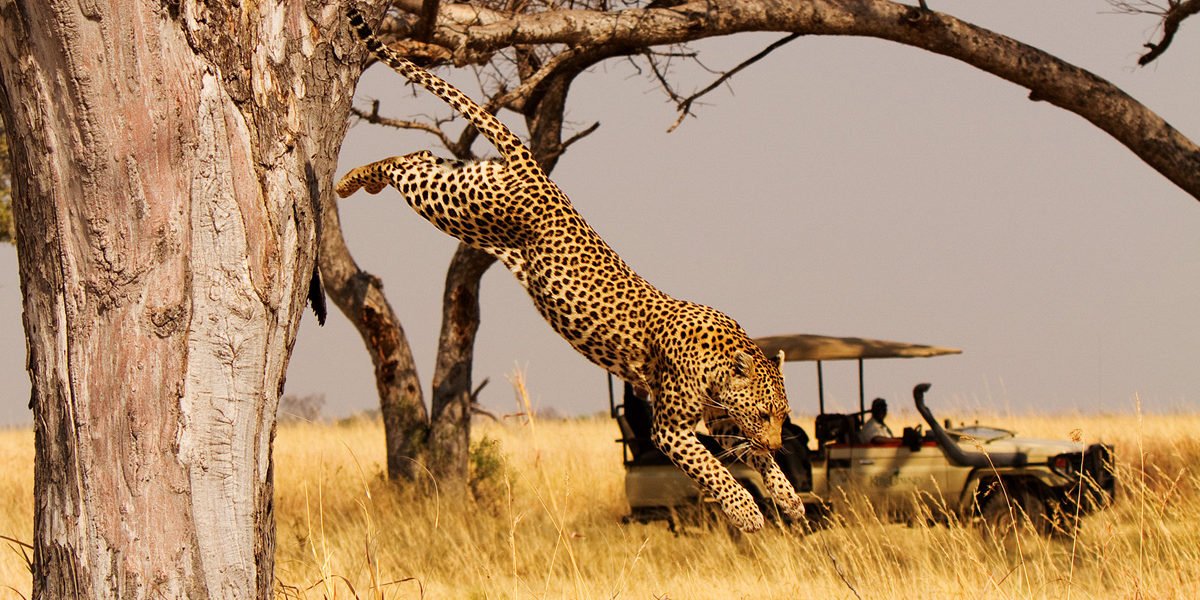
Reason 4: Diverse Landscapes and Exceptional Birding
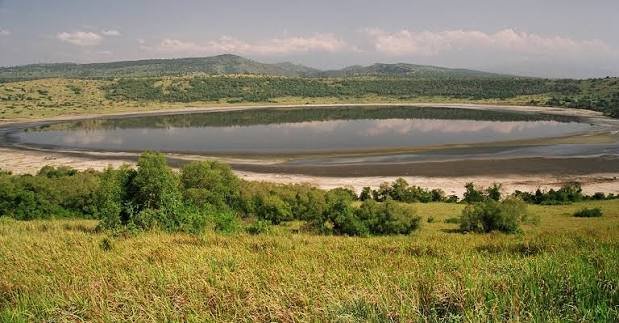
Akagera National Park’s roughly 1,089 square kilometers span savannah, wetlands, rolling hills, and a chain of lakes fed by the Akagera River itself.
Lake Ihema, the park’s largest lake, offers boat cruises revealing hippos, crocodiles and dense concentrations of waterbirds alongside classic savannah game viewing elsewhere in the park. This landscape variety means a single visit rarely feels repetitive, even across several days of game drives.
Over 500 Recorded Bird Species
Birders will find Akagera National Park among Rwanda’s richest destinations, with more than 500 recorded species across its varied habitats. Papyrus swamps, open savannah, and lakeside wetlands each support distinct communities of birds, rewarding visitors who explore beyond a single circuit.
Combined with strong Big Five sightings, this birding depth makes Akagera a genuinely well-rounded wildlife destination rather than a one-dimensional game park.
Reason 5: The Perfect Rwanda Safari Add-On
Akagera National Park pairs naturally with a Rwanda gorilla trekking permit in Volcanoes National Park, since both destinations sit within a manageable distance of Kigali.
Many travelers extend an already-booked gorilla trip by two or three days specifically to add a Big Five safari most don’t realize Rwanda even offers.
This combination delivers primates and predators within a single compact country, without the longer transfers a similar itinerary would require elsewhere.
This pairing also makes efficient use of an already-planned international flight and visa arrangement, since both destinations fall within the same Rwanda entry requirements.
Rather than treating gorilla trekking as a standalone, single-purpose trip, adding Akagera transforms the same journey into a genuinely comprehensive wildlife experience. Few additions to a Rwanda itinerary deliver this much additional value for such a modest increase in overall trip length.
Where to Stay and What It Costs
Akagera generates over 90 percent of its own operating costs through tourism, and accommodation options range from mid-range tented camps to properties like Wilderness Magashi and Ruzizi Tented Lodge for travelers wanting a more elevated stay.
Hiring a local park guide for roughly $25 to $40 per vehicle significantly improves sightings, since trained eyes consistently spot lions and rhinos that untrained visitors miss entirely. Staying inside the park itself allows for the earliest possible game drives, when wildlife activity and lighting are both at their best.

Planning Your Visit
Akagera National Park sits roughly two and a half hours from Kigali by road, making it a genuinely feasible add-on even for travelers with limited extra time. Game drives, night drives for leopard sightings, and the Lake Ihema boat cruise together cover the park’s full range of experiences within two to three days.
Combining an early morning game drive with an afternoon boat cruise makes efficient use of a single full day if your schedule is tight.
Road conditions on the route from Kigali are generally good, making the transfer itself a comfortable, scenic part of the overall journey rather than a logistical burden. Many operators offer this transfer as a private, guided drive, allowing for photo stops and commentary along the way rather than a rushed direct transit.
Building in this transfer time as part of the experience, rather than simply a means to an end, sets a relaxed tone for the days that follow.
Best Time to Visit
Dry season months, roughly June through September and December through February, offer the easiest game viewing conditions and the best odds of concentrated wildlife around water sources.
Wetter months bring lush scenery and strong birding but can make some tracks more difficult to navigate. Either season delivers strong wildlife viewing, so timing largely comes down to broader itinerary planning around a Rwanda gorilla trek.
Final Thoughts on Akagera National Park
Few destinations anywhere in Africa tell a conservation story as compelling as Akagera National Park’s recovery from near-collapse to a genuine Big Five destination in just over a decade. Lions, rhinos, elephants and leopards now share the same plains that instability and poaching had nearly emptied a generation ago.
For travelers already planning a Rwanda gorilla trek, this park offers a remarkable, uncrowded second chapter most visitors never expect to find.
Whether it’s the sight of a rhino grazing where the species had been locally extinct for decades, or simply the rare experience of a Big Five sighting without a crowd of vehicles, Akagera delivers something genuinely distinctive.
This is Rwanda’s quieter safari story, and it deserves far more attention than it currently receives. Few parks anywhere combine recovery, scenery, and genuine wildlife density quite this well.
As National Geographic’s recognition suggests, awareness of this park is growing quickly, and the window for experiencing it in its current, relatively uncrowded state may not last indefinitely.
Travelers weighing whether to add Akagera to an upcoming Rwanda trip have good reason to act sooner rather than later. The park’s story, still actively unfolding, makes for a genuinely rare kind of safari experience.
Ready to add Akagera to your Rwanda itinerary?
Tulambule Uganda Safaris can pair your gorilla trekking permit with a seamless Akagera Big Five safari, handling every detail across both destinations.