Something remarkable happened in Uganda in 2025/2026, and much of the travel world barely noticed. The country welcomed 1,642,215 international visitors, its highest total ever and roughly 106 percent of the pre-pandemic benchmark, according to the Ministry of Tourism, Wildlife and Antiquities and its Tourism Development Programme Annual Performance Report for 2025/26. That is a 19.7 percent jump in a single year.
If you have been wondering whether now is the right time to visit Uganda, those figures are more than a boast from a tourism ministry. They tell you that experienced travellers are quietly choosing the Pearl of Africa, and that the people who go tend to come home evangelical about it.
We build Uganda safari itineraries every day at Tulambule Uganda Safaris, so we read this report the way a careful traveller reads reviews: hunting for evidence. Is the wildlife healthy? Is the trip worth the money? Do the flights, roads and lodges actually work? And does the country hold steady when the news turns noisy? This guide takes the ministry’s own numbers, explains what they mean for your Uganda travel plans, and shows you how to turn them into a journey worth talking about for years.
Visit Uganda Now: The Record-Breaking Year Behind the Hype
Start with the wider picture. UN Tourism estimates that 1.52 billion international trips were taken around the world in 2025, about four percent more than the year before and comfortably above the pre-pandemic peak. Africa was among the strongest regions, and within it Uganda stood out. The same data places Uganda alongside Egypt, South Africa and Ethiopia among the continent’s best performers, with arrivals climbing roughly 19 percent.
Money followed the visitors. Tourism receipts reached UGX 5,829.2 billion, about US$1.62 billion, a 21.3 percent increase on 2024 and the highest figure ever recorded. Tourism now accounts for around ten percent of everything Uganda exports, and for more than half of its service exports. Why should a traveller care? Because a country that earns this much from visitors has every reason to protect the things visitors come for: the forests, the savannah, the rangers, and the roads that lead to all of them. Your Uganda safari is not a footnote in the national economy. It is part of the plan.
There is also a quieter piece of good news for anyone who dislikes crowds. Despite the record year, Uganda still holds just 2.0 percent of Africa’s international arrivals. Most of its visitors come from neighbouring countries, and many are visiting friends and relatives. Only 265,905 arrivals in 2025 were true leisure and holiday travellers. Spread those across 22 wildlife protected areas and you begin to understand why a morning game drive in Queen Elizabeth National Park, or a forest walk in Kibale, can still feel as though you have the place to yourself.
Who Is Choosing to Visit Uganda? Long-Haul Travellers Are Leading the Charge
Here is the number that made our whole team sit up. Overseas arrivals grew by 140.4 percent in 2025, doubling their share of all visitors from 10.1 percent to 20.1 percent. Those long-haul travellers matter because, as the ministry points out, they typically spend more, and they tend to be exactly the people who want a proper Uganda safari rather than a quick business stopover.
The leaderboard reads like a map of the world’s safari-minded travellers. India remained the biggest overseas market with 57,051 arrivals. The United States rocketed from 16,237 visitors to 52,290, more than a threefold leap. The United Kingdom climbed to third place with 35,399, followed closely by China, and then Germany, which jumped from eighth to fifth with 14,247 visitors. Canada held sixth place, and the Netherlands entered the top ten for the first time. Look, too, at who is knocking on the door. Australia has become Uganda’s leading potential market with 6,688 arrivals, ahead of Italy, Belgium, Sweden and Spain.
What does that mean for you? Whichever country you are travelling from, other people from there have already made this trip, and the numbers say they are going back. When a destination’s visitor list changes this quickly, it usually means word of mouth is doing its work.
The Wildlife Numbers Behind the Best Uganda Safari
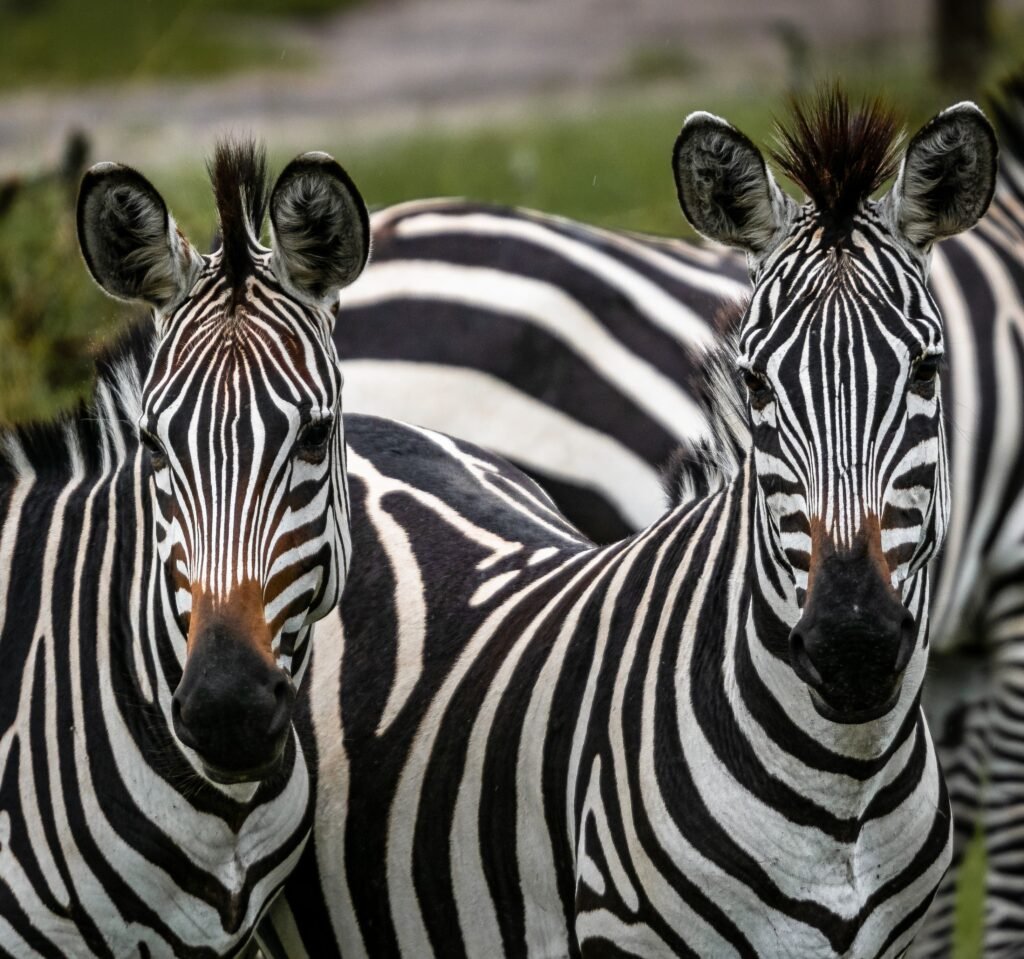
Marketing copy can promise anything. A wildlife census cannot. The ministry’s report includes the latest population estimates for Uganda’s mammals, and they make encouraging reading for anyone planning a wildlife safari in Uganda.
Start with the primates, the animals that put Uganda on the world map. The mountain gorilla population has held steady at 459 across the last three census periods, a quiet triumph for a species that once teetered on the edge. Chimpanzees did even better, rising from 5,072 to 6,075, which is welcome news for anyone planning chimpanzee trekking in Kibale National Park or Kyambura Gorge. On the savannah the story is just as strong. Uganda kob number about 175,000, buffalo have recovered to roughly 41,500, hippos stand at 9,026, and plains zebra have grown to 20,942.
The Nubian giraffe, which you will watch striding across Murchison Falls National Park, has edged up to 2,519. Southern white rhinos have risen from 43 to 61, a conservation comeback you can see for yourself on foot at Ziwa Rhino Sanctuary on the road north from Kampala. Leopards are estimated at 328.
The report notes that lions, now at 291, and elephants, at 6,352, have slipped slightly since the previous count, with habitat loss, poaching and human-wildlife conflict named as the causes. It calls for urgent action, and the response is already under way. Human-wildlife conflict cases fell from 6,557 to 4,290 in a single year, 351 kilometres of electric fencing were extended around protected areas, and UGX 2.18 billion was paid in compensation to affected communities.
For travellers, this is where responsible tourism earns its keep. Park fees, permits and community-run lodges are what fund the rangers, the fences and the goodwill that keep wildlife alive. When you book a Uganda safari with a responsible operator, you are not just a spectator. You are part of the solution.
Gorilla Trekking Uganda: The Experience That Defines a Visit

No guide to visiting Uganda is complete without gorillas, and no description quite prepares you for the real thing. You hike into the mist-draped forest of Bwindi Impenetrable National Park, a UNESCO World Heritage Site, following trackers who found your gorilla family earlier that morning. Then the vegetation parts, and a silverback is simply there, close enough that you can see him thinking. You get one hour. Nobody forgets it.
Gorilla trekking in Uganda is also remarkably accessible. Permits are issued by the Uganda Wildlife Authority, and foreign visitors are directed to book through licensed Ugandan tour operators, which is one more reason to choose your operator carefully. Treks can last anywhere from a couple of hours to most of a day, depending on where the family moved overnight, so good boots and a steady pace matter more than athletic ability. Your guide and porter handle the rest.
Compare that with neighbouring Rwanda, where a gorilla permit costs US$1,500, and you can see why Uganda has become the smart choice for travellers who want the same life-changing encounter with more of their budget left over for lodges, game drives and a second primate experience. Permit prices are set by the authority and revised from time to time, so we always confirm the current tariff before you pay a deposit.
Pair your trek with chimpanzee tracking, a boat cruise along the Kazinga Channel and a morning looking for tree-climbing lions in the Ishasha sector of Queen Elizabeth National Park, and you have the backbone of what many travellers consider the finest primate-and-predator itinerary in East Africa.
What Visitors Spend, How Long They Stay, and Whether They Go Home Happy
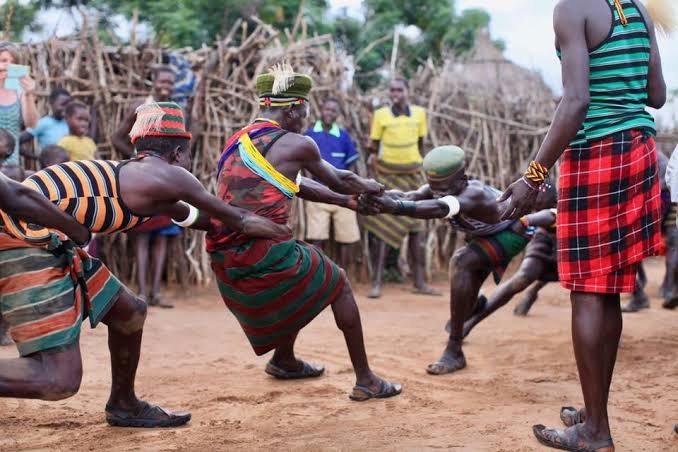
The ministry measures statistics , and the result is encouraging: 84 percent of tourists reported being satisfied, comfortably above the 79 percent target. Compliance with tourism service standards among assessed enterprises rose to 74 percent, up from a baseline of 55 percent. Behind those figures is practical investment. More than 2,600 people were trained in the year as chefs, porters, guides and drivers, the frontline roles that decide whether your trip feels effortless or exhausting.
Visitors are also staying longer, which is usually the clearest vote of confidence a destination can win. The average length of stay reached 8.8 nights in 2025, the highest on record, and leisure travellers stayed 9.5 nights, up from 7.8 the year before. Average spending per trip rose to US$986, while the average leisure visitor spent US$2,144. Those numbers suggest travellers are choosing to extend their trips and invest in experiences, rather than ticking off one gorilla trek and flying home.
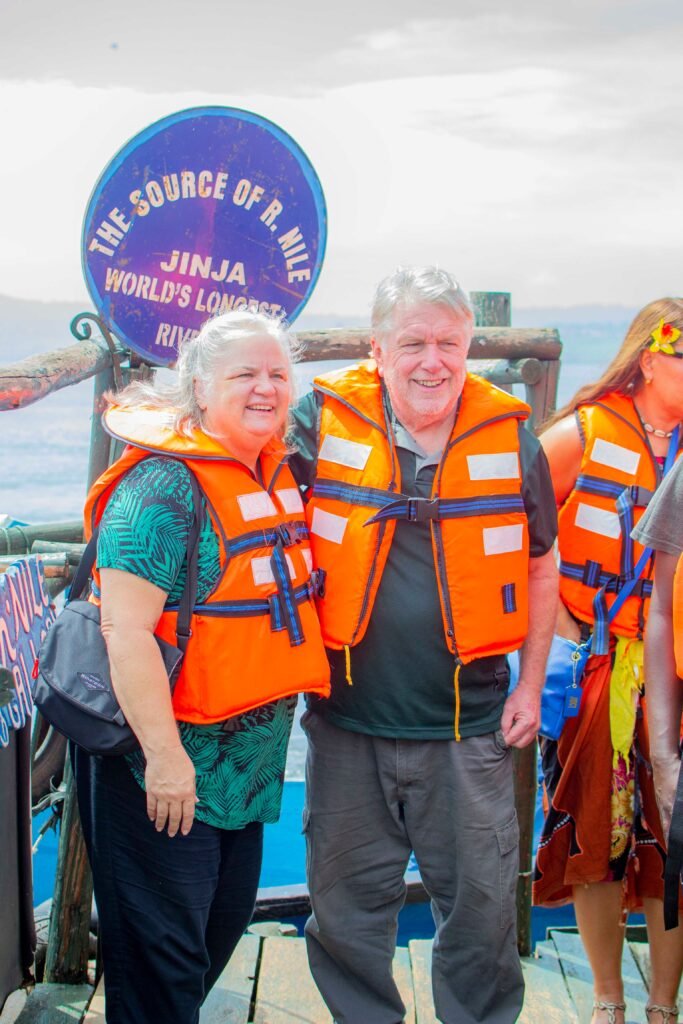
For planning purposes, think of Uganda tour packages in three tiers. A short gorilla trek from Kampala fits into three or four days. A well-rounded Uganda safari of seven to ten days adds chimpanzees, the Kazinga Channel and a big-game park. Two weeks or more lets you reach remote Kidepo Valley, or add Jinja’s white-water adventures, the Source of the Nile and a few quiet days beside Lake Bunyonyi.
Getting to Uganda and Getting Around Is Easier Than Ever

Connectivity used to be the polite objection to visiting Uganda. It is being tackled head-on. Uganda Airlines now operates 17 routes, including London, Dubai, Mumbai, Johannesburg and Nairobi, and holds a 25.3 percent share of passenger traffic at Entebbe International Airport. In June 2026 it signed an agreement to acquire eight new aircraft. The first phase of Entebbe’s rehabilitation is complete, and the runway at Jinja has been upgraded moreso the other airlines are flying to Uganda Rwandair, Kenya airways, Quater airways and others. the chartered flights also available like earolink to reach tourist domestically at their desired destinations.
On the ground, six tourism roads totalling 251.5 kilometres have been completed, including links around Murchison Falls and the Rukungiri-Kihihi-Ishasha corridor that serves Bwindi and Queen Elizabeth, with 11 more roads covering about 511 kilometres under construction. Kabalega International Airport, which will serve the Murchison and Hoima region, is 98 percent complete in physical works. Better flights and smoother roads mean less time bouncing in a vehicle and more time with animals.
Most visitors apply for an e-visa online before travelling, and a yellow fever vaccination certificate is required, so check your entry requirements early.
An Honest Word About Ebola, Travel Advice and Safety
A trustworthy Uganda travel guide cannot skip this section, so here it is plainly. In May 2026 an outbreak of Ebola caused by the Bundibugyo virus was declared in the region, and the World Health Organization classed it as a public health emergency of international concern. Uganda reported cases, closed its border with the Democratic Republic of Congo, and several governments issued cautious travel advice. The disruption was real. The ministry confirms that tours were cancelled in peak season and that growth in arrivals from the Americas and Europe slowed sharply.
Here is what happened next. Uganda completed the standard 42-day monitoring period and declared its outbreak over on 28 July, and the WHO confirmed the end of the outbreak in Uganda on 27 August. The WHO has continued to advise against travel restrictions tied to Ebola outbreaks.
The visitor numbers tell their own story. Even with the outbreak landing in the middle of peak season, international arrivals from January to June 2026 reached 793,815, up 3.7 percent on the same period in 2025 and well ahead of the global average of 0.4 percent. Tourism spending in those six months hit about US$631 million, up 25.6 percent, as the average stay lengthened from 7.4 to 8.3 nights. The travellers who came stayed longer and spent more.
None of this means you should skip your own homework. Travel advice varies by country and changes quickly, so read the latest guidance from your own government before you book, such as the US State Department, the UK Foreign, Commonwealth and Development Office or Australia’s Smartraveller. Buy comprehensive travel insurance that includes medical evacuation, follow sensible hygiene precautions, and choose an operator who will tell you plainly where things stand before taking a deposit. That is the standard we hold ourselves to.
The Best Time to Visit Uganda, and Why 2027 Deserves Your Attention
Uganda straddles the equator, so there is no bad time to go, only different ones. The drier months, broadly June to September and December to February, are the most popular for gorilla trekking and game drives because trails are firmer and wildlife gathers around water. The wetter months bring emerald landscapes, fewer visitors and superb birdwatching, and gorilla trekking runs all year. Permits for gorilla trekking in Uganda can sell out well ahead during the dry months, so the earlier you commit, the more choice you have over trekking dates and lodges.
There is a good reason to plan early for 2027. Uganda is preparing to co-host the Africa Cup of Nations, and the government is already working to attract investment in accommodation near key venues because beds will be tight. Hotels and lodges in popular areas will be busy. If a 2027 Uganda safari is on your list, book your lodges and gorilla permits early, and ask your operator about travelling outside the tournament dates.
Building Your Uganda Safari: Itineraries That Work
With three or four days, a focused gorilla trek is entirely possible. You can drive from Kampala in a long day, breaking the journey at the Equator and Lake Mburo, or fly from Entebbe to a nearby airstrip and be on the trail the next morning. a guide to Bwindi gorilla trekking explains the four trekking sectors and which one suits your fitness and your schedule.
With a week to ten days, the western circuit is hard to beat. Combine chimpanzee tracking in Kibale, a launch cruise on the Kazinga Channel, tree-climbing lions in Ishasha and a gorilla trek in Bwindi, then recover with a night or two beside Lake Bunyonyi. It is the classic Uganda safari for good reason: four ecosystems, a dozen headline animals and almost no wasted driving days.
Two weeks or more opens up the north. At Murchison Falls the Nile squeezes through a gap just seven metres wide before thundering into the gorge below, and a boat cruise upstream delivers elephants, hippos, crocodiles and, with luck, the prehistoric shoebill. Add remote Kidepo Valley for big skies and few vehicles, then finish in Jinja with white-water rafting at the source of the Nile. The ministry’s report confirms that the Source of the Nile and other key sites are in line for new investment, so Jinja is only getting better.
Why Book Your Uganda Tour Packages With us
We secure gorilla and chimpanzee permits, match lodges to your budget, arrange transport with experienced driver-guides, and weave in the cultural and community experiences that make Uganda different from every other safari country. Because we live here, we can tell you honestly which routes suit which season, what the roads are like this month, and where to find the quiet corners that never make it into the brochures. Whether you want a tailor-made honeymoon, a family adventure or a solo journey with a small group, our Uganda tour packages are built around you rather than a template.
Frequently Asked Questions About Visiting Uganda
Is it safe to visit Uganda? Millions of visitors travel to Uganda safely, and wildlife safaris in national parks are guided by trained rangers and driver-guides. Like anywhere, it pays to follow your government’s latest travel advice, take out comprehensive insurance, and travel with a licensed operator who monitors conditions for you.
How many days do I need for a Uganda safari? Three to four days is enough for a gorilla trek alone. Seven to ten days lets you combine primates and big game, and the average leisure visitor stayed 9.5 nights in 2025, which is a good benchmark for a satisfying first trip.
Do I need a visa to visit Uganda? Most nationalities need a visa, which can be applied for online through the official e-visa portal. You will also need a valid passport and proof of yellow fever vaccination, so check the current requirements at least a month before you fly.
How much does a gorilla permit cost? Permit prices are set by the Uganda Wildlife Authority and differ by visitor category and season. Uganda’s permit has traditionally been priced well below Rwanda’s US$1,500, and we confirm the exact current rate with you before any booking.
Ready to Visit Uganda? Let’s Tour.
The evidence is on the page. Record arrivals, thriving primates, rising satisfaction, better flights and roads, and a country that kept growing through a difficult season. Uganda is not the best-kept secret in Africa any more, but it is still one of the few places where a world-class safari feels personal. If you are ready to visit Uganda, talk to the team at Tulambule Uganda Safaris and tell us what you want to see. Send us your dates, your group size and your wish list. We will build the Uganda safari that makes the numbers in this report feel like your own story.
Sources and further reading: Ministry of Tourism, Wildlife and Antiquities, Tourism Development Programme Annual Performance Report FY 2025/26 (September 2026), available through tourism.go.ug; UN Tourism barometer data; the Uganda Tourism Board and its Visit Uganda portal for destination information; the Uganda Wildlife Authority for parks and permits; and the World Health Organization for health guidance. Statistics quoted are from the ministry’s report unless otherwise stated.